
Overview
Nepal is a dreamlike destination nestled in the heart of the Himalayas, where the world's highest peak, Mount Everest, rises dramatically against breathtaking landscapes. Here, majestic nature converges with profound cultural heritage—from the sacred temples of the Kathmandu Valley to the birthplace of Buddha in Lumbini. Experience vibrant festivals, the warmth of local communities, and tantalizing dishes like Dal Bhat and Momos. Whether your passion lies in trekking the towering mountains, embarking on a wildlife safari in Chitwan National Park, or enjoying tranquil days by Pokhara Lake, Nepal offers a journey filled with contrasts, spirituality, and unforgettable adventures.
Official language
Nepali
Government
Federal democratic republic
Best time to visit
October-November and March-May
Nature
Nepal boasts some of the most stunning and diverse natural landscapes in the world. Ranging from lush subtropical plains to the snow-capped peaks of the Himalayas, it is home to Mount Everest, the crowning jewel of the region. In Sagarmatha National Park, visitors can marvel at dramatic glaciers, deep valleys, and rich wildlife, while the Annapurna region offers iconic trekking routes that draw adventurers from around the globe. To the south lies Chitwan National Park, a UNESCO World Heritage site where safaris allow for rare sightings of the Indian rhinoceros and majestic Bengal tigers. The tranquil waters of Pokhara Lake, surrounded by verdant hills and mountain silhouettes, are perfect for kayaking, paragliding, or unwinding. With rivers cascading from the mountains providing opportunities for rafting and kayaking, Nepal is a paradise for nature lovers, offering a unique blend of untouched landscapes and timeless serenity throughout every region.
Travel to Nepal
Traveling to Nepal promises an extraordinary blend of adventure, culture, and nature. The best times to visit are in spring (March to May) and autumn (October to November), when the weather is clear and perfect for trekking the Himalayas. Fly into Kathmandu and explore its historic neighborhoods before heading to the mountains or national parks. Trekking routes like Everest Base Camp and the Annapurna Circuit attract hikers from all over. For those seeking wildlife encounters, Chitwan National Park provides thrilling jungle safaris. In Pokhara, relax amidst stunning views or embark on adventure sports like paragliding. Transportation in Nepal offers its own unique experiences, with scenic mountain roads and short flights over awe-inspiring landscapes. Accommodations range from cozy teahouses to comfortable hotels, and the local cuisine is not only delicious but also nourishing. A journey to Nepal is not just a vacation; it is a deep dive into a land where nature's grandeur and human spirit meet.
Culture
Nepal's culture is a fascinating tapestry woven from Hindu and Buddhist traditions, reflected in its vibrant temples, stupas, and daily life. The Kathmandu Valley stands as a cultural hub, centered around historic sites like Durbar Square, where intricate wood carvings and ancient palaces tell tales of past kingdoms. Pashupatinath Temple serves as a pivotal site for Hindu devotees, while the Swayambhunath Stupa, also known as the Monkey Temple, is a symbol of Nepalese Buddhism. Lumbini, the birthplace of Buddha, draws pilgrims from around the world, embodying the spiritual essence of the nation. Nepalis are known for their warm hospitality and engage in colorful festivals such as Dashain and Tihar, where music, dance, and lights create an enchanting atmosphere. Culinary experiences abound with dishes like Dal Bhat, Momos, and crispy Sel Roti, alongside traditional craftsmanship in carpets, thangka paintings, and jewelry that reflect Nepal's artistic soul. This vibrant culture is both alive and timeless, shaped by centuries of history and belief.
History
Nepal's history has been shaped by its strategic location between India and China, making it a cultural and commercial crossroads for centuries. The Kathmandu Valley was once home to several powerful kingdoms that left behind remarkable architecture and exquisite art. In the 18th century, King Prithvi Narayan Shah unified Nepal, preserving its independence against colonial pressures. Lumbini has been a significant Buddhist pilgrimage destination for over 2,500 years. In modern times, Nepal underwent significant political transformations, transitioning from a monarchy to a federal democratic republic in 2008. This rich history resonates through the many temples, palaces, and traditions that continue to shape daily life across the country.
Top attractions
Mount Everest
Mount Everest is the world's highest mountain and an ultimate goal for climbers, surrounded by magnificent nature in the Himalayas.
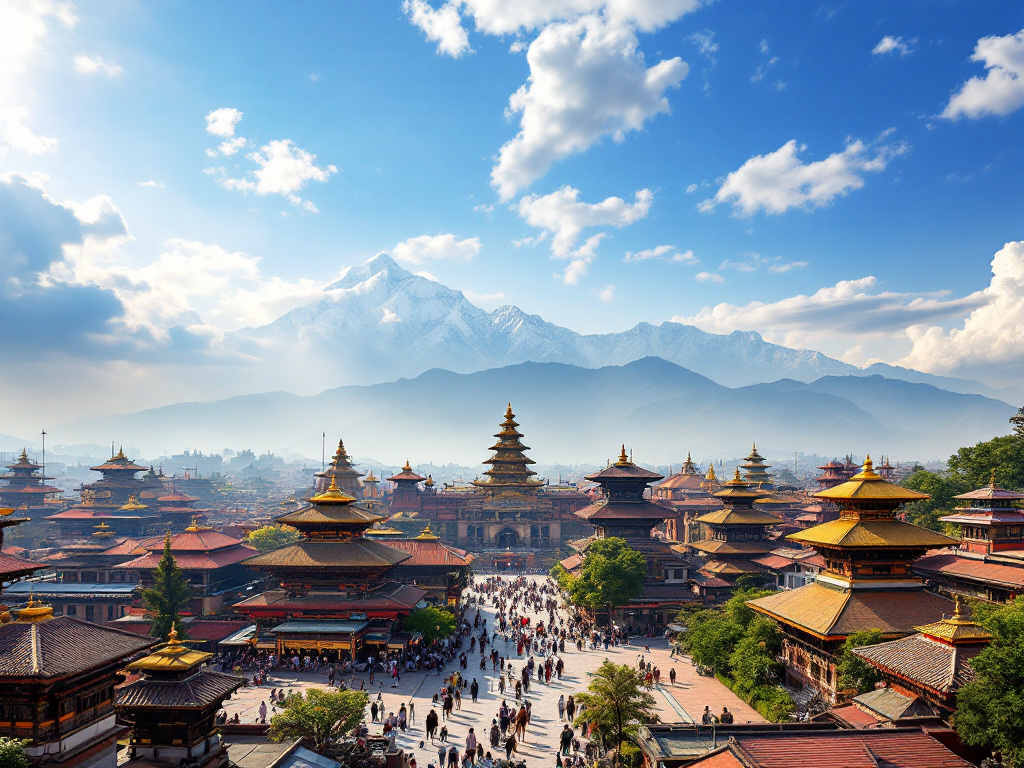
Kathmandu Durbar Square
Kathmandu Durbar Square is the heart of the historic city with palaces, temples, and vibrant Nepalese culture.
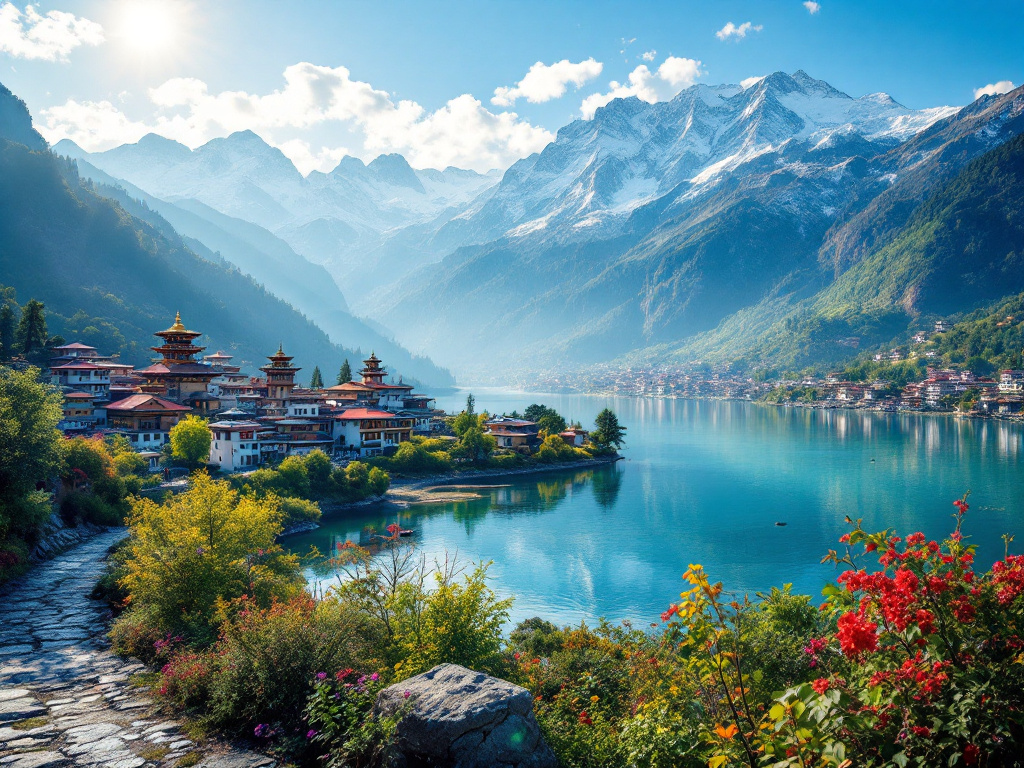
Phewa Lake
Phewa Lake in Pokhara is known for its serene atmosphere and stunning mountain views.
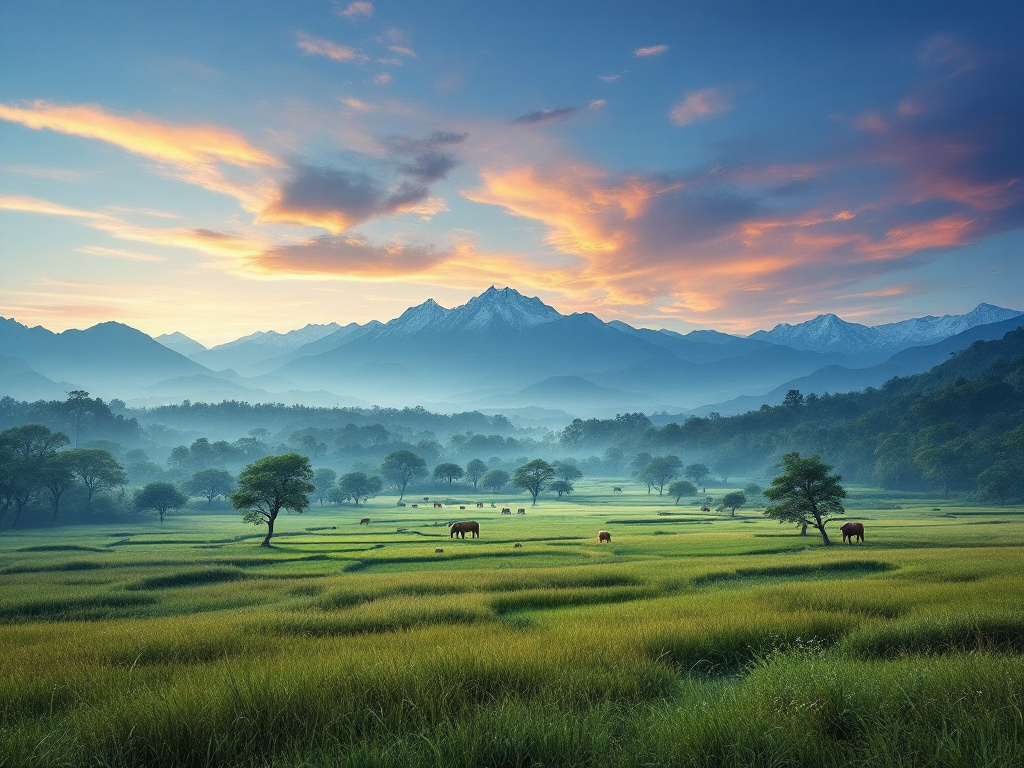
Chitwan National Park
Chitwan National Park offers unique wildlife and safari experiences in Nepal's lowlands.
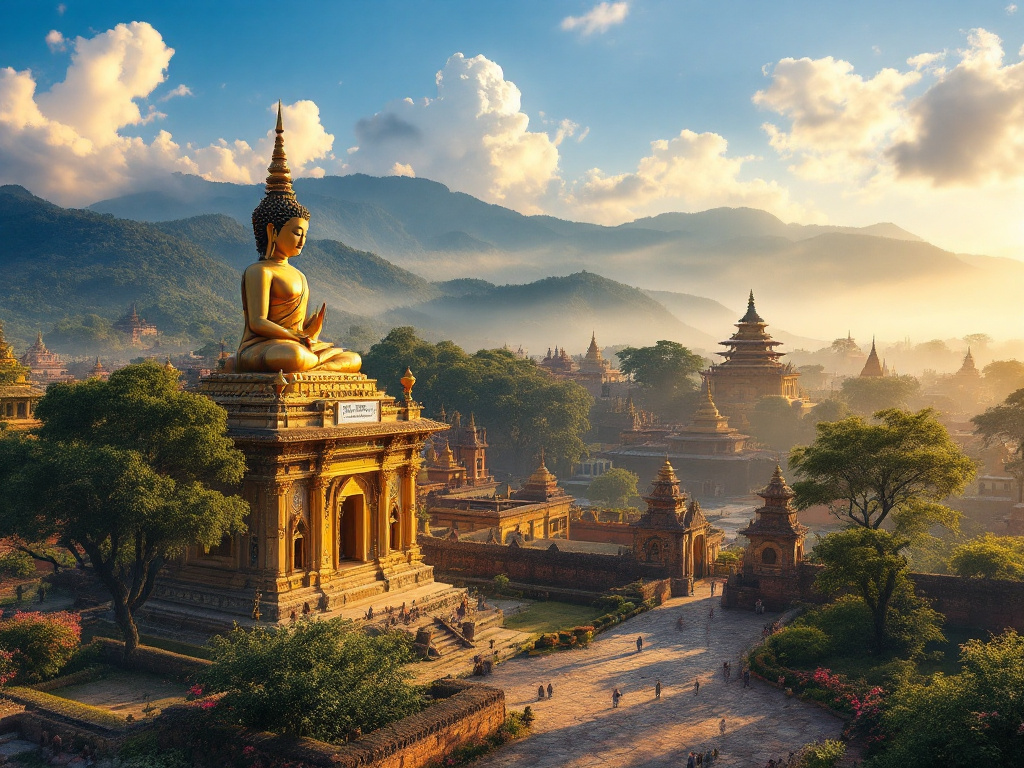
Lumbini
Lumbini is an important spiritual center and the birthplace of Buddha, visited by pilgrims from around the world.
Famous cuisine
Culinary overview
Nepal's food culture is a harmonious blend of local traditions and influences from India, Tibet, and China. Meals are often based on fresh ingredients, spices, and a balance of flavors that are sweet, sour, salty, and spicy. Dal Bhat is the national dish and is eaten daily by many Nepalese, while street food like momos and sel roti is popular among both locals and tourists. In the mountainous regions, rustic dishes provide energy for trekking, while the cities offer a wide variety of vegetarian and meat dishes. Tea, especially masala chai, is an important part of daily life.
Must-try dishes
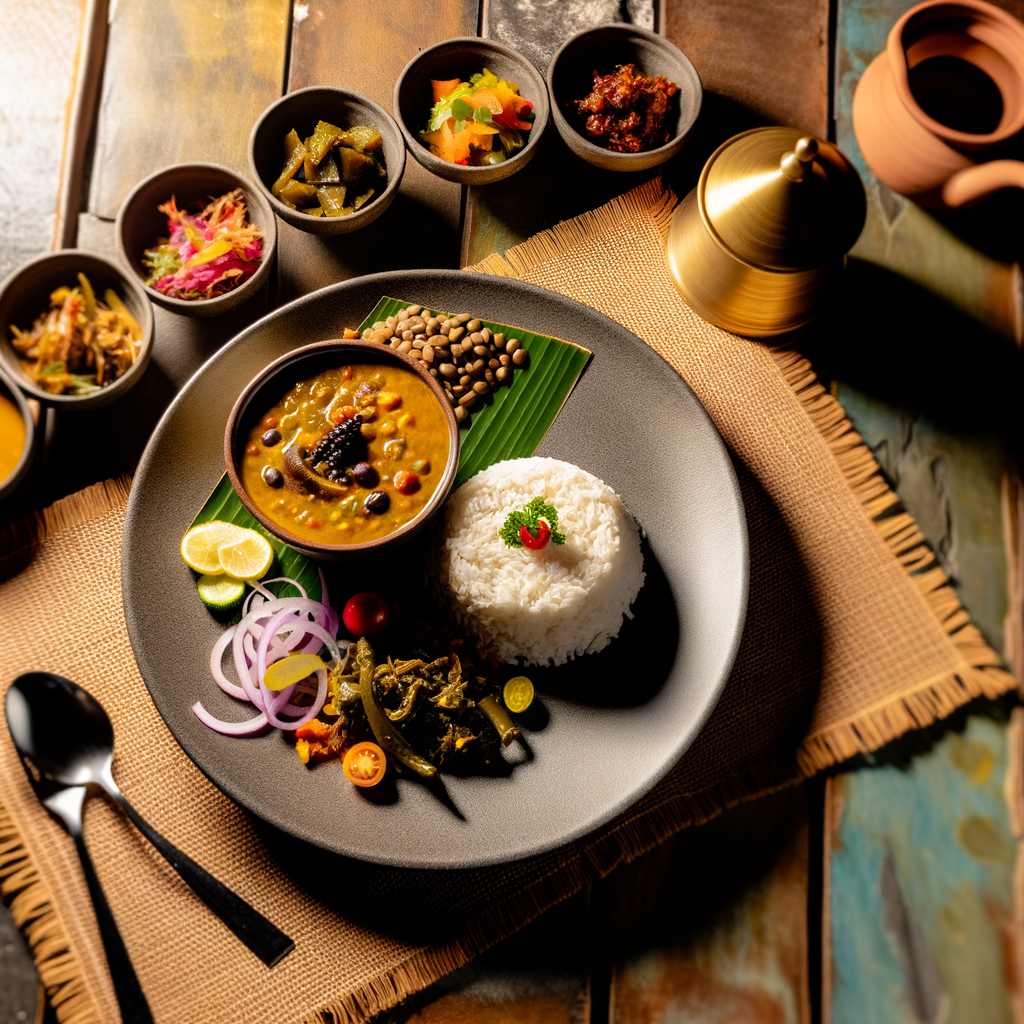
Dal Bhat
A traditional dish consisting of lentil soup (dal) served with steamed rice (bhat), vegetables, pickles, and often meat or vegetable curry. Typically eaten twice daily by many Nepalese.
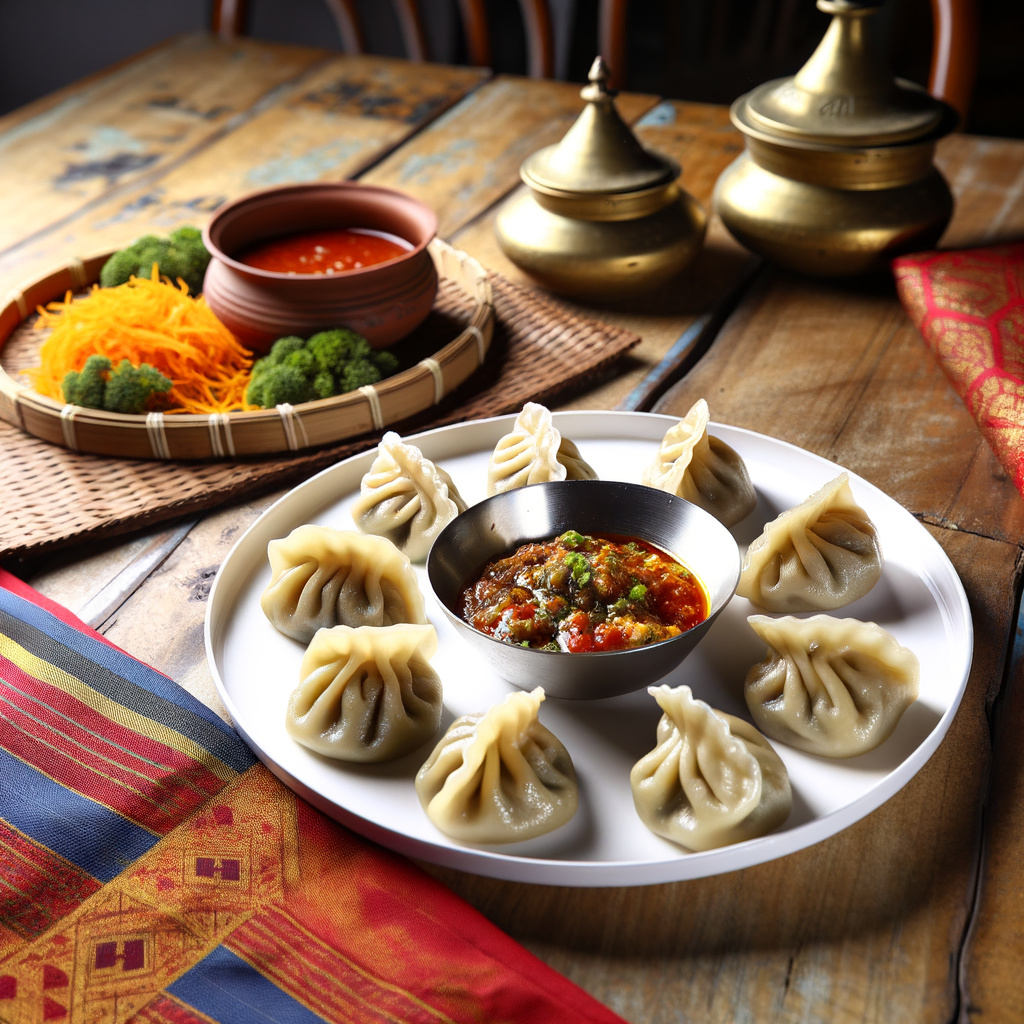
Momos
Steamed or fried dumplings filled with vegetables, chicken, or beef, served with spicy tomato chutney. A popular snack and street food throughout Nepal.
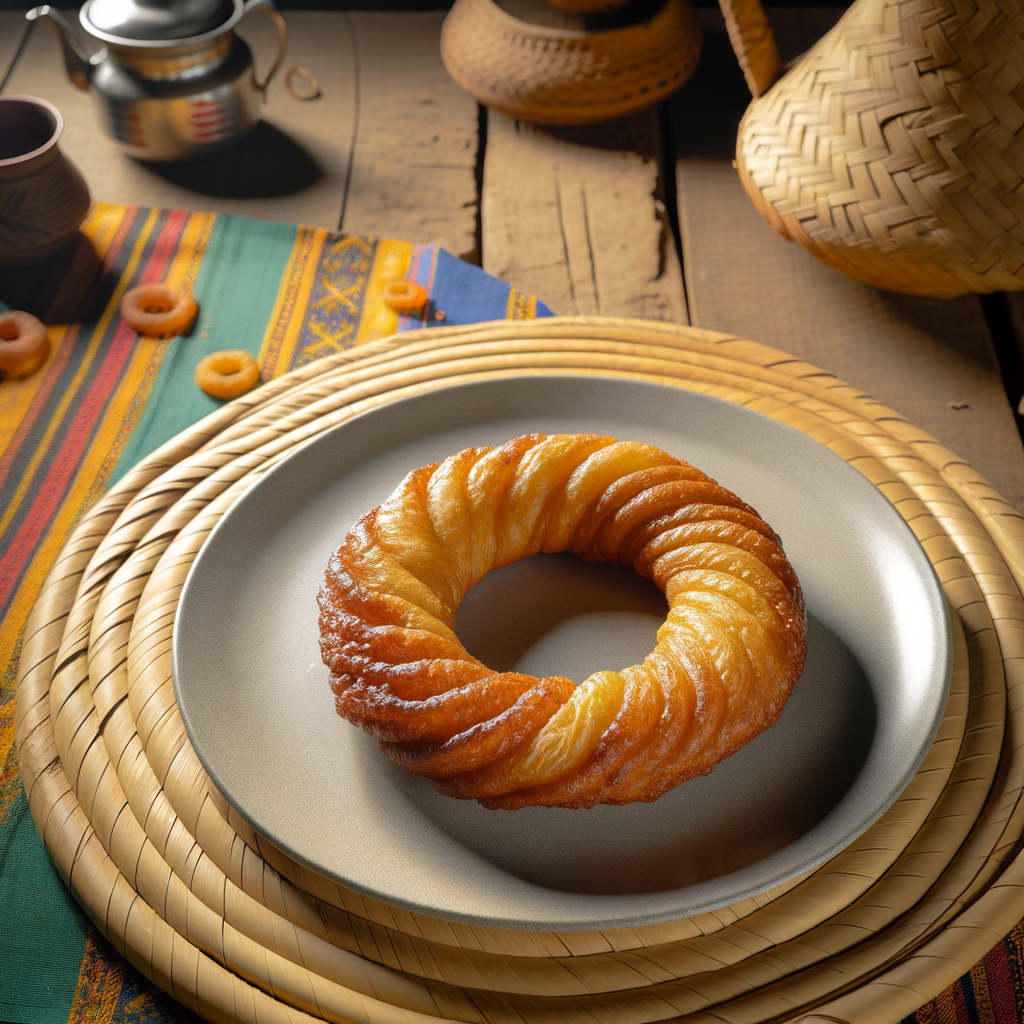
Sel Roti
A sweet, ring-shaped rice bread, crispy on the outside and soft on the inside, often served at festivals and holidays with tea or yogurt.
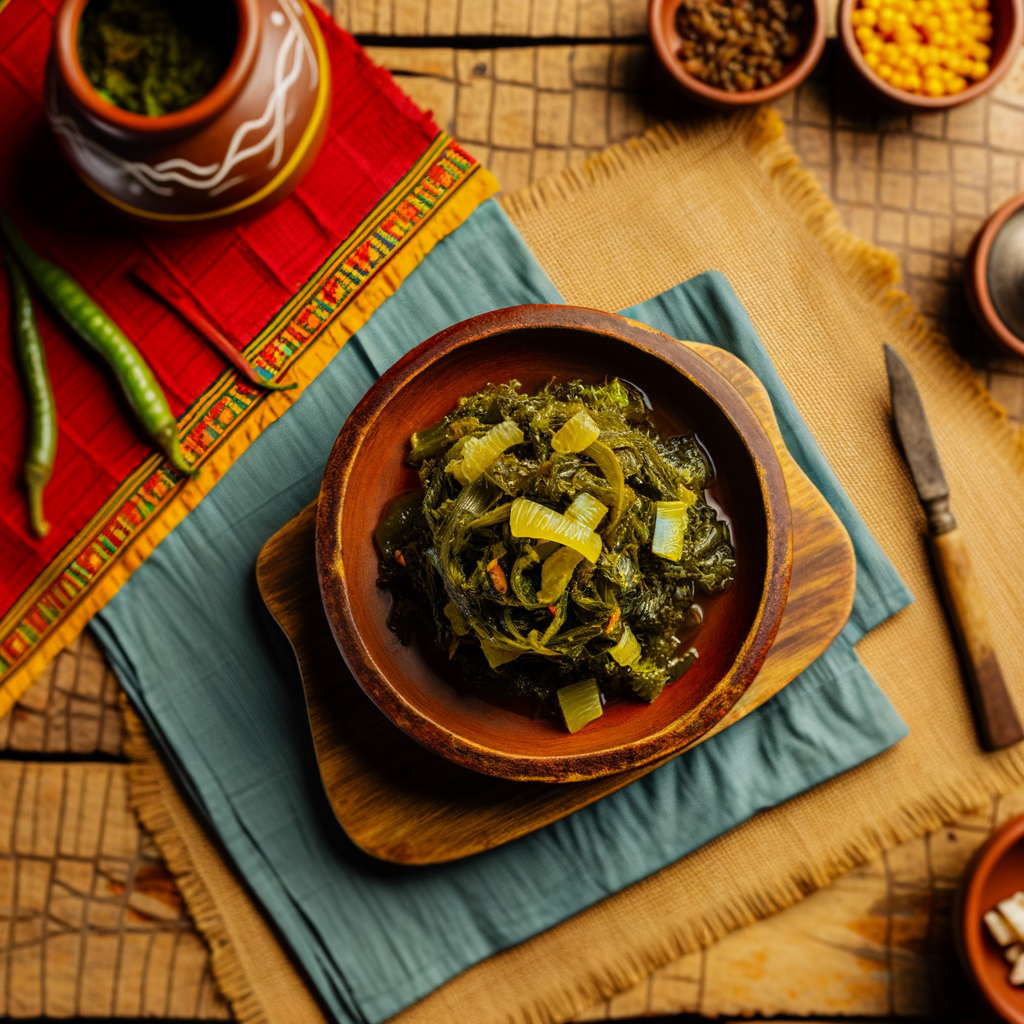
Gundruk
Fermented leafy greens, typically mustard leaves, used as a side dish or in soups. Has a tangy flavor and is rich in vitamins.
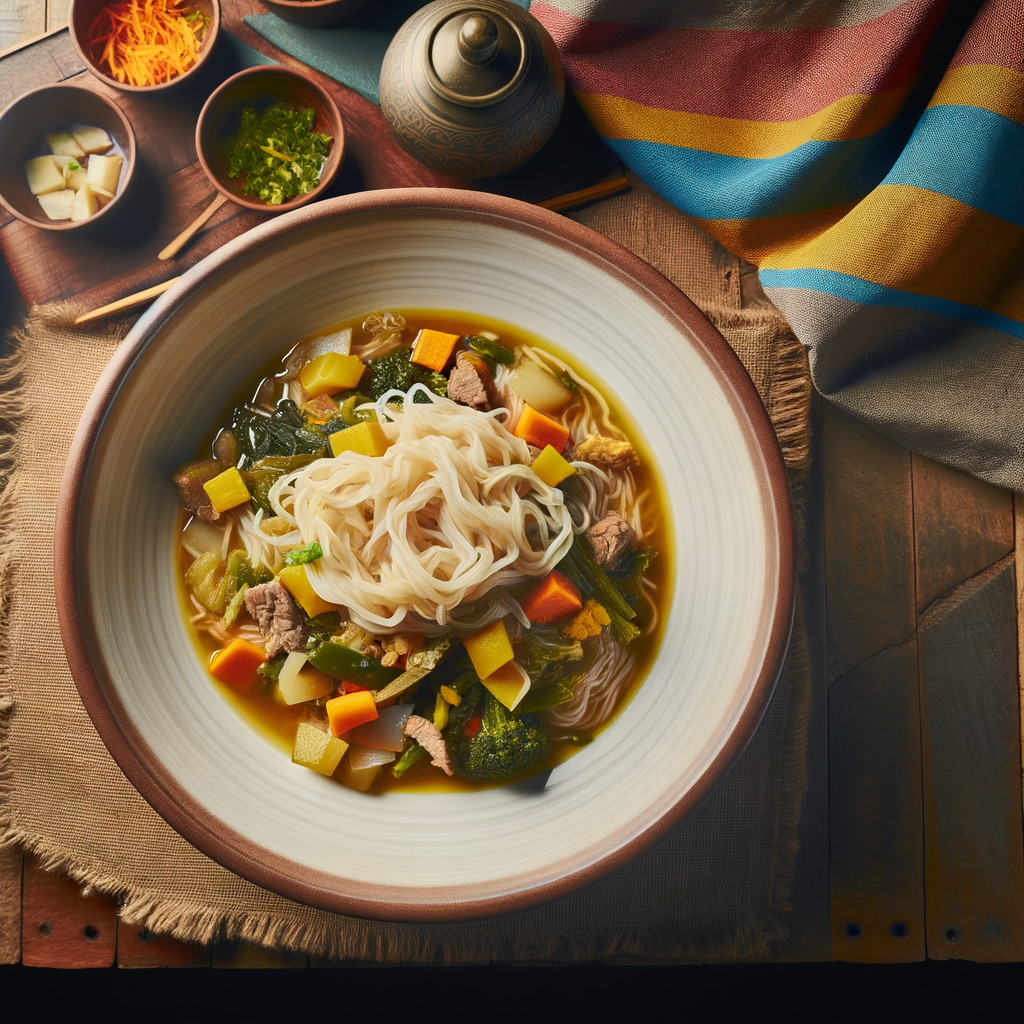
Thukpa
A hot noodle soup with vegetables and meat, originally from Tibet, but very popular in the Nepalese mountainous regions.
Restaurant information
Tipping
Tipping is not mandatory in Nepal, but appreciated. At restaurants, the bill is often rounded up, or one leaves 5-10% for good service.
Travel information
Currency
Nepalese rupee (₨)
Language
Nepali
Best time to visit
October-November and March-May
Major cities
Kathmandu and other major cities
More countries in Asia
Discover more destinations in this region