
Oman
Oman, where ancient traditions meet modern elegance, offers breathtaking landscapes from rugged mountains to serene deserts and pristine coastlines.
Overview
Oman is a captivating destination on the Arabian Peninsula, where timeless Arab traditions blend with modern elegance. From the dramatic heights of Jebel Shams to the golden dunes of Wahiba Sands and the crystal-clear coastline along the Arabian Sea, the country promises unforgettable natural experiences. In Muscat, you can explore the magnificent Sultan Qaboos Grand Mosque, vibrant souks, and experience a hospitality as warm as the desert sun. With four UNESCO World Heritage Sites and a rich cultural heritage, Oman is a paradise for adventurers and history enthusiasts alike.
Official language
Arabic
Government
Absolute monarchy
Best time to visit
October to April
Nature
Oman is a true natural paradise, where dramatic contrasts create breathtaking landscapes. In the north, the Hajar Mountains rise majestically, with Jebel Shams standing as the highest peak offering spectacular views of deep gorges. Jebel Akhdar, known as 'The Green Mountain', is famous for its terraced orchards and cooler climate, a striking contrast to the warm deserts surrounding it. The Wahiba Sands stretch out with undulating golden dunes, inviting visitors to experience camel rides and nights under the starry sky. Along the coast, pristine beaches, dramatic cliffs, and hidden coves await, where the Arabian Sea meets the Indian Ocean. Wadi Shab and other wadis provide lush oases, natural pools, and waterfalls, creating tiny paradises amidst the arid landscape. In the southern region around Salalah, the monsoon transforms the area into a lush green landscape, unique to the region. Oman's nature is both rugged and inviting, a place where you can hike in the mountains, explore the desert, and enjoy sunset views by the sea all in one day.
Travel to Oman
Traveling to Oman is an experience filled with contrasts and authenticity. The best time to visit is from October to April, when the climate is mild and ideal for exploring both deserts and mountains. Flights to Muscat connect the country with major international hubs, and the infrastructure makes it easy to travel around. Adventurers can trek in the Hajar Mountains, go off-road in Wahiba Sands, or snorkel along untouched coastlines. Culture enthusiasts will love the historic forts, souks, and UNESCO sites, while food lovers can indulge in authentic dishes like shuwa and majboos. Oman is safe, hospitable, and less touristy than many other destinations in the region, offering a more intimate and genuine travel experience. Here, you will find stunning nature, vibrant culture, and a warm welcome all in one country.
Culture
Oman's culture is deeply rooted in Arabic traditions yet open to modern influences. The country is renowned for its warm hospitality, with visitors often welcomed with coffee and dates. Muscat serves as a cultural hub, featuring the impressive Sultan Qaboos Grand Mosque, vibrant souks, and an architecture that beautifully blends Islamic art with contemporary design. In Nizwa, the historic fort and lively market showcase handcrafted silver jewelry, ceramics, and textiles that reflect centuries of craftsmanship. Music and dance play a significant role, especially the traditional 'razha' performances at festive occasions. Oman's cuisine is a journey of flavors, offering dishes like shuwa — slow-cooked lamb in an underground oven — and majboos, spiced rice served with meat or fish. The country's maritime history can be seen in boat building and fishing traditions, while incense from Dhofar still graces homes and ceremonies. Oman manages to preserve its authentic identity while welcoming the world with open arms.
History
Oman's history stretches back thousands of years, marked by trade, seafaring, and its strategic position at the crossroads of East and West. Once the center of incense trade, the region gained fame and prosperity. UNESCO World Heritage Sites like the Land of Frankincense in Salalah and the prehistoric burial sites in Bat, Al-Khutm, and Al-Ayn testify to a rich past. Qalhat, a former thriving trading city, and the ingenious aflaj irrigation systems highlight Omani innovation and adaptation to its harsh climate. In more recent times, Oman has maintained its independence and evolved under the leadership of its sultans, particularly Sultan Qaboos, who modernized the country without sacrificing its cultural roots.
Top attractions
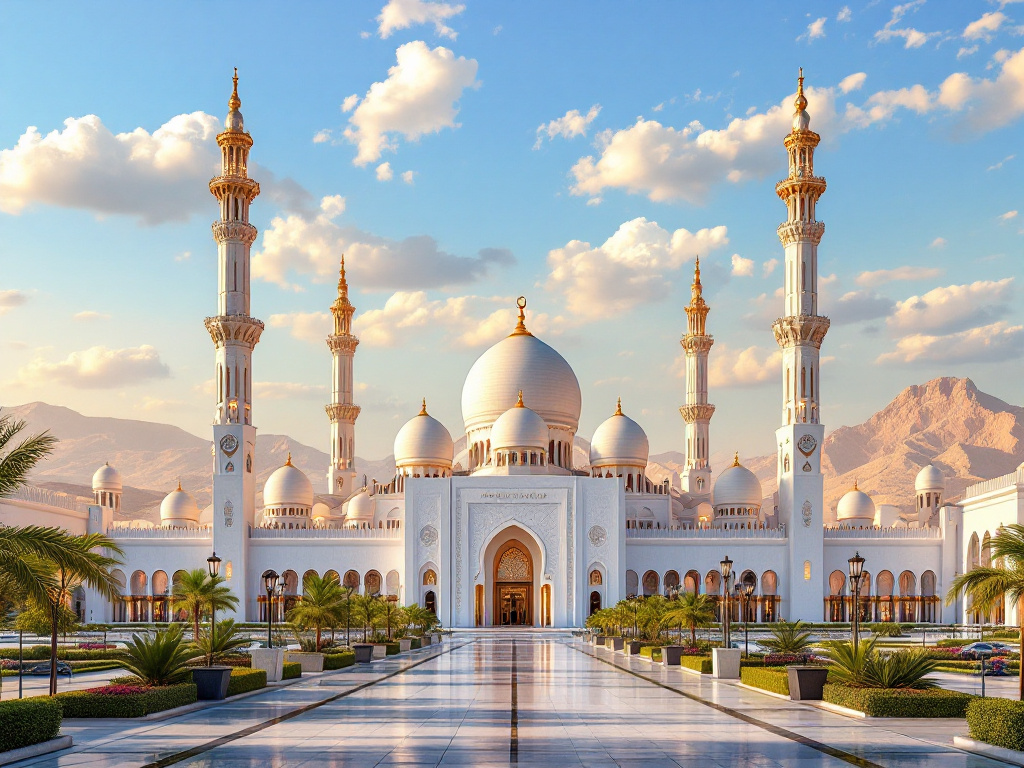
Sultan Qaboos Grand Mosque
One of the largest and most beautiful mosques in the Middle East, known for its elegant architecture and serene atmosphere.
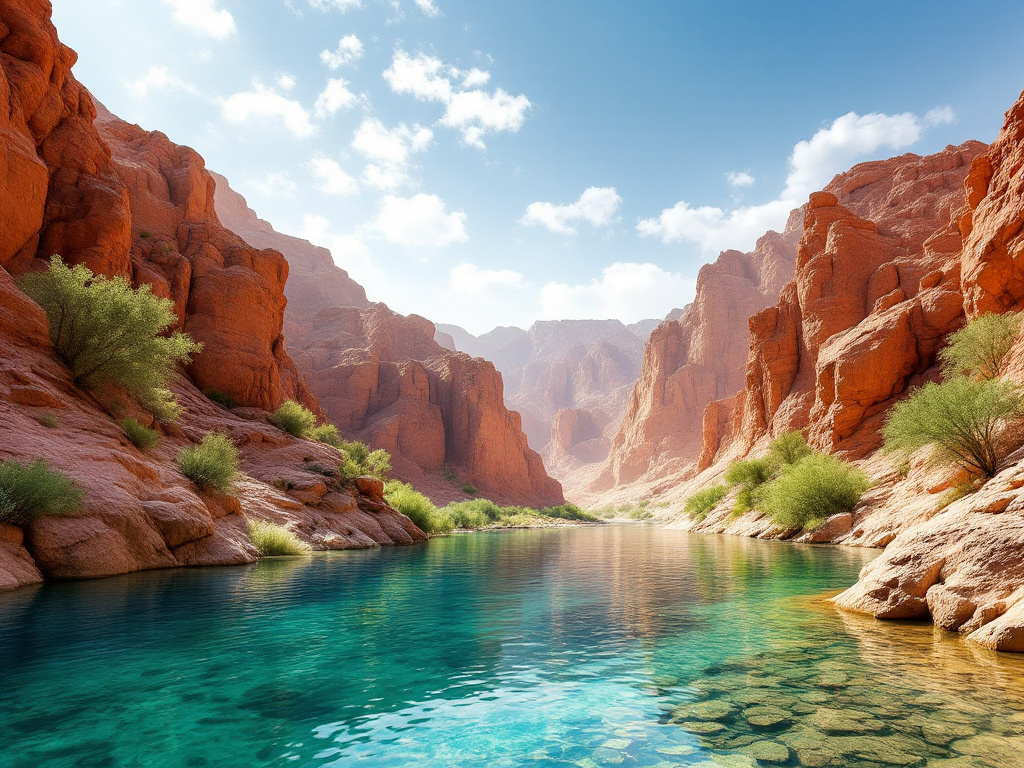
Wadi Shab
A popular wadi with spectacular gorges, clear pools, and an adventurous route through water and cliffs.
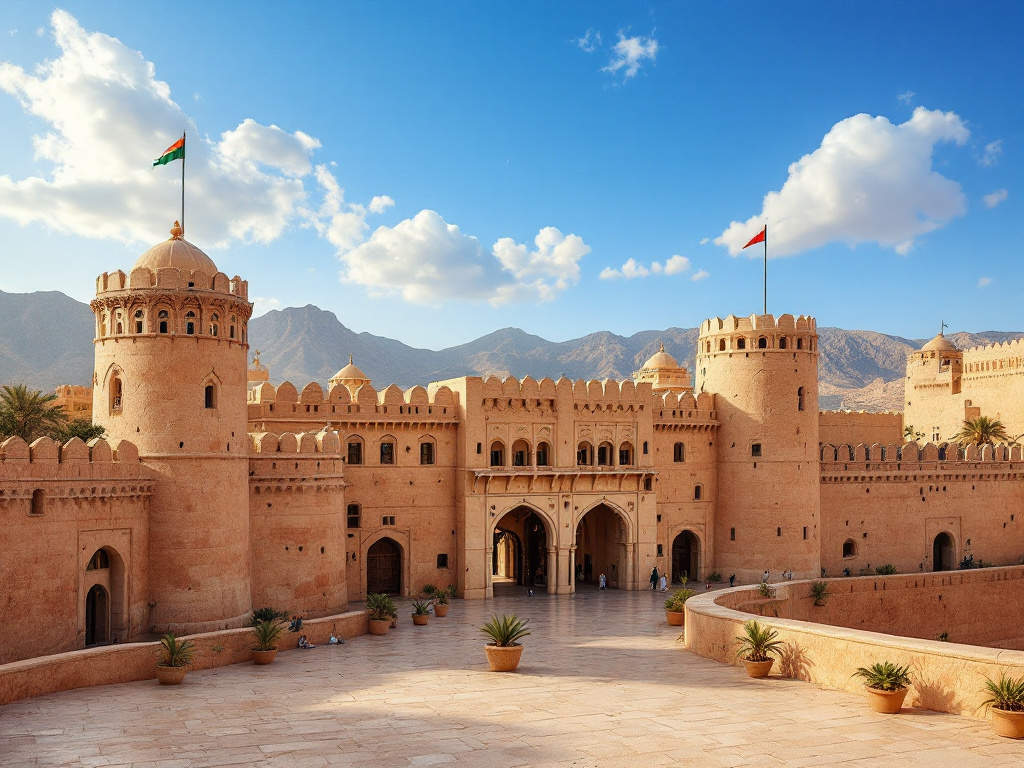
Nizwa Fort
An impressive 17th-century fort that provides insight into Oman's defense history and local culture.
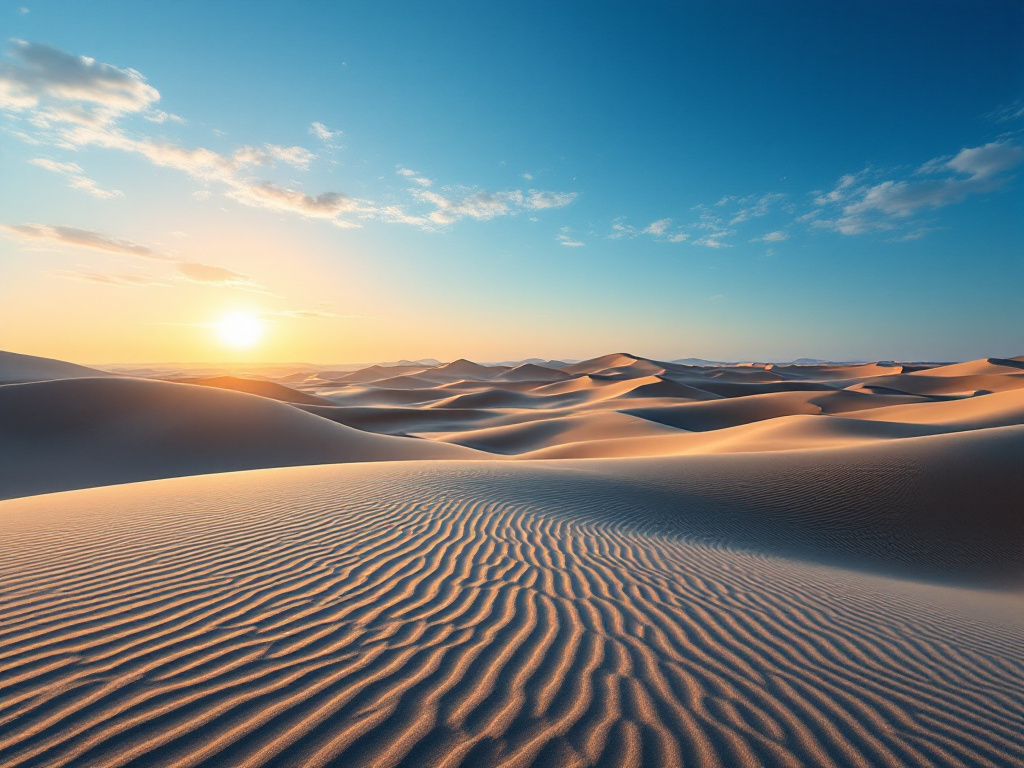
Wahiba Sands
An iconic desert with rolling sand dunes, perfect for adventurous safari trips and cultural experiences.
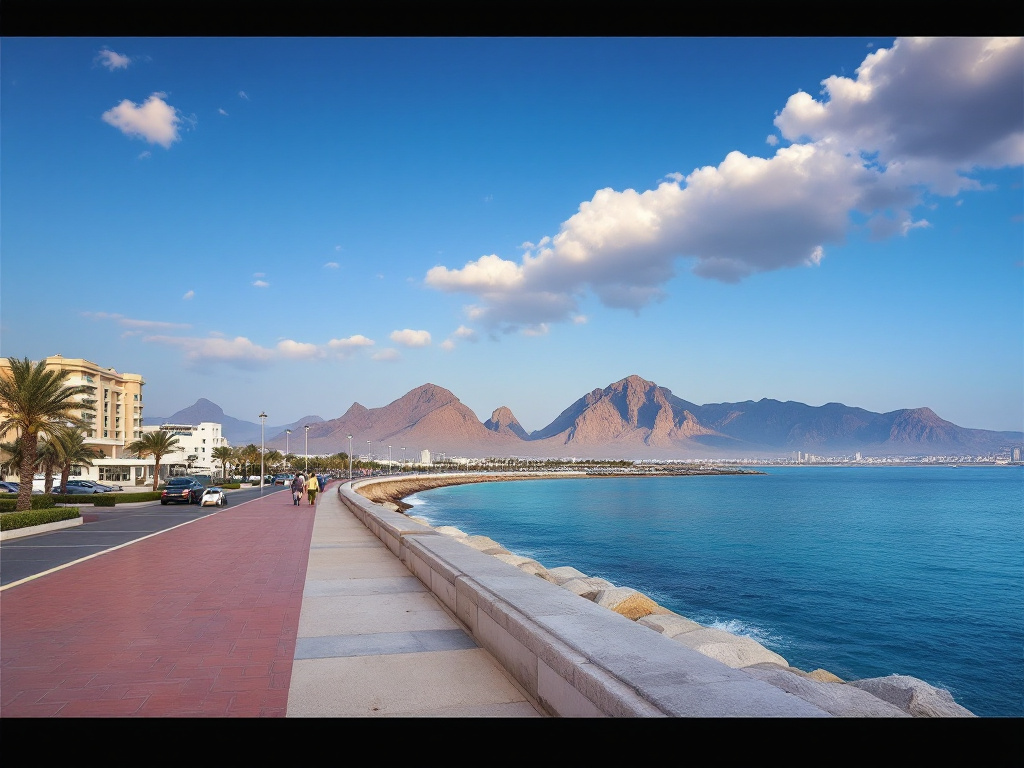
Mutrah Corniche
A charming seaside promenade in the heart of Mutrah with views of the harbor and surrounding mountains.
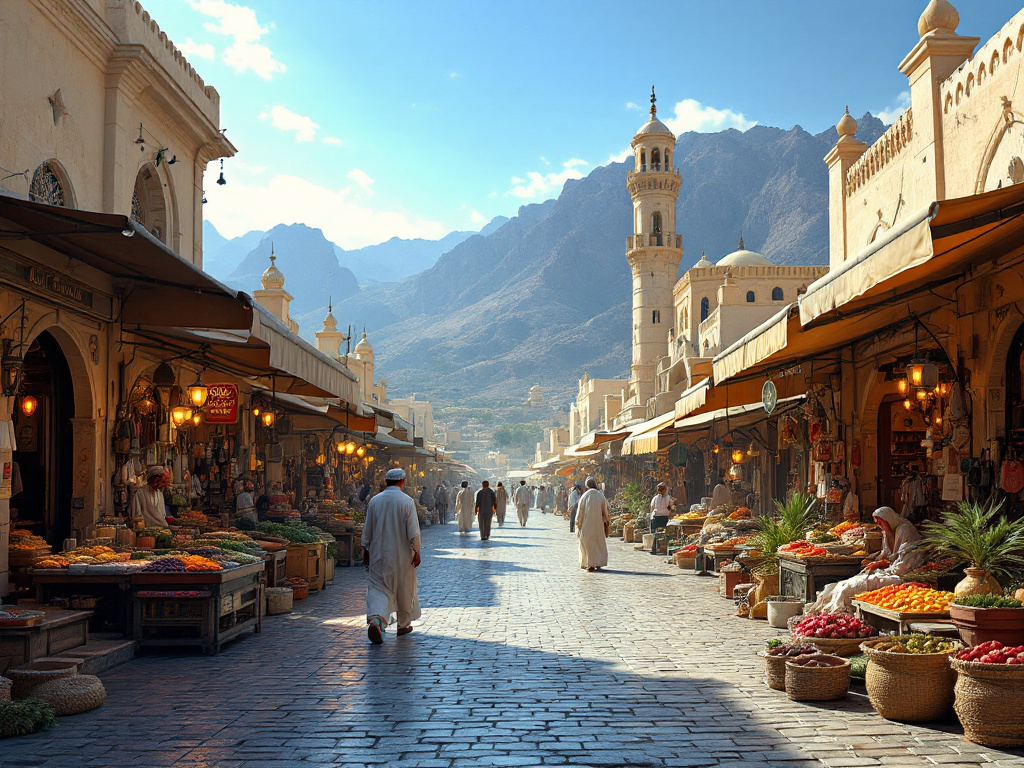
Mutrah Souk
A traditional market filled with scents, colors, and local goods, offering an authentic insight into Oman's culture.
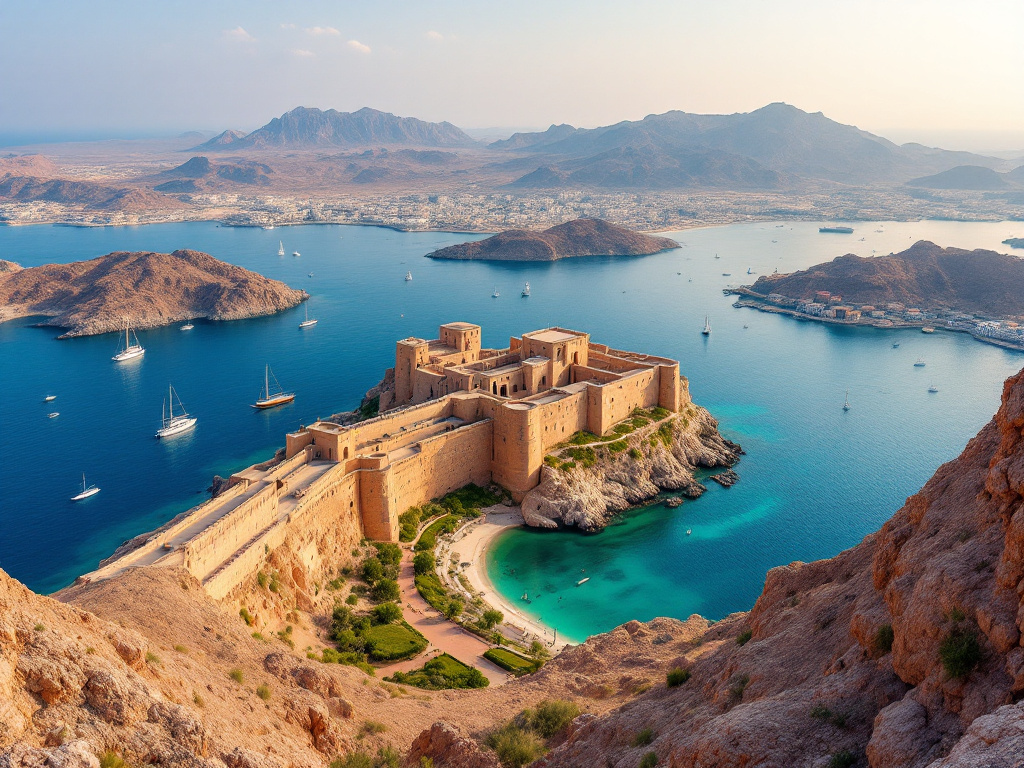
Al Jalali Fort
A coastal fort with a dramatic location that historically protected Muscat's harbor.

Al Hoota Cave
A spectacular limestone cave with natural formations and guided tours, suitable for the whole family.
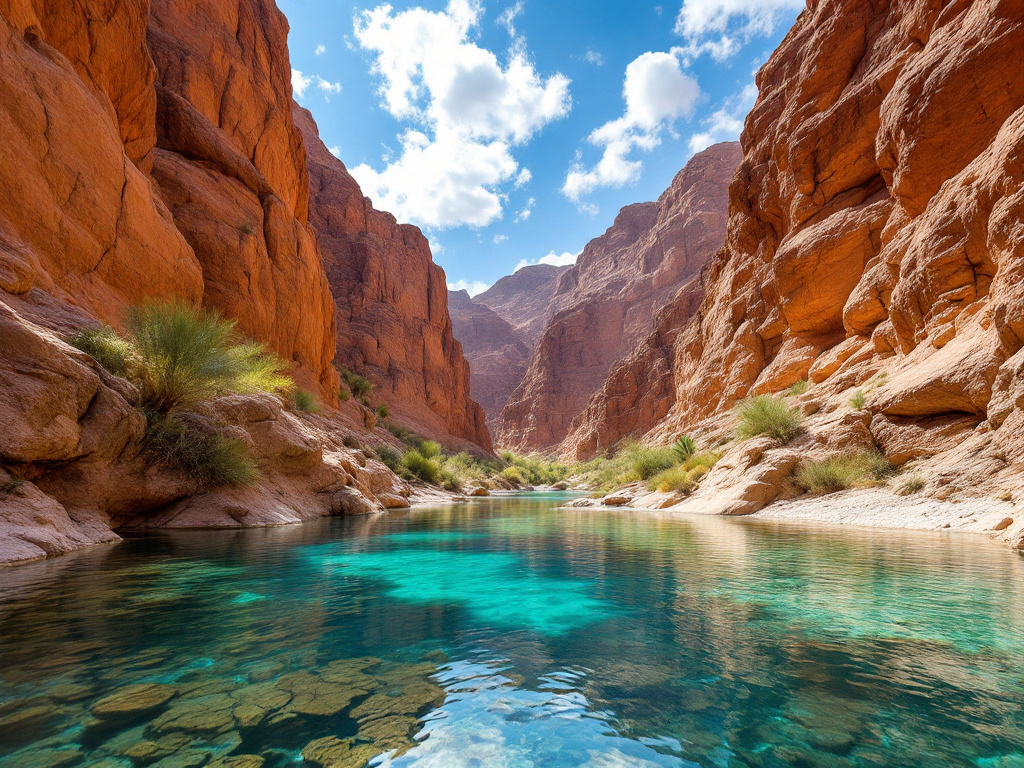
Wadi Bani Khalid
One of Oman's most accessible and popular wadis with clear pools and lush nature.
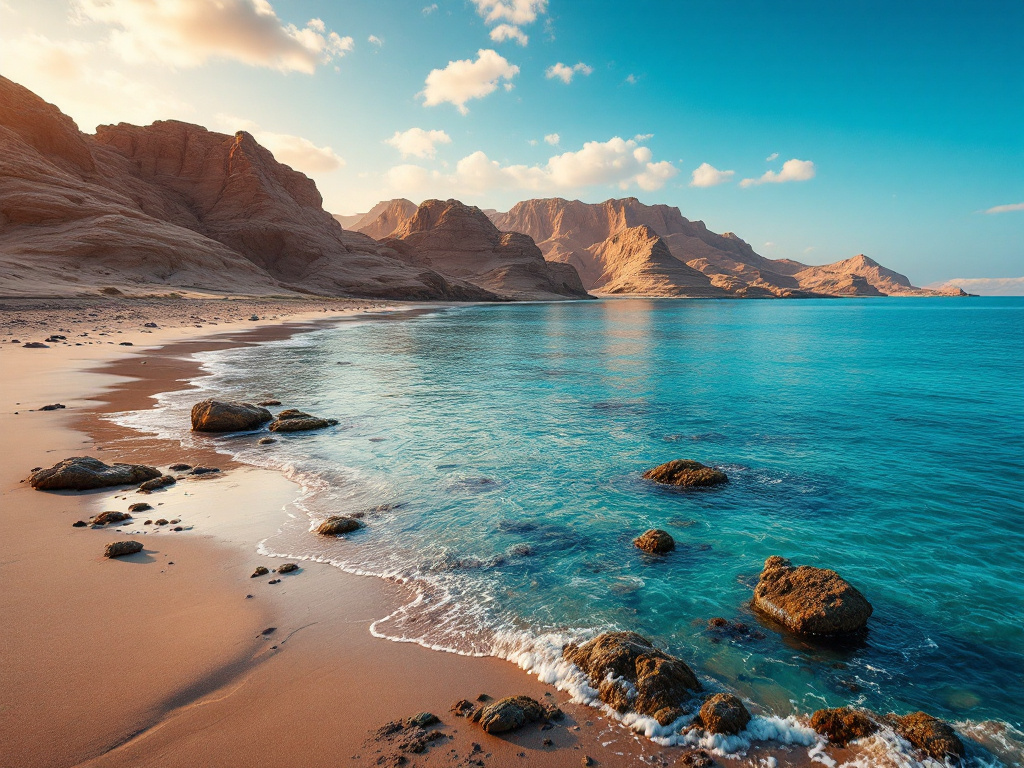
Ras Al Jinz Turtle Reserve
An important nature reserve where visitors can witness sea turtles laying eggs on the beach.
Famous cuisine
Culinary overview
Omani cuisine is a rich blend of Arabic, Indian, Persian, and East African flavors, shaped by the country's history as a trading nation. The food is often spiced but not hot, combining aromatic spices like cardamom, saffron, and cinnamon with fresh ingredients from both sea and land. Meals are a social event, and hospitality is a central part of the food culture – it is common to share large platters with family and guests. Fish and seafood play an important role along the coast, while lamb and chicken are popular inland. Sweet desserts and dates are often served with Omani coffee to conclude the meal.
Must-try dishes
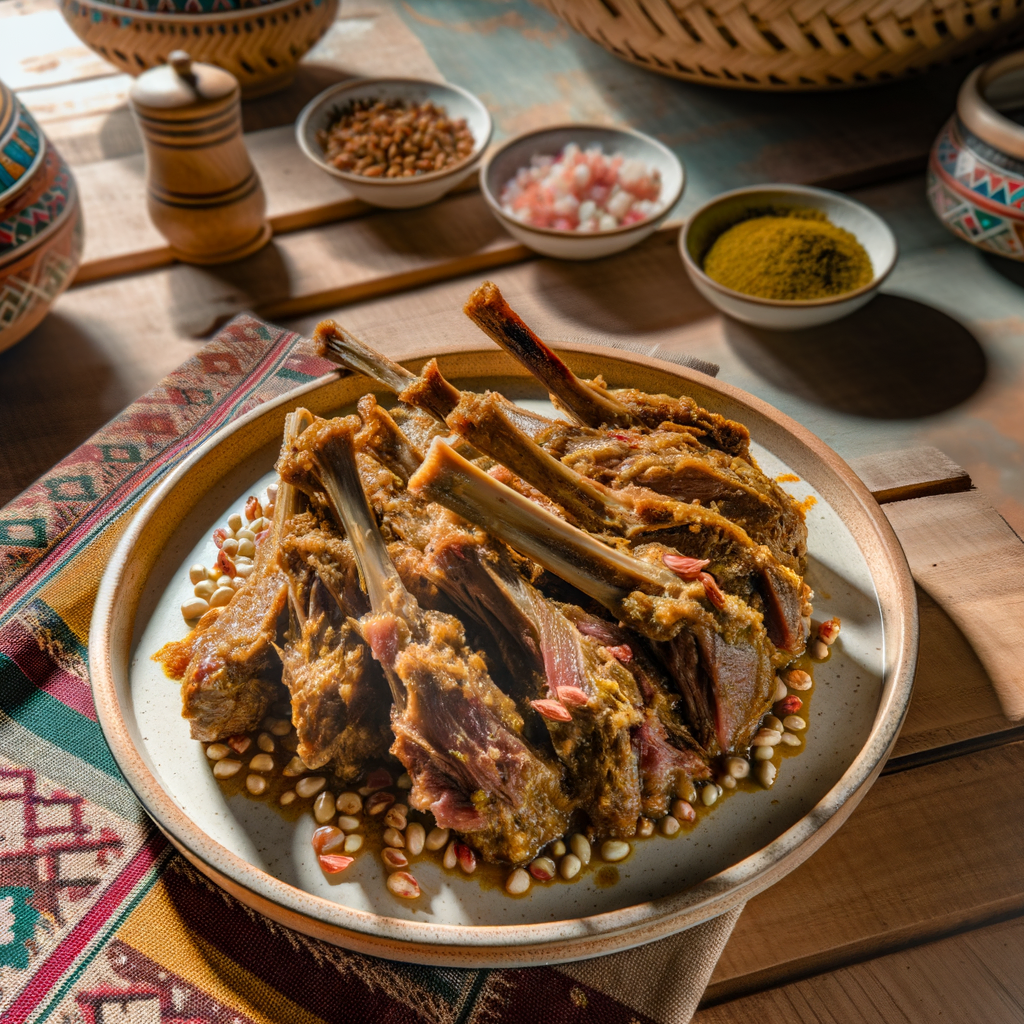
Shuwa
A traditional festive dish where marinated lamb is slowly cooked in an underground oven for up to 48 hours. The meat becomes tender and is filled with spices like cardamom, coriander, and garlic. Often served for Eid and large family events.
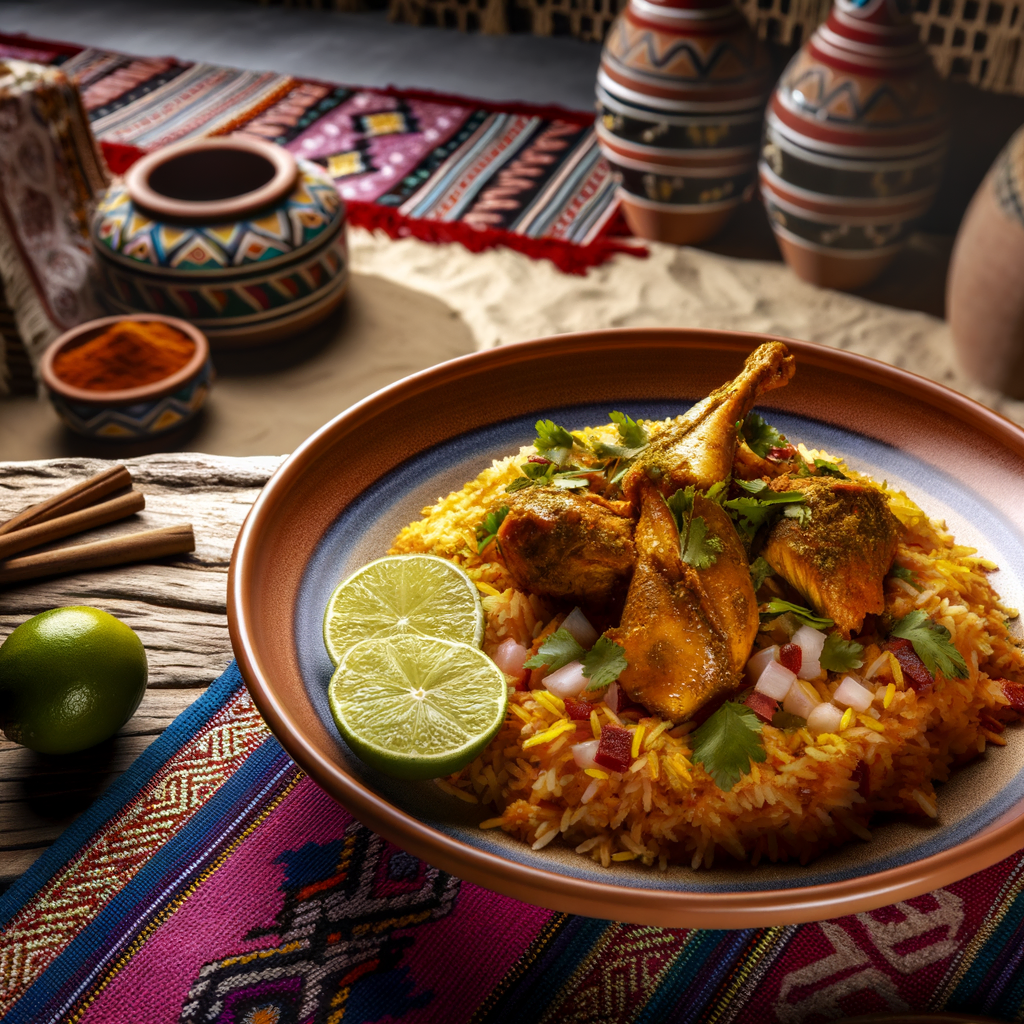
Majboos
A spiced rice dish with saffron, cinnamon, and dried limes, typically served with chicken or lamb. The dish is colorful and aromatic, and is one of the most popular everyday meals in Oman.
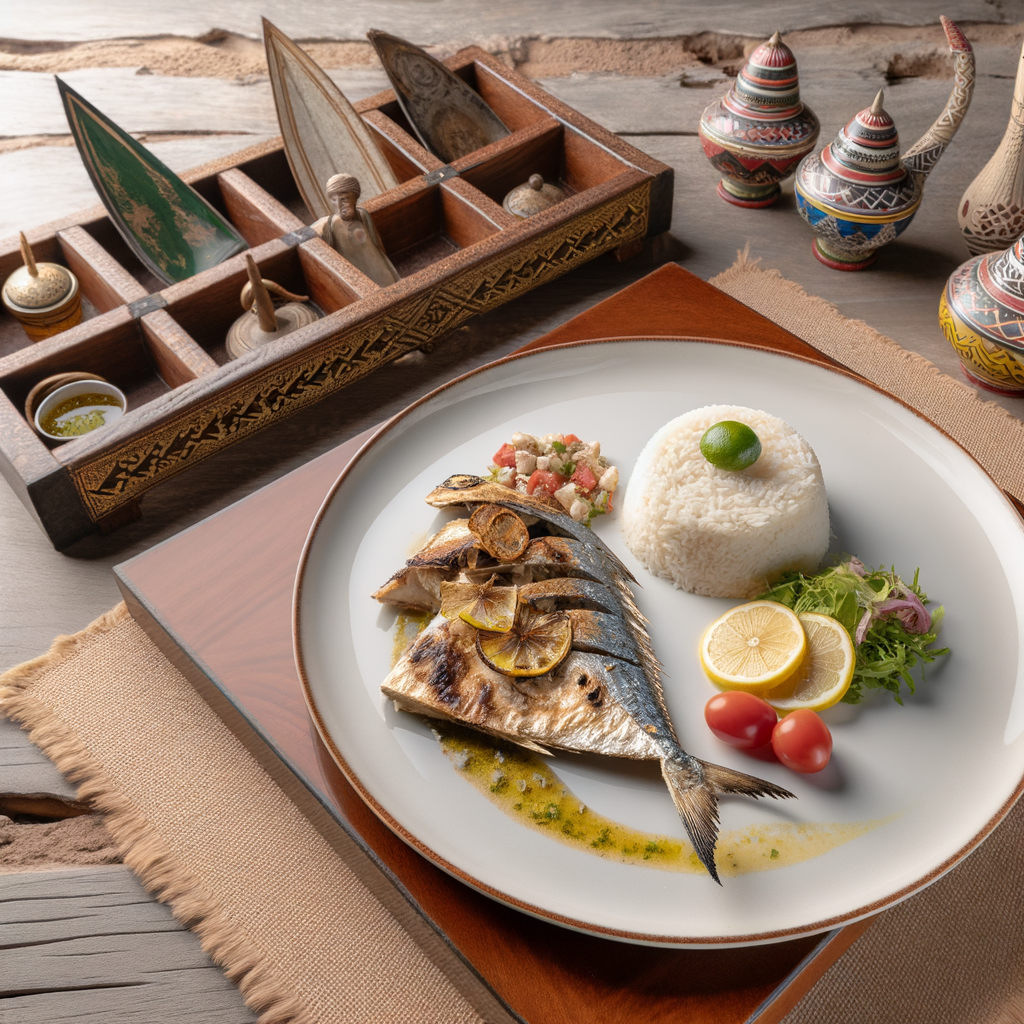
Mashuai
Grilled kingfish served with lemon sauce and rice. A specialty from the coastal areas that highlights Oman's maritime cultural heritage.
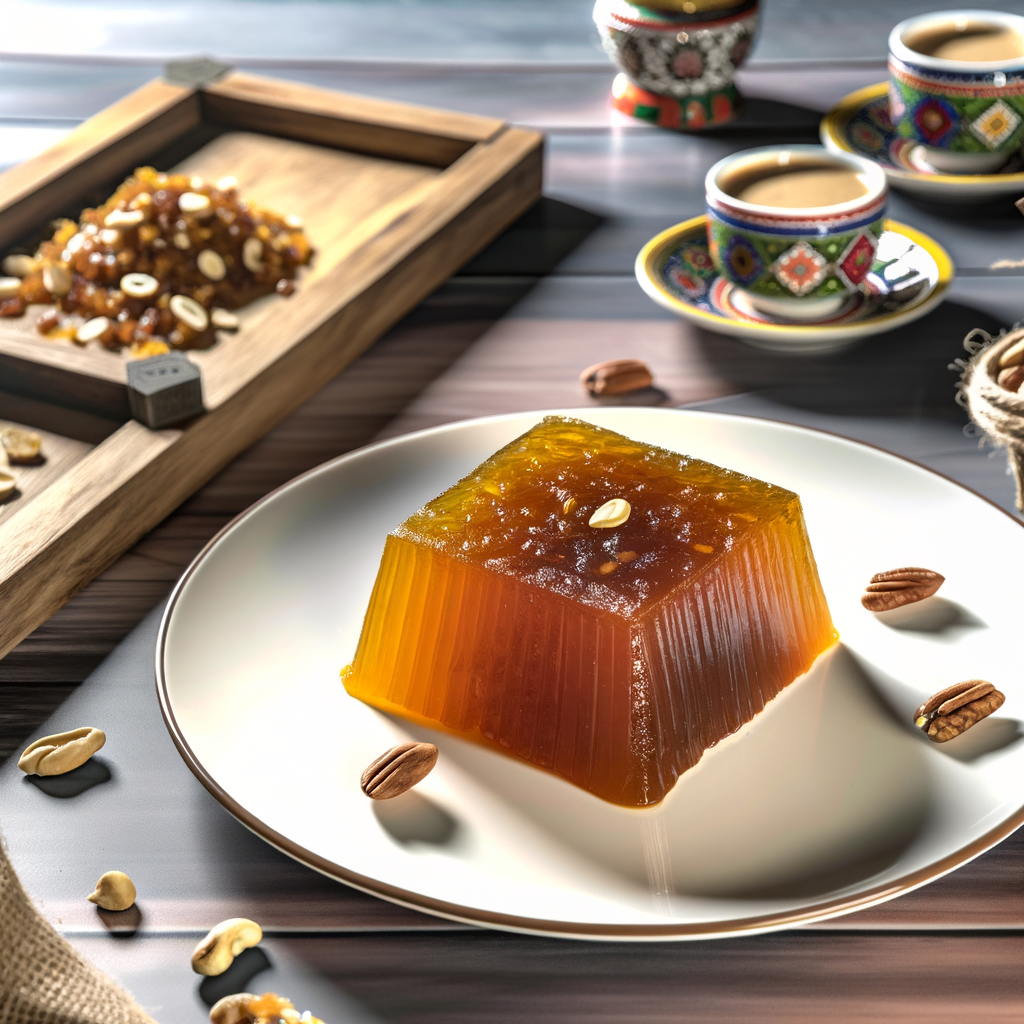
Halwa
A sweet dessert made of sugar, rosewater, saffron, and nuts. The consistency is jelly-like and it is often served on special occasions along with Omani coffee.
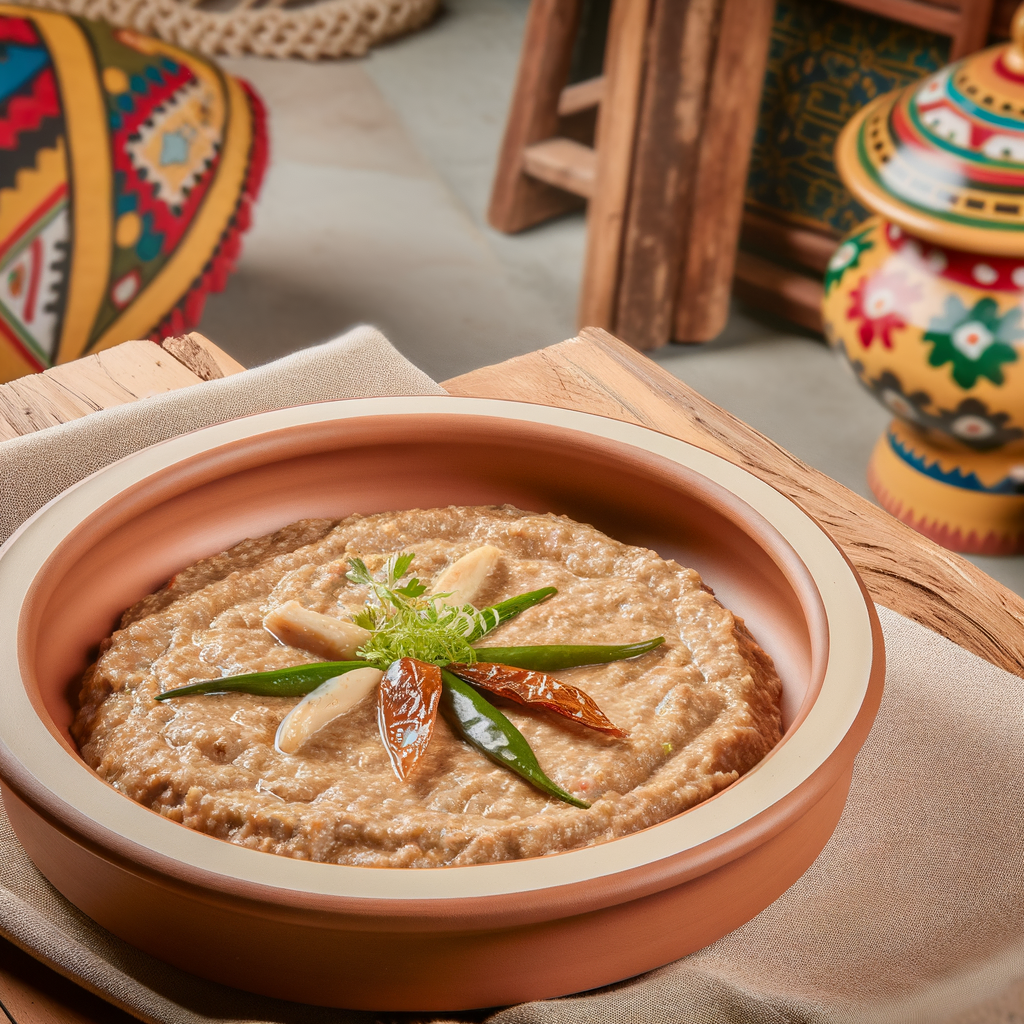
Harees
A traditional dish of crushed wheat and meat, slowly cooked to a creamy consistency. Especially eaten during Ramadan and at large family feasts.
Restaurant information
Tipping
Tipping is not mandatory in Oman, but it is appreciated. In restaurants, you can round up or give 5-10% of the bill if the service has been good. Small tips are also welcome at hotels and for guided tours.
Travel information
Currency
Omansk Rial (OMR)
Language
Arabic
Best time to visit
October to April
Major cities
Muscat and other major cities
More countries in Asia
Discover more destinations in this region