
Philippines
Discover the Philippines, a vibrant archipelago with over 7,000 islands where emerald-green rice terraces, pristine beaches, and warm, smiling locals create an unforgettable paradise in Southeast Asia.
Overview
The Philippines is a tropical paradise in Southeast Asia, offering an extraordinary blend of natural wonders, rich cultural heritage, and unparalleled hospitality. From the stunning emerald Banaue rice terraces and the pristine white beaches of Boracay and Palawan to UNESCO World Heritage sites like the historical town of Vigan and the breathtaking Puerto Princesa Underground River, this archipelago is a dream destination for adventurers and cultural enthusiasts alike. With vibrant jeepneys, bustling markets, and a delectable culinary scene showcasing dishes like adobo and halo-halo, the Philippines captivates with each experience. Whether you're seeking adventure, relaxation, or cultural immersion, the warm smiles and rich experiences of the Philippines are sure to leave a lasting impression.
Official language
Filippinsk (Tagalog) and English
Government
Presidential democracy
Best time to visit
November to April
Nature
The Philippines is a tropical paradise boasting over 7,000 islands, each offering its own breathtaking landscapes and vibrant wildlife. From the iconic Banaue rice terraces, often called the eighth wonder of the world with their emerald green fields clinging to mountain sides, to the stunning limestone cliffs and clear lagoons of Palawan, nature lovers will find endless opportunities for exploration. The pristine beaches of Boracay are renowned for their powdery white sand and turquoise waters, while Bohol's mysterious Chocolate Hills create a unique geological wonder. Dive into the underwater paradise of Tubbataha Reefs Natural Park, home to colorful corals and rich marine life. With a climate that’s best from November to April, visitors can indulge in outdoor adventures like hiking in the Cordillera mountains or island-hopping in the Visayas, making every trip a celebration of the Philippines' diverse natural beauty.
Travel to Philippines
Traveling to the Philippines is an adventure filled with exploration, relaxation, and cultural discovery. The ideal time to visit is from November to April when the weather is dry and perfect for beach activities, island-hopping, and outdoor adventures. International flights predominantly arrive in Manila and Cebu, offering easy connections to other islands via domestic flights, ferries, or boats. The country boasts a wide range of accommodations, from luxury resorts along Palawan's coastline to cozy guesthouses in mountain villages. Transportation itself is an experience, with the colorful jeepneys and traditional bangka boats adding a unique flavor to your journey. The Philippines is also a diver's haven, with world-class spots like Tubbataha Reefs and Apo Island. Whether you crave vibrant city life, tranquil beaches, trekking in lush mountains, or exciting cultural festivals, the Philippines presents a kaleidoscope of experiences that promise a uniquely memorable journey.
Culture
Filipino culture is a vibrant tapestry woven from indigenous traditions, Spanish colonial history, and modern influences. Known for their warm hospitality, the people greet visitors with smiles and open arms. Music and dance are integral to daily life, with traditional folk dances like tinikling and the contemporary pop scene coexisting seamlessly. Religion, particularly Catholicism, shapes many of the country's festivals, such as the lively Sinulog in Cebu and the colorful Ati-Atihan in Kalibo, where streets come alive with music, costumes, and dance. The culinary scene is a journey of its own, featuring famed dishes like adobo, sinigang, and lechon, reflecting local flavors and historical influences. Markets flourish with fresh fruits, spices, and street food, while handicrafts like weaving and woodworking display the skillful traditions of the artisans. With both Tagalog and English widely spoken, travelers will find it easy to connect with the locals in this vibrant society.
History
The history of the Philippines is a rich narrative of indigenous cultures and foreign influences. Before the Spanish colonization in the 1500s, the islands were home to diverse ethnic groups with their own languages and customs. The Spanish arrival introduced Christianity, which led to the construction of majestic churches and the establishment of cities like Manila and Vigan. For more than 300 years, the Philippines remained a Spanish colony until control changed hands to the United States in 1898 following the Spanish-American War. American rule brought English-language education and modern infrastructure to the islands. After a brief Japanese occupation during World War II, the Philippines achieved full independence in 1946. This complex history has forged a unique national identity where Eastern and Western traditions harmoniously coexist.
Top attractions
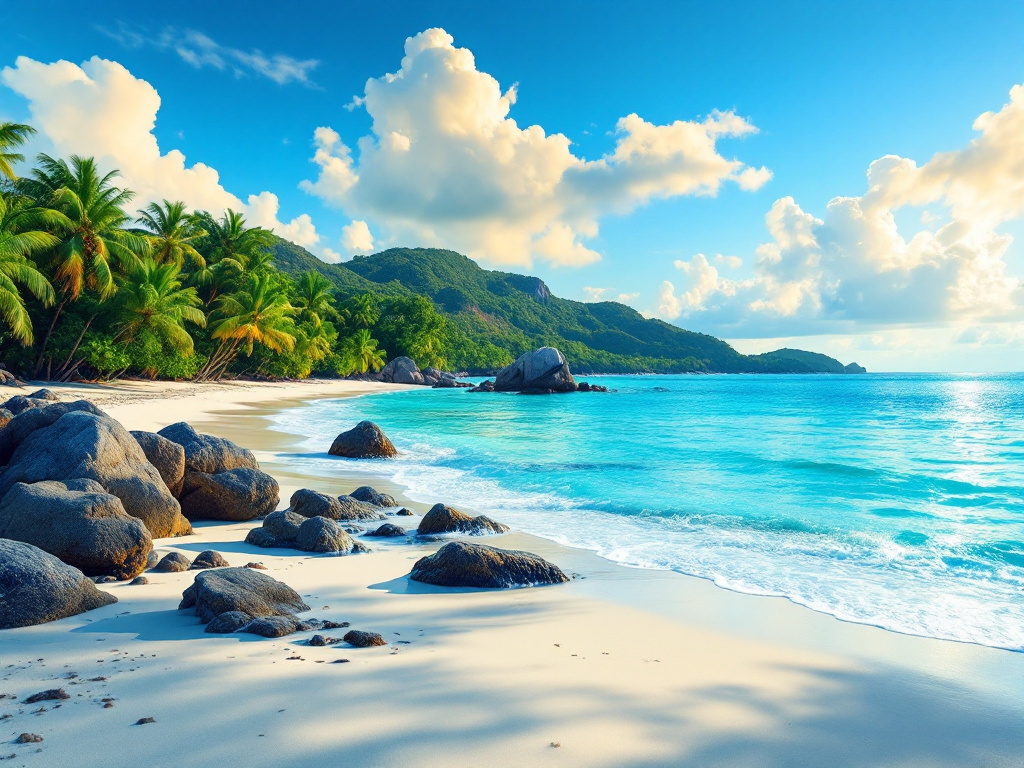
White Beach Boracay
One of Asia's most famous beaches known for its powdery soft sand, calm waters, and relaxed holiday atmosphere.
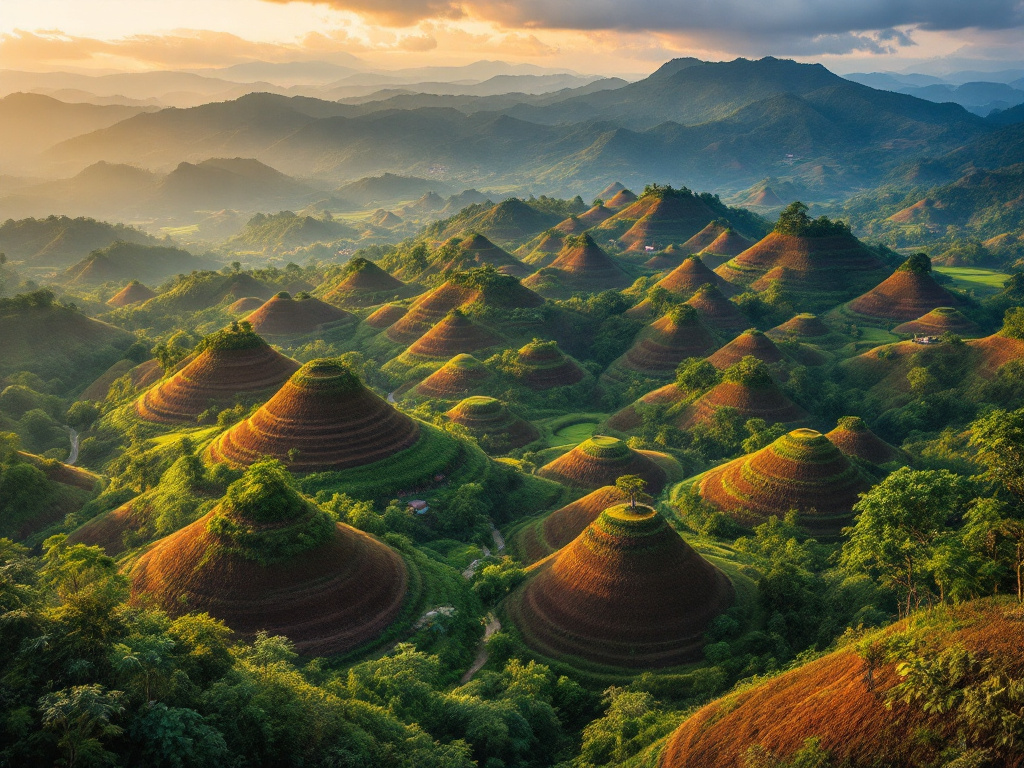
Chocolate Hills
An iconic landscape consisting of symmetrical limestone hills that turn chocolate brown in the dry season.
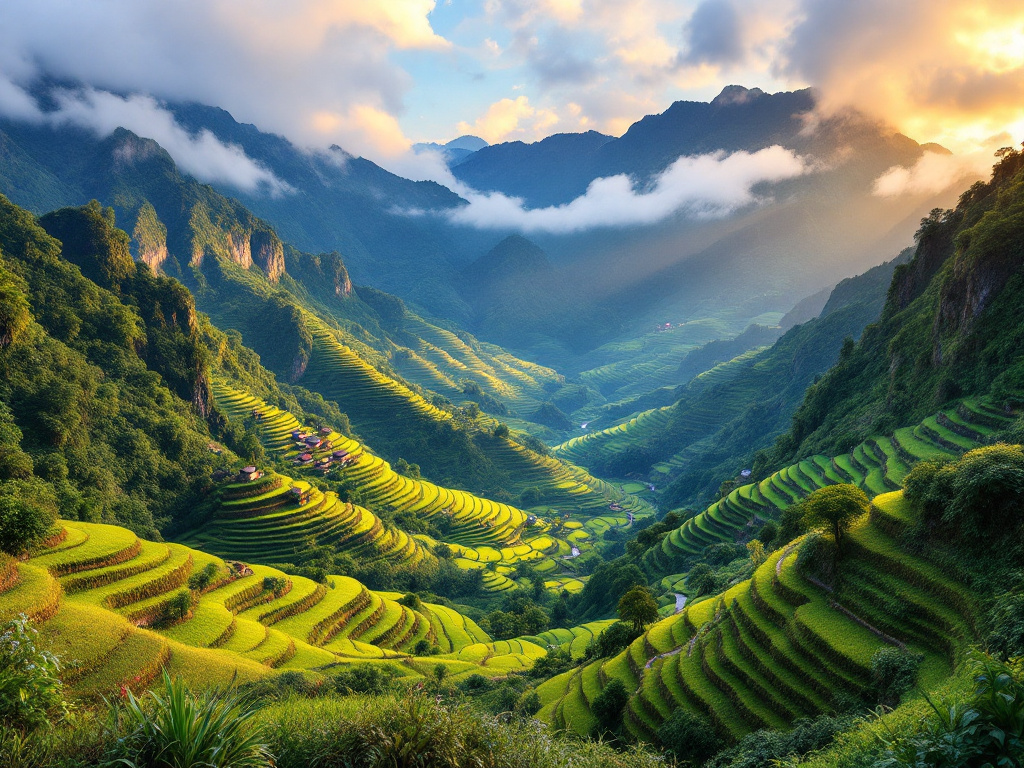
Banaue Rice Terraces
Impressive mountain terraces carved into the landscape and a symbol of the Philippines' indigenous cultural heritage.
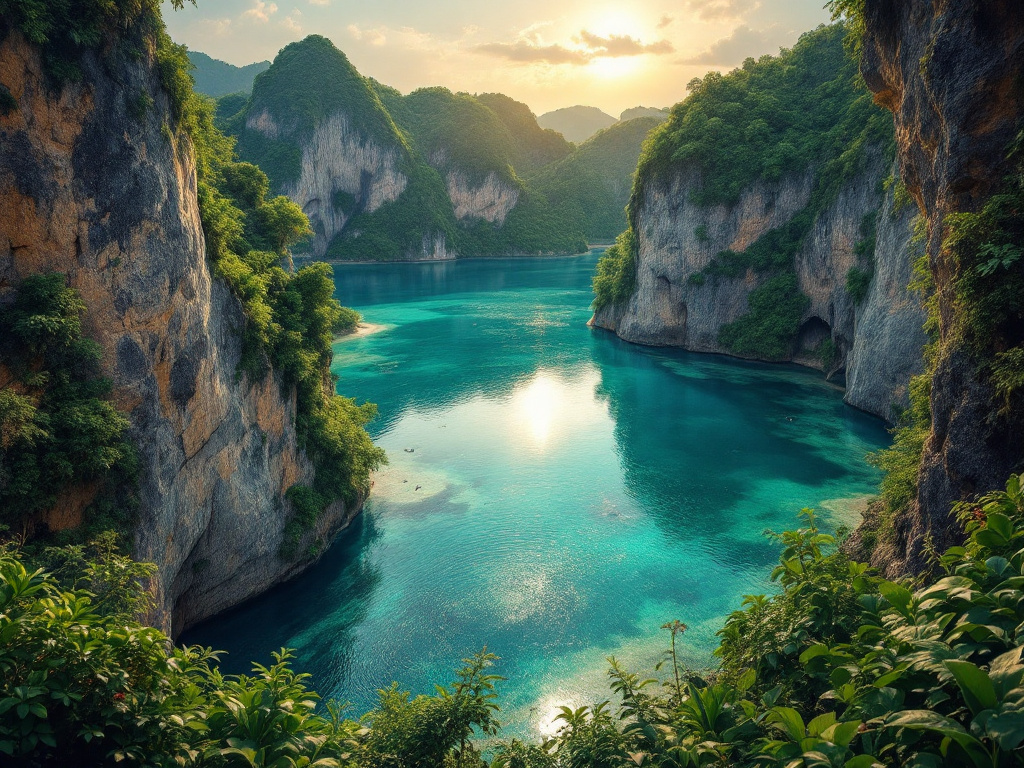
Puerto Princesa Underground River
A spectacular natural attraction where a river runs through a massive limestone cave directly to the sea.
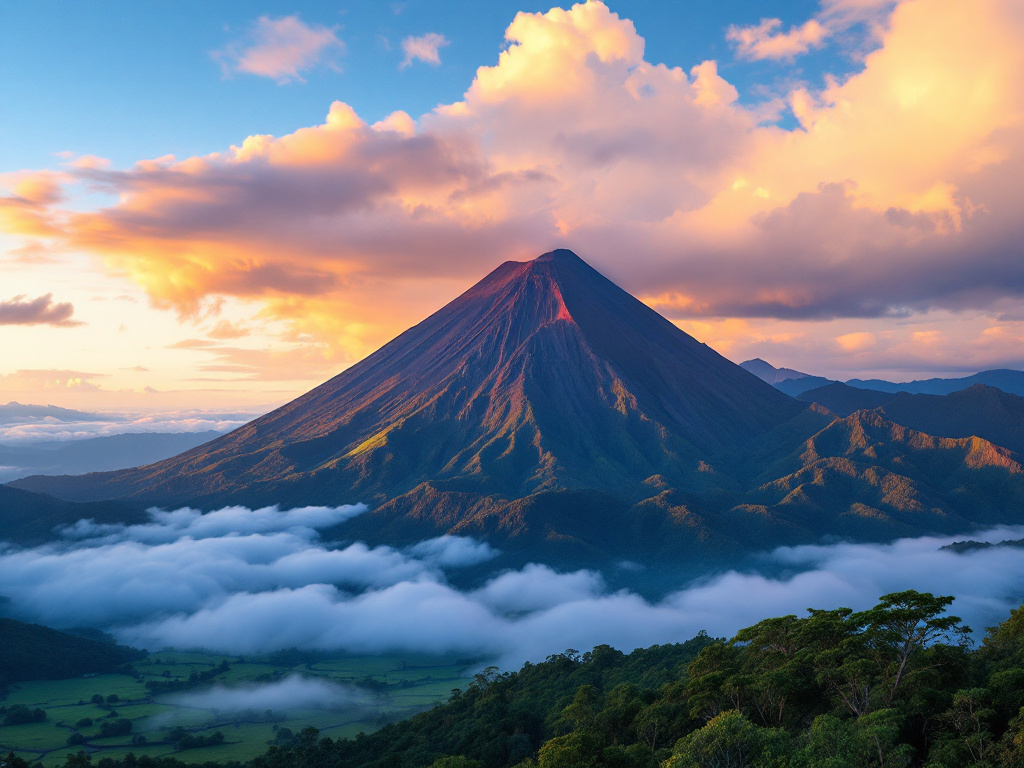
Mayon Volcano
An almost perfectly shaped active volcano that is an icon of the Bicol region and popular among photographers.
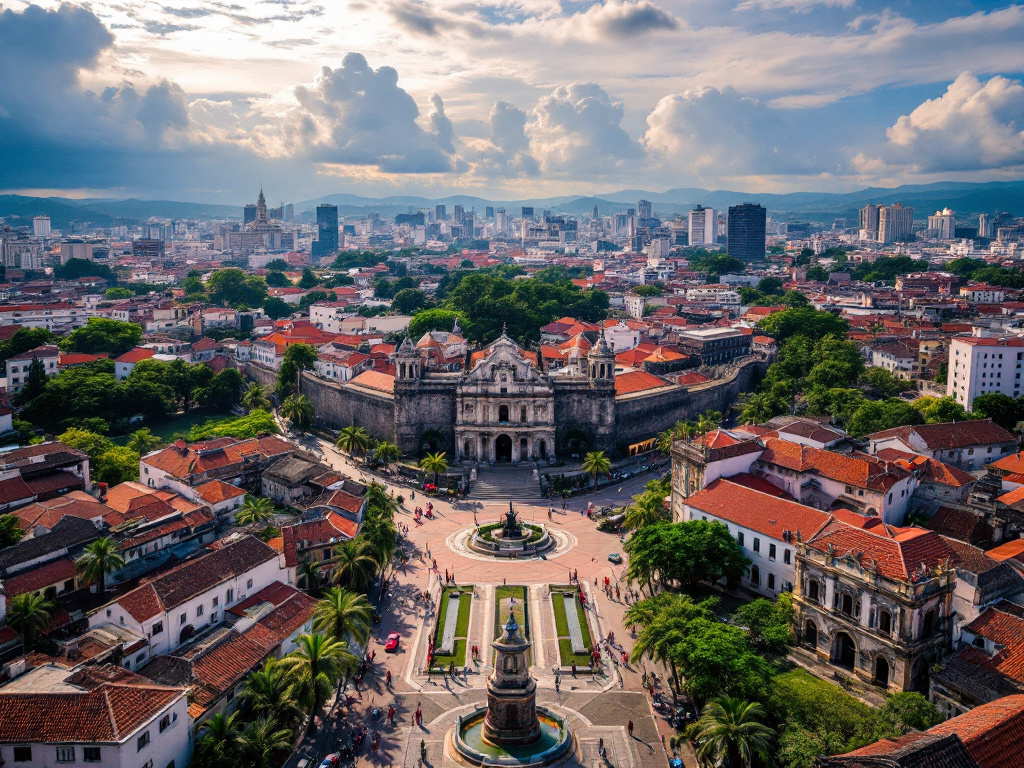
Intramuros
Manila's historical heart surrounded by walls, filled with Spanish colonial history and cultural landmarks.
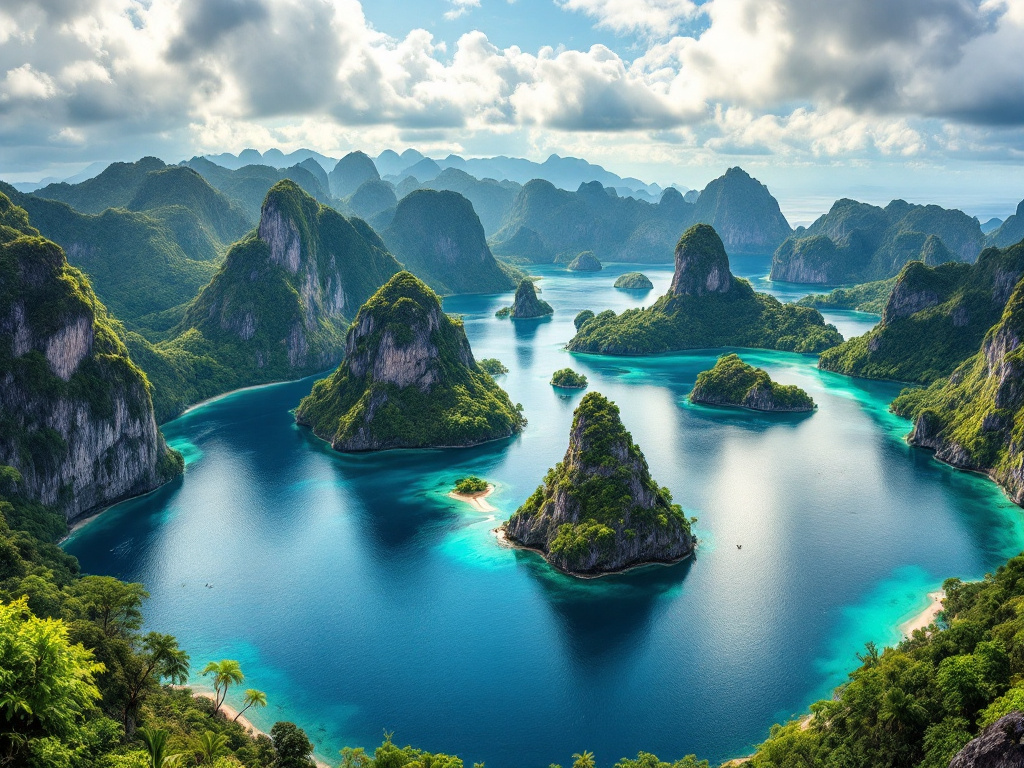
El Nido Lagoons
A spectacular area with hidden lagoons surrounded by dramatic limestone cliffs in Palawan.
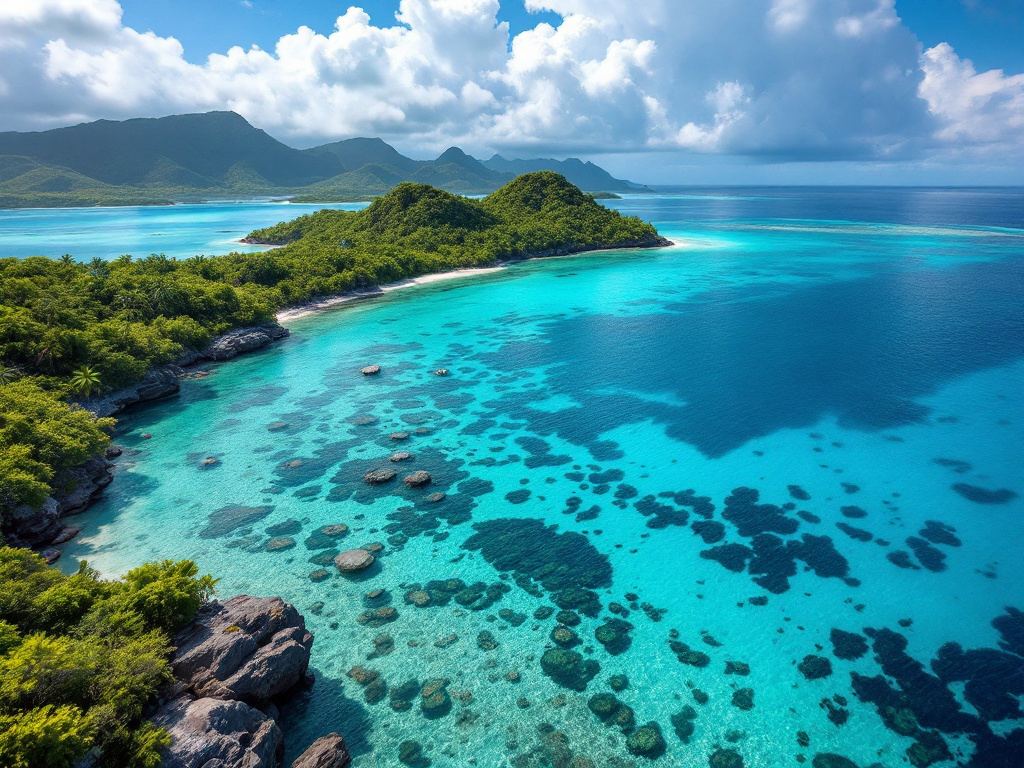
Tubbataha Reef
One of the best-preserved coral reefs in the world, known for its biodiversity and crystal-clear waters.
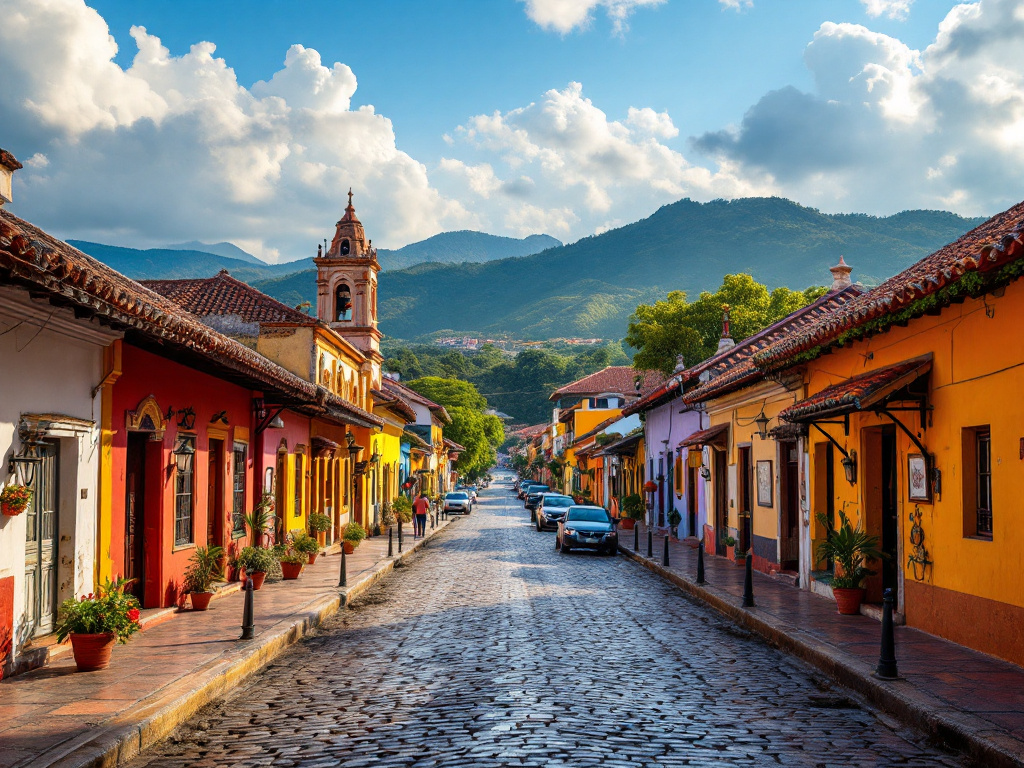
Vigan
A charming historic city with well-preserved Spanish colonial buildings and cobbled streets.
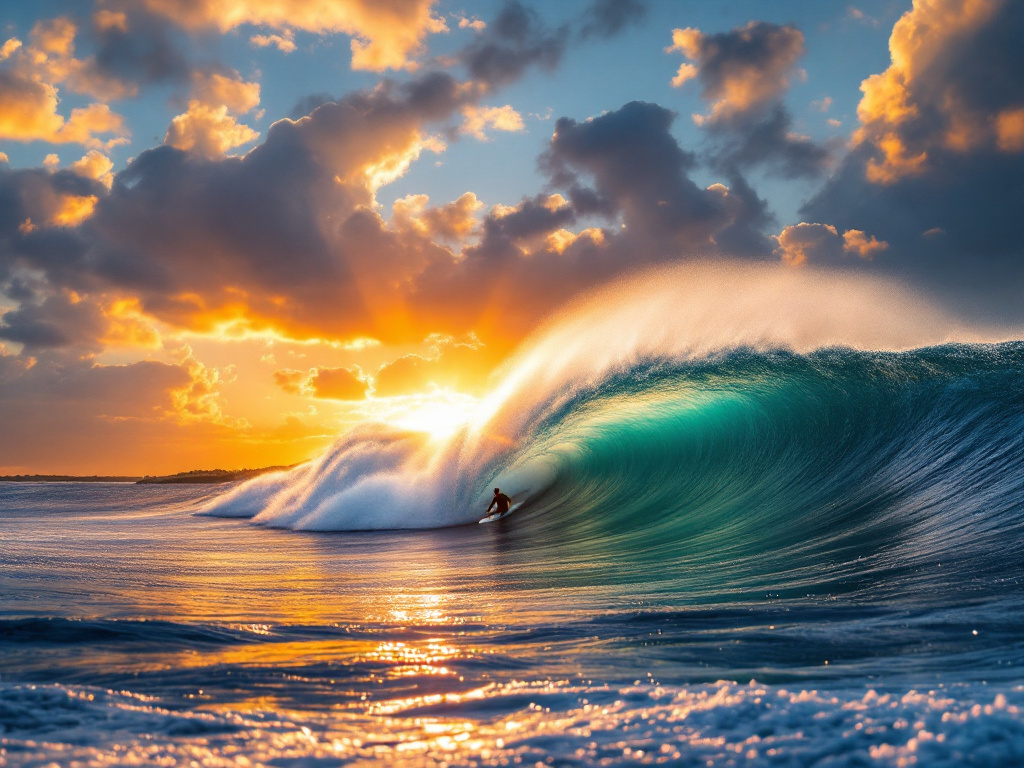
Cloud 9 Siargao
The Philippines' most famous surf spot, known for powerful waves and a lively international surf culture.
Famous cuisine
Culinary overview
Filipino cuisine is a melting pot of flavors, shaped by indigenous traditions and influences from Spain, China, the USA, and other Asian neighbors. The food is known for its balance of sweet, sour, and salty, often utilizing vinegar, soy sauce, and tropical fruits. The street food scene is vibrant, with everything from grilled skewers to sweet desserts, while the markets are filled with fresh fish, exotic fruits, and local specialties. Meals are often social events where family and friends gather around large platters of shared dishes.
Must-try dishes
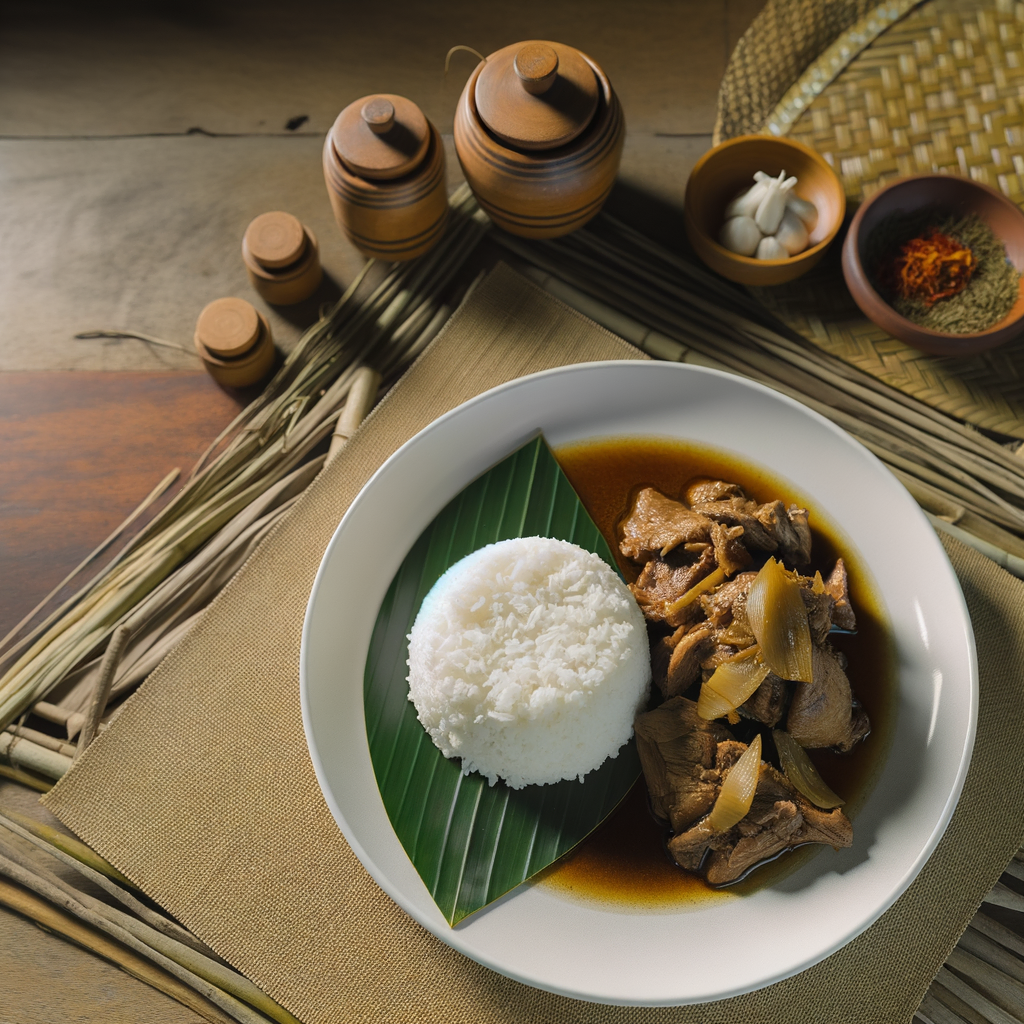
Adobo
The national dish of the Philippines, where meat (often chicken or pork) is marinated in vinegar, soy sauce, garlic, and spices, then simmered until tender. Typically served with steamed rice.
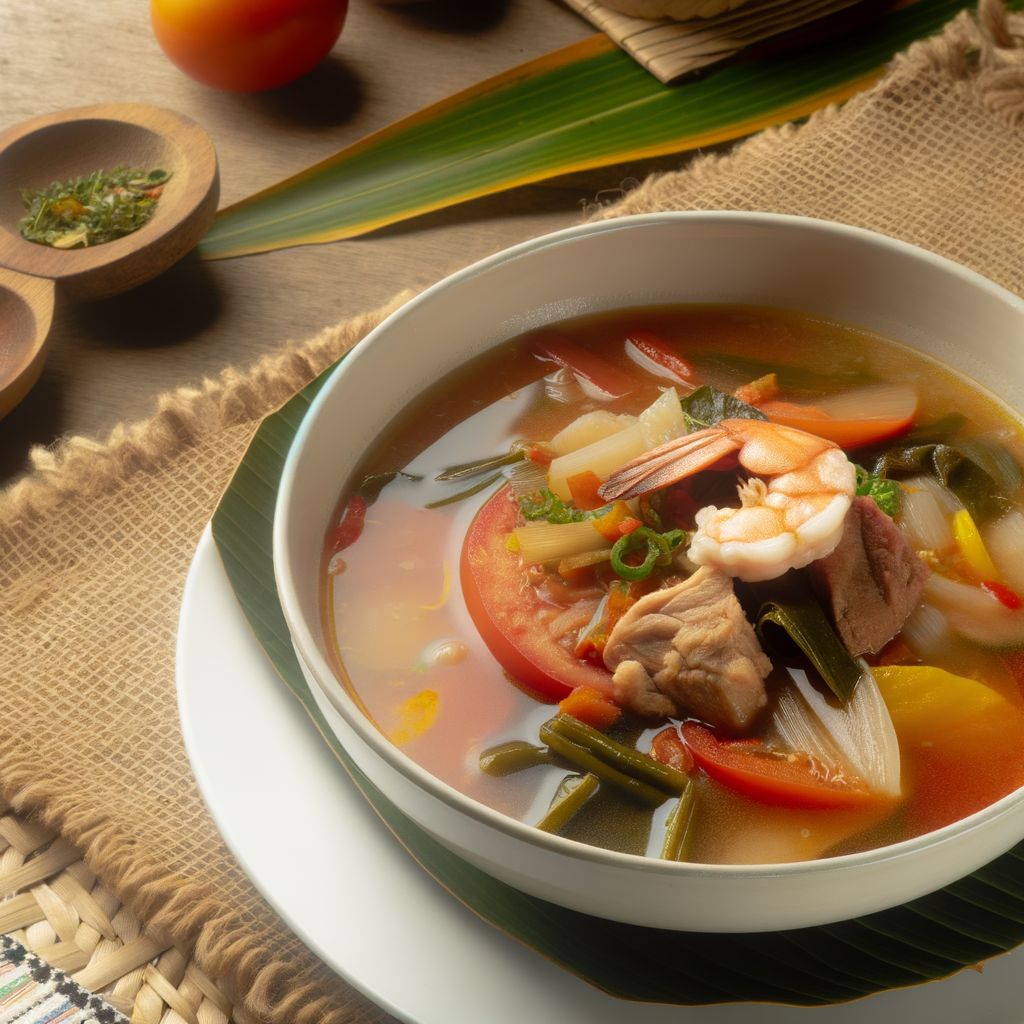
Sinigang
A sour soup made with tamarind, tomatoes, and vegetables, often with pork, shrimp, or fish. Known for its refreshing and appetite-whetting flavor.
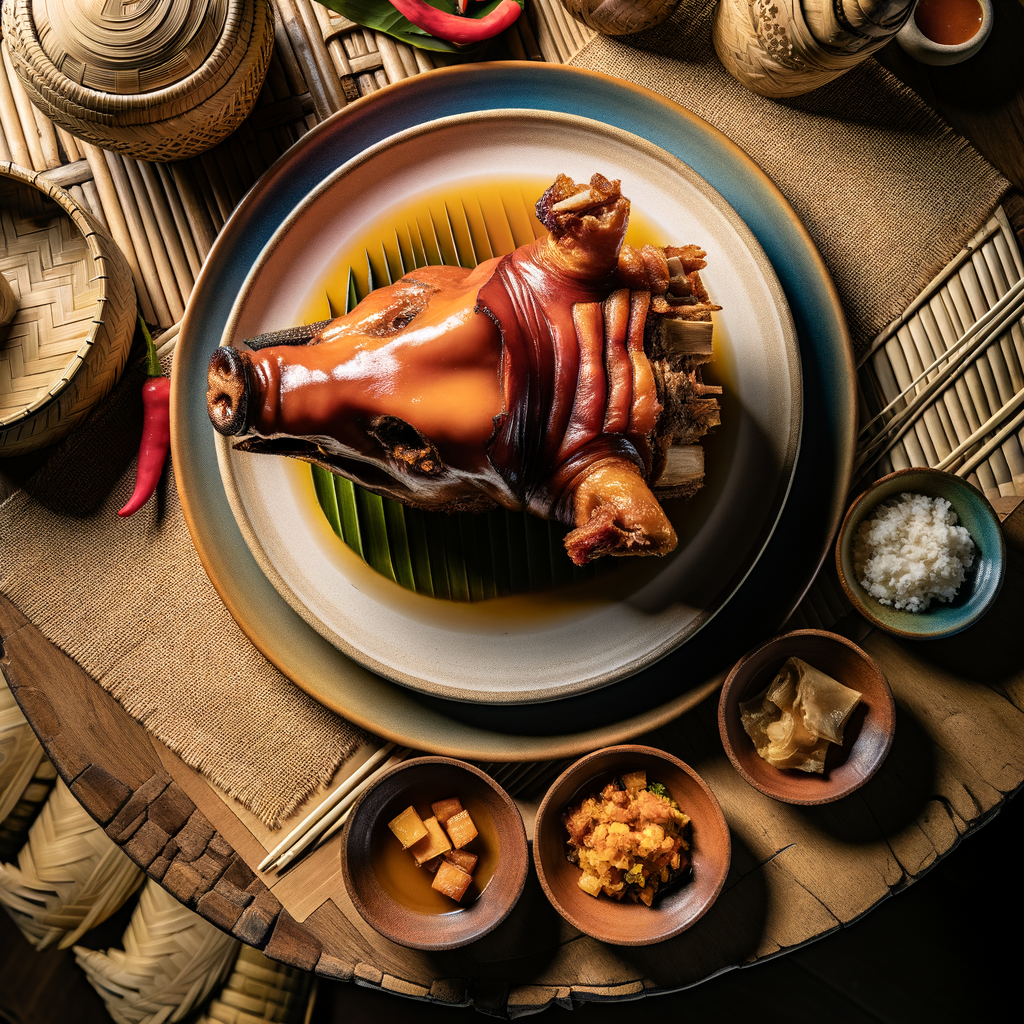
Lechon
Whole roasted pig with crispy skin and juicy meat, often served on festive occasions. Considered one of the most iconic festive dishes in the country.
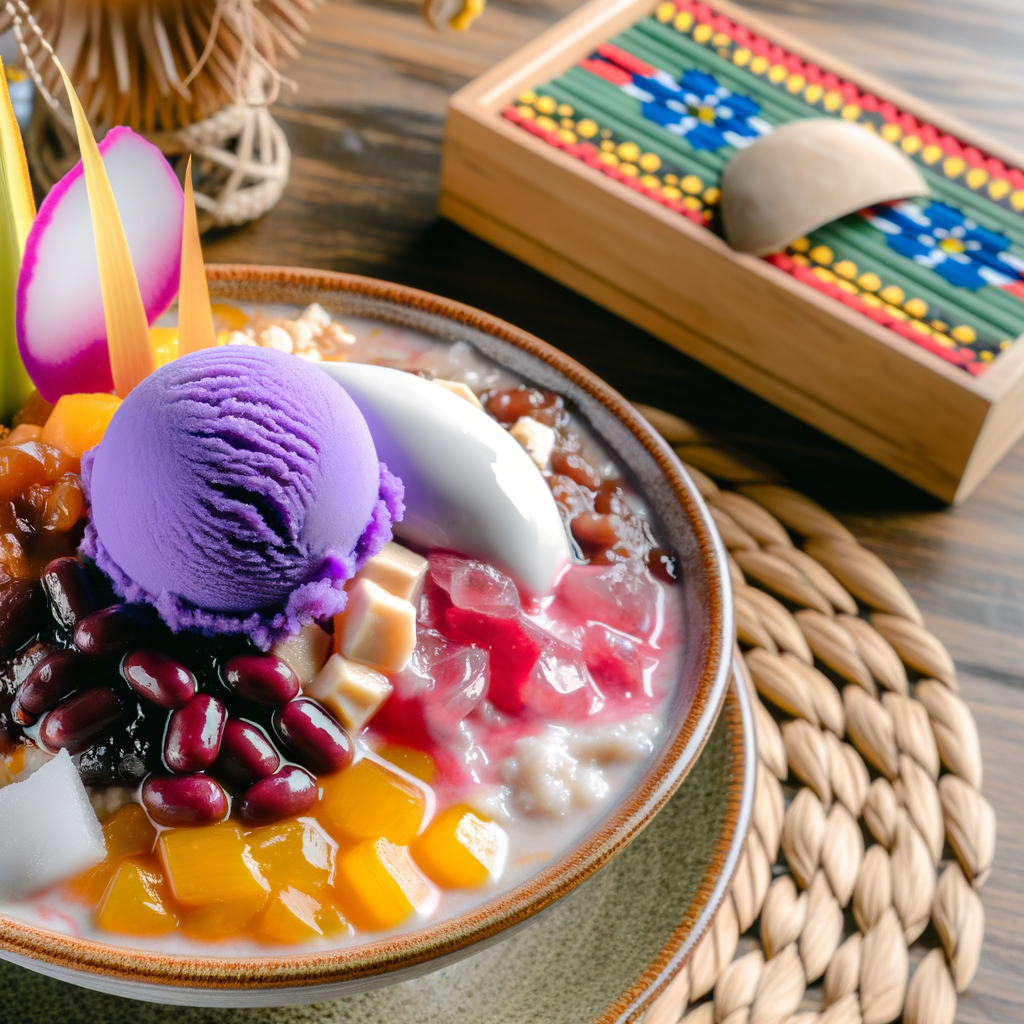
Halo-Halo
A colorful dessert with crushed ice, sweet beans, jelly, fruit, condensed milk, and often topped with ice cream. Perfect for cooling down in the tropical climate.
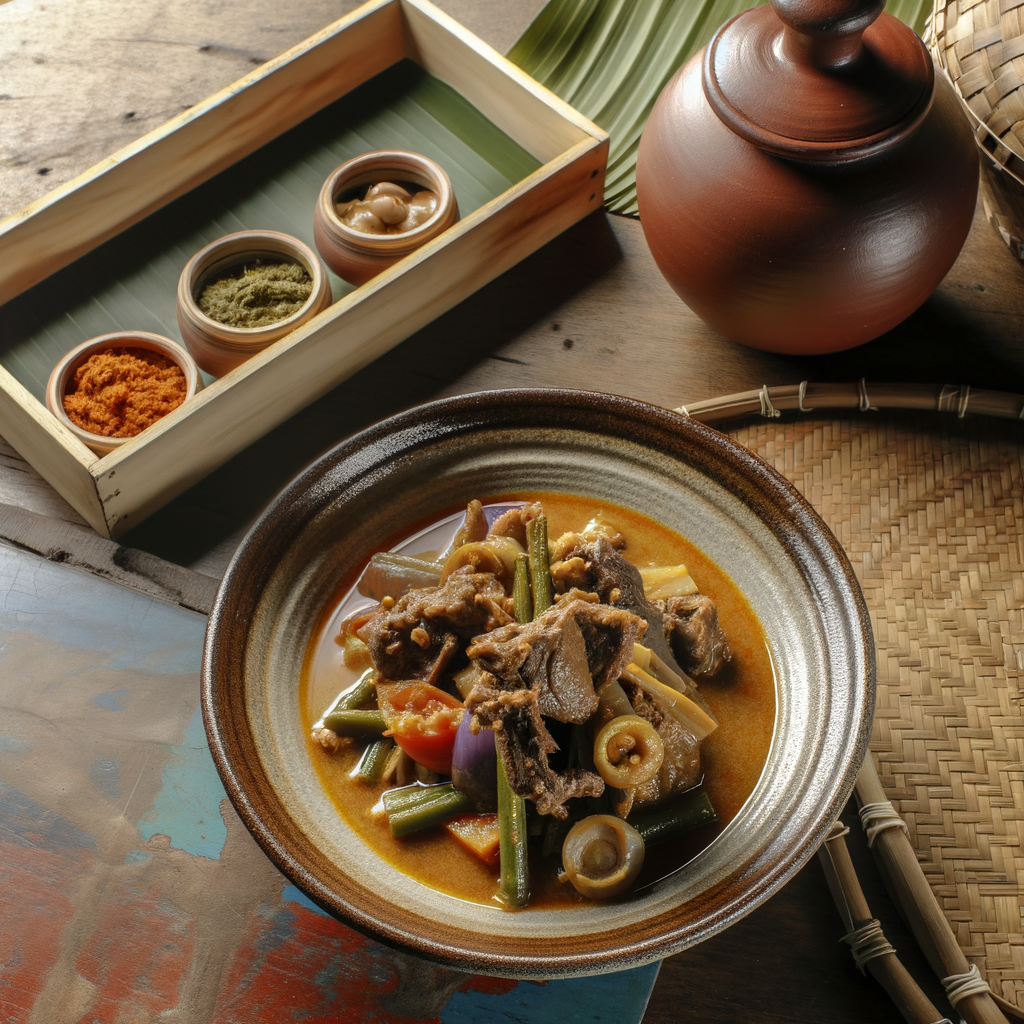
Kare-Kare
A creamy stew with oxtail or beef, vegetables, and peanut sauce, often served with bagoong (fermented shrimp paste) for added flavor.
Restaurant information
Tipping
Tipping is not mandatory in the Philippines, but appreciated. In restaurants, it is common to give 5-10% of the bill if a service charge is not already included.
Travel information
Currency
Filippinsk peso (₱)
Language
Filippinsk (Tagalog) and English
Best time to visit
November to April
Major cities
Manila and other major cities
More countries in Asia
Discover more destinations in this region