
Palestinian Territories
Palestinian Territories: A land with ancient history and an unyielding spirit, where sunlit landscapes meet sacred sites and lively traditions amidst ongoing challenges.
Overview
The Palestinian Territories present a distinctive travel experience where millennia of history, sacred sites, and vibrant culture intertwine. Stroll through the streets of Bethlehem to marvel at the iconic Church of the Nativity, explore the ancient souks and the Tomb of the Patriarchs in Hebron, or visit Jericho, acclaimed as the world’s oldest city. The landscape ranges from sun-kissed hills and olive groves to the glimmering salt waters of the Dead Sea and the shores of Gaza. With a welcoming populace, rich culinary traditions, and a profound spiritual heritage, this destination touches both heart and mind.
Official language
Arabic
Government
Delvist anerkendt stat med selvstyre
Best time to visit
March-May and September-November
Nature
The Palestinian Territories boast an astonishing array of natural beauty that contrasts dramatically across its landscapes. On the West Bank, rolling hills are adorned with ancient olive and almond groves, cherished for centuries. To the east, the Dead Sea presents one of the world's most extraordinary natural wonders, where you can effortlessly float in its hyper-saline waters, framed by stunning desert cliffs. The Jericho area is a verdant oasis amid the arid landscape, flourishing with date palms and citrus fruit, while the Gaza Strip features a picturesque coastline with sandy beaches bordering the Mediterranean, where fishing remains integral to local life. A varied climate ranges from Mediterranean conditions in the west to a drier desert landscape in the east, creating a unique mosaic of ecosystems. Spring and autumn showcase nature's splendor as flowers bloom and temperatures are pleasantly mild, making this region a captivating destination for nature enthusiasts.
Travel to Palestinian Territories
Traveling to the Palestinian Territories is a journey into the heart of history and faith. Spring and autumn are ideal times to visit, with mild weather and landscapes in full bloom. Adventurous travelers can easily combine visits to iconic sites such as Bethlehem, Hebron, and Jericho with nature experiences at the Dead Sea or relaxation on the beaches of Gaza. The vibrant markets offer colorful spices, handicrafts, and local delicacies, while small cafes serve robust Arabic coffee. Transportation options vary, but guided tours often provide the best insights into the area’s history and culture. The security situation may change, so it's advisable to stay updated through official travel advisories. Whether you seek spiritual enrichment, historical exploration, or authentic interactions with locals, a trip here promises unforgettable memories.
Culture
The culture of the Palestinian Territories is deeply rooted in traditions, religion, and a vibrant sense of community. Cities like Bethlehem, Hebron, and Ramallah buzz with life, filled with bustling markets, cozy cafes, and artisan shops where you can discover everything from embroidered textiles to hand-painted ceramics. Palestinian culinary traditions are a cornerstone of daily life, with dishes such as musakhan (chicken with onions and sumac on flatbread), maqluba (upside-down rice pot with vegetables and meat), hummus, and fresh falafel regularly gracing family tables. Music and dance, especially the traditional dabke, are significant at festive occasions. Religion plays a crucial role in cultural identity, with sacred sites cherished by Christians, Muslims, and Jews alike. Hospitality is a deeply ingrained value, where visitors are often welcomed with tea or coffee and warm smiles, while the arts thrive, with numerous artists, poets, and musicians expressing both pride and hope through their works.
History
The history of the Palestinian Territories spans thousands of years, intricately connected to the evolution of world religions. Jericho is recognized as the oldest continuously inhabited city in the world, showcasing archaeological treasures from prehistoric times. Bethlehem, mentioned in the Bible as the birthplace of Jesus, has been attracting pilgrims since the 2nd century, with the Church of the Nativity standing as a testament to its enduring significance. Hebron is home to the Tomb of the Patriarchs, a sacred site for Jews, Christians, and Muslims. The area has witnessed rule from numerous empires—from the Canaanites and Romans to the Ottomans—leaving a rich tapestry of architecture and a profound cultural legacy. In modern times, the region faces political challenges, yet its people have remained steadfast in preserving their traditions and cultural identity.
Top attractions
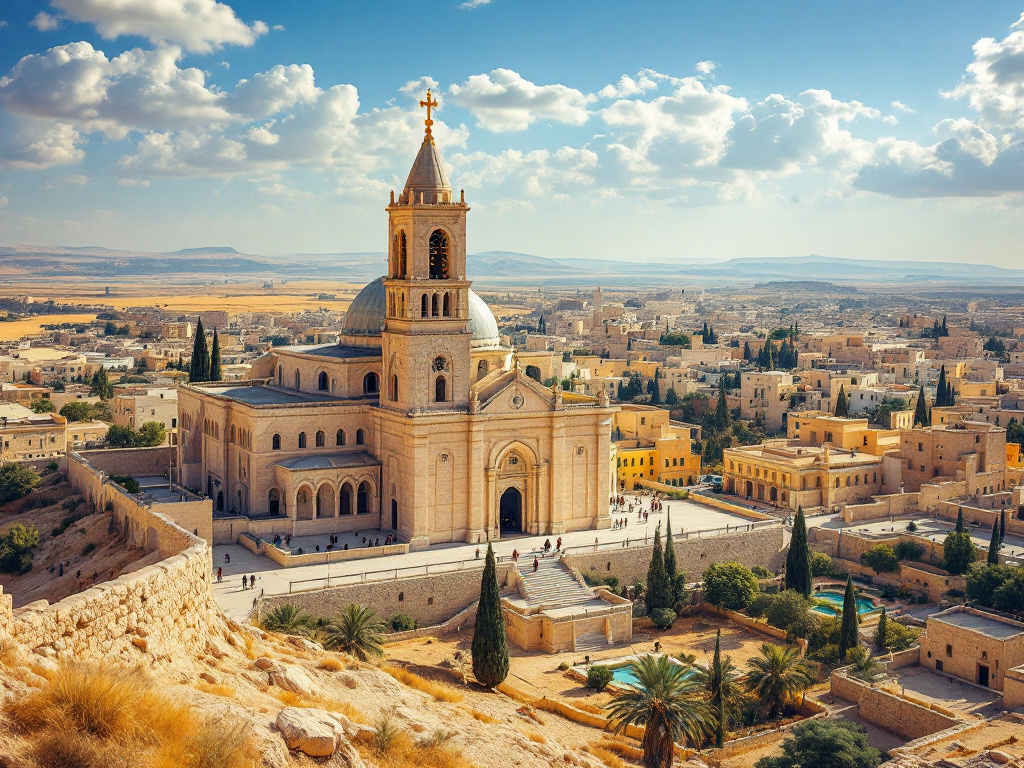
Church of the Nativity in Bethlehem
One of Christianity's holiest churches, built over the site where Jesus is believed to have been born.
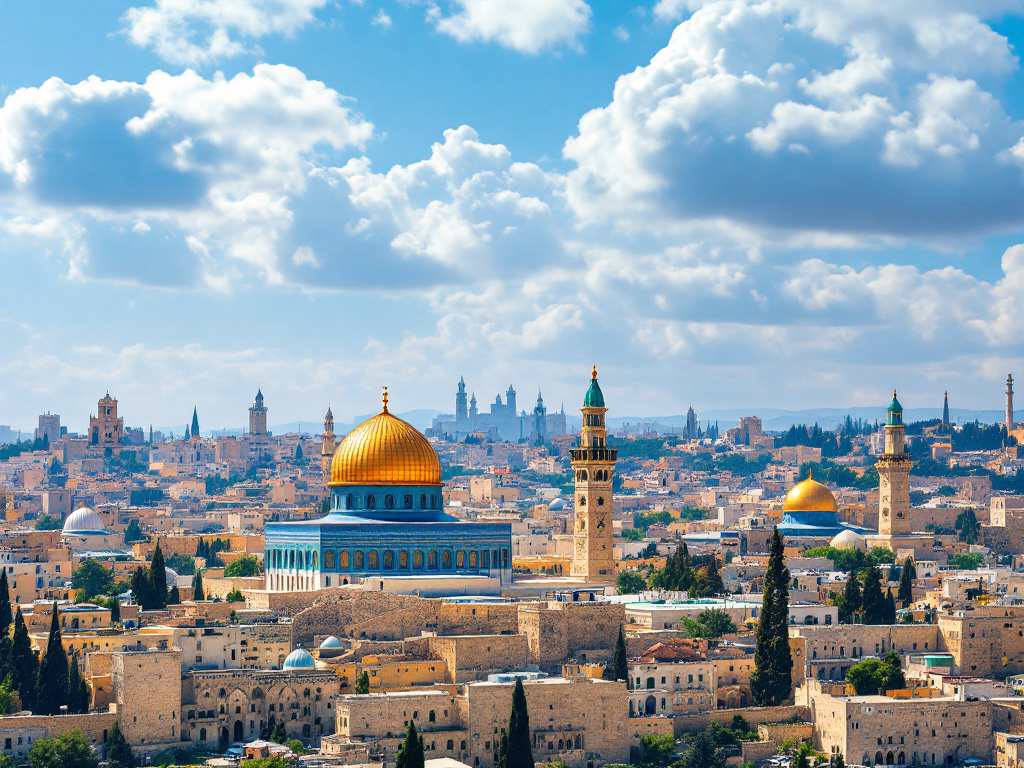
Al-Aqsa Mosque
A central sanctuary for Muslims located on Haram al-Sharif in Jerusalem.
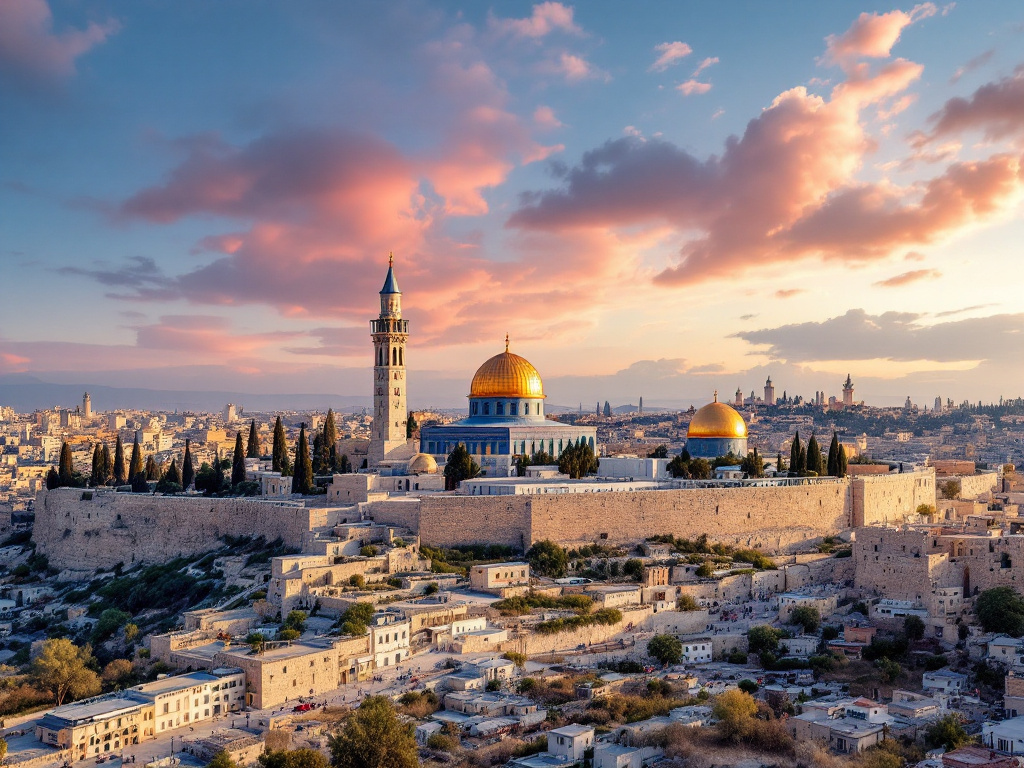
Dome of the Rock
An iconic Islamic monument and one of Jerusalem's most recognizable landmarks.
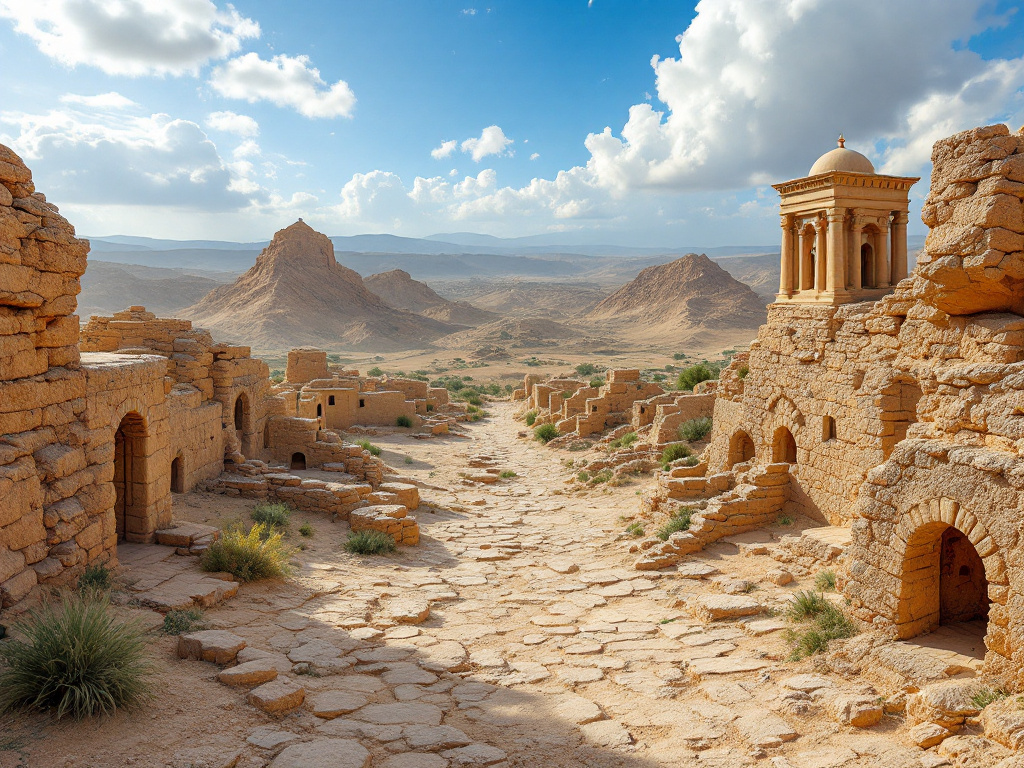
Tell es-Sultan in Jericho
An important archaeological site that bears witness to early human settlement.
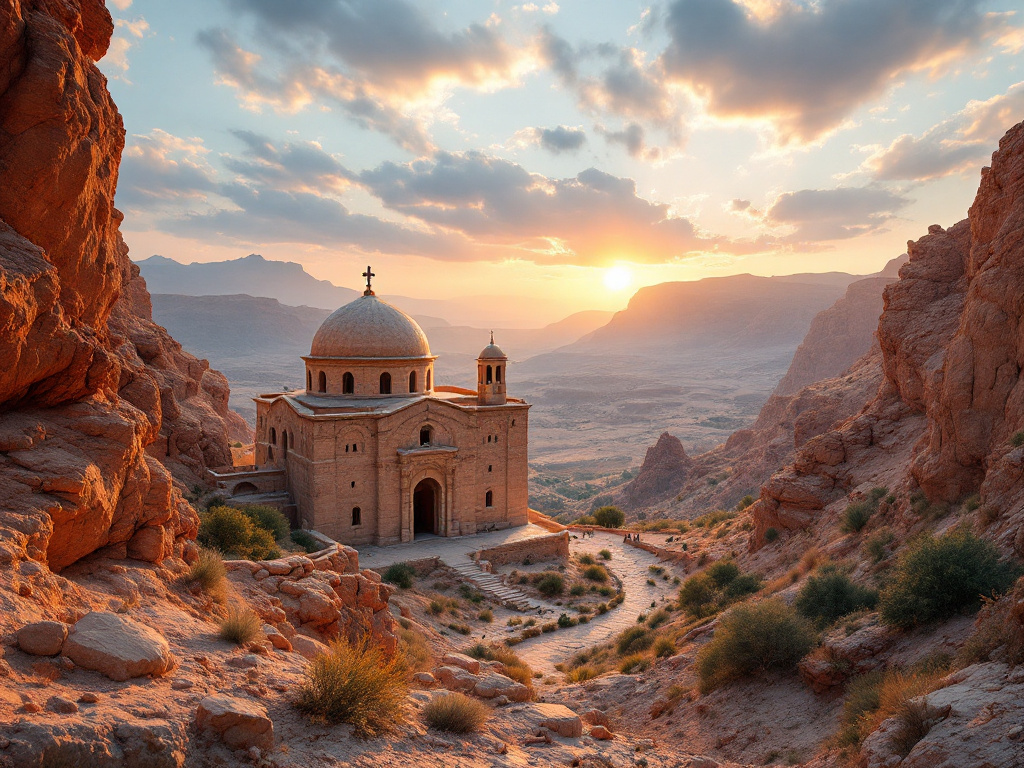
St. George's Monastery in Wadi Qelt
A spectacular monastery dramatically situated in the Wadi Qelt gorge.
Yasser Arafat Museum
A modern museum dedicated to Palestine's recent political history.
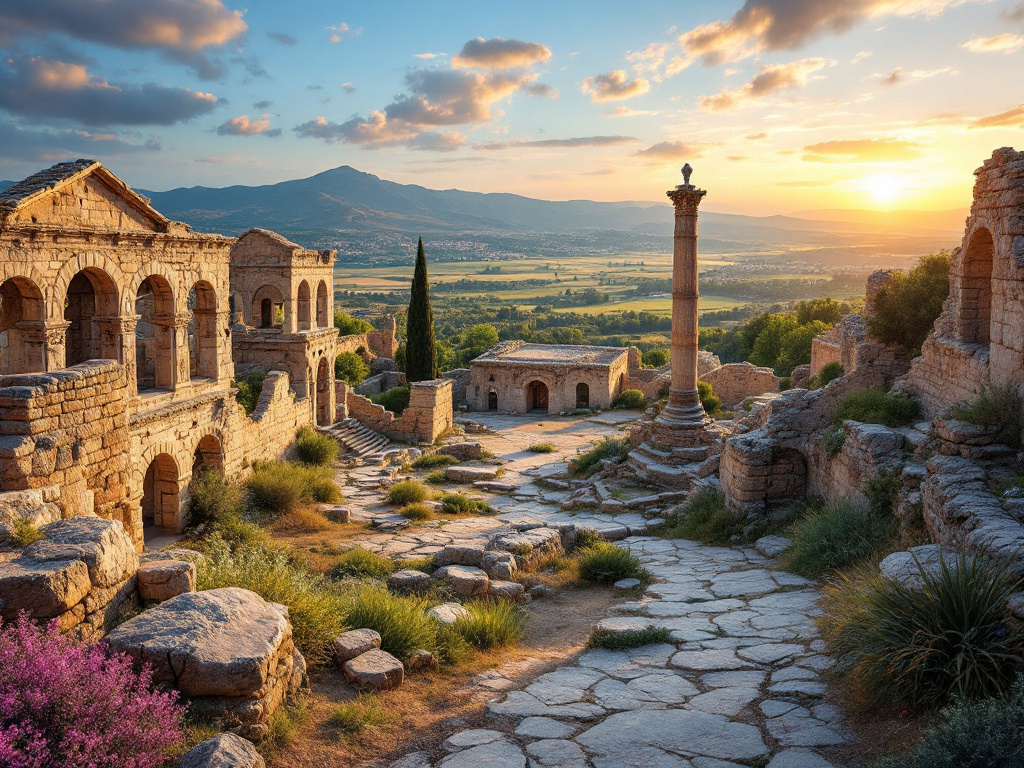
Sabastiya Archaeological Park
A historic area with Roman and Byzantine ruins.
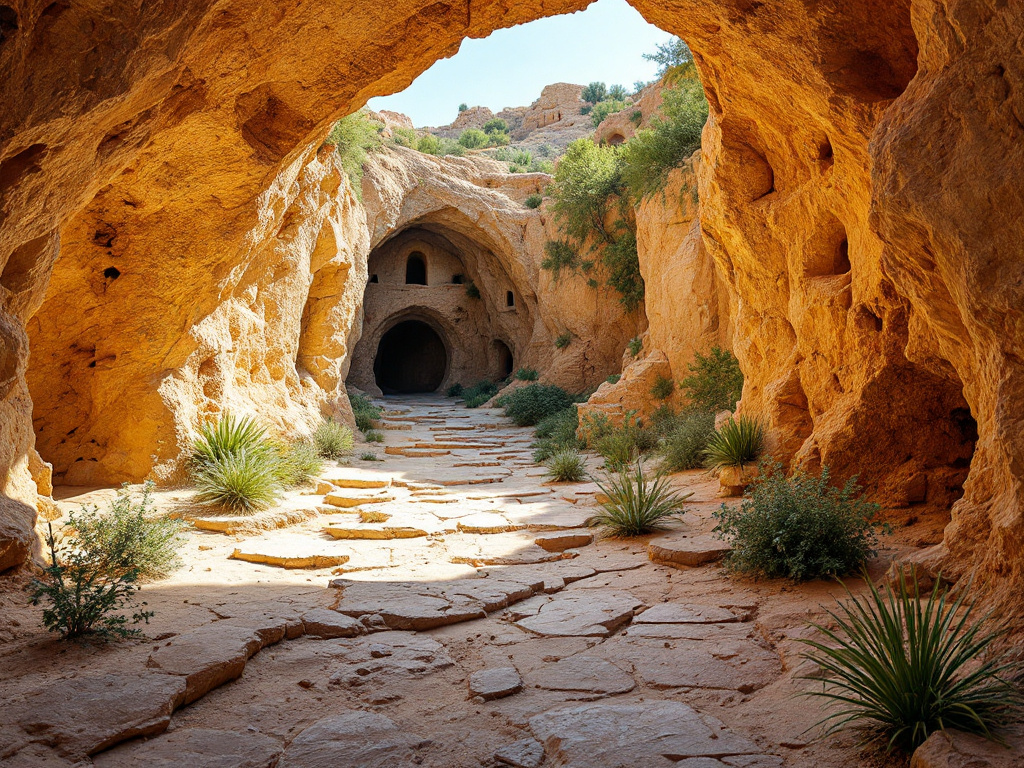
Milk Grotto
A Christian holy cave with strong symbolic significance.
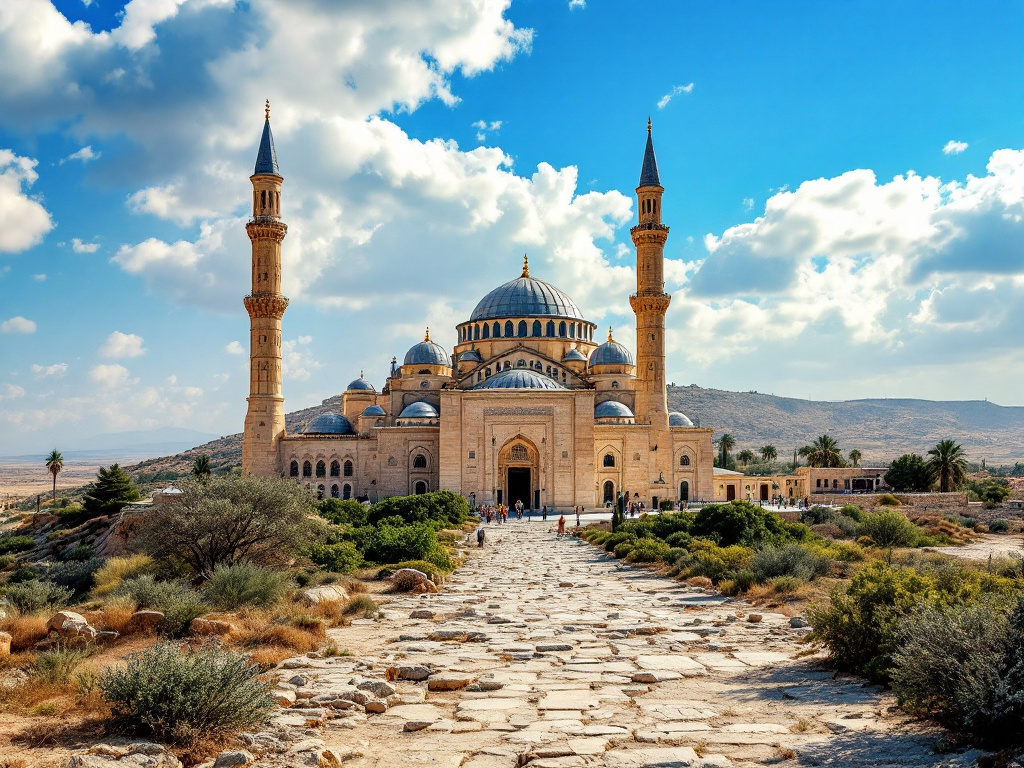
Ibrahimi Mosque
An important religious site with great historical and spiritual significance.
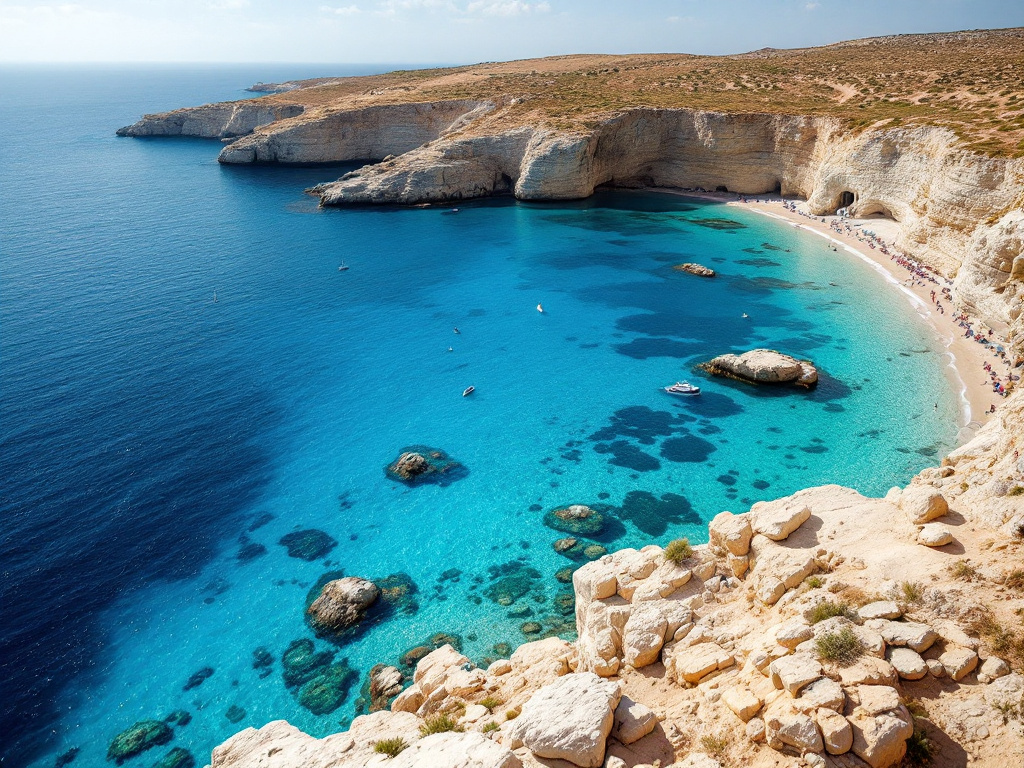
Dead Sea Palestinian Coast
The lowest point on Earth with unique bathing experiences.
Famous cuisine
Culinary overview
Palestinian cuisine is a rich blend of Levantine flavors, where fresh ingredients, aromatic spices, and centuries-old recipes come together. Meals are often social events, where family and friends gather around large platters of shared dishes. Olive oil, freshly baked bread, and seasonal vegetables are staples of the diet, while meat dishes are often prepared with chicken or lamb. Street food like falafel and shawarma is widespread, but also homemade specialties like musakhan and maqluba are highly beloved. Sweet treats like knafeh from Nablus are a culinary experience in their own right.
Must-try dishes
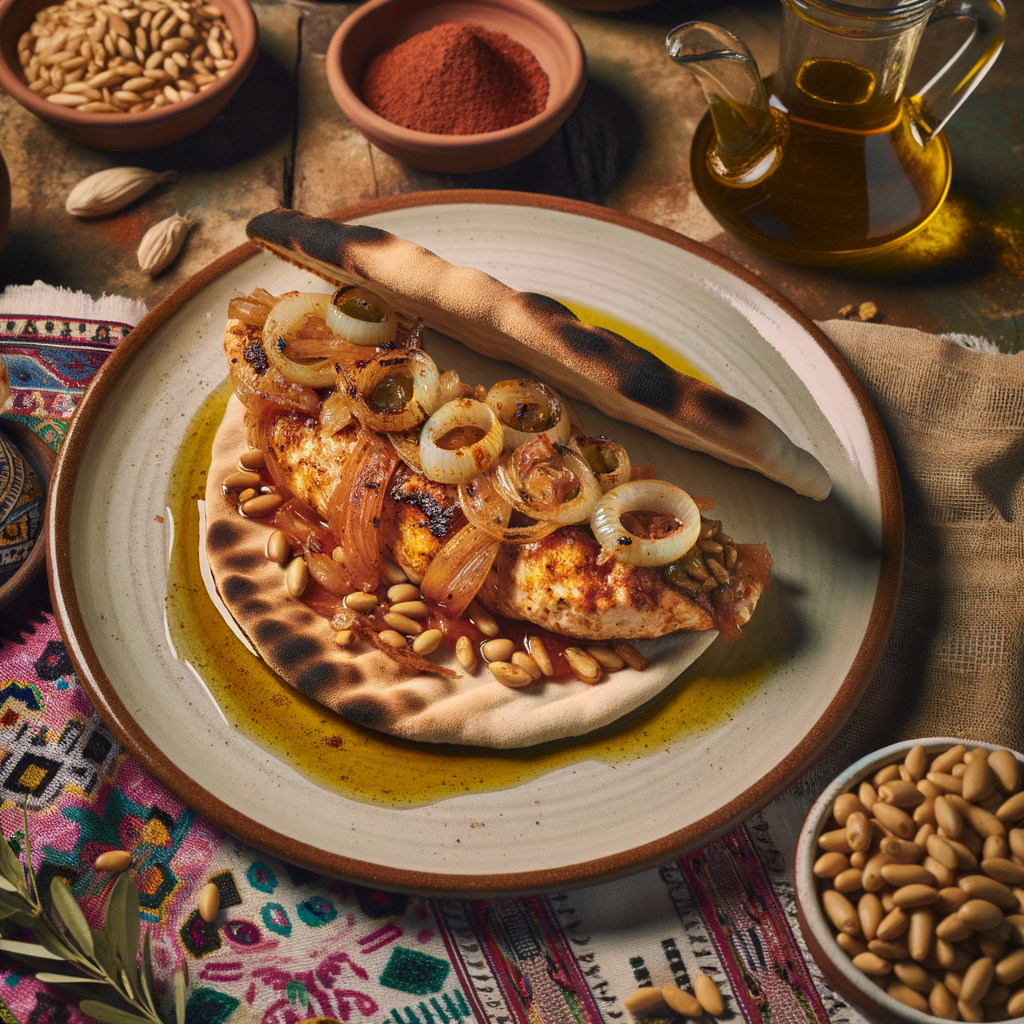
Musakhan
A national dish consisting of chicken baked with onions, sumac, pine nuts, and olive oil, served on taboon bread. The dish is known for its tart-spiced flavor and is often used for festive occasions.
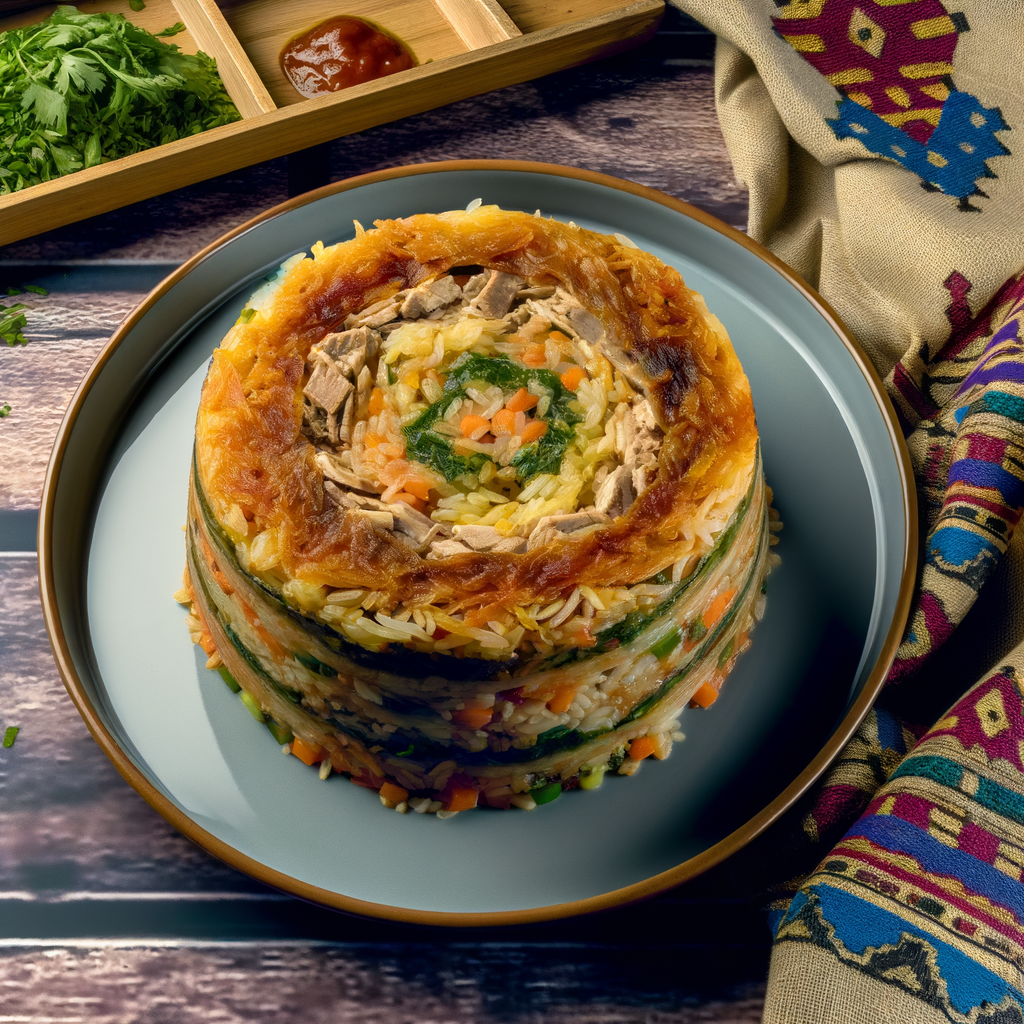
Maqluba
A layered dish with rice, vegetables, and meat (often lamb or chicken), which is flipped upside down when served. The name means 'upside down' in Arabic, and the dish is both visually impressive and flavorful.
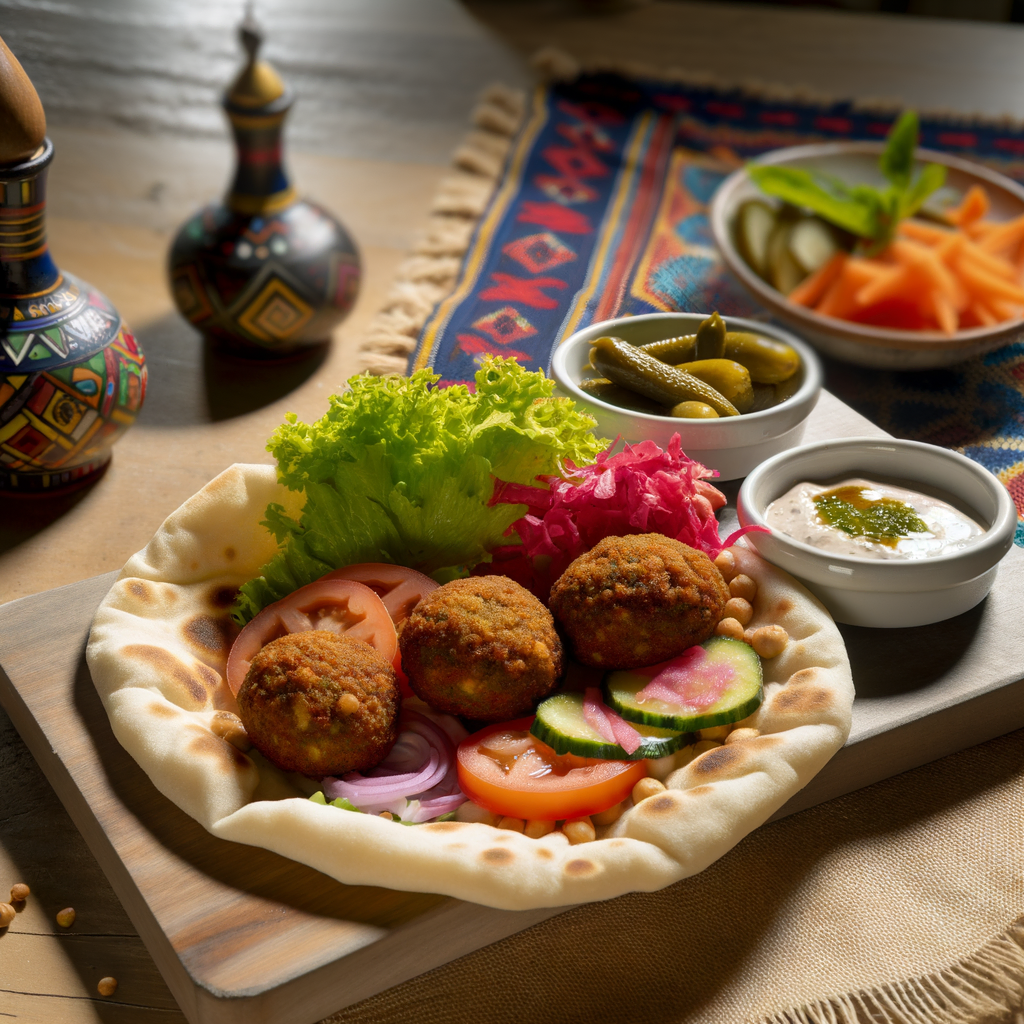
Falafel
Fried balls made of chickpeas and spices, often served in pita bread with salad, tahini, and pickled vegetables. A popular street food throughout the region.
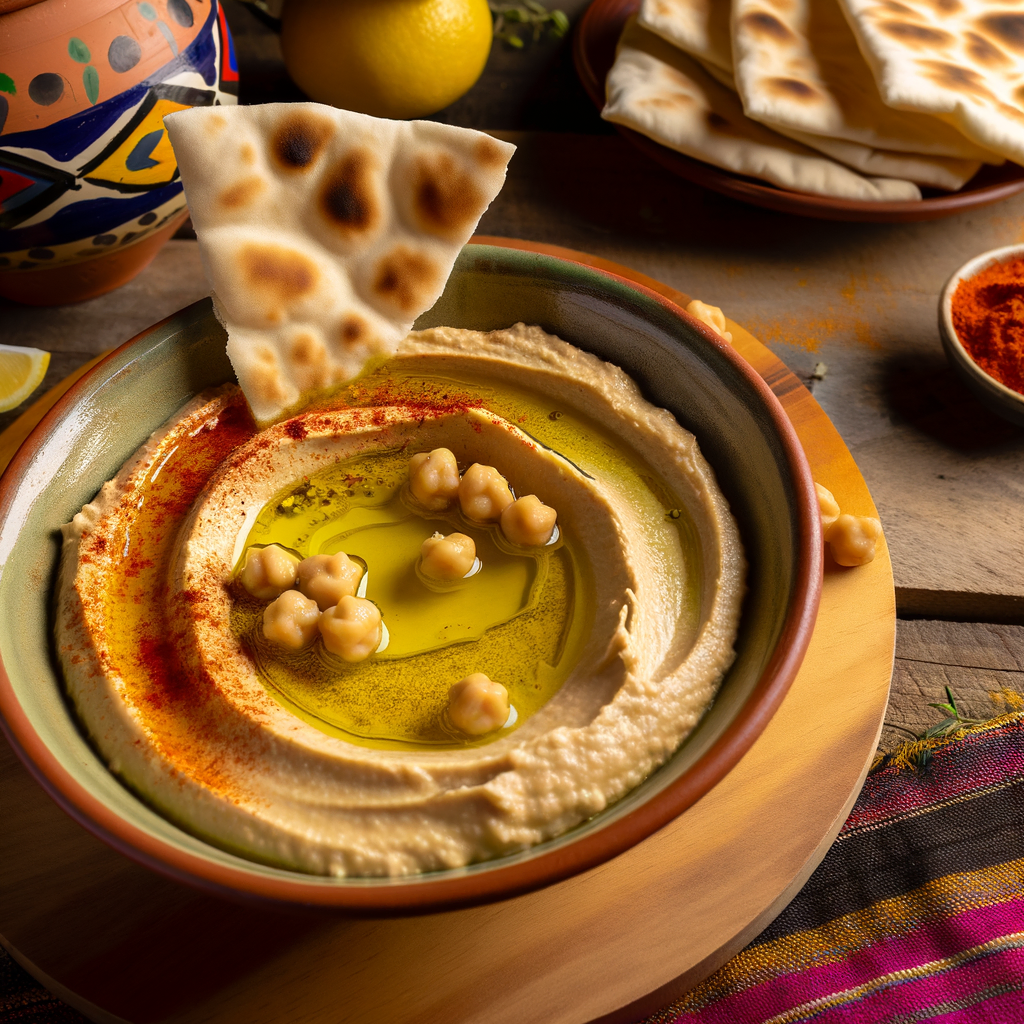
Hummus
A creamy puree of chickpeas, tahini, lemon, and garlic, served as a dip or side dish. Hummus is a staple of Palestinian meals.
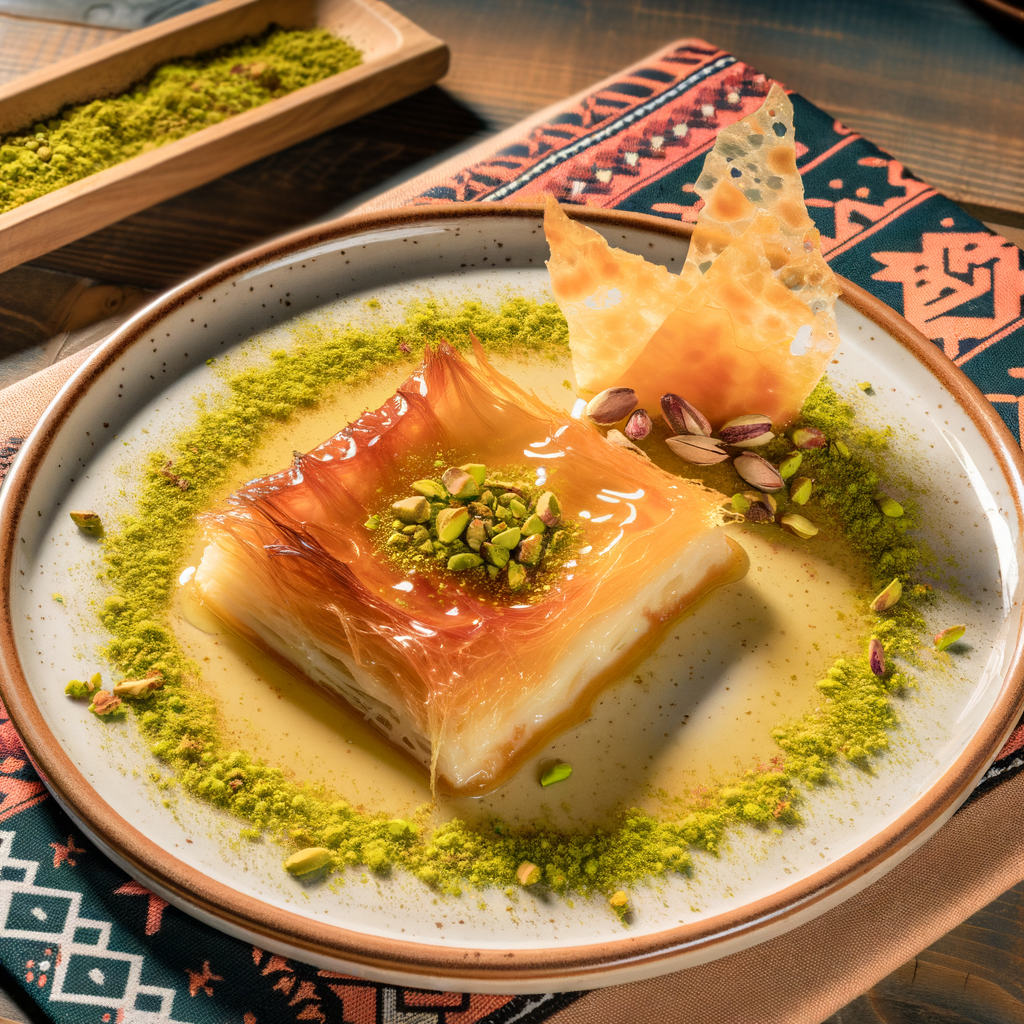
Knafeh
A sweet dessert from Nablus made of thin pastry threads, filled with cheese and soaked in sugar syrup. Often sprinkled with crushed pistachios.
Restaurant information
Tipping
Tips are not always expected, but appreciated. At restaurants, it is common to round up or give about 10% of the bill if the service has been good.
Travel information
Currency
Israelsk Shekel (₪) og Jordanian Dinar (JD)
Language
Arabic
Best time to visit
March-May and September-November
Major cities
Ramallah (de facto, for Vestbredden), Gaza City (de facto, for Gaza-striben) and other major cities
More countries in Asia
Discover more destinations in this region