
Portugal
Portugal: A country with timeless charm, where medieval castles, golden beaches, and vibrant cities meet a rich history, exquisite culinary culture, and breathtaking landscapes.
Overview
Portugal is a land of timeless charm, where medieval castles, golden beaches, and vibrant cities blend seamlessly with a rich history, exquisite culinary traditions, and captivating landscapes. From Lisbon’s iconic Belém Tower and the romantic palaces of Sintra to Porto's colorful Ribeira district and the sun-drenched Algarve coastline, Portugal offers a unique mix of culture, nature, and gastronomy. Whether you seek UNESCO World Heritage sites, the vineyards of the Douro Valley, or authentic culinary delights like bacalhau and pastéis de nata, Portugal will enchant you throughout the year.
Official language
Portuguese
Government
republic
Best time to visit
Spring (March-May) and autumn (September-November)
Nature
Portugal's landscapes are a stunning tapestry woven with dramatic coastlines, lush vineyards, gentle hills, and volcanic islands. Along the vibrant Atlantic coast, endless beaches await, from the golden coves of the Algarve to the wild, wind-swept shores of Alentejo. The Douro Valley, renowned for its terraced vineyards, is not only a wine paradise but also one of Europe's most picturesque regions. In the north, green mountains and rivers cradled by charming villages contrast with the rolling plains and cork oak forests in the central part of the country. The Azores and Madeira offer an exotic touch with subtropical gardens, volcanic lakes, and breathtaking hiking trails. Nature in Portugal is beautifully diverse, catering to adventurers looking to surf, sail, hike, or cycle. With mild winters and warm summers, outdoor activities are possible year-round, making spring and autumn especially delightful for experiencing the landscape in full bloom.
Travel to Portugal
Traveling to Portugal is an experience brimming with variety and authenticity. The country is easily accessible with international airports in Lisbon, Porto, and Faro, and a well-developed infrastructure that makes exploring cities and landscapes a breeze. Spring and autumn are ideal times to visit, with pleasant temperatures and fewer tourists, while summer attracts sun seekers to the Algarve coast. Travelers can combine city breaks in Lisbon or Porto with relaxation by the sea or wine tasting experiences in the Douro Valley. Portugal is also known for its affordable prices compared to many other Western European destinations, making it appealing for both short getaways and extended stays. With its blend of culture, nature, gastronomy, and hospitality, Portugal is a destination that appeals to adventurers, pleasure seekers, and history enthusiasts alike.
Culture
The culture of Portugal is deeply rooted in its maritime history, Catholic traditions, and regional diversity. Music is at the heart of this vibrant culture, especially the soulful fado, which tells tales of longing and love. Architectural beauty ranges from the Manueline grandeur found in monasteries like Batalha and Jerónimos to the colorful azulejos that adorn buildings in every town. Markets burst with fresh produce, and the cuisine pays homage to the sea with dishes like bacalhau, grilled sardines, and the iconic pastéis de nata. Each region boasts its own culinary specialties and festivals, from wine celebrations in Douro to the flower festival in Madeira. Known for their warmth and relaxed way of life, the Portuguese cherish long coffee breaks, hearty dinners, and social gatherings, creating a lively blend of tradition and modernity where the past meets contemporary creativity.
History
Portugal’s history is steeped in voyages, trade, and cultural exchange. Emerging as a maritime nation in the Middle Ages, during the Age of Discoveries in the 15th and 16th centuries, Portugal became a global powerhouse with colonies across Africa, Asia, and South America. This era brought wealth, art, and architecture that visitors can still admire today. The nation has weathered earthquakes, dynastic crises, and periods of dictatorship, ultimately achieving democracy following the Carnation Revolution in 1974. The echoes of Portugal's past are present in its castles, monasteries, coastal towns, and museums, telling the story of a nation that has always gazed towards the horizon, eager for exploration and adventure.
Top attractions
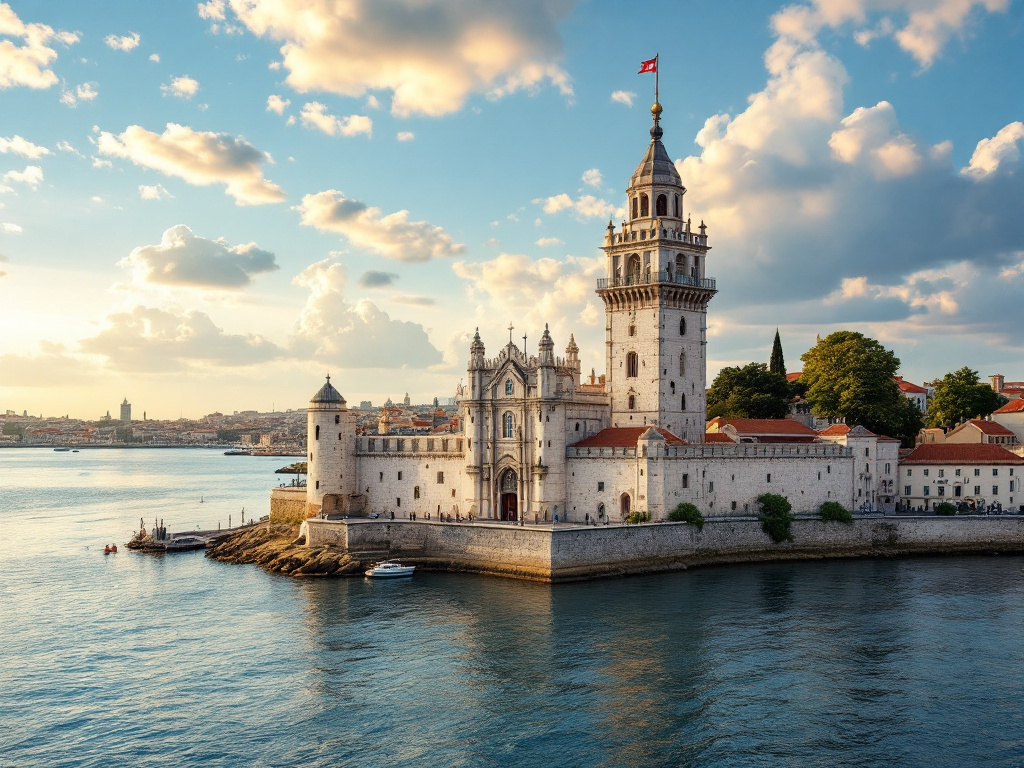
Belém Tower
An iconic defensive tower from the Age of Discoveries at the mouth of the Tagus River, symbolizing Portugal's maritime history.
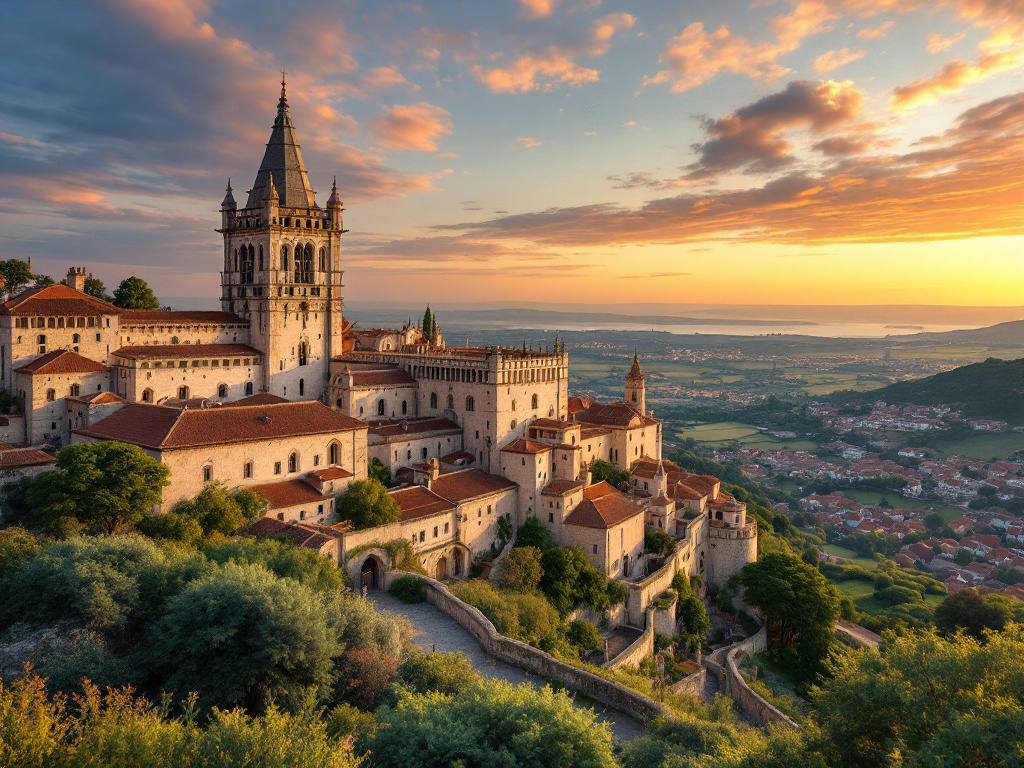
Jerónimos Monastery
A magnificent 16th-century monastery known for its detailed Manueline architecture and historical significance.
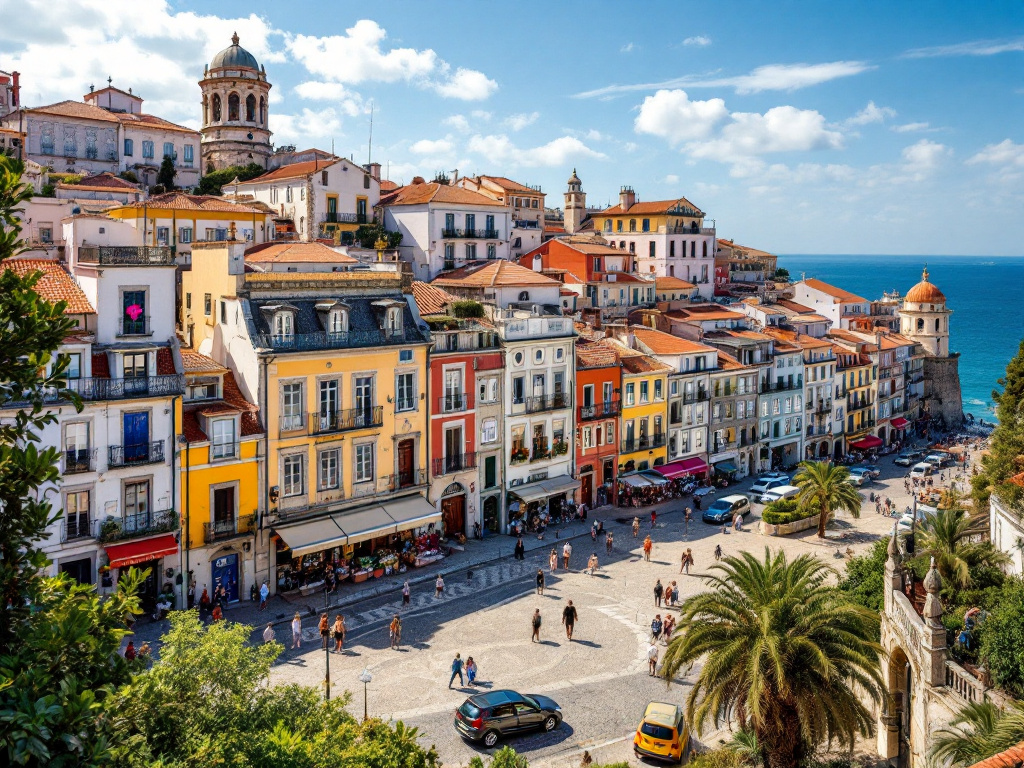
Alfama District
Lisbon's oldest district with an authentic atmosphere, known for Fado music and historic streets.
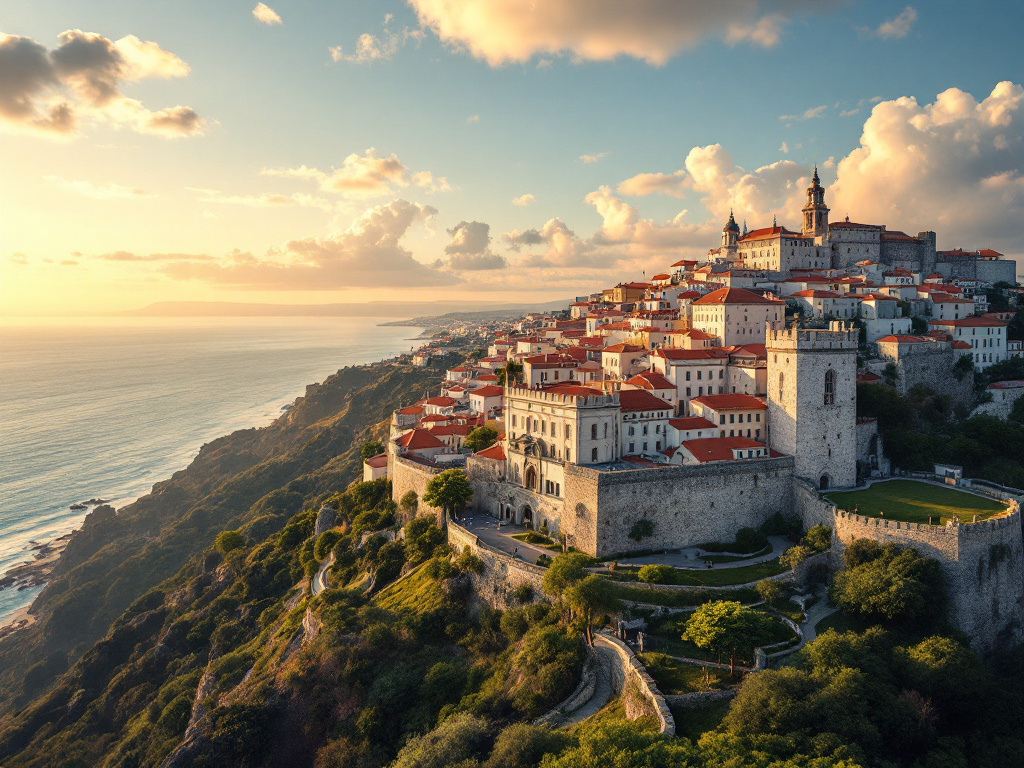
São Jorge Castle
A historic castle on a hilltop with one of the best views over Lisbon.
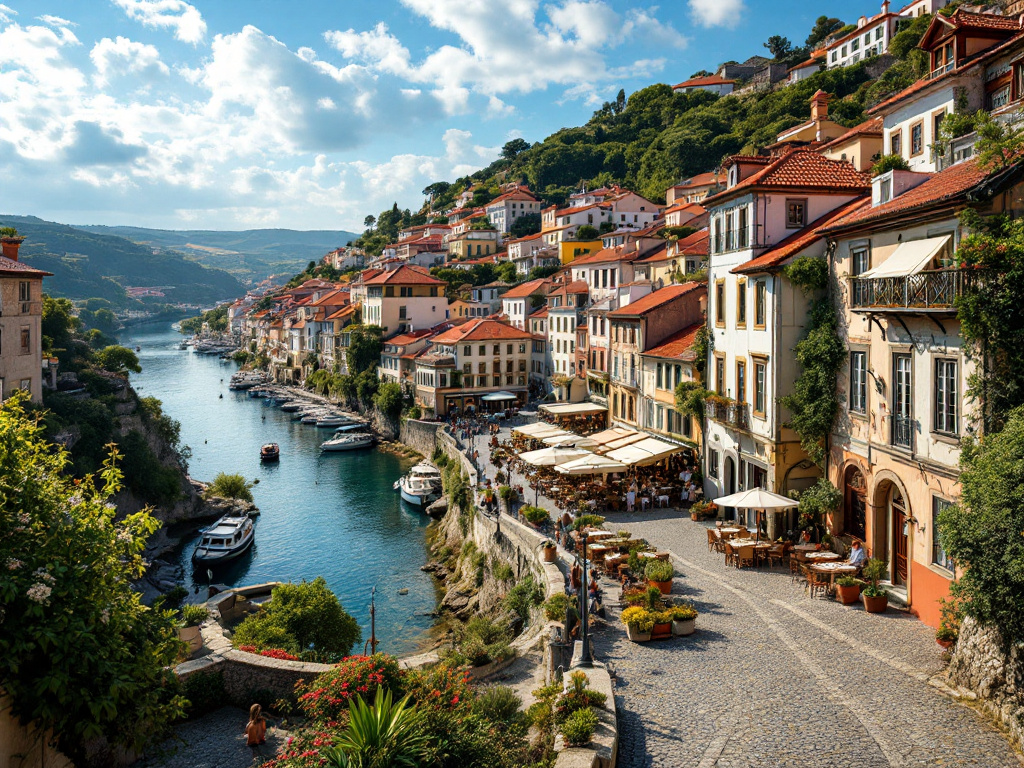
Ribeira District
A lively neighborhood by the Douro River with restaurants and historic buildings.
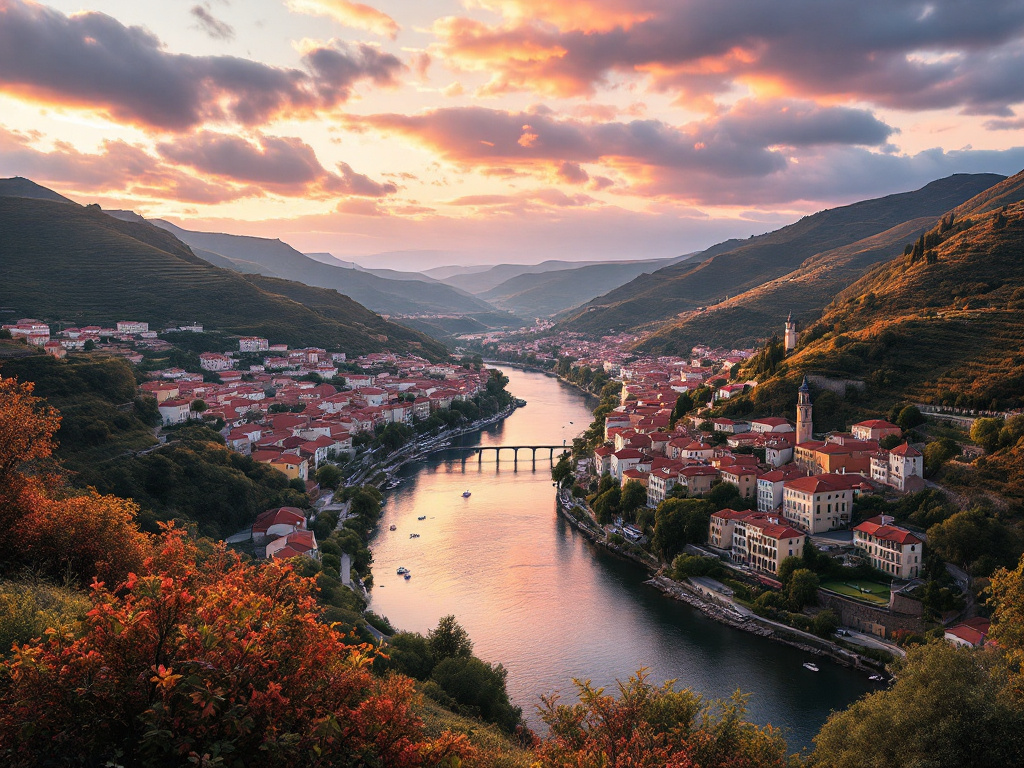
Douro Valley
A picturesque wine region known for port wine and dramatic river landscapes.
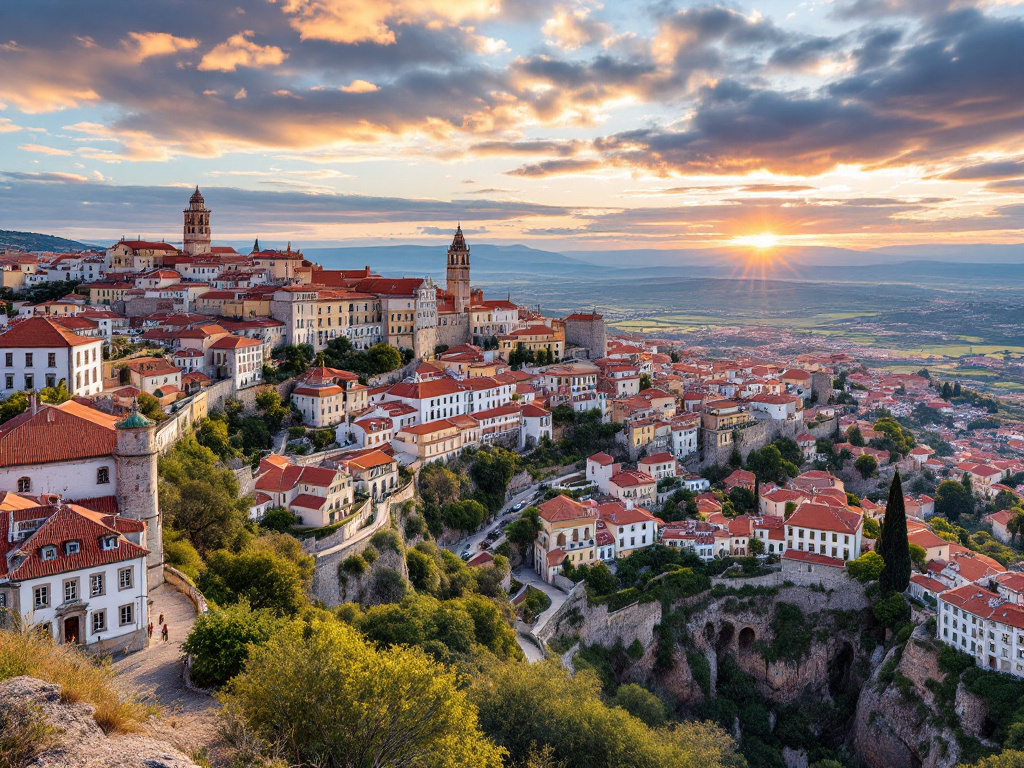
Pena Palace
A fairytale palace on a hilltop, known for its colors and romantic style.
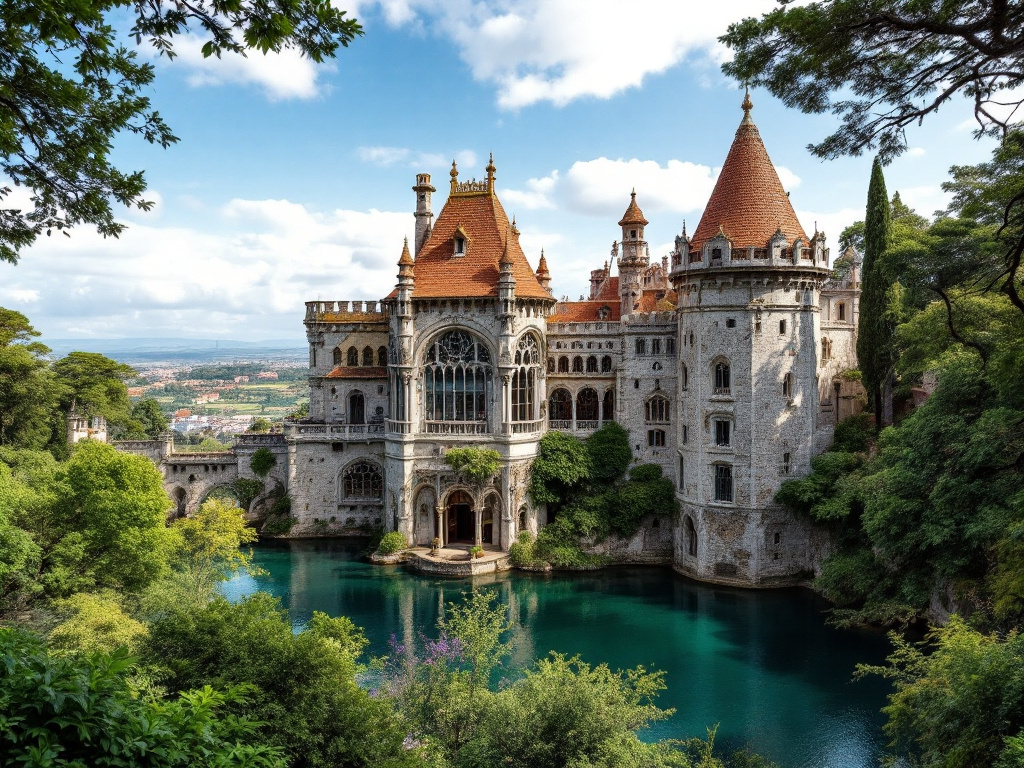
Quinta da Regaleira
A mystical estate with symbolic architecture and lush gardens.
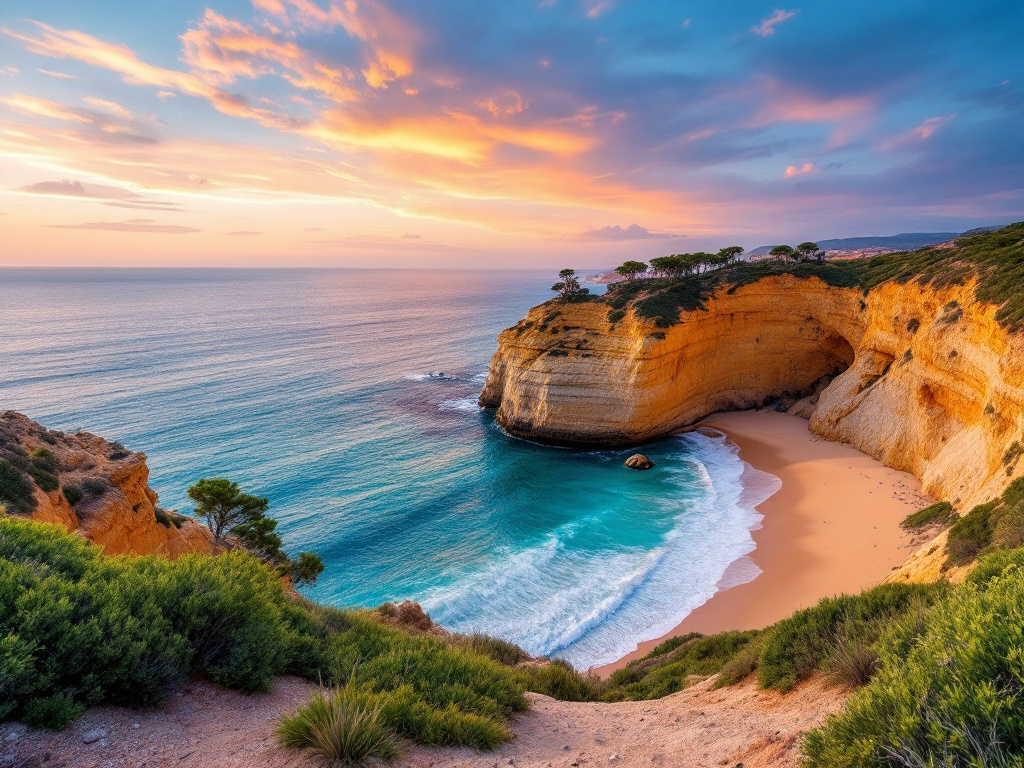
Algarve Coast
One of Europe's most beautiful coastlines with beaches, cliffs, and clear waters.
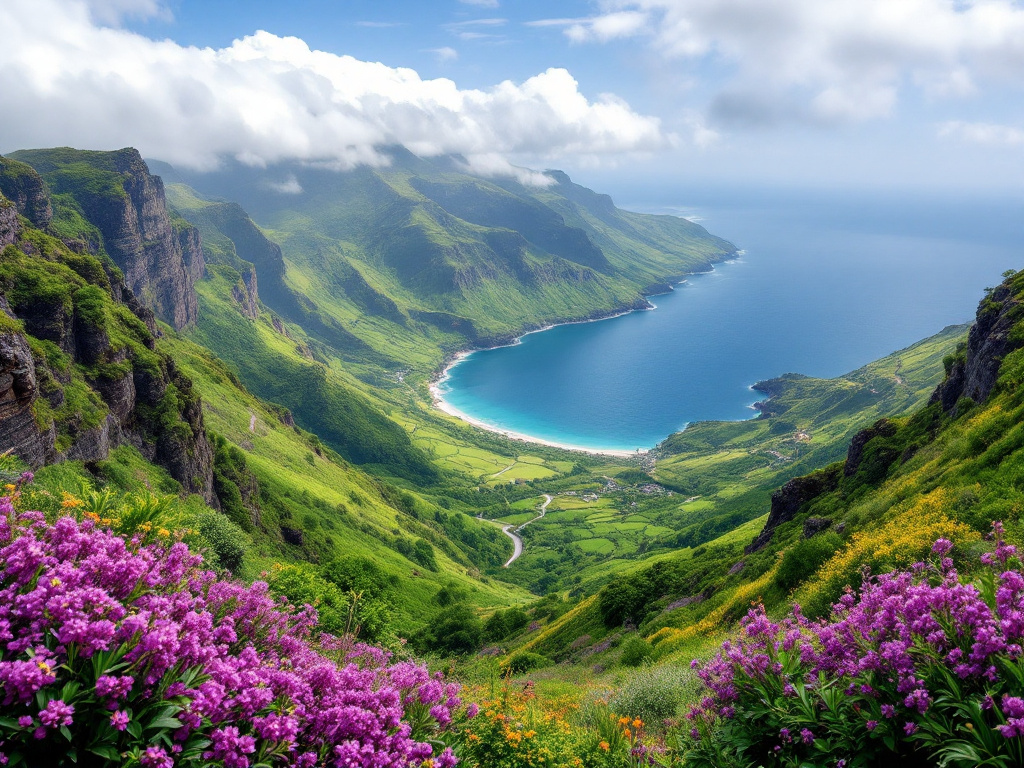
Madeira's Levadas
A network of hiking trails along historical water channels through lush nature.
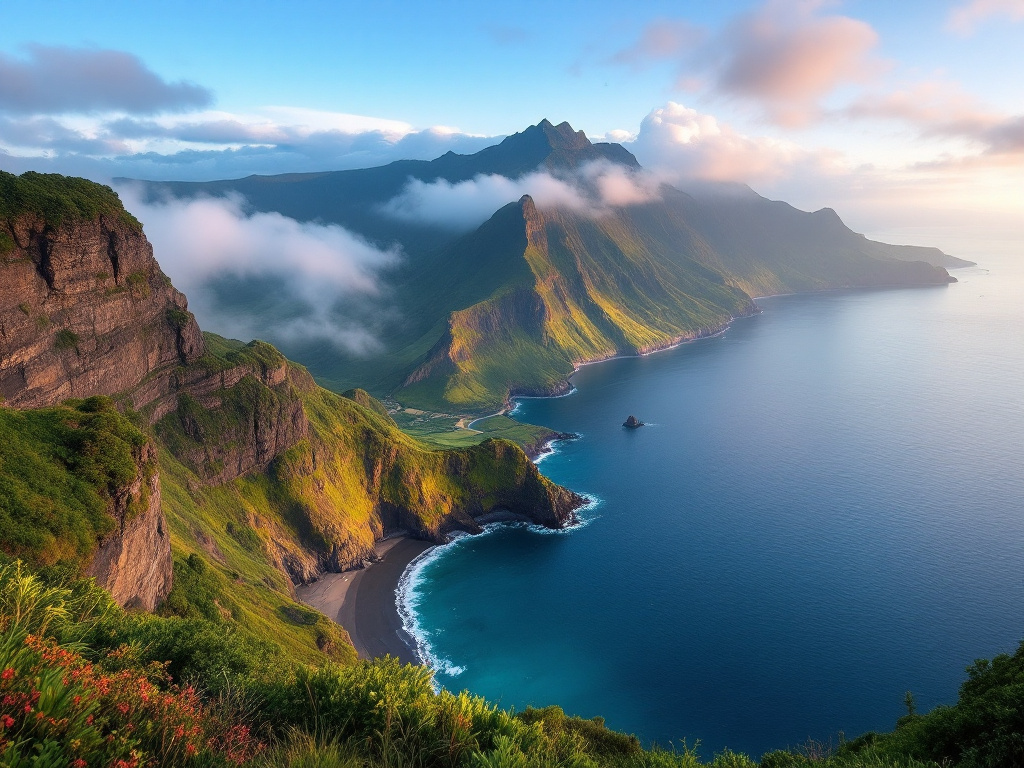
Sete Cidades
A spectacular volcanic crater with two colored lakes in the Azores.
Famous cuisine
Culinary overview
Portuguese cuisine is a harmonious blend of the sea's freshness, the land's agricultural products, and centuries of culinary tradition. From iconic fish dishes like bacalhau in countless variations to sweet temptations like pastéis de nata, the food is deeply rooted in the country's history and culture. Portugal is known for its regional specialties – from Algarve's grilled sardines to Porto's hearty Francesinha – and wine plays a central role, especially port wine from the Douro Valley and green wine from the Minho region. Meals are often enjoyed at a relaxed pace, and the social aspect is just as important as the food itself.
Must-try dishes
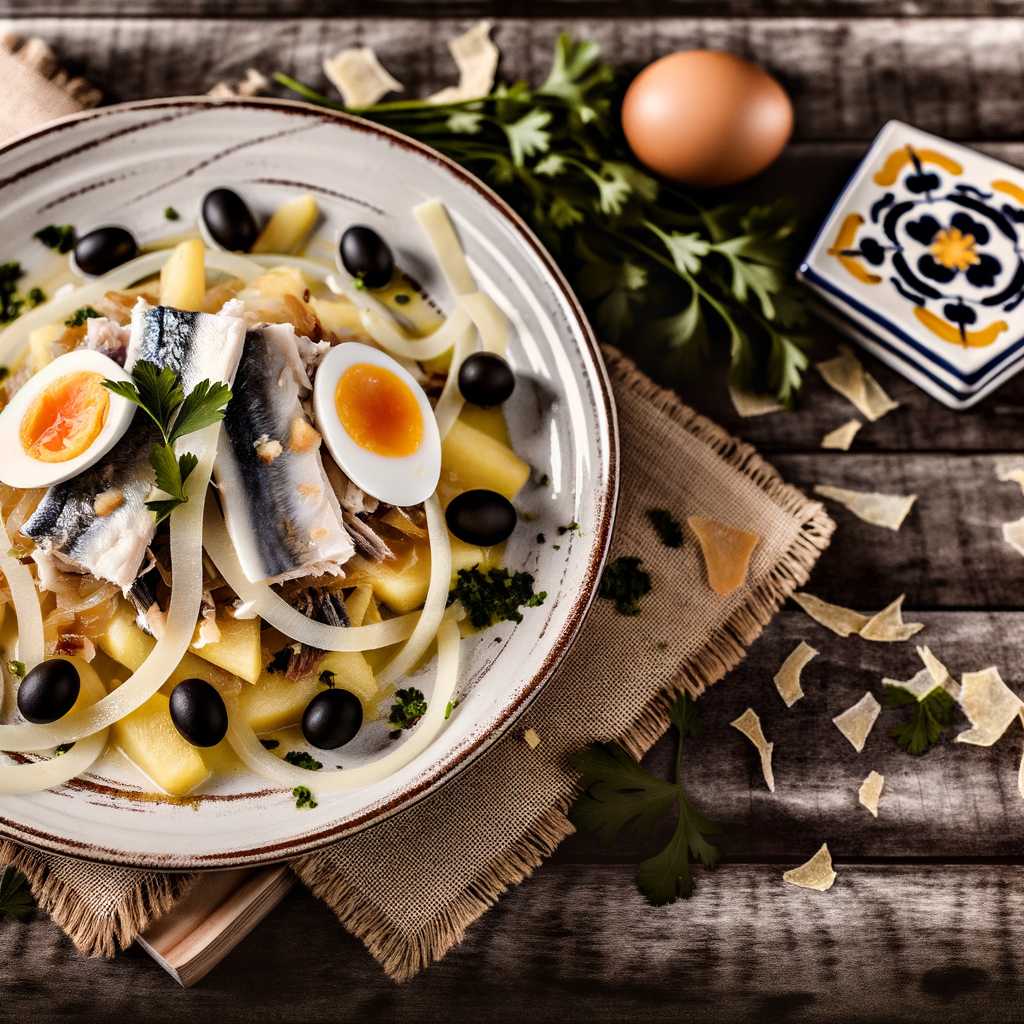
Bacalhau à Brás
A classic dish with salted cod, onions, thin potato strips, and eggs, often garnished with black olives and parsley. One of the most popular ways to enjoy bacalhau.
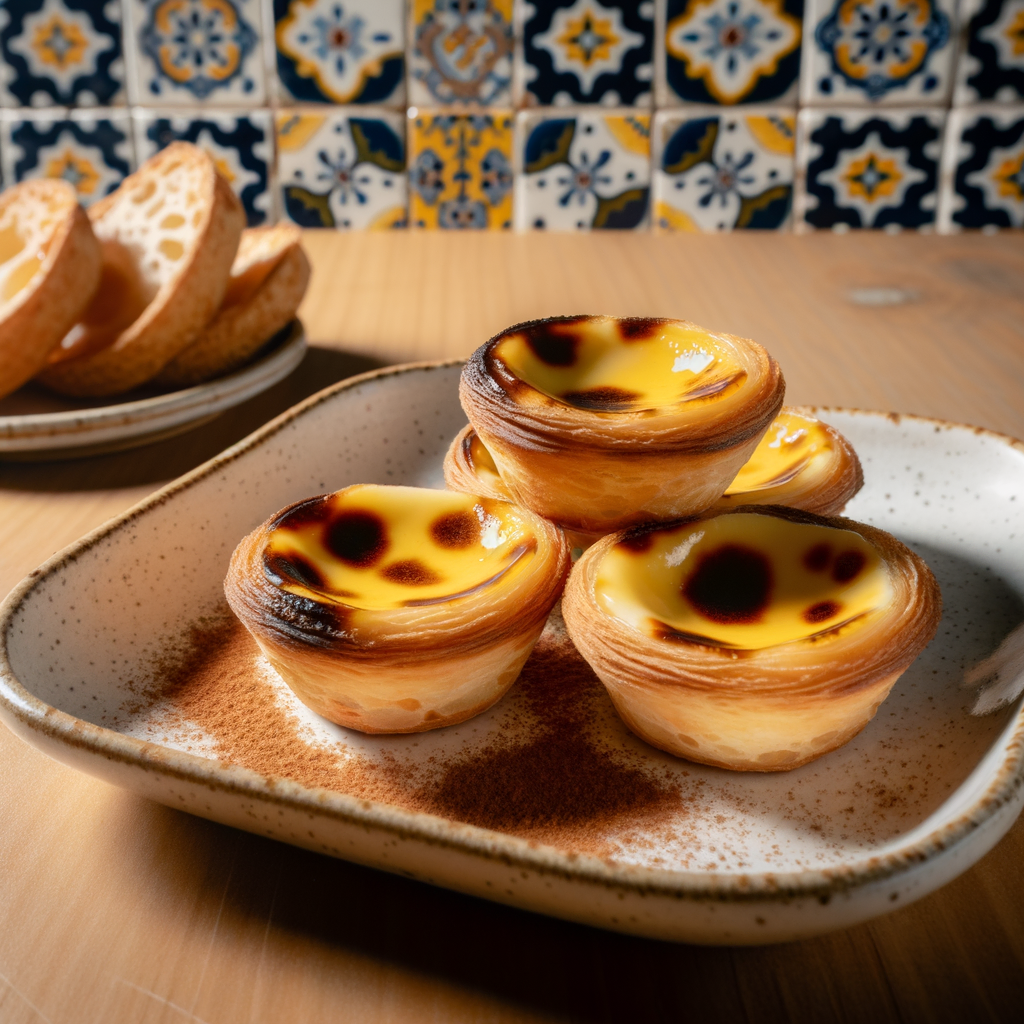
Pastéis de Nata
Small crispy tarts filled with creamy vanilla custard, sprinkled with cinnamon. Best served warm, and a must-try in Lisbon, especially from the famous Pastéis de Belém bakery.
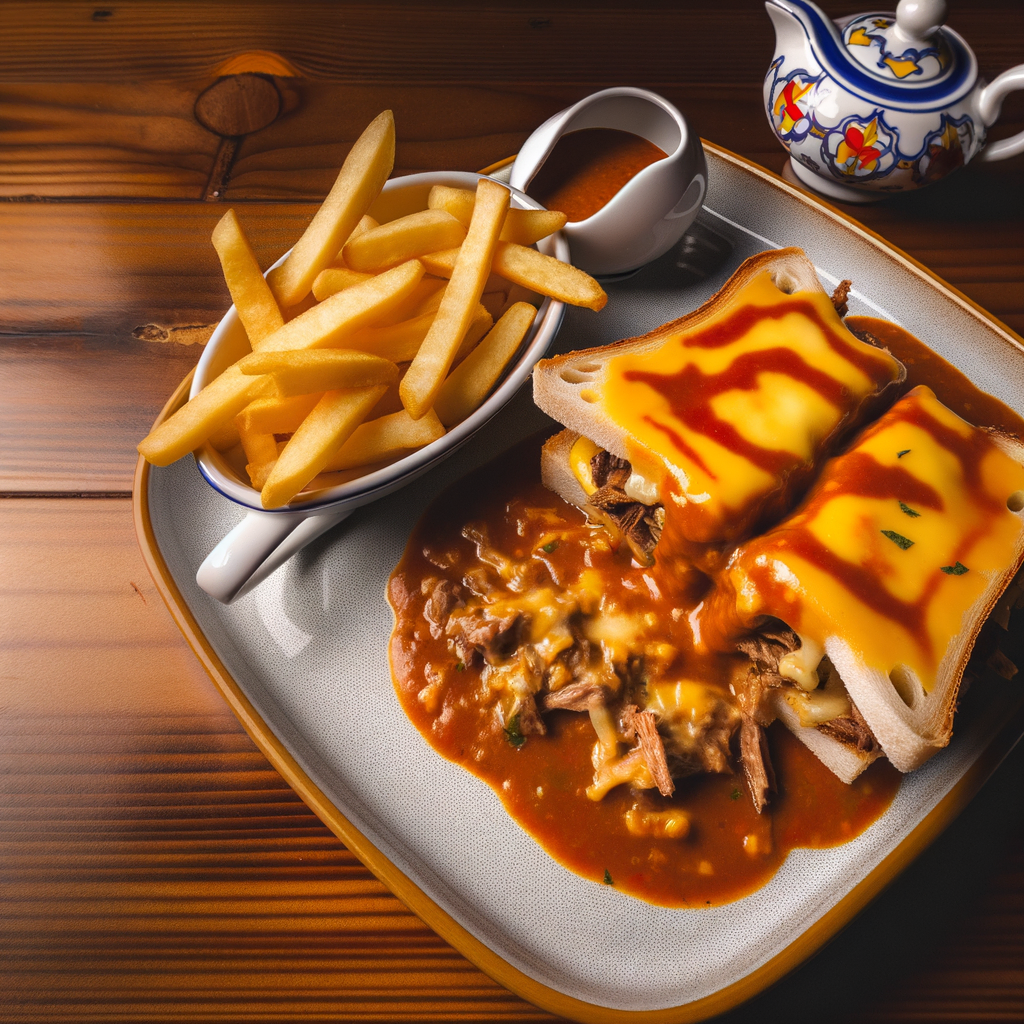
Francesinha
A lavish sandwich from Porto, filled with various types of meat, covered with melted cheese, and drenched in a spicy tomato-beer sauce. Often served with fries.
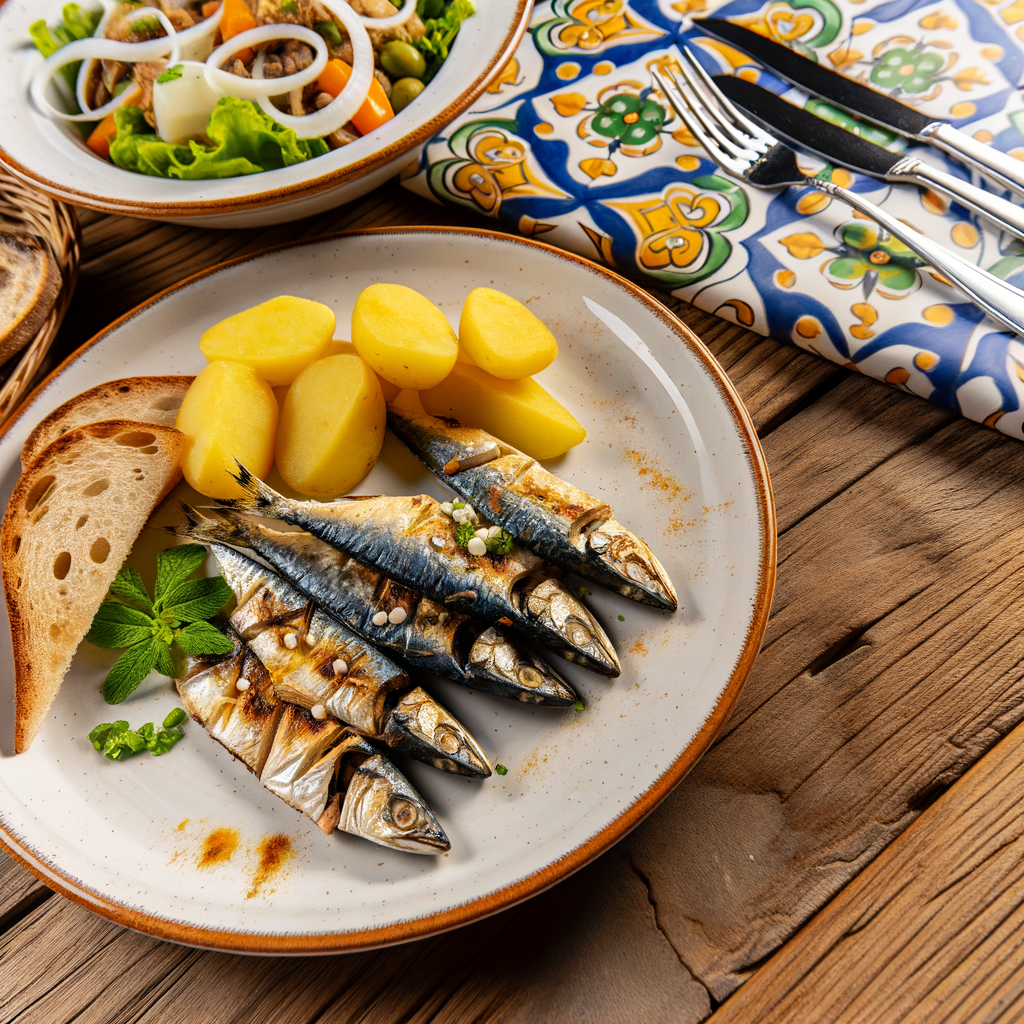
Sardinhas Assadas
Grilled sardines, especially popular in summer during festivities like Festas de Lisboa. Typically served with salad and potatoes or on bread.
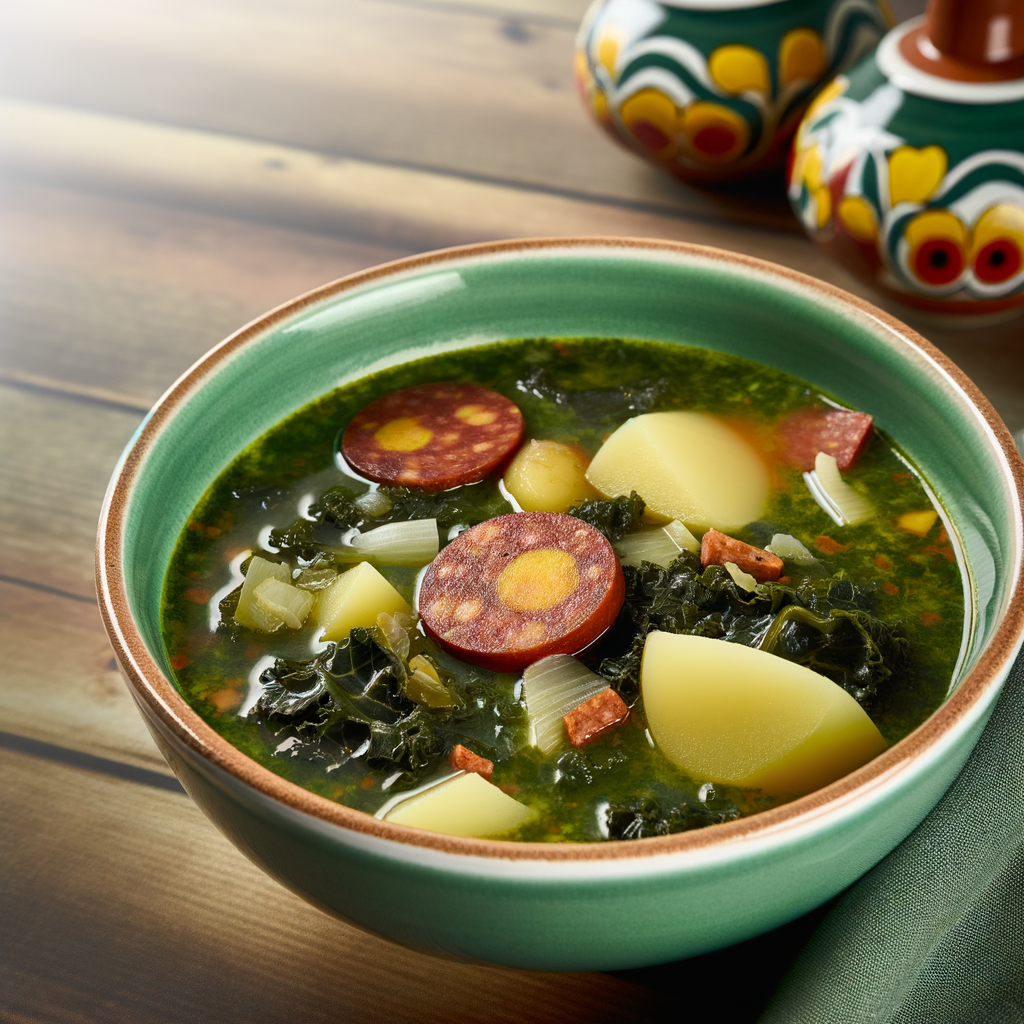
Caldo Verde
A traditional soup from northern Portugal, made with kale, potatoes, onions, and chouriço sausage. Simple but full of flavor.
Restaurant information
Tipping
Tipping is not mandatory in Portugal, but it is common to round up or leave 5-10% for good service. In cafes, it's enough to leave small change.
Travel information
Currency
Euro (€)
Language
Portuguese
Best time to visit
Spring (March-May) and autumn (September-November)
Major cities
Lissabon and other major cities
More countries in Europe
Discover more destinations in this region