
Paraguay
Paraguay, South America's hidden gem, offers an authentic experience with rich culture, untouched landscapes, and a warm blend of Spanish and Guaraní traditions.
Overview
Paraguay, nestled in the heart of South America, is a hidden gem for travelers seeking authentic experiences away from the usual tourist trails. Here, Spanish colonial history intertwines with Guaraní culture, creating a vibrant blend of traditions, flavors, and warm hospitality. The capital city, Asunción, enchants with its colonial architecture, historic plazas, and colorful markets, while the natural beauty of the region ranges from the breathtaking Saltos del Monday waterfall to the untamed Chaco. With UNESCO-protected Jesuit missions, the massive Itaipú dam, and a rich culinary scene, Paraguay invites you to experience South America in its most genuine form—free from the crowds yet full of spirit, history, and breathtaking landscapes.
Official language
Spanish and Guaraní
Government
Presidential repræsentativt democracy
Best time to visit
May to September
Nature
Paraguay's nature is both diverse and surprising, making it a paradise for outdoor enthusiasts. The lush forests and cascading waterfalls of the eastern region contrast beautifully with the arid plains and savannas of the vast Chaco in the west. One of the country’s most stunning natural wonders is the Saltos del Monday waterfall, where water thunders into a dramatic gorge surrounded by vibrant greenery. The Paraguay and Paraná rivers are vital lifelines that not only shape the landscape but also support local ecosystems and communities. Birdwatchers will be captivated by the array of species, from colorful parrots to elusive raptors. The Chaco region, renowned for its rugged beauty, is home to unique wildlife such as jaguars, giant anteaters, and tapirs. With a subtropical climate in the east and a drier, warmer climate in the west, Paraguay offers an impressive variety of flora and fauna. For nature lovers, Paraguay is an untouched gem where you can experience pristine landscapes without the crowds—a true adventure in the heart of South America.
Travel to Paraguay
Traveling to Paraguay feels like stepping into an authentic piece of South America, untouched by mass tourism. Offering a unique blend of culture, history, and nature, the country can be explored at a leisurely pace. The best time to visit is from May to September, when the weather is pleasant for both urban exploration in Asunción and outdoor adventures to natural wonders like Saltos del Monday or the wild Chaco region. Visitors can discover the impressive Jesuit missions, take a boat ride on the Paraguay River, or visit the Itaipú dam—a marvel of engineering. Food enthusiasts will savor local specialties, while culture lovers can immerse themselves in music, dance, and crafts. With friendly locals, affordable prices, and a feeling of being off the beaten path, Paraguay is an ideal choice for adventurous souls seeking a deeper connection to the places they visit.
Culture
Paraguay's culture is a vibrant tapestry woven from Spanish colonial heritage and the traditions of the Guaraní people. This unique fusion is evident in the language, where both Spanish and Guaraní coexist, and in the music, which features harp playing and polka paraguaya, creating a distinct soundscape. Artisan crafts like filigree jewelry, pottery, and woven textiles showcase the skills of talented craftsmen. Colorful festivals and religious celebrations bring communities together in joyous expressions of identity and tradition. Food is at the heart of Paraguayan culture; dishes like Sopa Paraguaya, Chipa, and Mbejú are not just meals but vessels of history and identity. Hospitality is deeply ingrained in Paraguayan life, with visitors often welcomed with open arms and invitations to share a meal or enjoy a yerba mate. Asunción, the capital, is the cultural hub, featuring museums, art galleries, and music scenes that reflect a proud and lively cultural heritage.
History
Paraguay's history is marked by both pride and resilience. Before Spanish colonization, the region was inhabited by the Guaraní people, whose culture remains deeply rooted in the nation. In the 17th and 18th centuries, Jesuits established missions, now UNESCO World Heritage sites, that exemplify a unique blending of European and indigenous cultures. Paraguay declared its independence from Spain in 1811, followed by periods of isolation and dramatic conflict, including the devastating Triple Alliance War in the 19th century. Despite these challenges, the country has maintained a strong national identity, with both the Guaraní language and historical landmarks playing central roles in its cultural narrative.
Top attractions
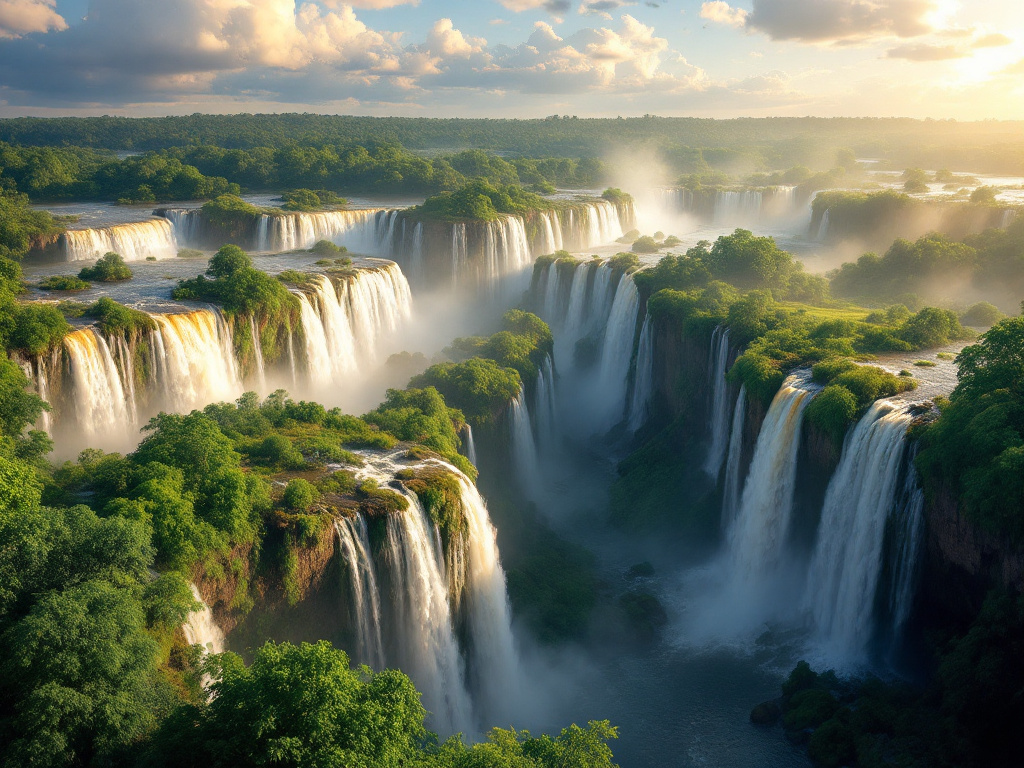
Iguaçu Falls
One of the world’s largest and most impressive waterfalls, surrounded by lush rainforest.
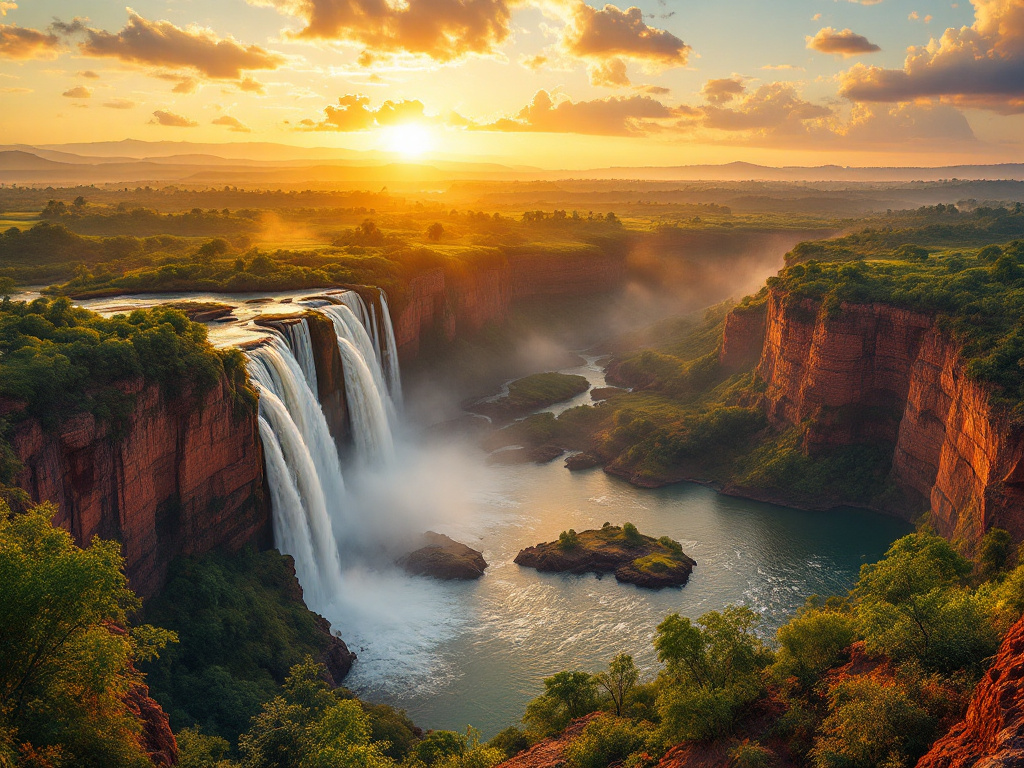
Itaipú Dam
An impressive engineering feat and a symbol of Paraguayan energy.
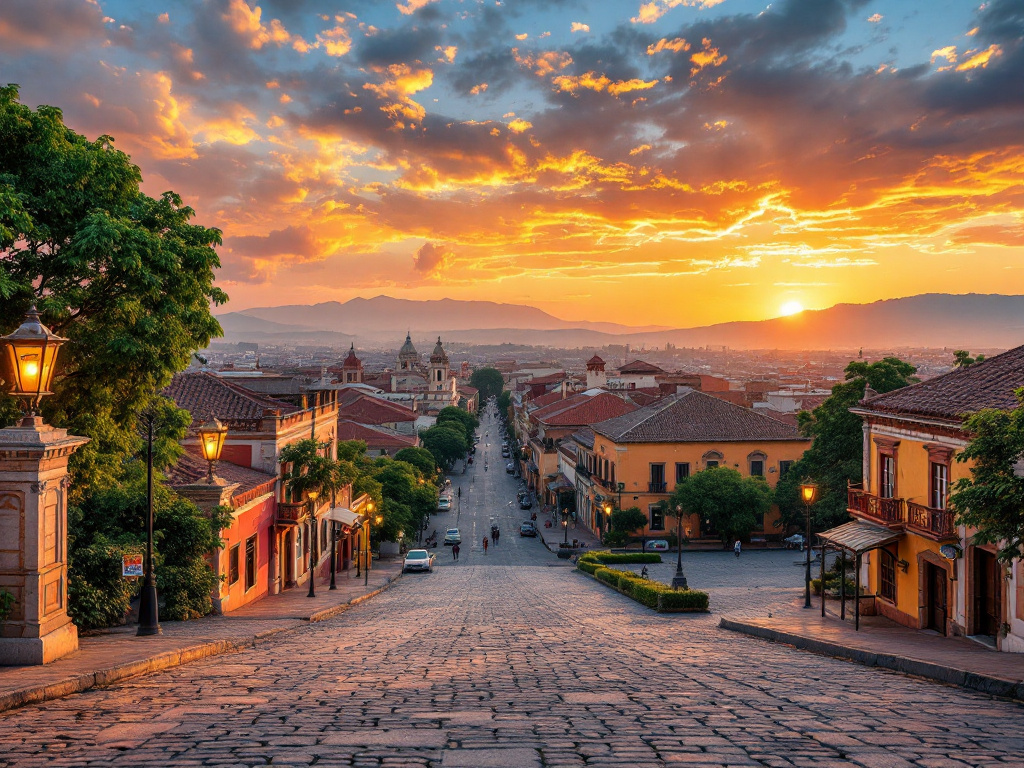
Historical Center of Asunción
The oldest area of the city with historic buildings and cultural attractions.
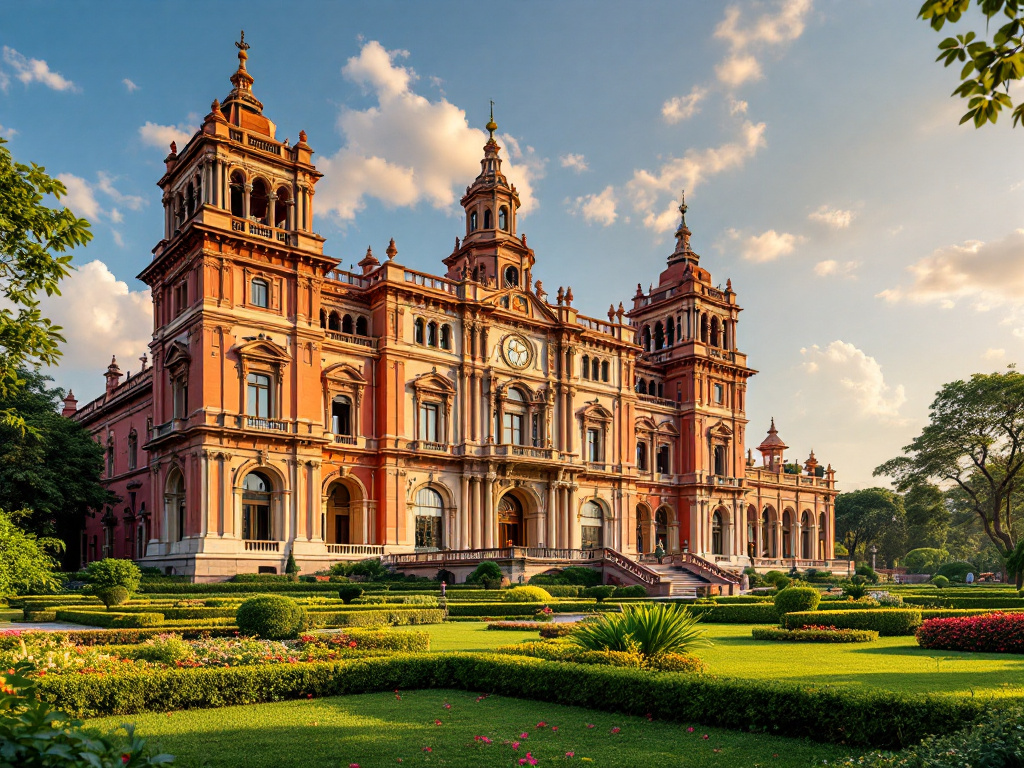
Palacio de los López
Presidential palace known for its magnificent architecture.
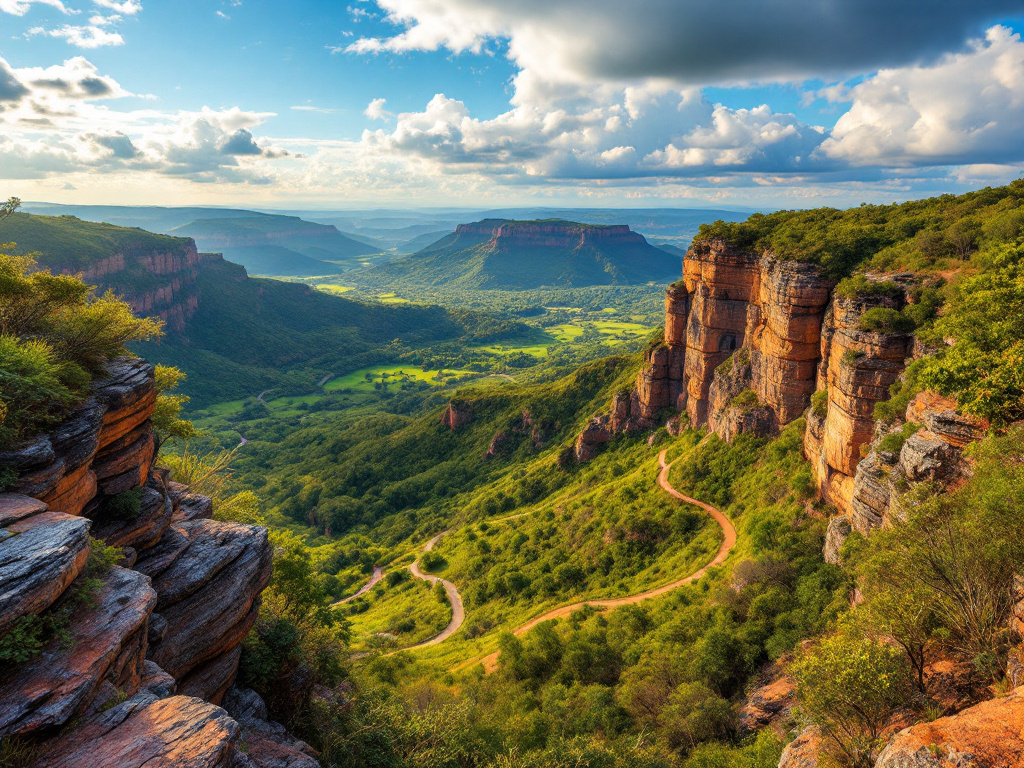
Cerro Corá National Park
An important national park with both nature and history.
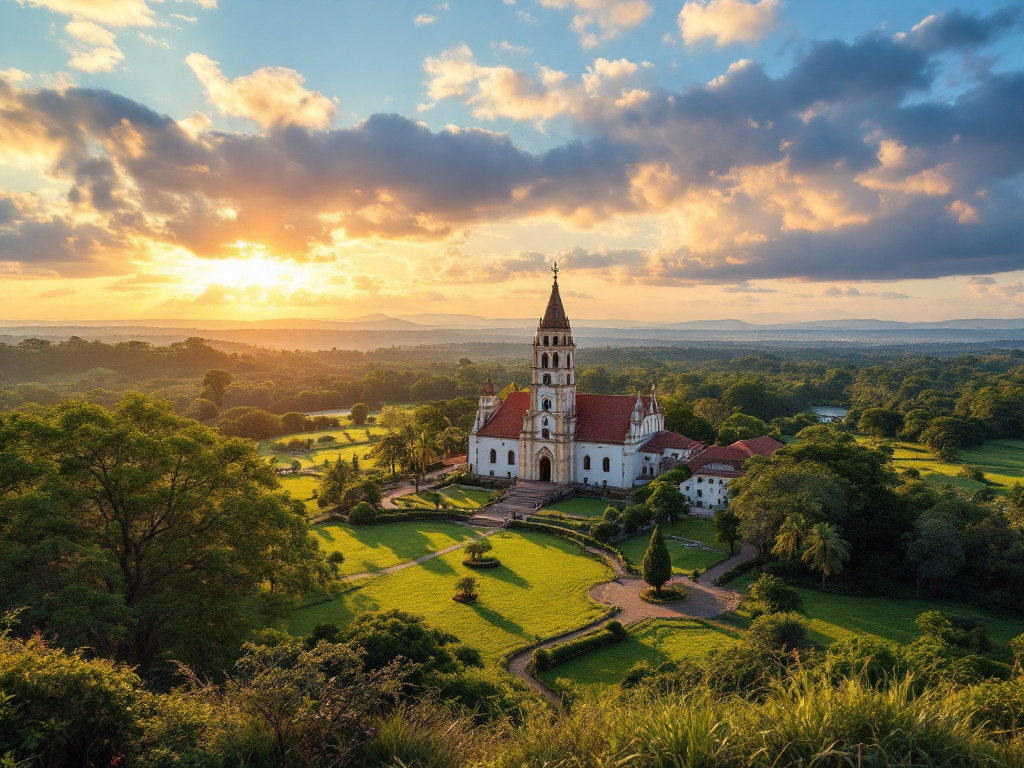
Trinidad Jesuit Mission
A well-preserved Jesuit mission from the colonial period.
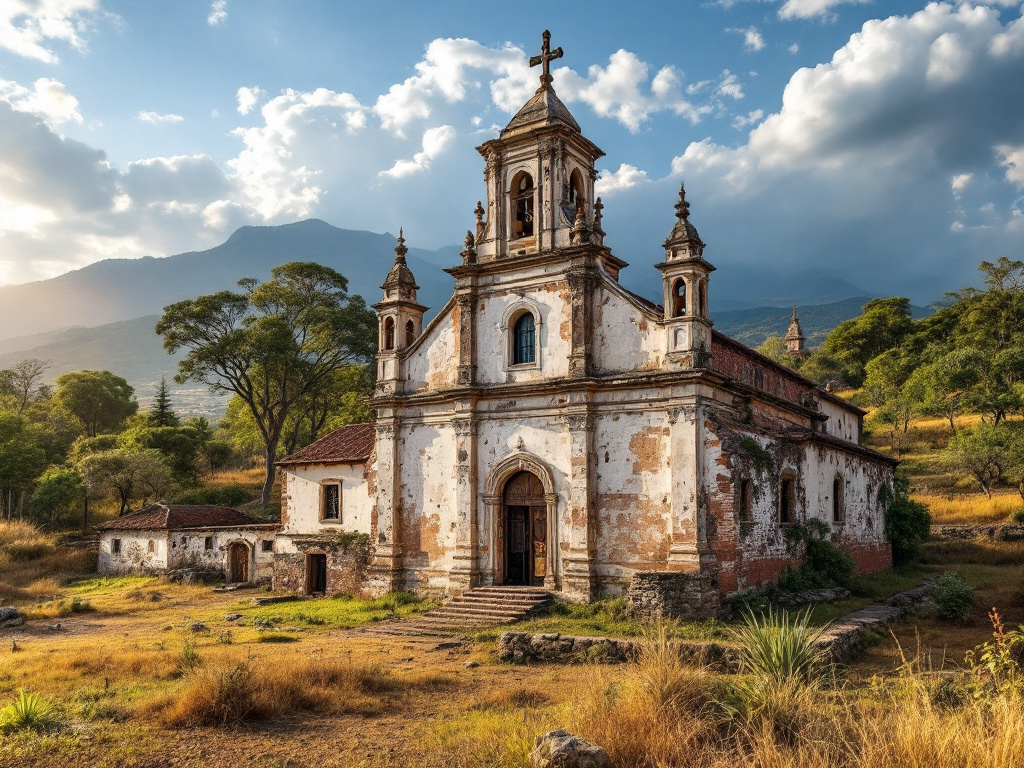
Jesús Jesuit Mission
Historic ruins and an important part of Paraguay's cultural heritage.
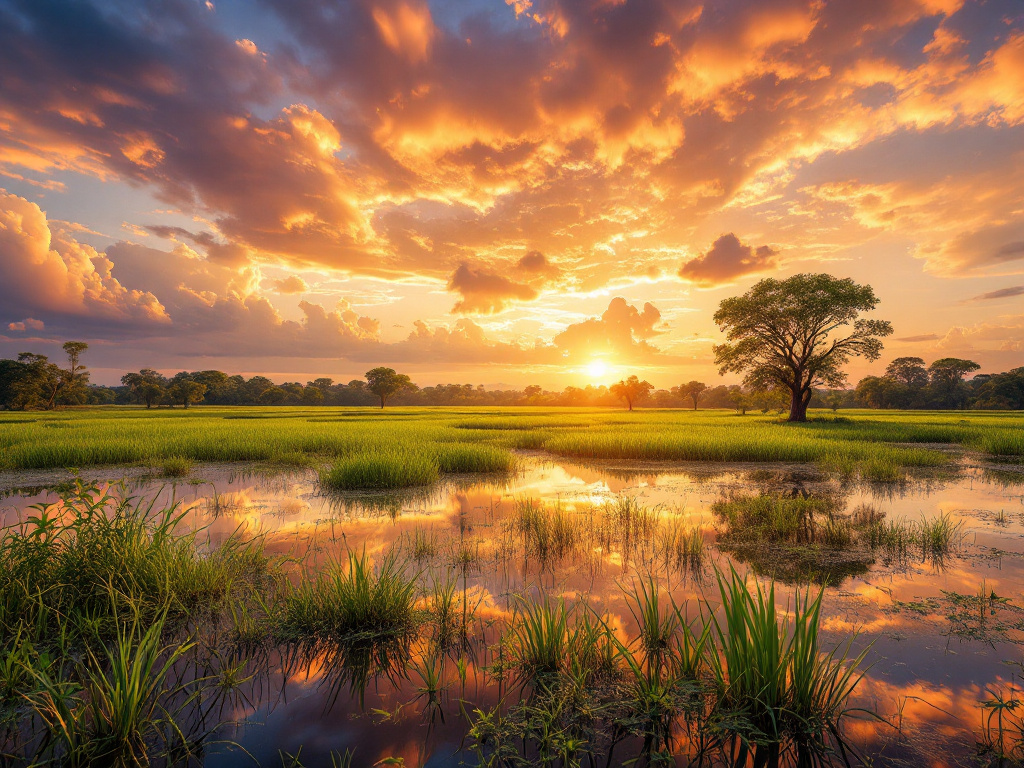
Paraguay's Pantanal
One of South America's most important wetlands with rich wildlife.
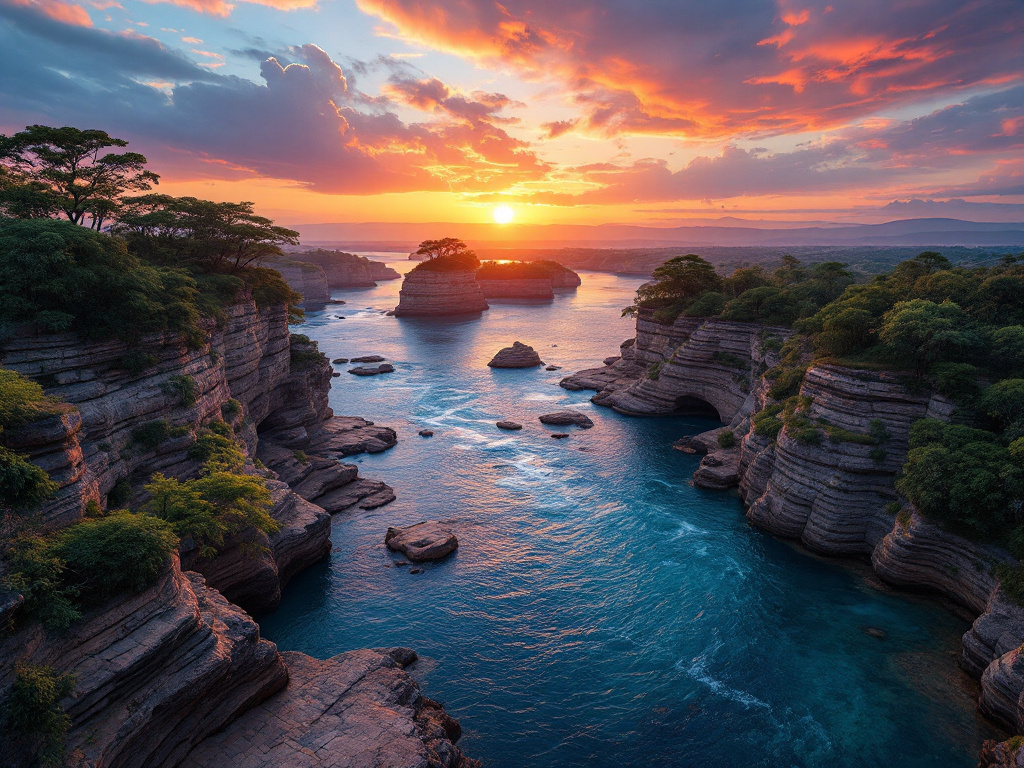
Ypacaraí Lake
A popular lake near Asunción, ideal for relaxation.
Famous cuisine
Culinary overview
Paraguay's cuisine is a harmonious blend of Spanish colonial influences and the culinary traditions of the Guaraní people. Meals are often based on corn, cassava, and meat, and many dishes are both nutritious and simple. Hospitality is a central part of the food culture, and meals are often shared in large families or with friends. Street food is popular, especially in the cities, where you can find freshly baked chipa, grilled meat skewers, and refreshing tereré (cold yerba mate).
Must-try dishes
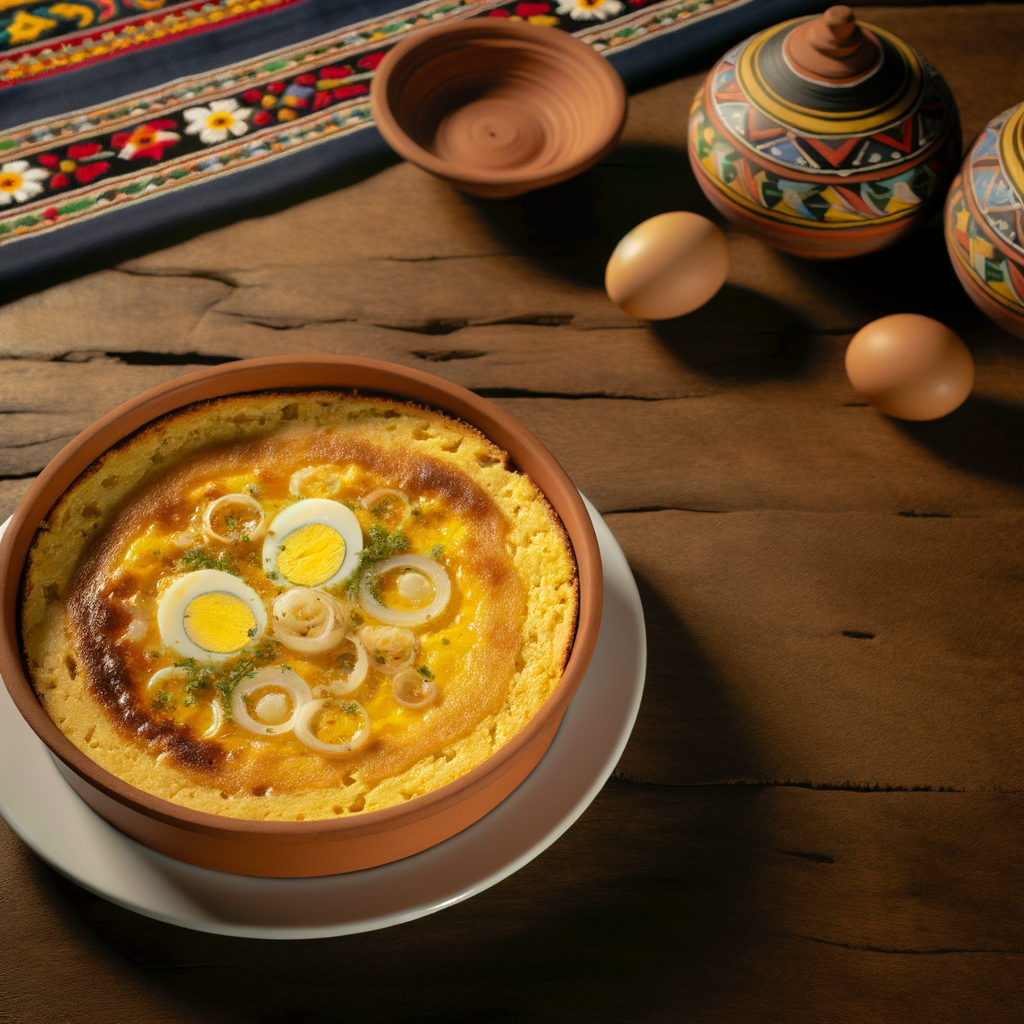
Sopa Paraguaya
Despite the name, this is not a soup, but a firm cornbread-like dish made with cornmeal, cheese, onions, and eggs. It is often served as a side dish to meat dishes and is a national pride.
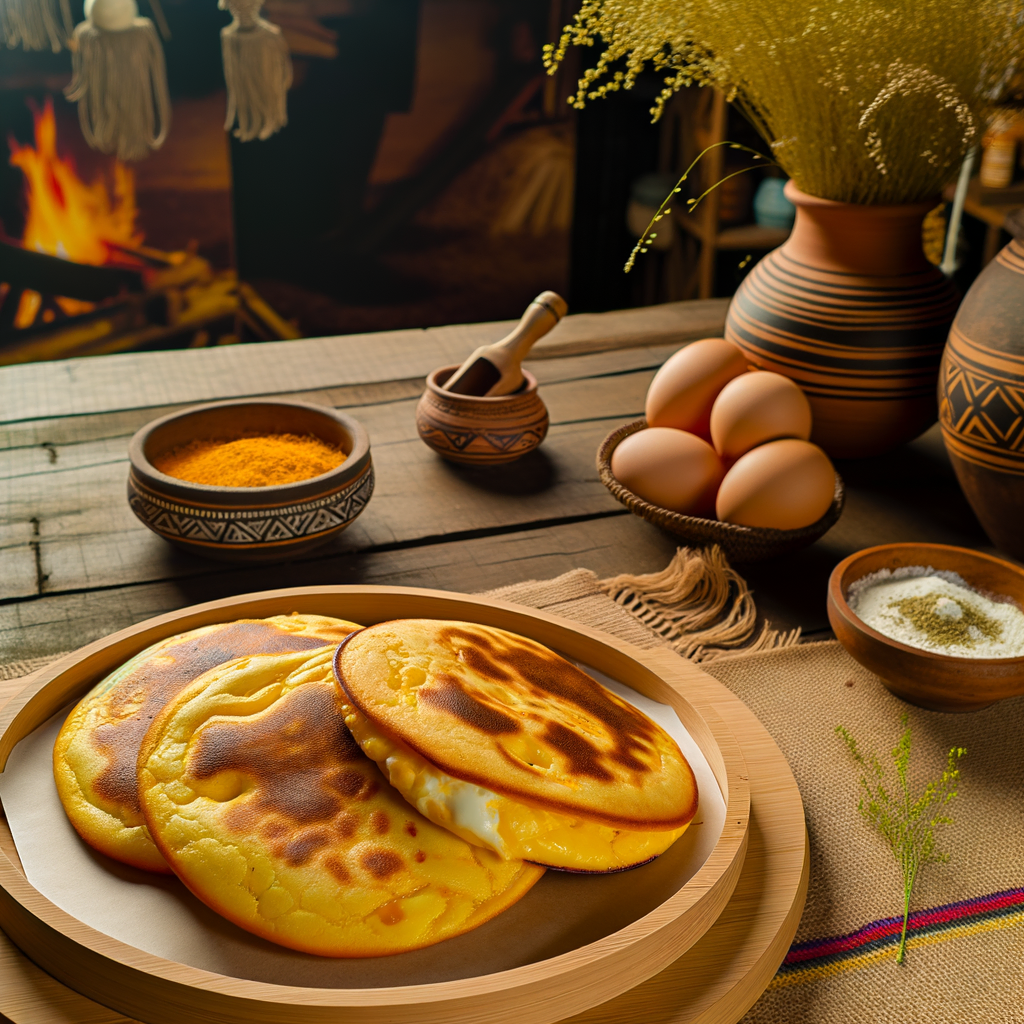
Chipa
A baked snack made from cassava flour, cheese, eggs, and anise. Chipa is popular as breakfast or a snack and is often sold by street vendors, especially during the Easter period.
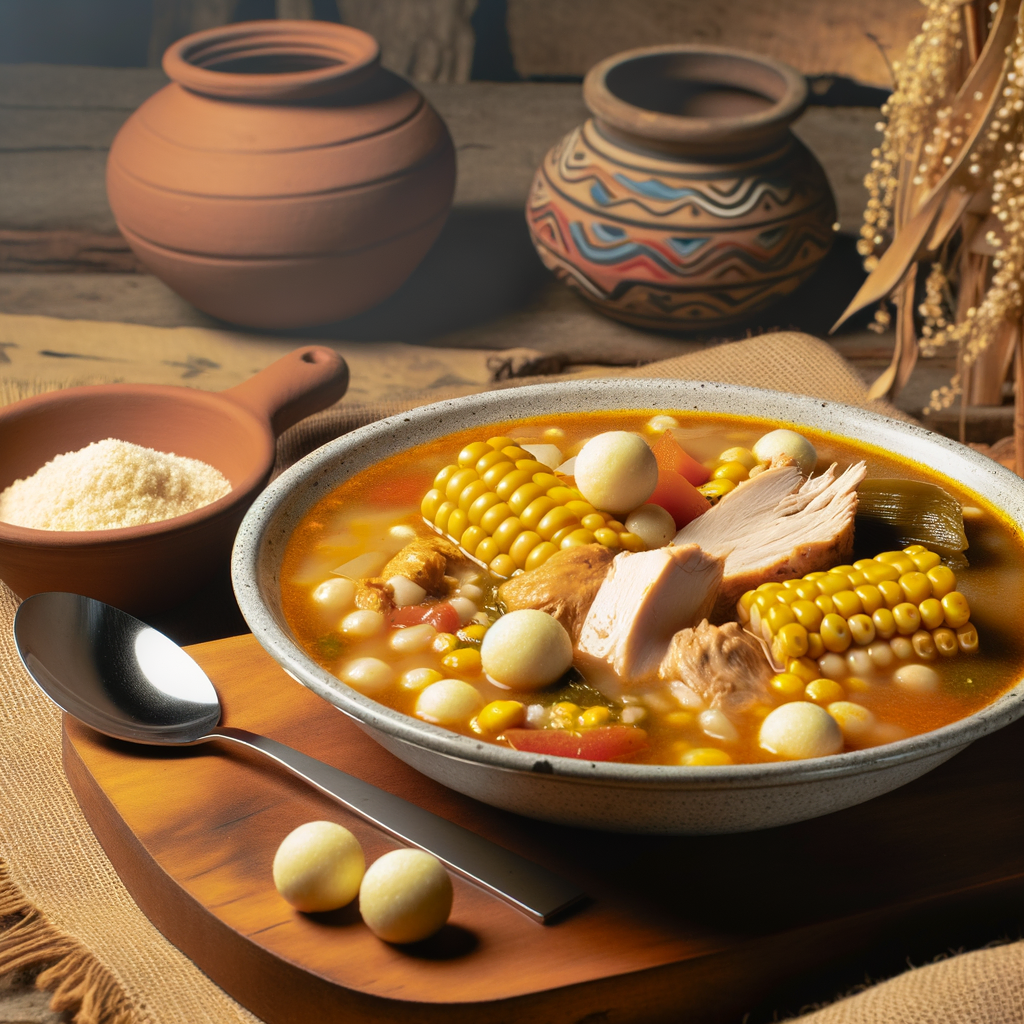
Bori Bori
A warm and hearty soup with small cornmeal and cheese balls, chicken, and vegetables. It is known as a comforting dish, especially on cool days.
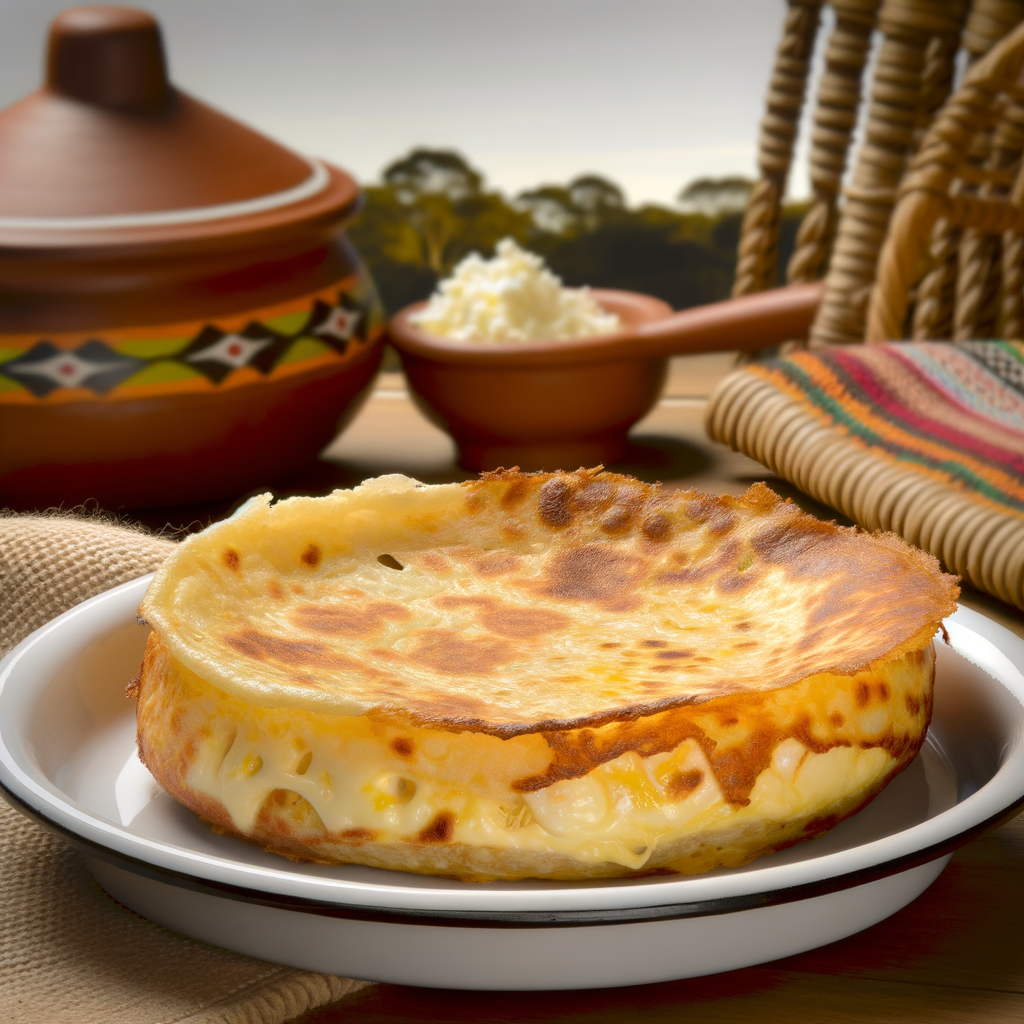
Mbejú
A thick, pan-fried cake made from cassava flour and cheese, often served for breakfast or as a snack. It has a crunchy outside and a soft inside.
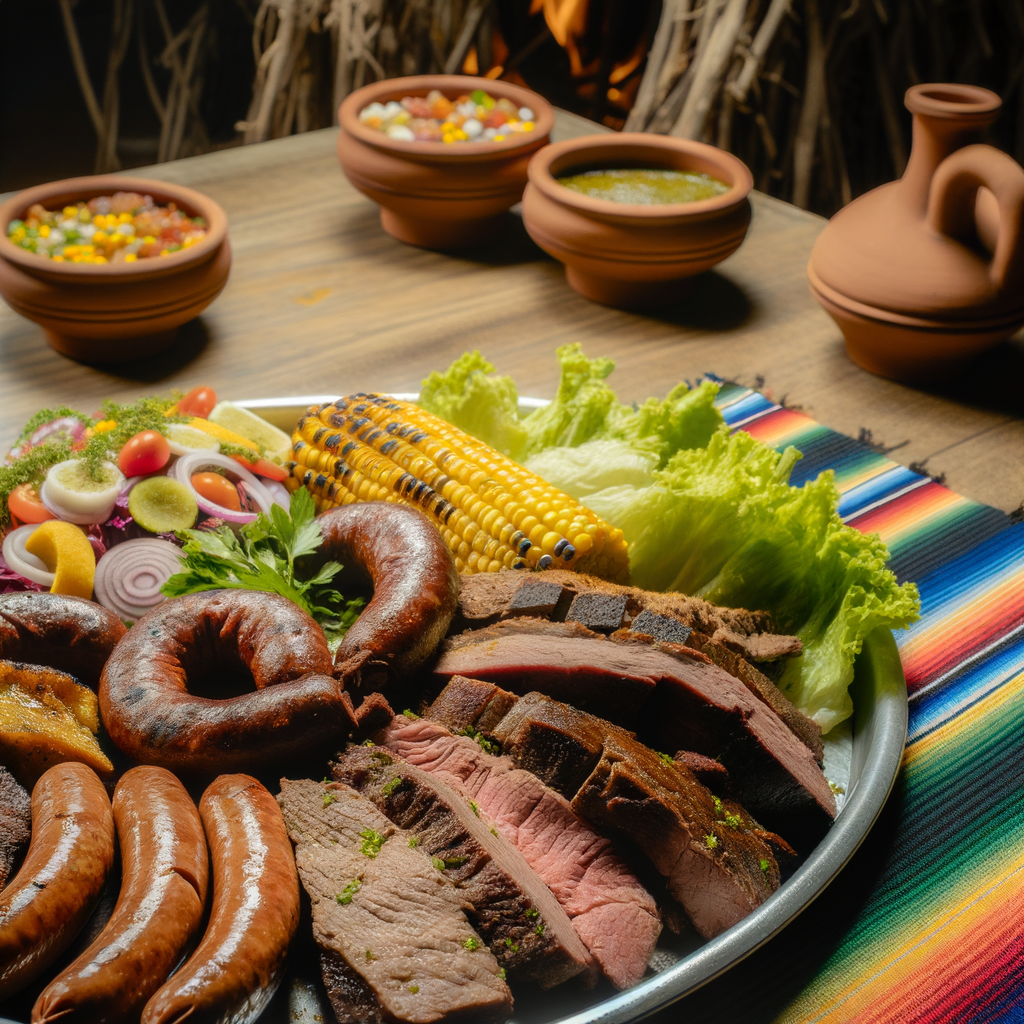
Asado
Paraguay's version of barbecue, where various cuts of beef, pork, and sausages are cooked over an open fire. Often accompanied by salads and corn-based side dishes.
Restaurant information
Tipping
Tipping is not mandatory in Paraguay, but it is appreciated to round up or give about 10% at restaurants, especially if the service has been good.
Travel information
Currency
Guaraní (₲)
Language
Spanish and Guaraní
Best time to visit
May to September
Major cities
Asunción and other major cities
More countries in South America
Discover more destinations in this region