
Romania
Romania, where medieval charm meets vibrant modernity – explore Transylvanian legends, breathtaking landscapes, and the energetic pulse of Bucharest.
Overview
Romania is a land where medieval mystique meets modern vibrancy. From the dramatic peaks of the Carpathians to the lush landscapes of the Danube Delta and the sun-kissed shores of the Black Sea, the country offers unparalleled natural experiences. Explore the historic towns of Transylvania like Brașov and Sibiu, visit the legendary Bran Castle, known as Dracula's Castle, and marvel at the opulent Peleș Castle. The spectacular Transfagarasan road winds through the mountains, revealing breathtaking views. Bucharest entices with its classic architecture, vibrant nightlife, and dynamic cultural offerings, while the authentic flavors of Romanian cuisine and the warmth of its people complete the experience.
Official language
Romanian
Government
republic
Best time to visit
May-September
Nature
Romania is a true treasure trove for travelers seeking a mix of breathtaking landscapes and authentic experiences. The Carpathian Mountains dominate the scenery with their majestic peaks, deep forests, and crystal-clear mountain lakes, perfect for hiking, skiing, and year-round outdoor adventures. The Danube Delta, one of Europe’s most biodiverse regions, is a paradise for birdwatchers and nature lovers, featuring a maze of waterways, lakes, and wetlands. The coastline along the Black Sea offers long, golden beaches and charming seaside resorts where you can bask in the sun and relax by the sea. Inland, the lush valleys, vineyards, and idyllic villages give you a sense of timelessness. Romania is also home to stunning caves, waterfalls, and protected national parks where you can experience nature in its most pristine form. From the dramatic mountain passes like the Transfagarasan to serene river landscapes, the variety is immense, and each region boasts its own unique charm. The best time to visit is from May to September, when the weather suits both mountain hikes and beach getaways.
Travel to Romania
Traveling to Romania is an experience filled with contrasts and surprises. The country is easily accessible with flights to Bucharest and several regional airports, complemented by a well-developed network of trains and buses that make exploring both cities and landscapes convenient. The ideal time to visit is from May to September, when the weather is perfect for city sightseeing, mountain hiking, and beach vacations. Travelers can combine cultural highlights such as Bran and Peleș Castles with nature experiences in the Carpathians or relaxation by the Black Sea. Prices are generally affordable, and the local hospitality ensures a memorable visit. Whether seeking adventure on the Transfagarasan route, uncovering UNESCO-protected monasteries, or enjoying vibrant nightlife in Bucharest, Romania offers a journey that is both authentic and unforgettable.
Culture
Romania's culture is a vibrant mosaic of traditions, folklore, and contemporary creativity. In Transylvania, colorful medieval towns like Sibiu and Brașov enthrall visitors with their cobblestone streets, Gothic churches, and bustling markets that echo stories from the past. Folk music and dance take center stage, especially in rural areas where age-old customs are still celebrated. Romanian cuisine, integral to the culture, includes dishes like sarmale (cabbage rolls), mămăligă (cornmeal porridge), and mititei (grilled sausages), often accompanied by local wines or spirits. Bucharest, the capital, pulses with life, boasting theaters, art galleries, and festivals that reflect both a classical heritage and a modern, cosmopolitan spirit. Traditional crafts such as pottery, weaving, and wood carving speak to a deep-rooted artistic heritage, while young artists and designers inject new energy into the cultural scene. Romania's culture is both welcoming and diverse, creating memorable encounters with its people.
History
Romania's history is a rich tapestry woven from a blend of cultures and civilizations. From ancient Dacians to Roman conquests, and medieval principalities like Moldavia, Wallachia, and Transylvania, the country has long served as a crossroads for trade, culture, and conflict. For centuries, Romania existed under the shadow of the Ottoman Empire while preserving its Christian heritage and national identity. The 19th century saw the quest for independence and the unification of Romanian provinces, while the 20th century brought monarchy, wars, and communist rule under Nicolae Ceaușescu. Following the revolution in 1989, Romania emerged as a democratic republic and has since evolved into a modern EU nation that continues to honor its historical legacy.
Top attractions
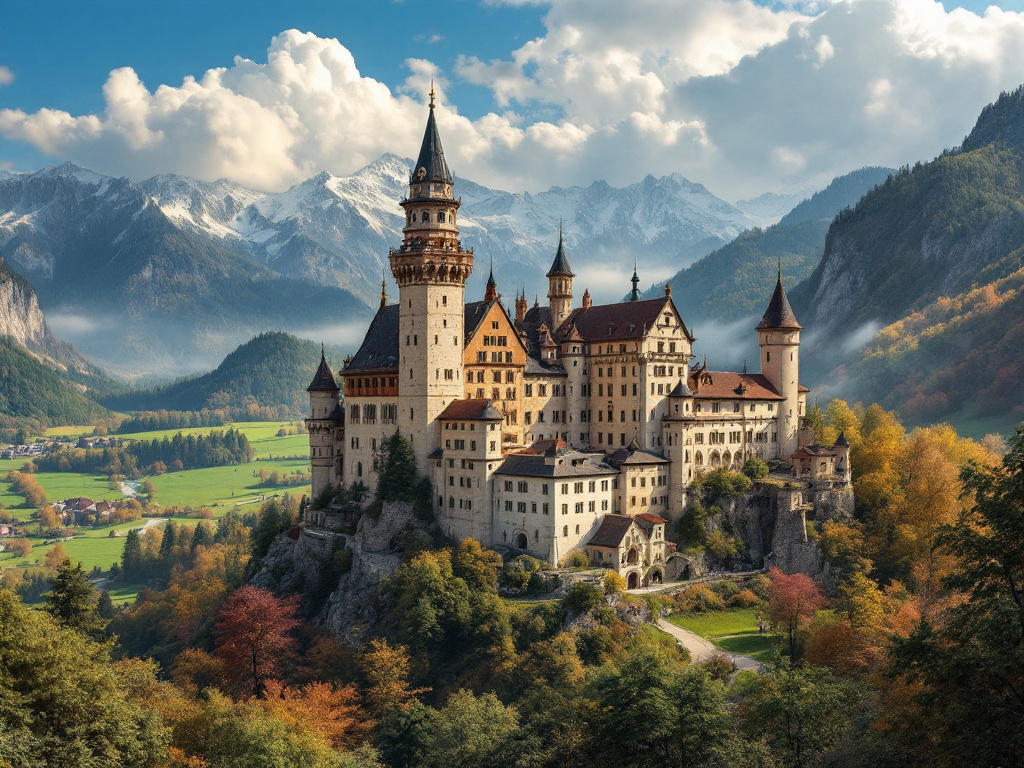
Bran Castle
An iconic medieval castle in Transylvania, known for its dramatic location and connections to the Dracula myth.
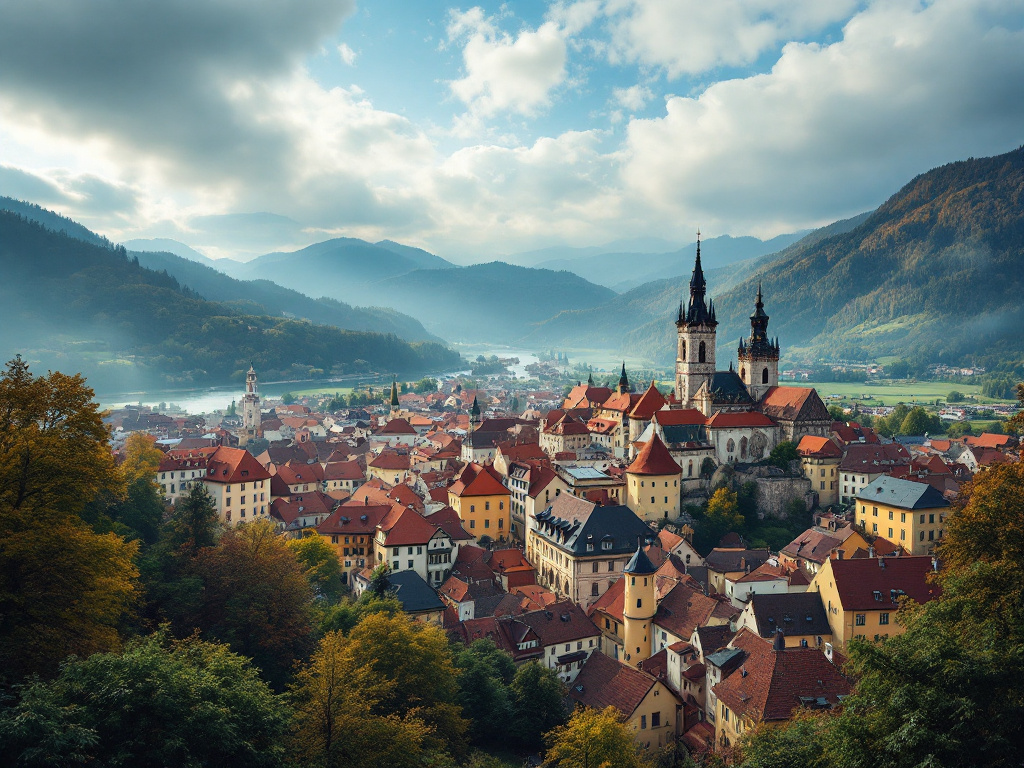
Brașov's Old Town
A charming medieval center with colorful buildings, historic churches, and lively city life.
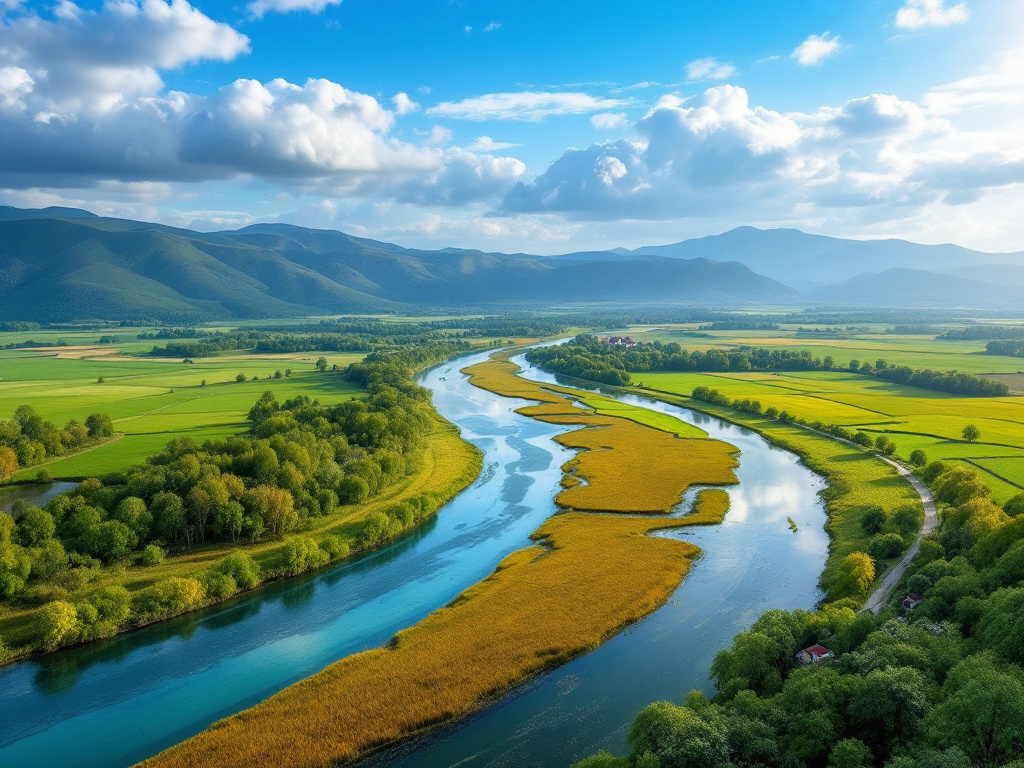
The Danube Delta
One of Europe's largest and most biodiverse delta areas with channels, lakes, and unique wildlife.
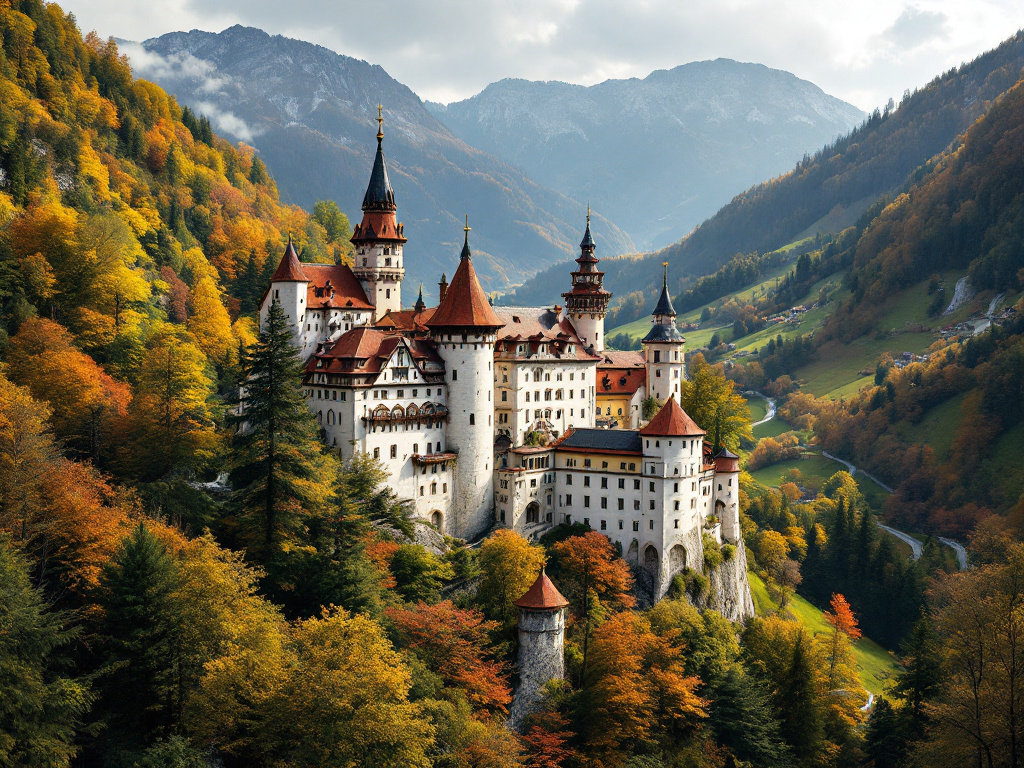
Peleș Castle
A lavish royal castle in neoclassical style, located in the Carpathians near Sinaia.
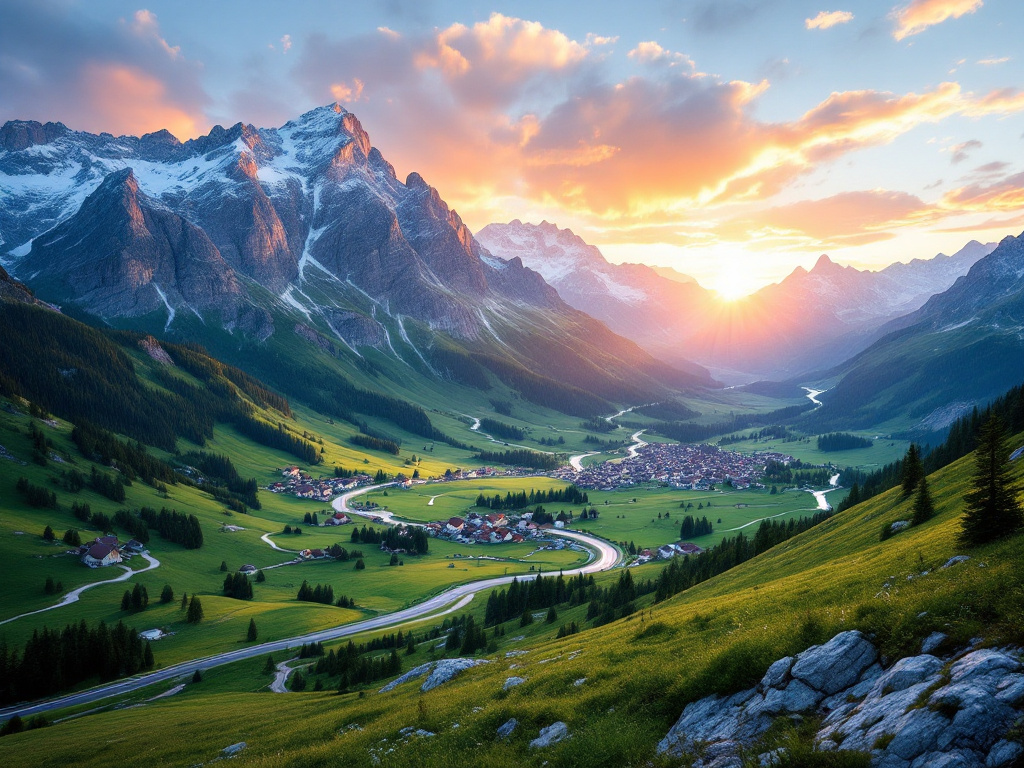
Transfăgărășan Road
One of Europe's most spectacular mountain roads, known for its dramatic turns and alpine landscapes.
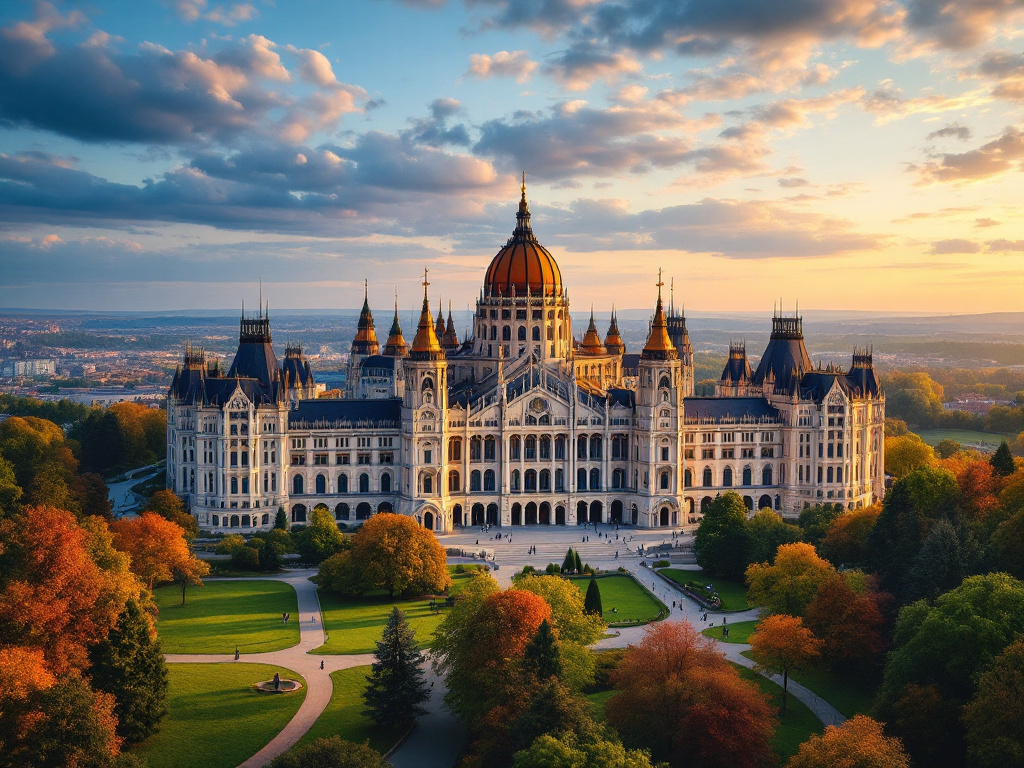
The Palace of the Parliament
A massive palace and symbol of Ceaușescu's era, which now houses Romania's parliament.
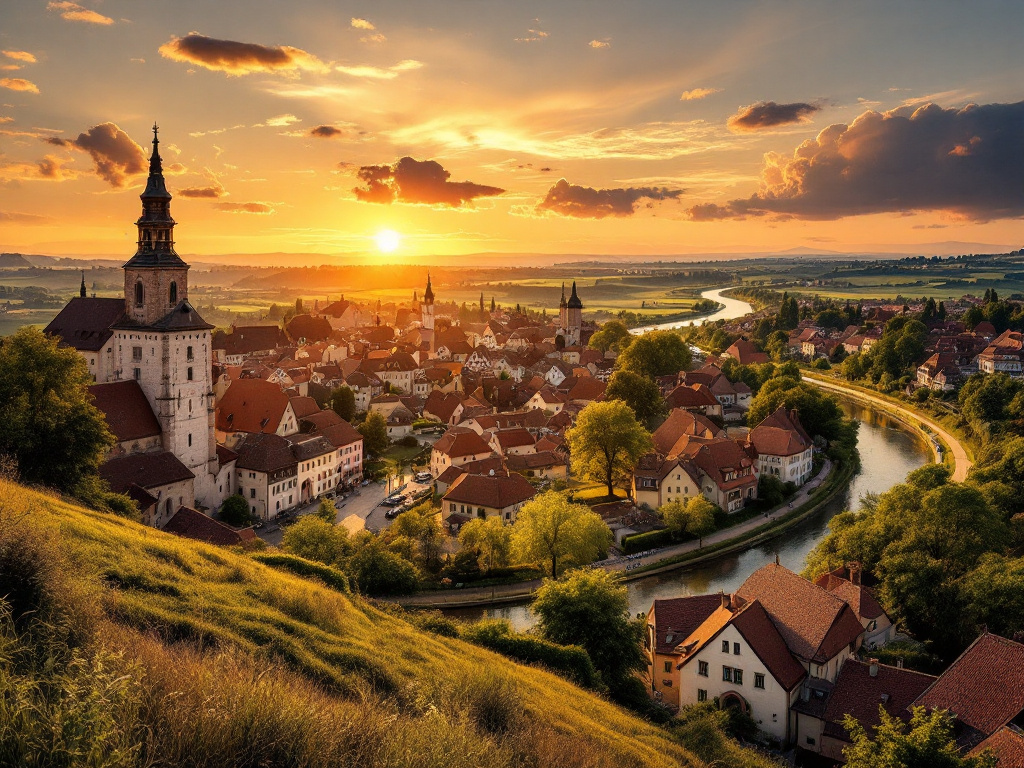
Sibiu Old Town
A well-preserved medieval town with charming squares and a strong Saxon heritage.
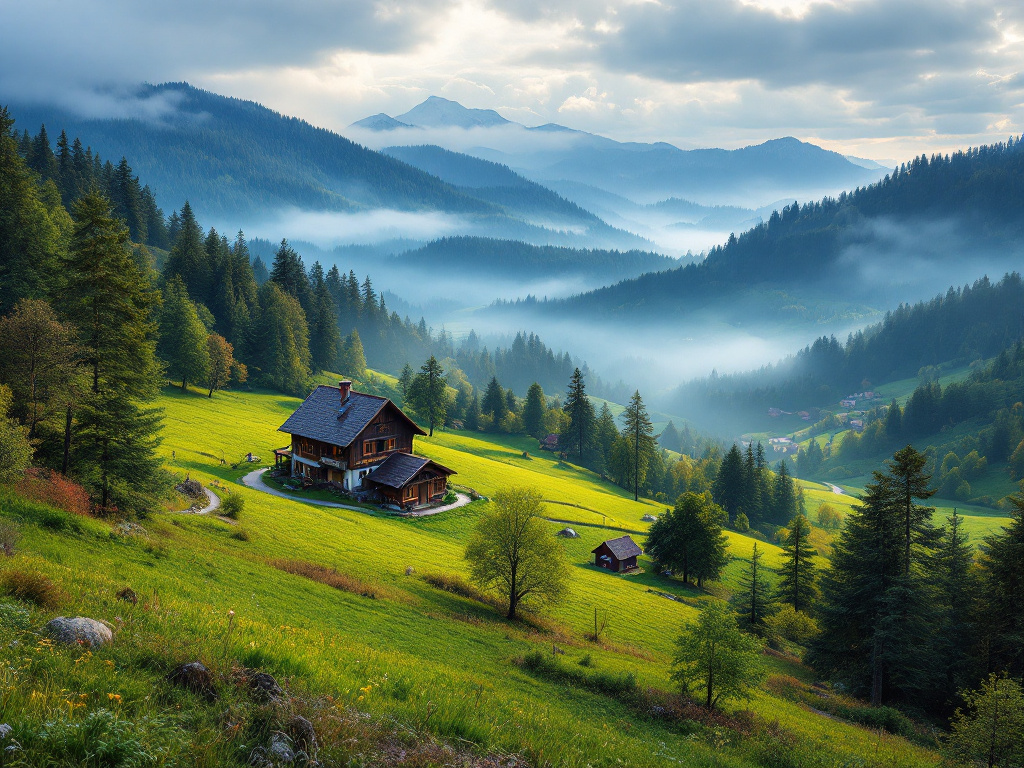
Mocănița in Maramureș
A charming steam train ride through the forests of the Maramureș region.
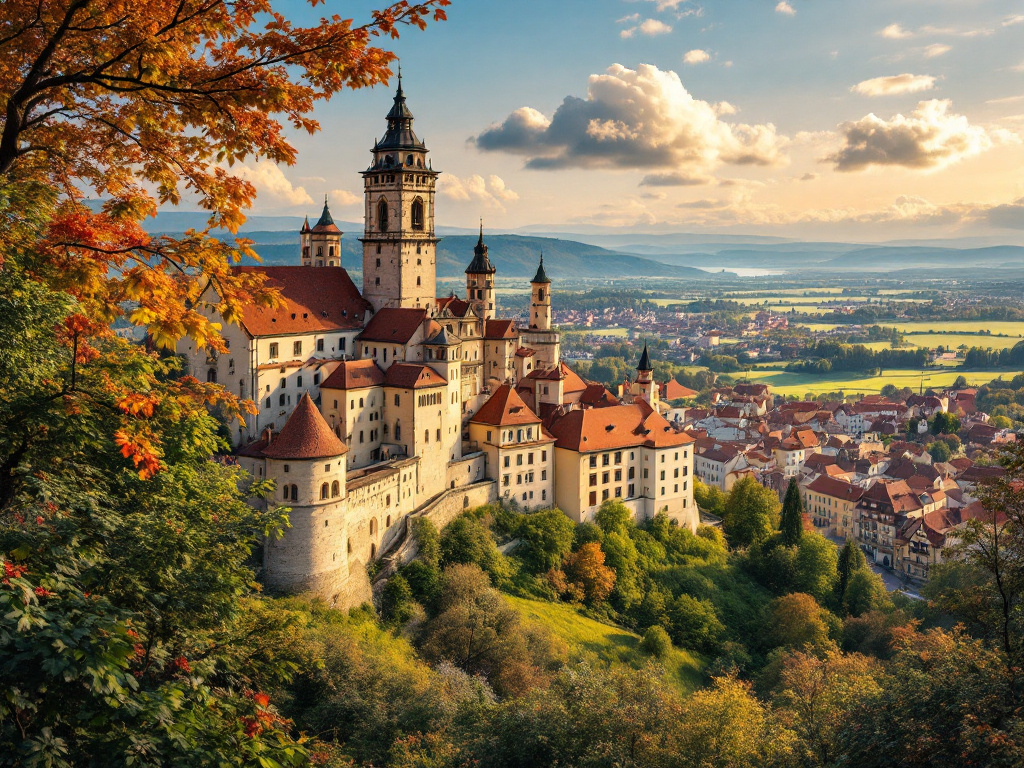
Sighișoara Citadel
A living medieval citadel and UNESCO World Heritage site with a strong historical atmosphere.
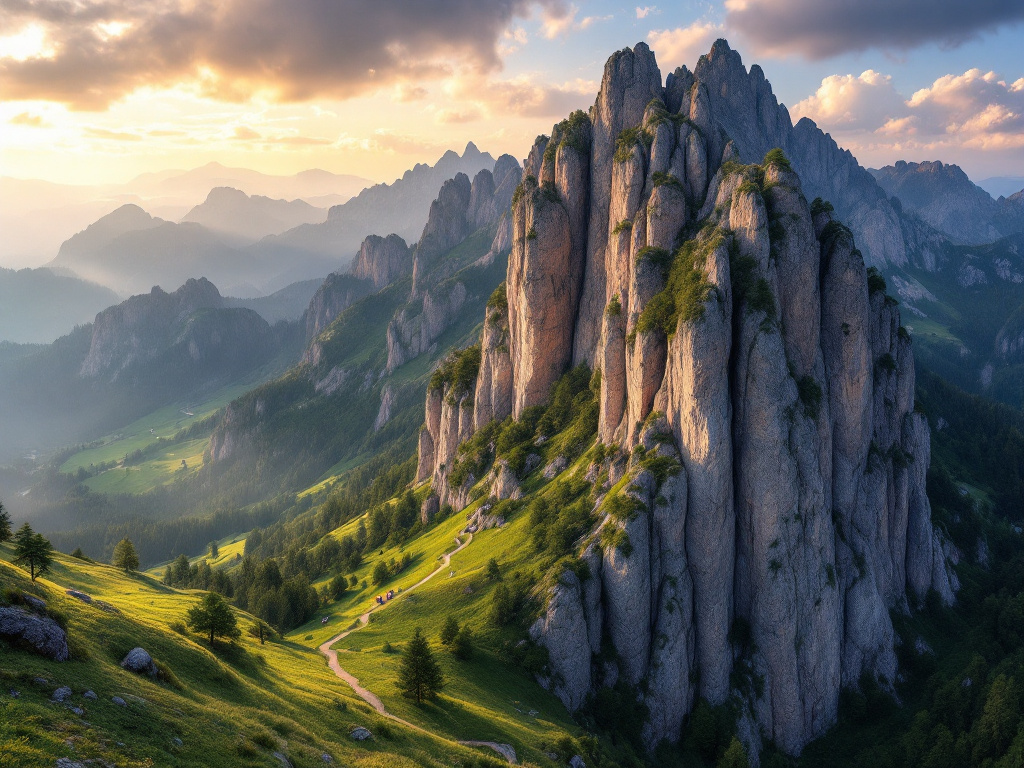
The Bucegi Sphinx
A famous rock formation in the Bucegi Mountains, surrounded by myths and mountain views.
Famous cuisine
Culinary overview
Romanian cuisine is a flavorful blend of Balkan, Turkish, Hungarian, and Slavic influences. Traditional dishes are often based on local ingredients such as cabbage, cornmeal, pork, and fresh vegetables. Meals are hearty and filling, and many recipes have been passed down through generations. Hospitality plays a significant role in food culture, and it is not uncommon to be offered homemade food and drinks when visiting people. From rustic village inns to modern restaurants in Bucharest, one can experience everything from classic dishes to innovative interpretations of Romanian cuisine.
Must-try dishes
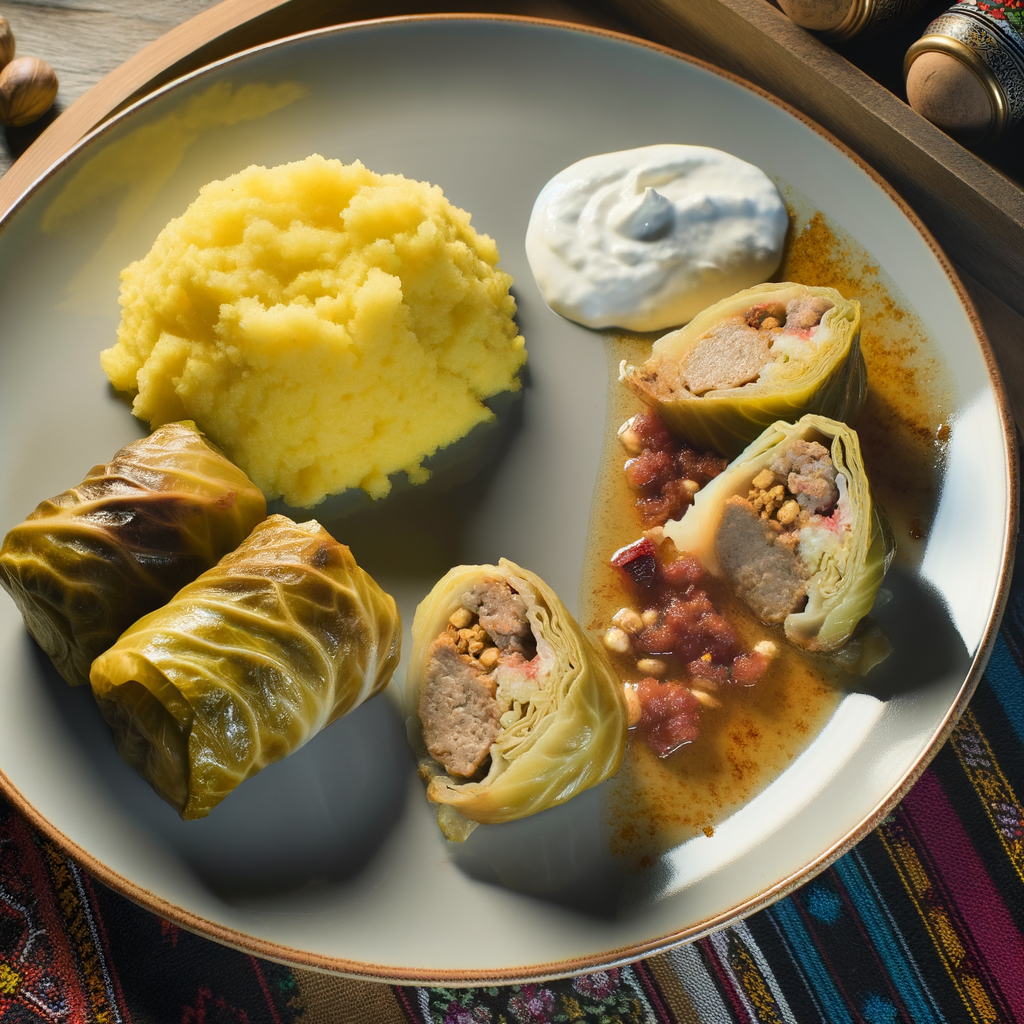
Sarmale
Cabbage rolls filled with a mixture of minced pork, rice, and spices, often served with mămăligă and sour cream.
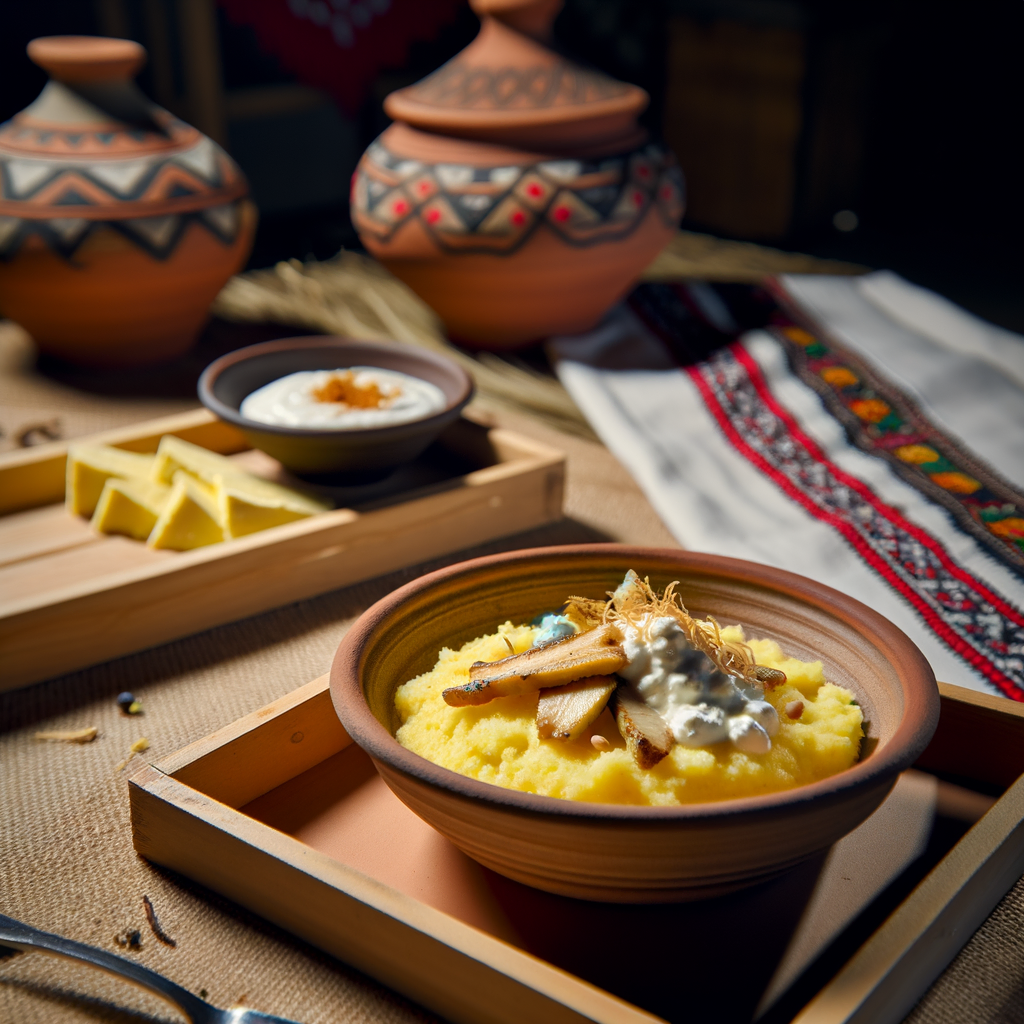
Mămăligă
A traditional cornmeal porridge similar to polenta, served as a side dish to meat dishes or with cheese and sour cream.
.webp)
Mititei (Mici)
Grilled sausage-shaped rolls made from a mixture of beef, pork, and lamb, seasoned with garlic and herbs.
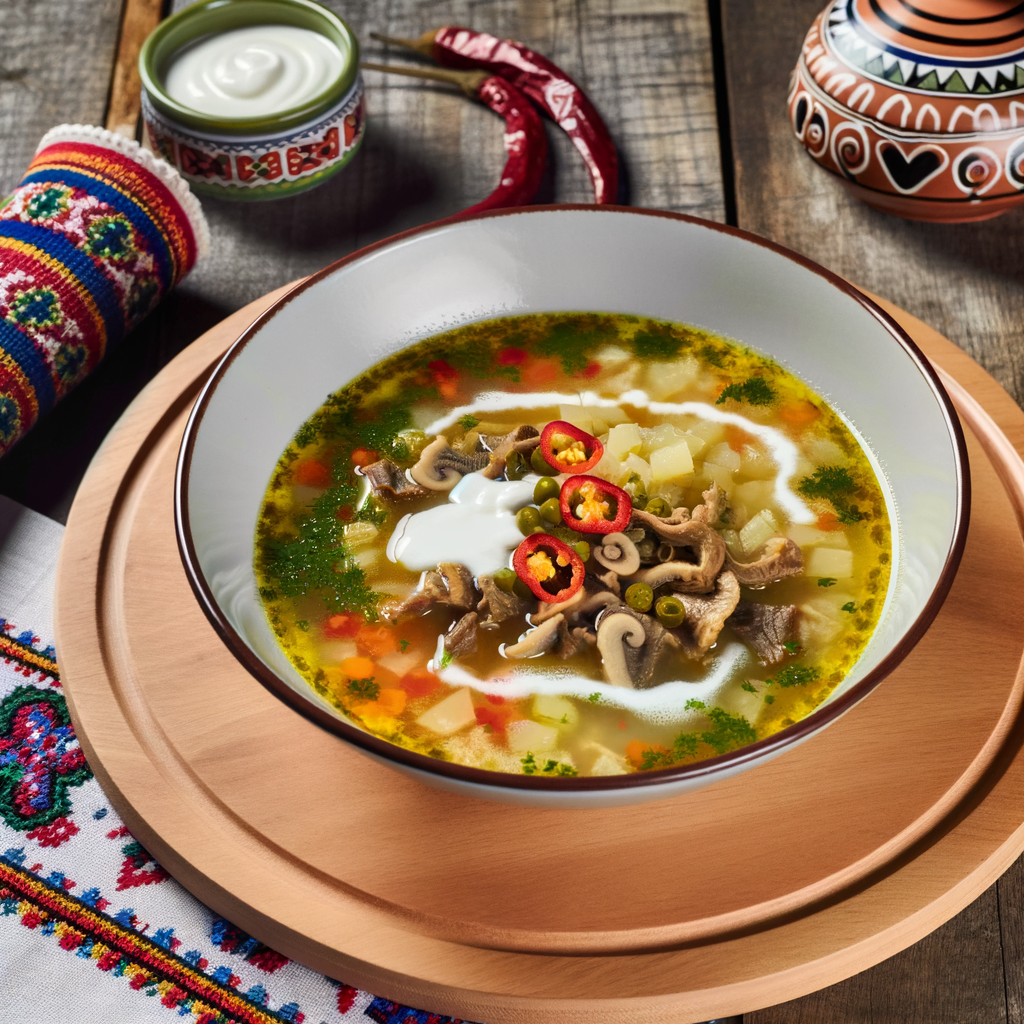
Ciorbă de burtă
A sour soup made from tripe (beef stomach), vegetables, and vinegar, served with sour cream and chili.
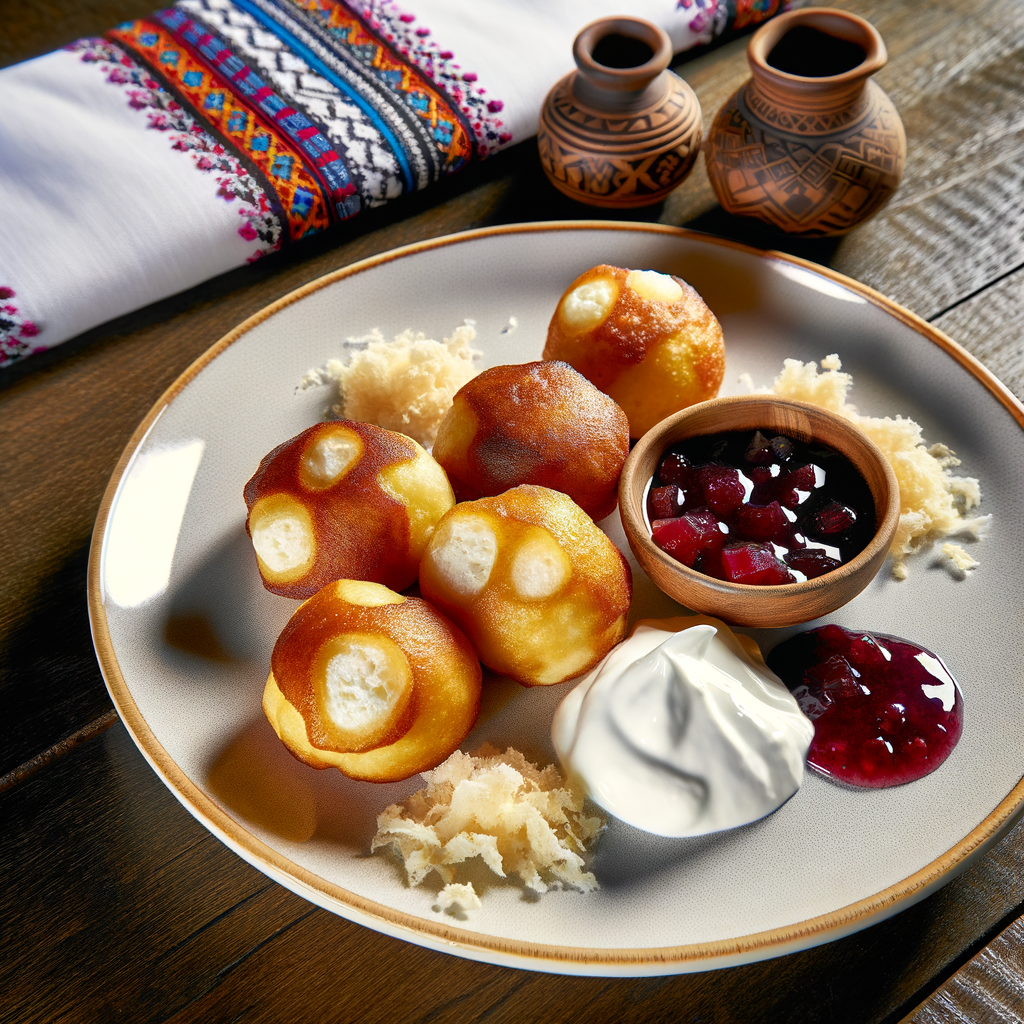
Papanasi
A dessert made of fried or boiled dough balls filled with fresh cheese, served with sour cream and jam.
Restaurant information
Tipping
In Romania, it is common to give 5-10% in tips at restaurants if the service has been good. At cafes and bars, it is often customary to round up the bill.
Travel information
Currency
Rumænsk leu (RON)
Language
Romanian
Best time to visit
May-September
Major cities
Bukarest and other major cities
More countries in Europe
Discover more destinations in this region