
Serbia
Serbia, the heart of the Balkans, offers vibrant cities like Belgrade and Novi Sad, breathtaking natural experiences, and a rich cultural tapestry – a hidden gem off the beaten path waiting to be explored.
Overview
Serbia, the heart of the Balkans, is a hidden gem for travelers seeking authentic experiences away from the well-trodden paths. Here, vibrant city life in Belgrade intertwines with historical neighborhoods, lively cafes along the Danube and Sava rivers, and a nightlife that ranks among the best in Europe. Novi Sad attracts music lovers with the iconic EXIT Festival, while nature reveals its splendor in Djerdap National Park’s dramatic gorges and Tara National Park’s unspoiled forests. With historical masterpieces like the Studenica Monastery and a culinary journey featuring delicious flavors like ćevapi and ajvar, Serbia promises an unforgettable destination filled with warmth, flavor, and adventure.
Official language
Serbian
Government
republic
Best time to visit
May-June and September-October
Nature
Serbia's landscapes are a treasure trove for nature enthusiasts, offering a diverse array of stunning vistas year-round. Djerdap National Park, famously known as the Iron Gates, features one of Europe’s most impressive river gorges where the Danube cuts through steep cliffs, providing dramatic views that are a photographer's dream. Meanwhile, Tara National Park is a paradise of deep forests, crystal-clear rivers, and breathtaking mountain landscapes ideal for hiking, rafting, and wildlife watching. The fertile plains of Vojvodina are dotted with quaint villages and vineyards, where time seems to stand still. From snow-capped mountains in winter to blooming meadows in spring, Serbia's natural beauty is not just alluring but also deeply intertwined with the country’s culture and history, making every outdoor adventure a holistic experience.
Travel to Serbia
Traveling to Serbia is an experience brimming with contrasts and authenticity. The country remains relatively undiscovered by mass tourism, offering travelers the chance to explore both cities and nature in quieter settings. Belgrade is a must-visit, showcasing a blend of historical sites, vibrant cafes, and a nightlife scene that competes with the best in Europe. Novi Sad shines with world-class culture and music, particularly during the EXIT Festival. Nature parks like Djerdap and Tara present breathtaking landscapes and outdoor activities. Serbian cuisine is a highlight in itself, and the warm hospitality enhances every visit. The best times to travel are spring and early autumn when the weather is mild, perfect for both city strolls and nature excursions. Reaching Serbia is easily accomplished with flights to Belgrade or through neighboring countries, with generally affordable prices making it an attractive choice for both adventurers and culture seekers.
Culture
Serbia's culture is a vibrant tapestry woven from centuries of Eastern and Western influences, shaped by its rich Balkan history. Known for their legendary hospitality, Serbians often greet visitors as family, offering a warm welcome that can be felt throughout the country. Music is at the heart of Serbian life, with everything from traditional folk melodies to modern pop and rock dominating the scene, highlighted by major events like the EXIT Festival in Novi Sad, which draws international artists and crowds alike. Belgrade boasts a pulsating nightlife alongside theaters and galleries nestled in historic neighborhoods like Skadarlija, where art and bohemian atmosphere thrive. The Serbian culinary landscape offers tantalizing dishes such as ćevapi, sarma, pljeskavica, and the spicy ajvar, often paired with local wines or rakija. Religion and tradition remain influential, with numerous Orthodox churches and monasteries narrating the country’s spiritual heritage, making festivals filled with music, dance, and lavish meals a unique chance for travelers to experience Serbia's soul.
History
Serbia's history is marked by its strategic position at the crossroads of East and West on the Balkan Peninsula, serving as a hub for trade, culture, and conflict throughout the centuries. From ancient Roman provinces to the medieval Serbian kingdom, the nation has a legacy steeped in rich stories. The medieval Studenica Monastery, founded in the 12th century, stands as a UNESCO World Heritage Site and a masterpiece of Serbian Orthodox architecture. The country has experienced profound influences from the Ottoman and Austro-Hungarian empires, which can be seen in its cities' architecture and cultural practices. In the 20th century, Serbia was part of Yugoslavia, and its contemporary history has been closely tied to the dissolution of this state in the 1990s. Today, Serbia emerges as an independent republic that cherishes its rich heritage while looking forward to greater international collaboration.
Top attractions
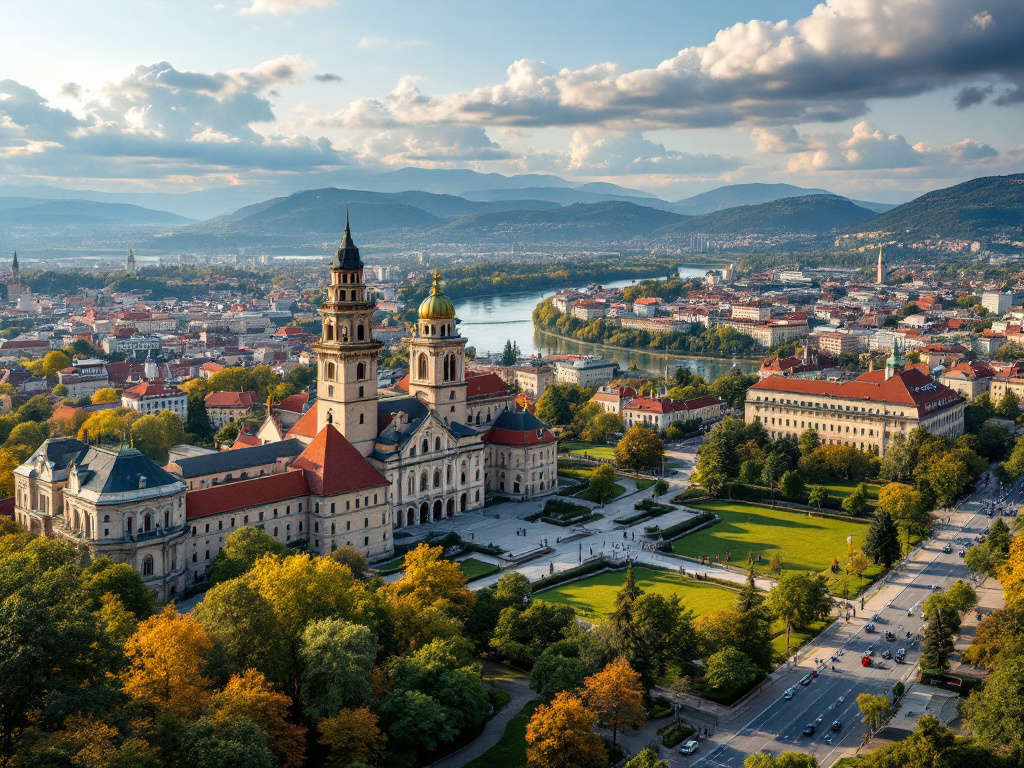
Kalemegdan Fortress
A historical fortress and park in the heart of Belgrade with impressive views of the rivers and the city.
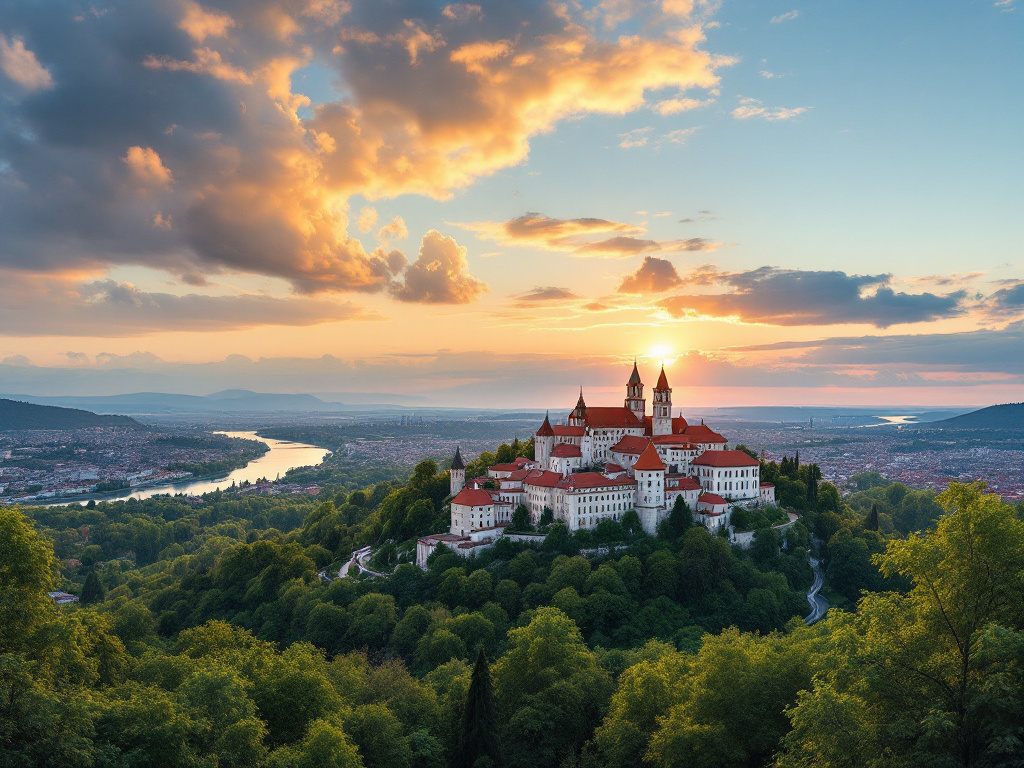
Petrovaradin Fortress
A massive fortress from the 18th century with panoramic views of Novi Sad and the Danube.
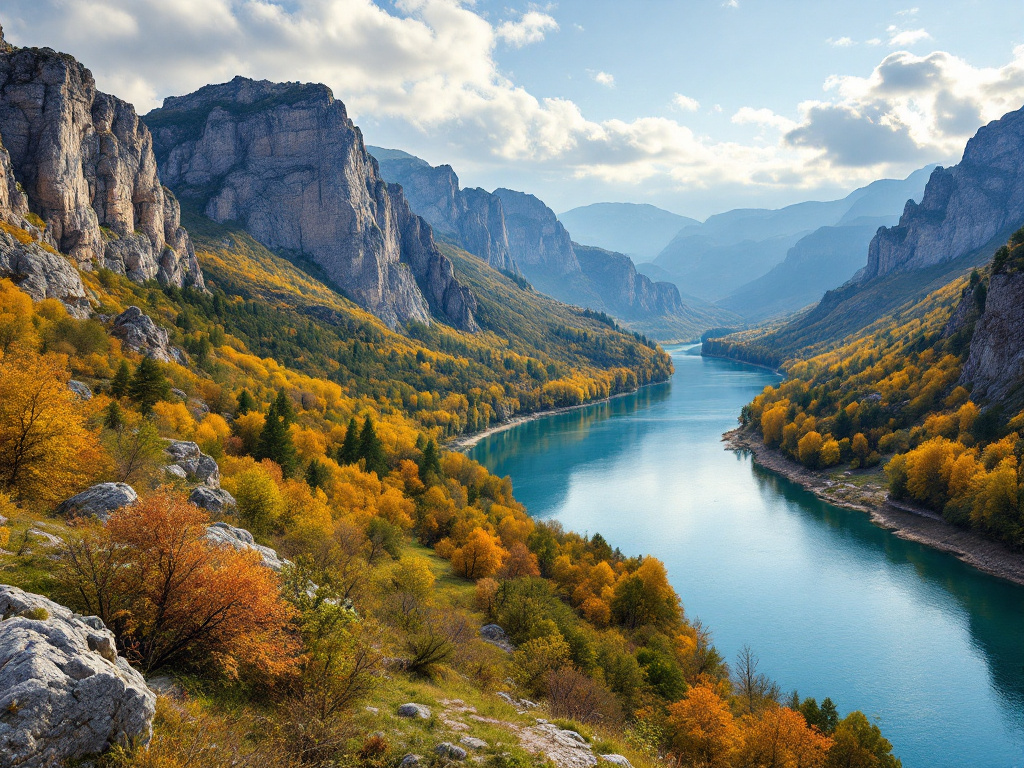
Đerdap National Park
Serbia's largest national park with spectacular gorges along the Danube.
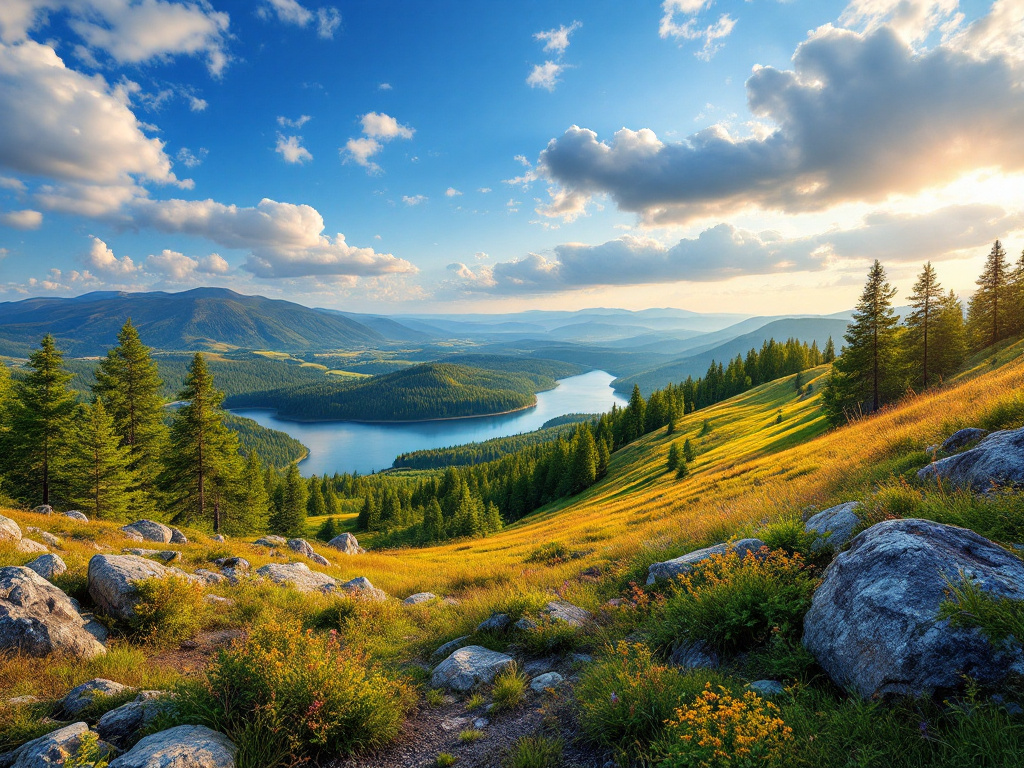
Tara National Park
A mountain area known for pristine nature, deep forests, and beautiful views.
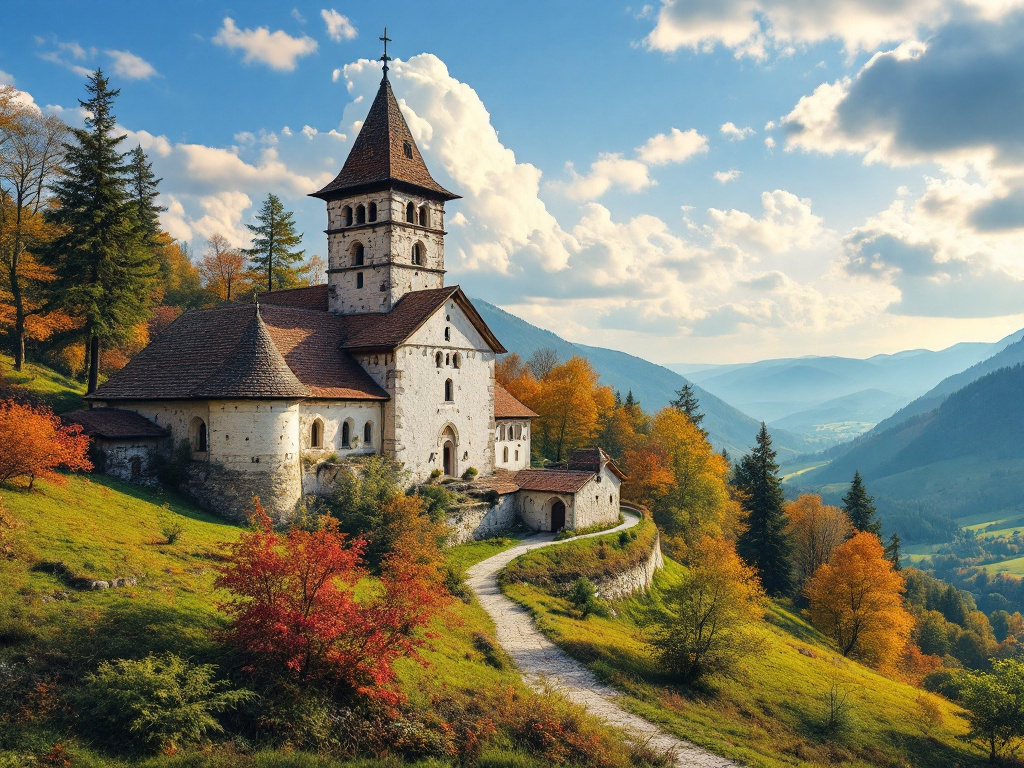
Studenica Monastery
One of Serbia's most important medieval monasteries and part of UNESCO's world heritage.
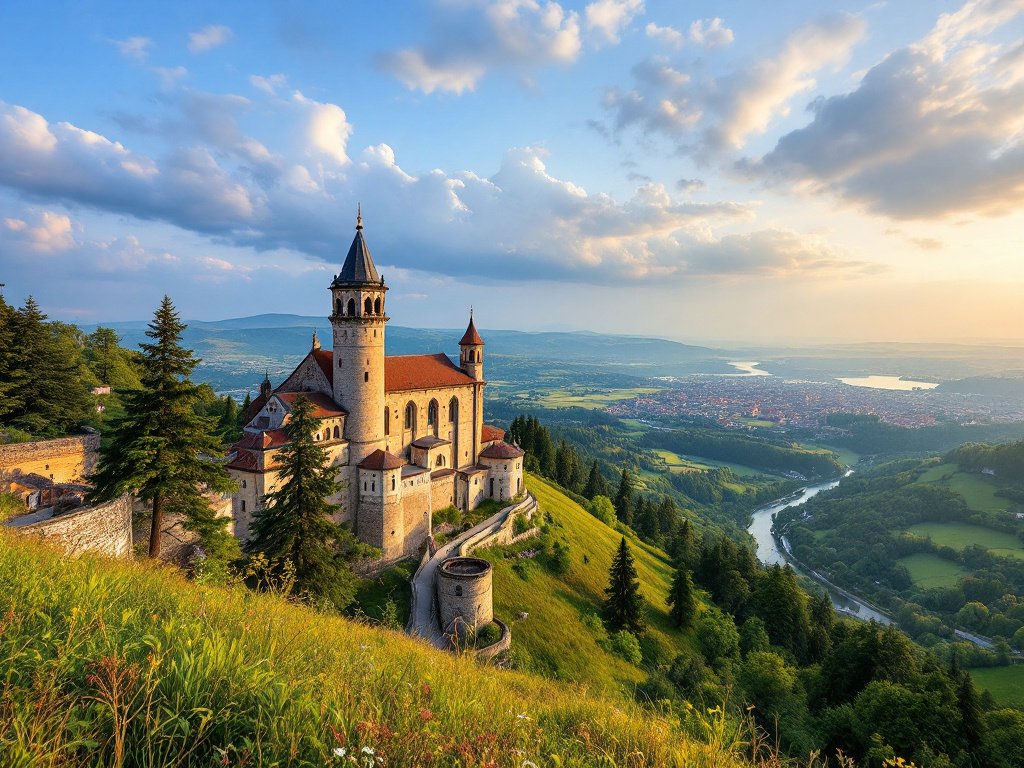
Niš Fortress
A well-preserved fortress in the center of Niš with historical layers from several epochs.
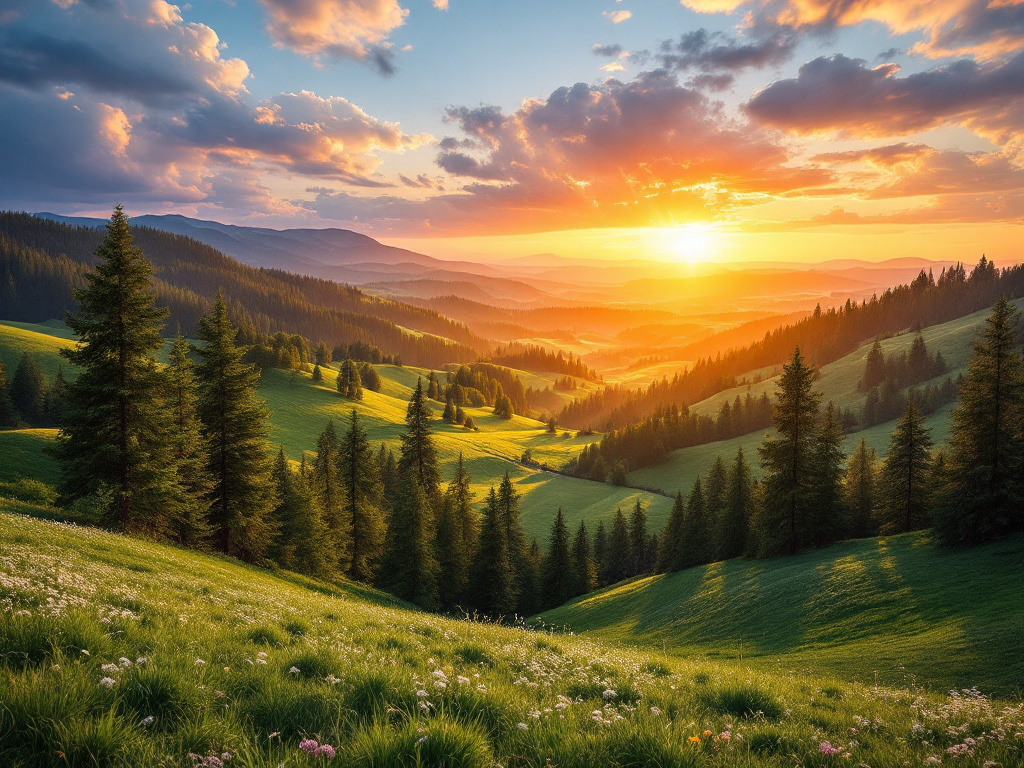
Zlatibor Mountain Area
A popular mountain area known for recreation, nature, and holiday atmosphere.
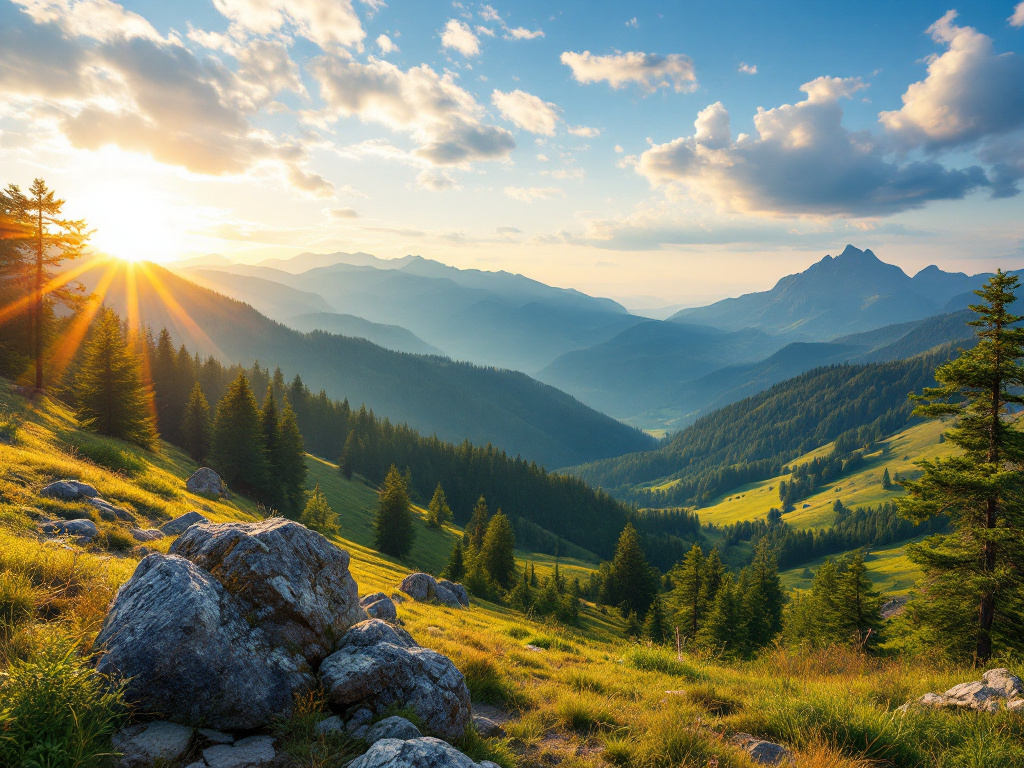
Kopaonik National Park
A versatile national park area known for winter sports and summer activities.
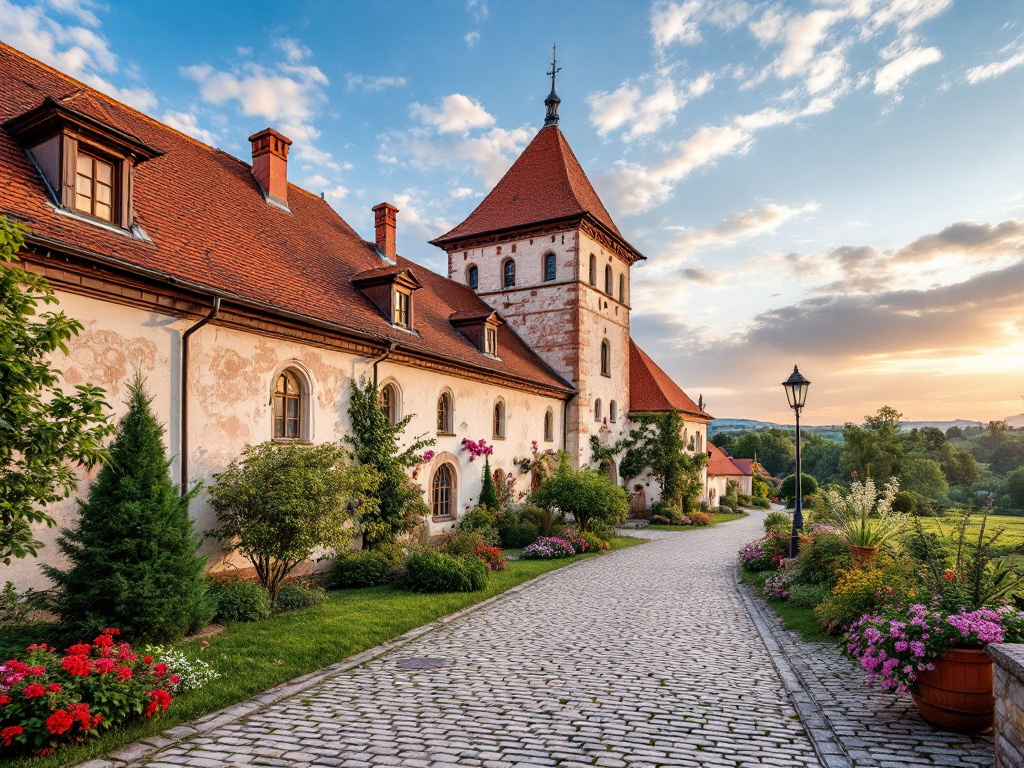
Sremski Karlovci Old Town
A charming historic town known for wine, culture, and architectural heritage.
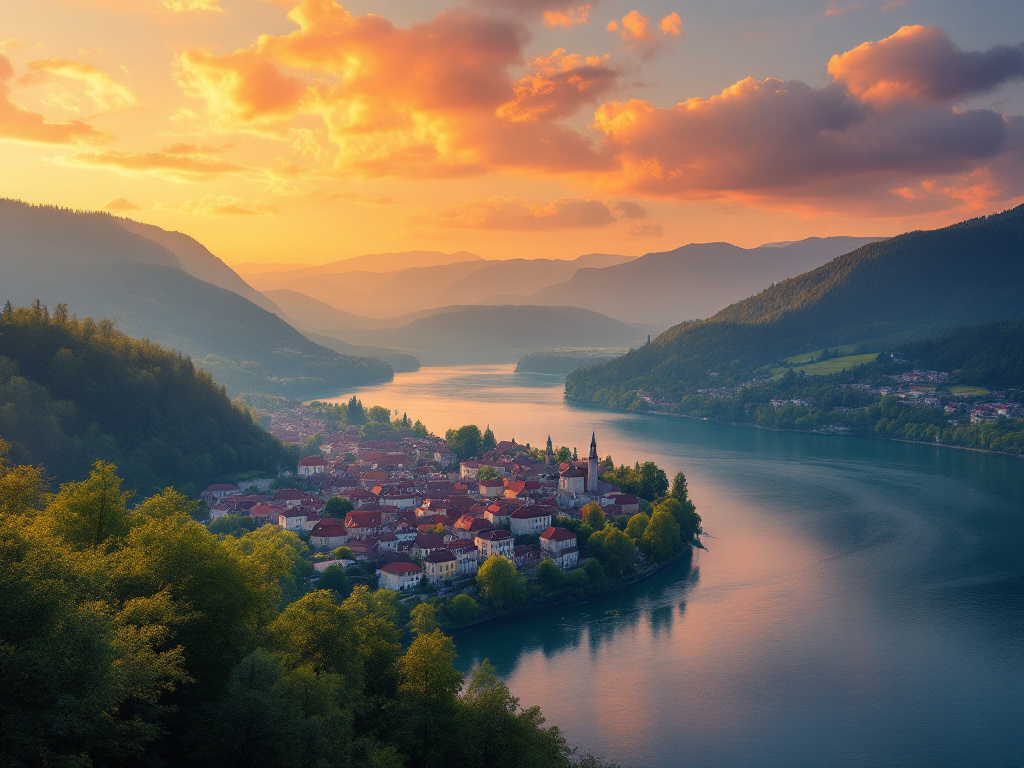
Golubac Fortress
An impressive medieval fortress dramatically located by the Danube river.
Famous cuisine
Culinary overview
Serbian cuisine is a flavorful blend of Ottoman, Central European, and Mediterranean influences. Meals are often hearty and based on fresh ingredients, meat, vegetables, and bread. Traditional 'kafana' restaurants serve classic dishes accompanied by rakija, a strong fruit brandy. Markets are filled with fresh vegetables, homemade cheese, and dried meats. Hospitality is an important part of the food culture, and meals are often shared in large portions, where everyone tastes a bit of everything.
Must-try dishes
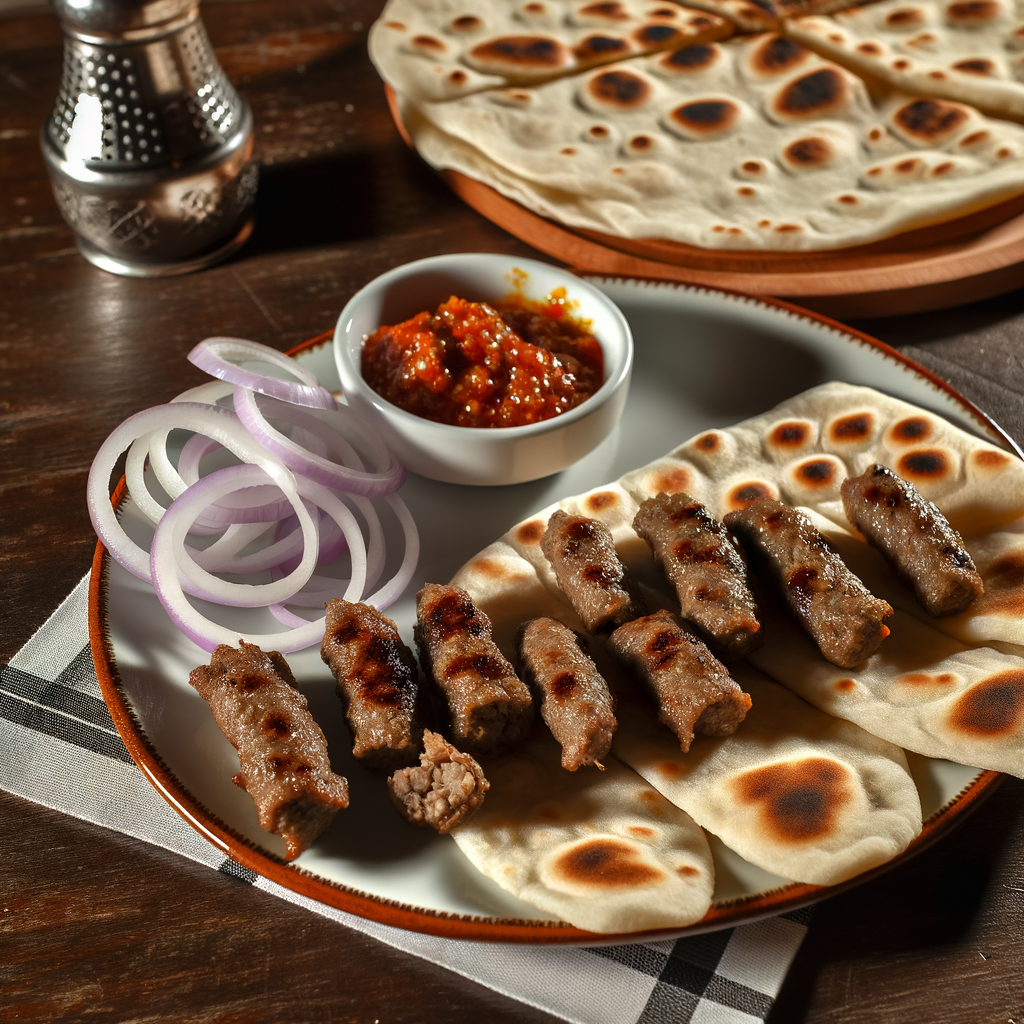
Ćevapi
Small grilled meat rolls made of minced beef and lamb, served with chopped onions, flatbread (lepinja), and often ajvar.
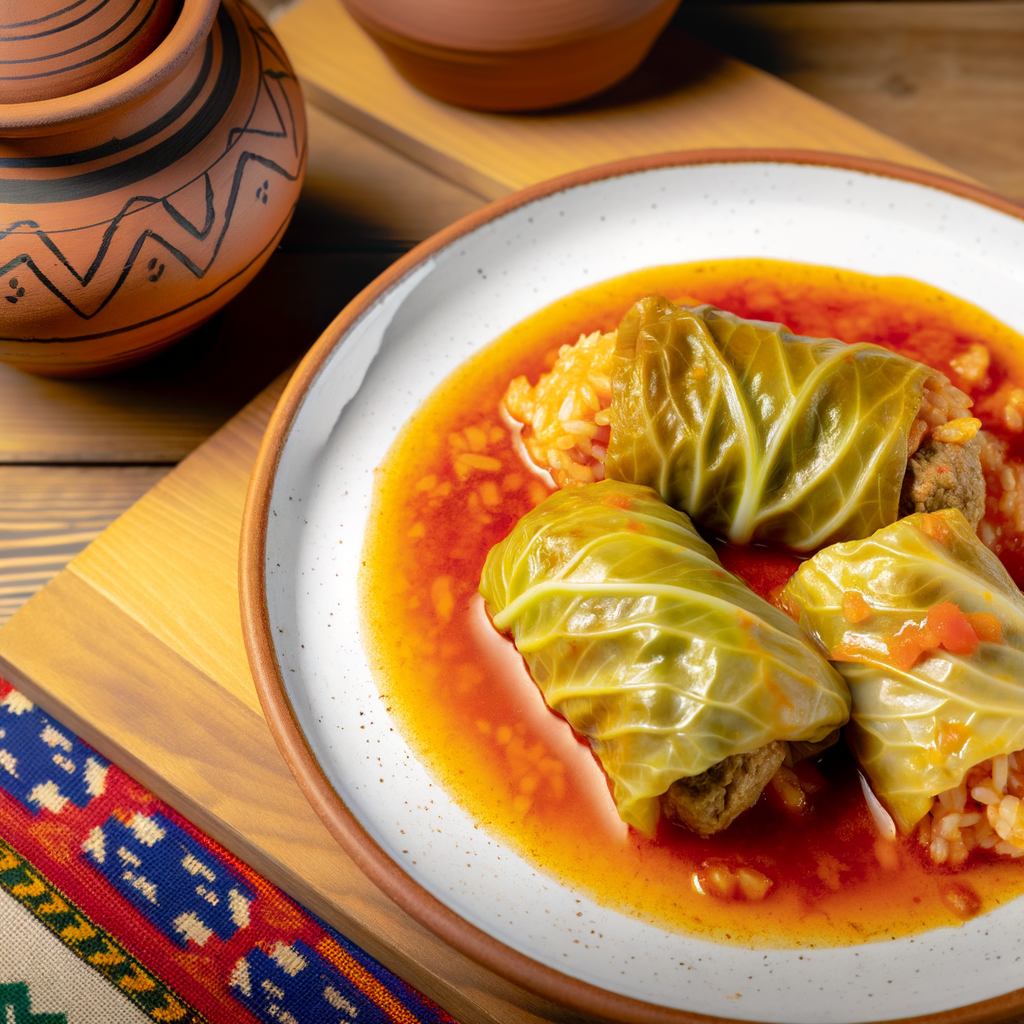
Sarma
Cabbage rolls filled with minced meat and rice, simmered for several hours in a rich tomato sauce – a classic winter dish.
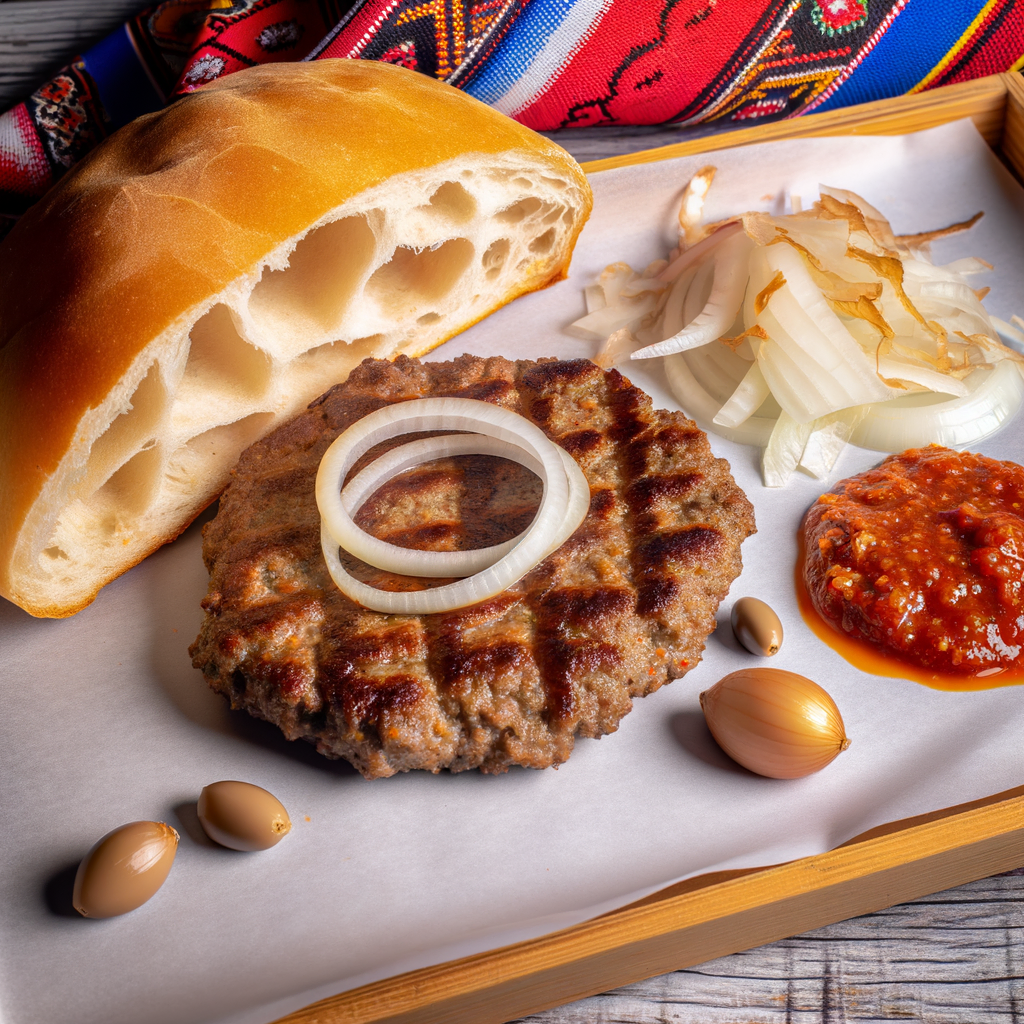
Pljeskavica
A large, spiced minced meat patty of beef or pork, often served in bread with onions, kajmak, and ajvar.
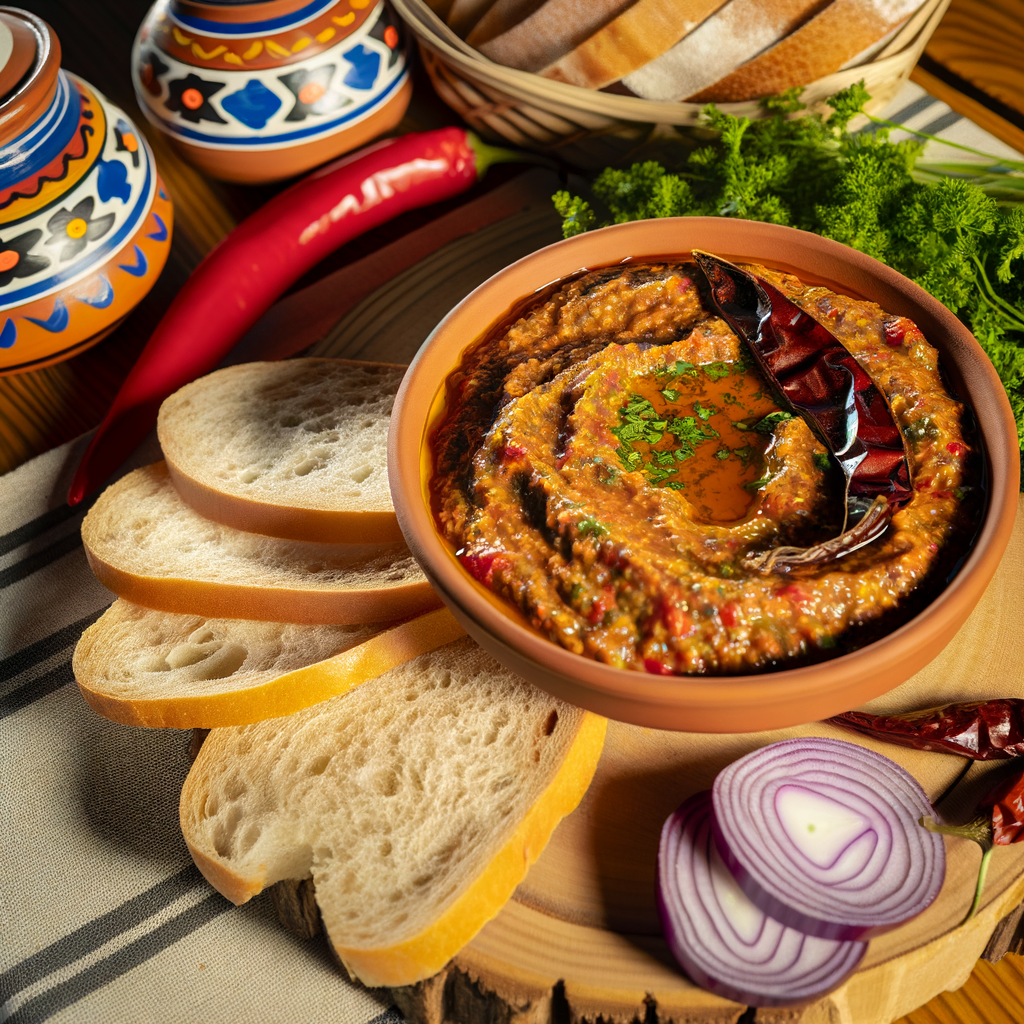
Ajvar
A creamy, spicy pepper and eggplant dip used as a side dish for meat dishes or as a spread.
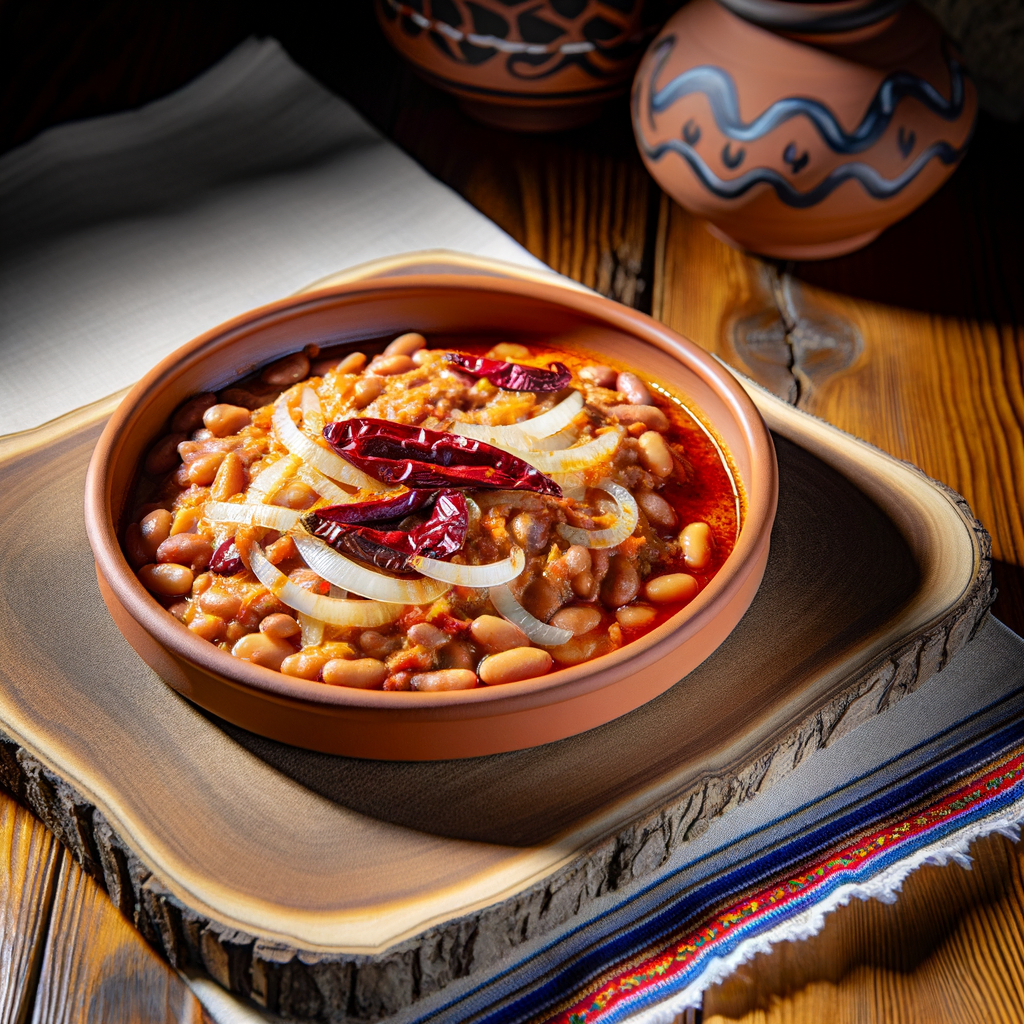
Prebranac
A traditional bean dish baked with onions and paprika, popular as both a main dish and a side.
Restaurant information
Tipping
In Serbia, it is common to give 10% in tips at restaurants if the service has been good. In cafés and bars, it is often customary to round up to the nearest whole amount.
Travel information
Currency
Serbisk dinar (RSD)
Language
Serbian
Best time to visit
May-June and September-October
Major cities
Beograd and other major cities
More countries in Europe
Discover more destinations in this region