
Rwanda
Rwanda, the land of a thousand hills, captivates with its majestic volcanoes, lush rainforests, and rare mountain gorillas, while Kigali shines as one of Africa's most charming cities.
Overview
Rwanda captivates with its stunning volcanoes, lush rainforests, and rare mountain gorillas, while Kigali shines as one of Africa's most charming cities. This remarkable country offers diverse experiences from trekking through the misty slopes of the Virungas to relaxing on the shores of Lake Kivu. Akagera National Park provides thrilling safari adventures, while the Kigali Genocide Memorial offers deep insights into the country's past. With its combination of natural beauty, rich culture, and warm hospitality, Rwanda is a destination that surprises and inspires travelers, making it an unforgettable journey into Africa's heart.
Official language
Kinyarwanda
Government
Presidential republic
Best time to visit
June to September
Nature
Rwanda, known as the 'Land of a Thousand Hills', is a breathtaking destination in East Africa where dramatic landscapes meet an abundance of wildlife. In the northwest, the majestic Virunga volcanoes rise high, often cloaked in mist, harboring some of the last mountain gorillas, creating an unforgettable experience for nature lovers. The serene shores of Lake Kivu are lined with idyllic beaches and charming villages, perfect for relaxation and water sports. Nyungwe Forest National Park, a UNESCO World Heritage site, boasts one of Africa's oldest rainforests, home to over 1,000 plant species, 13 primate species, and more than 300 bird species, making it ideal for hiking, birdwatching, and thrilling canopy walks. Akagera National Park invites visitors to embark on classic safaris to witness the 'Big Five'. For the best outdoor experiences, visit from June to September, when the weather is dry and perfect for gorilla trekking and safari adventures.
Travel to Rwanda
Traveling to Rwanda is an adventure filled with contrasts, excitement, and depth. The country is renowned for its safety, cleanliness, and hospitality, making it one of Africa's most pleasant destinations for travelers. The optimal time to visit is from June to September when the weather is dry, ideal for gorilla trekking in the Virunga volcanoes and safaris in Akagera National Park. Kigali serves as a modern and well-organized hub from which to explore the nation’s natural and cultural wonders. The transportation network is well-developed, and guided tours offer unique experiences, such as chimpanzee encounters in Nyungwe Forest or boat rides on Lake Kivu. Food lovers can savor local specialties and fresh coffee from the mountainous regions. Whether seeking adrenaline-fueled hikes, relaxing days by the lake, or profound cultural insights, Rwanda promises a journey that will be remembered for a lifetime.
Culture
Rwandan culture is deeply rooted in its traditions, community spirit, and a strong national identity. The country’s population, primarily consisting of the Hutu, Tutsi, and Twa, shares a common language, Kinyarwanda, fostering unity. Music and dance are integral to Rwandan life, notably the traditional Intore dance, famous for its energetic movements and vibrant costumes. Crafts such as basket weaving, pottery, and wood carving are widespread, often adorned with geometric patterns reflecting Rwanda's landscapes. Kigali, the capital, is a cultural hub with galleries, cafes, and markets where contemporary art meets traditional expressions. Rwandan cuisine features dishes like Ugali (maize porridge), Isombe (cassava leaves with peanut sauce), and grilled brochettes, typically served with fresh vegetables. Hospitality is a cornerstone of daily life, with visitors greeted warmly and genuinely, making for a welcoming atmosphere throughout the country.
History
Rwanda's history is rich and complex, inhabited for thousands of years by the three main groups—Hutu, Tutsi, and Twa—who coexisted with evolving power dynamics. During the colonial era, Rwanda was first governed by Germany and later Belgium, intensifying ethnic divisions. The country experienced one of history’s most tragic genocides in 1994, resulting in around 800,000 lives lost in just 100 days. In the aftermath, Rwanda underwent a remarkable transformation marked by reconciliation, economic growth, and social stability. The Kigali Genocide Memorial stands as a poignant tribute and learning center, reminding visitors of the past while celebrating the resilience of the Rwandan people and their commitment to a peaceful future.
Top attractions
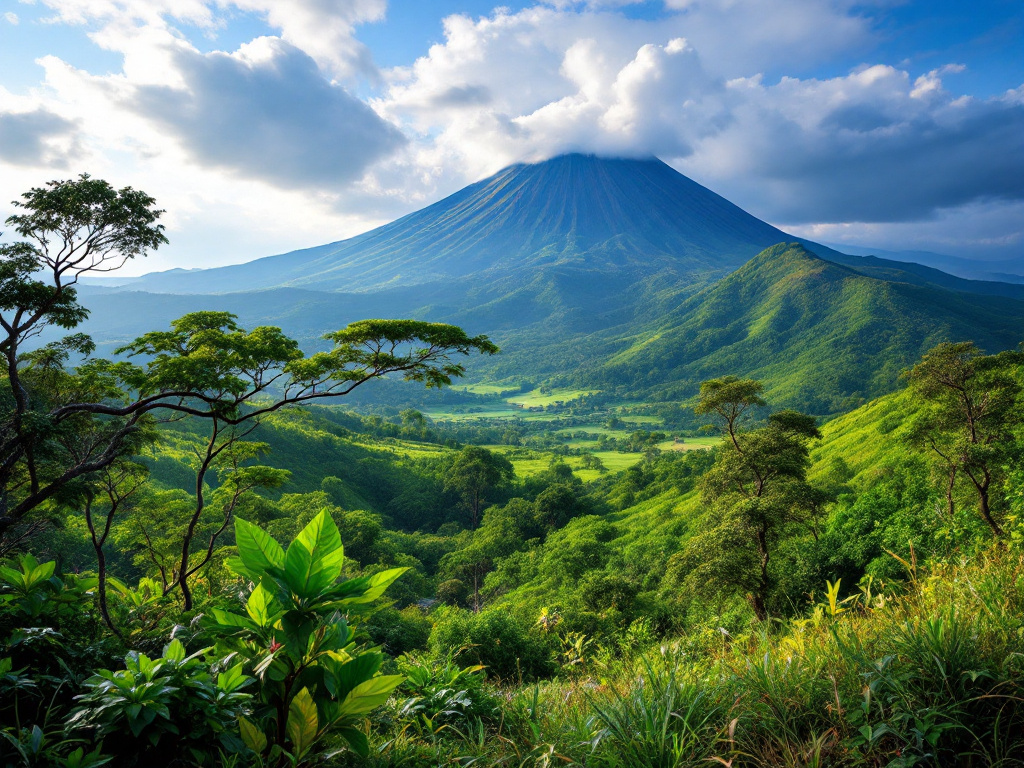
Volcanoes National Park
Rwanda's most famous national park, known for its rare mountain gorillas and dramatic volcanic landscapes.
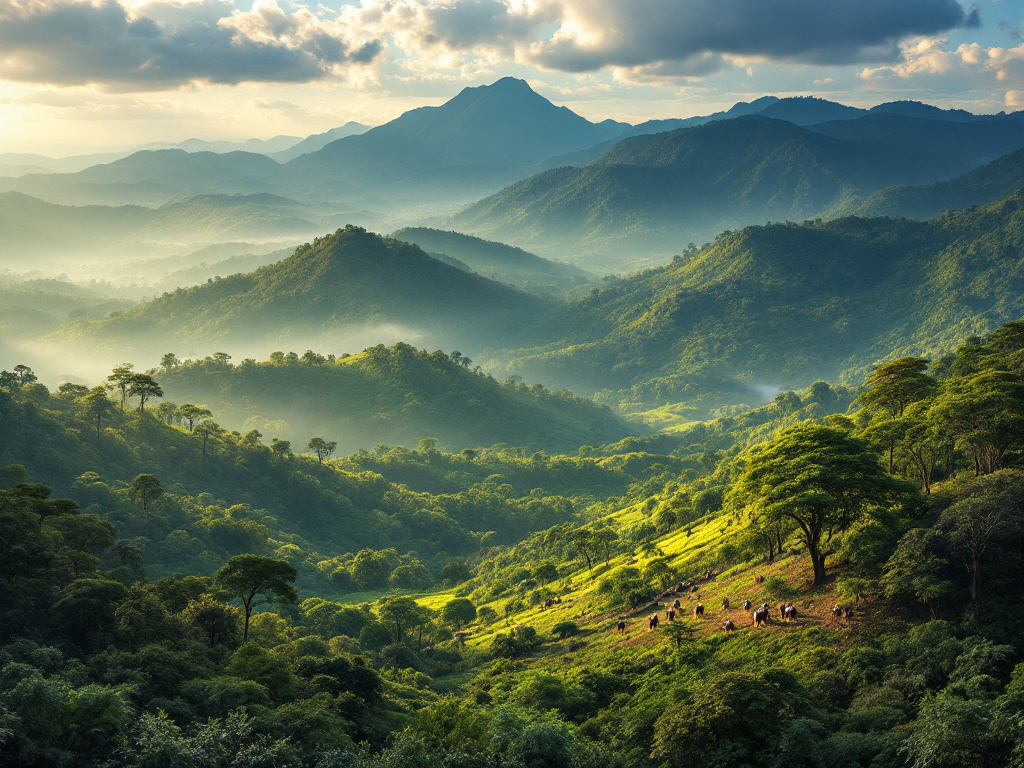
Nyungwe Forest National Park
One of Africa's oldest rainforests with trails, hanging bridges, and rich wildlife.
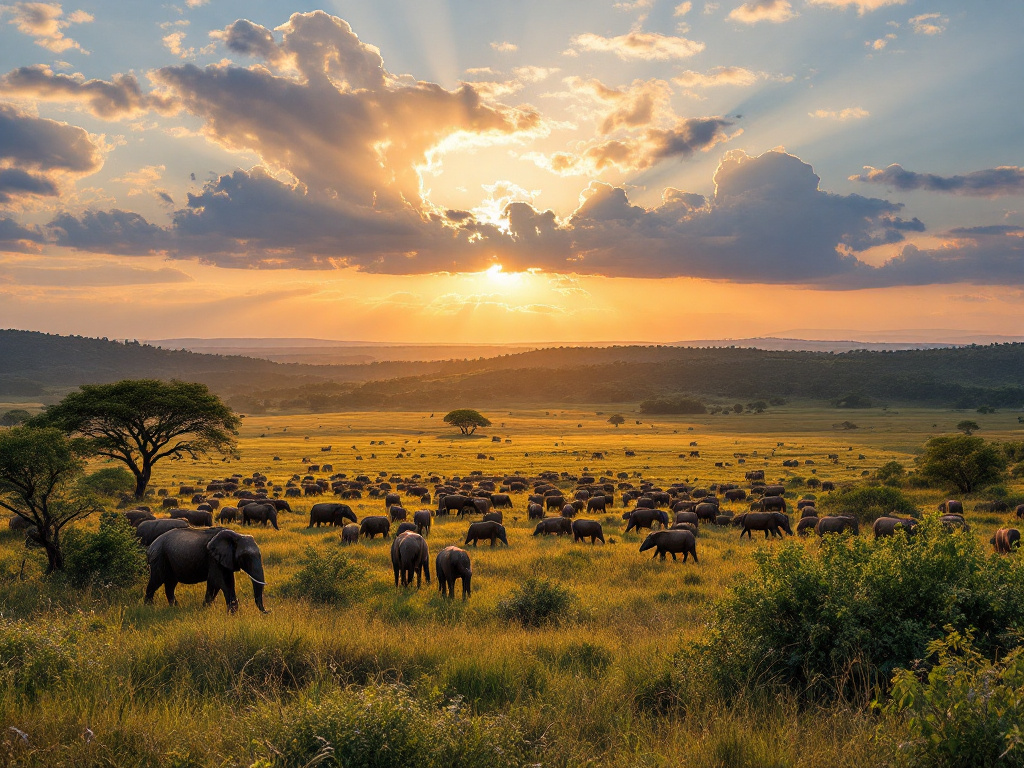
Akagera National Park
A classic safari park with savanna, lakes, and a wide variety of wildlife.
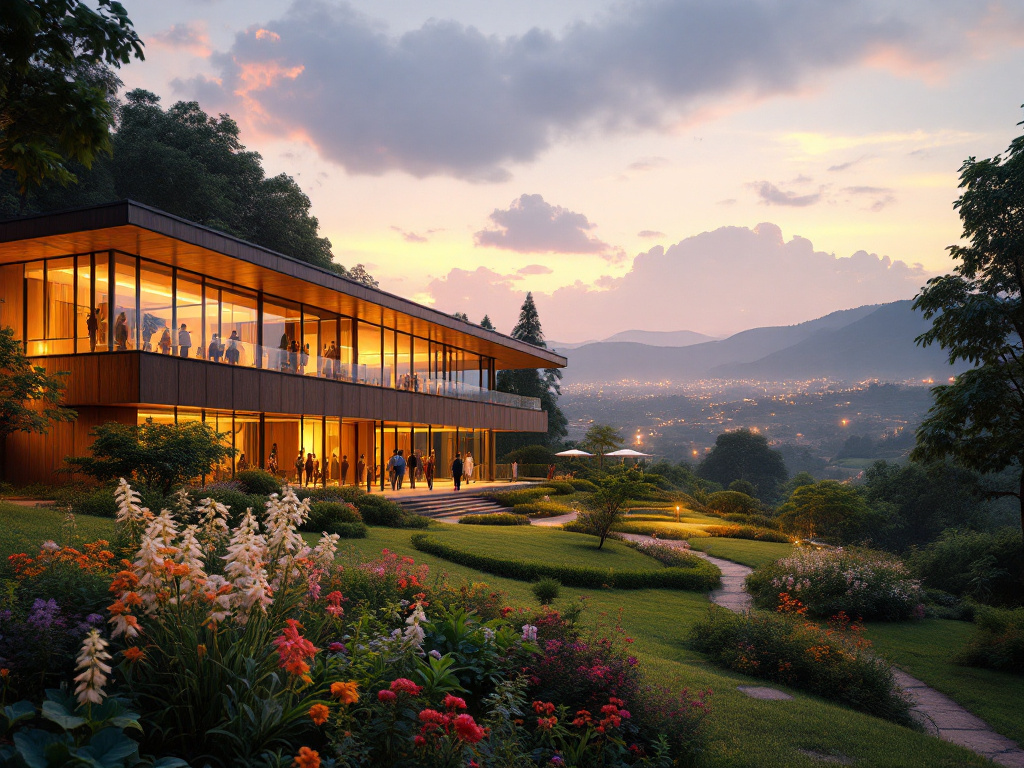
Kigali Genocide Memorial
An important memorial site and museum documenting the genocide in 1994 and promoting reconciliation.
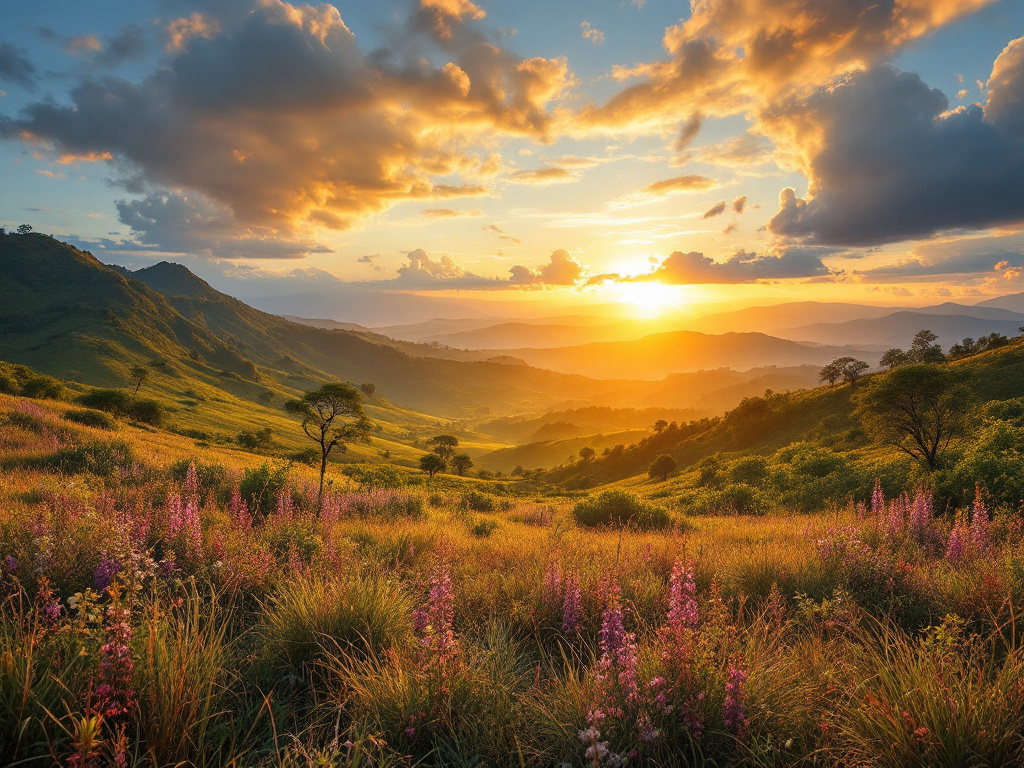
Lake Kivu
A beautiful lake surrounded by hills, perfect for relaxation and water sports.
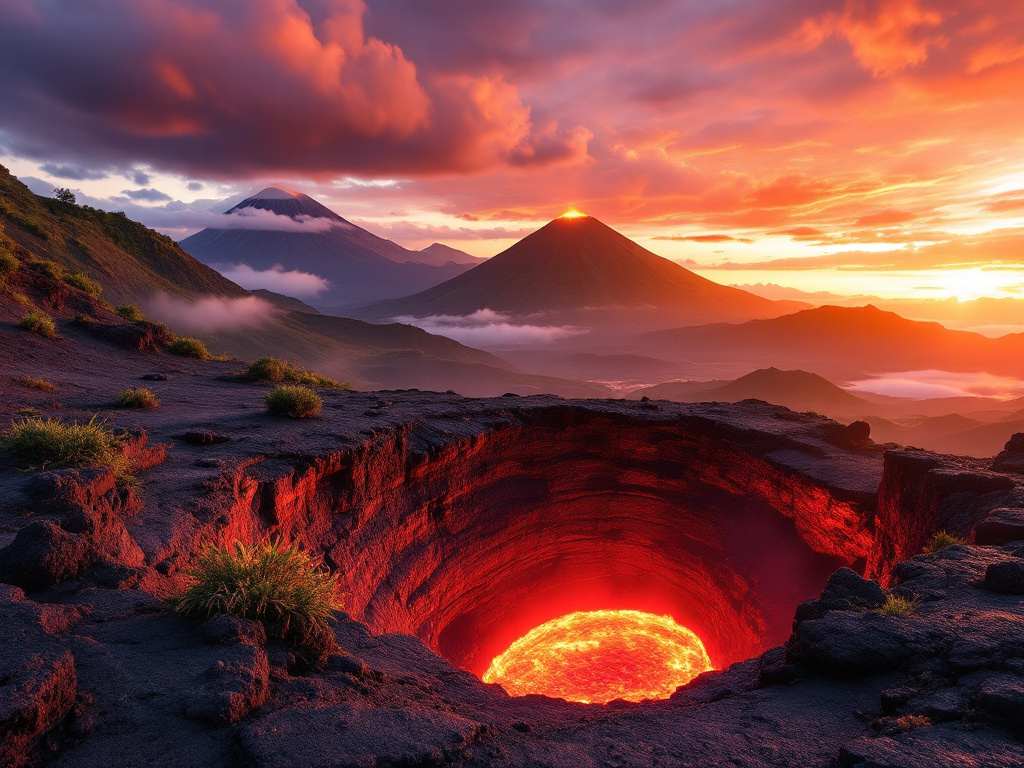
Musanze Lava Caves
A fascinating lava cave formed by volcanic activity near the Virunga mountains.
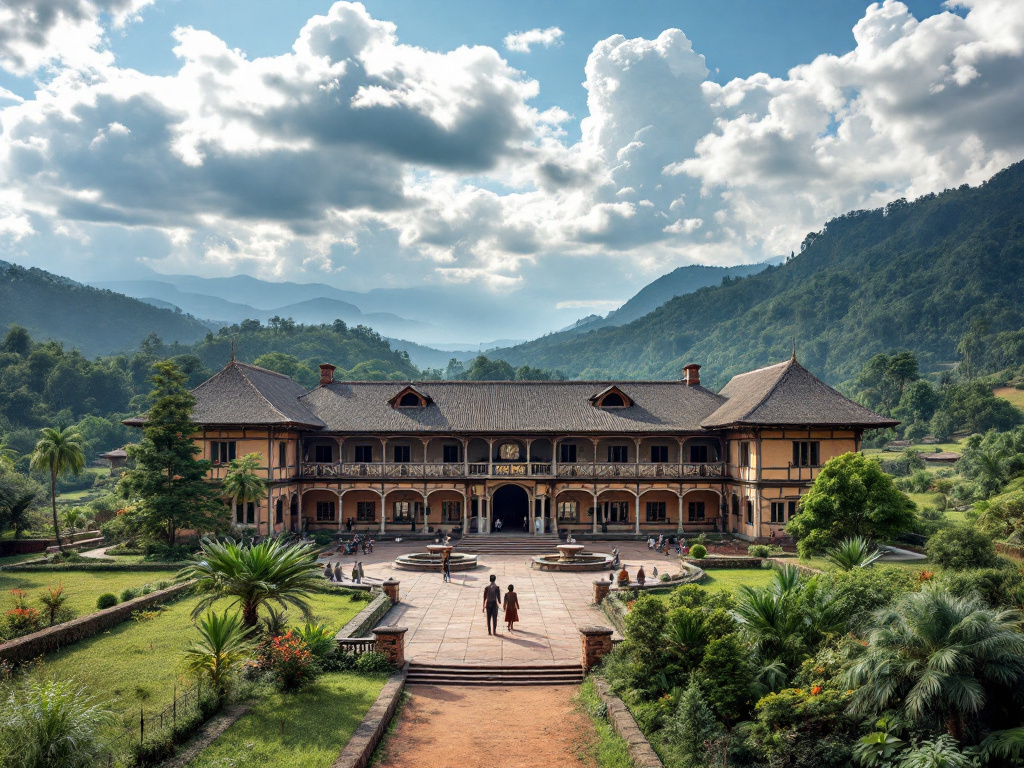
King's Palace Museum
A reconstructed royal palace showcasing Rwanda's pre-colonial history and traditions.
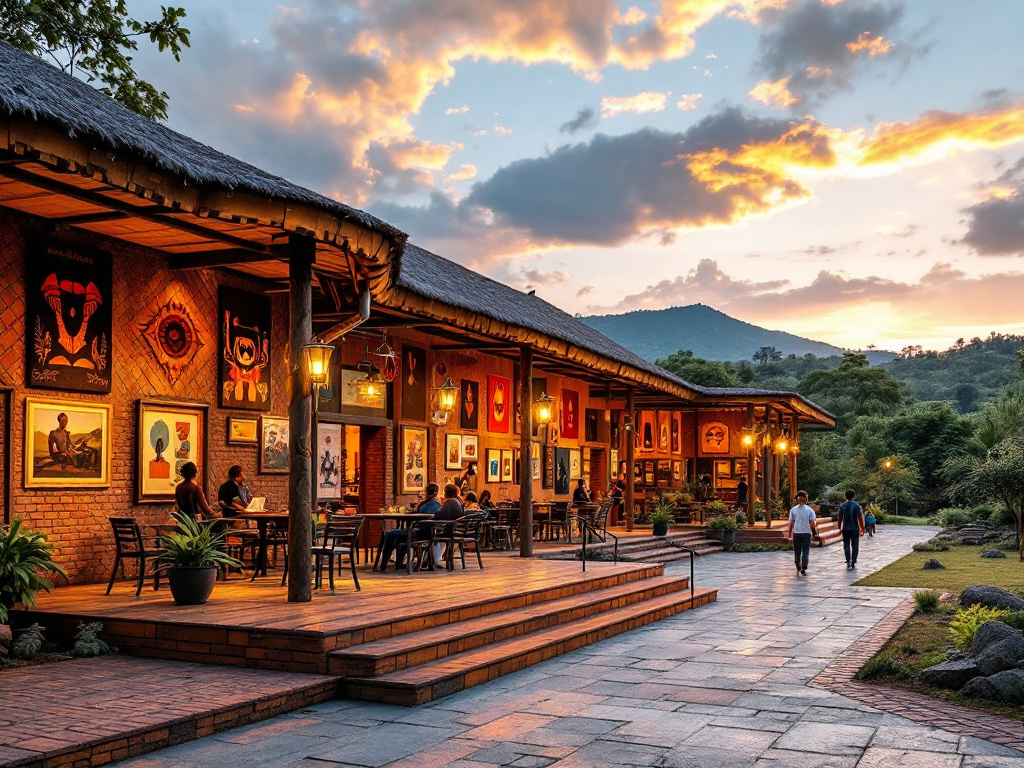
Ethnographic Museum in Huye
A comprehensive museum showcasing Rwanda's cultural heritage and ethnic history.
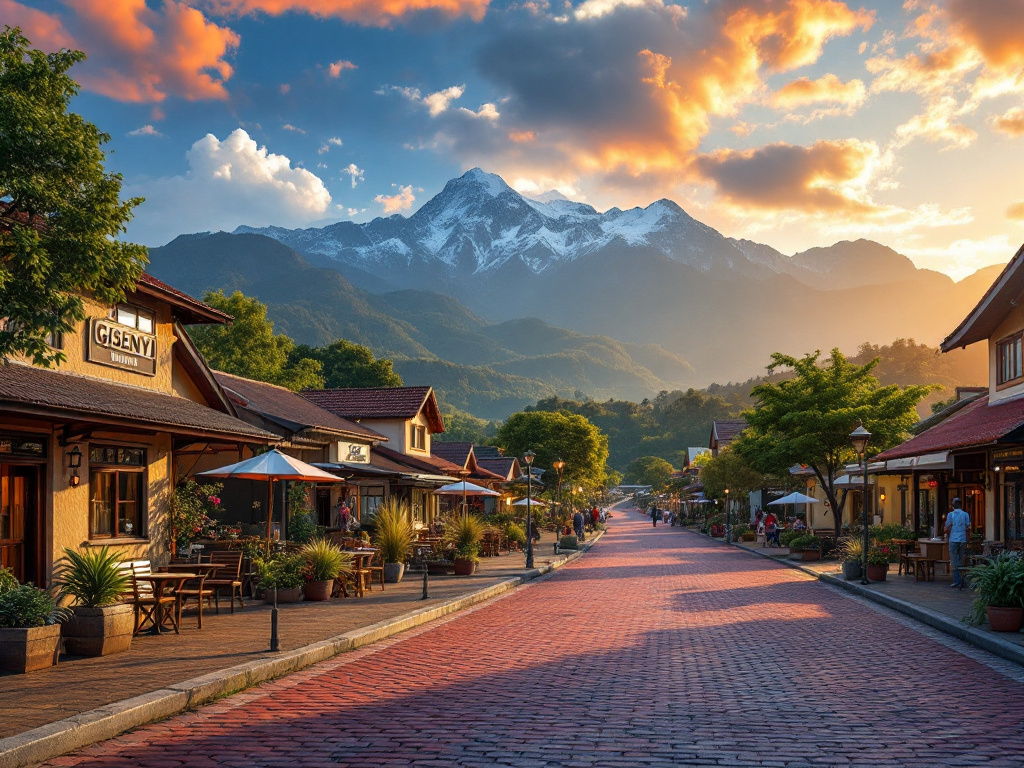
Gisenyi City Center
A lively city center by Lake Kivu with restaurants, cafes, and a local atmosphere.
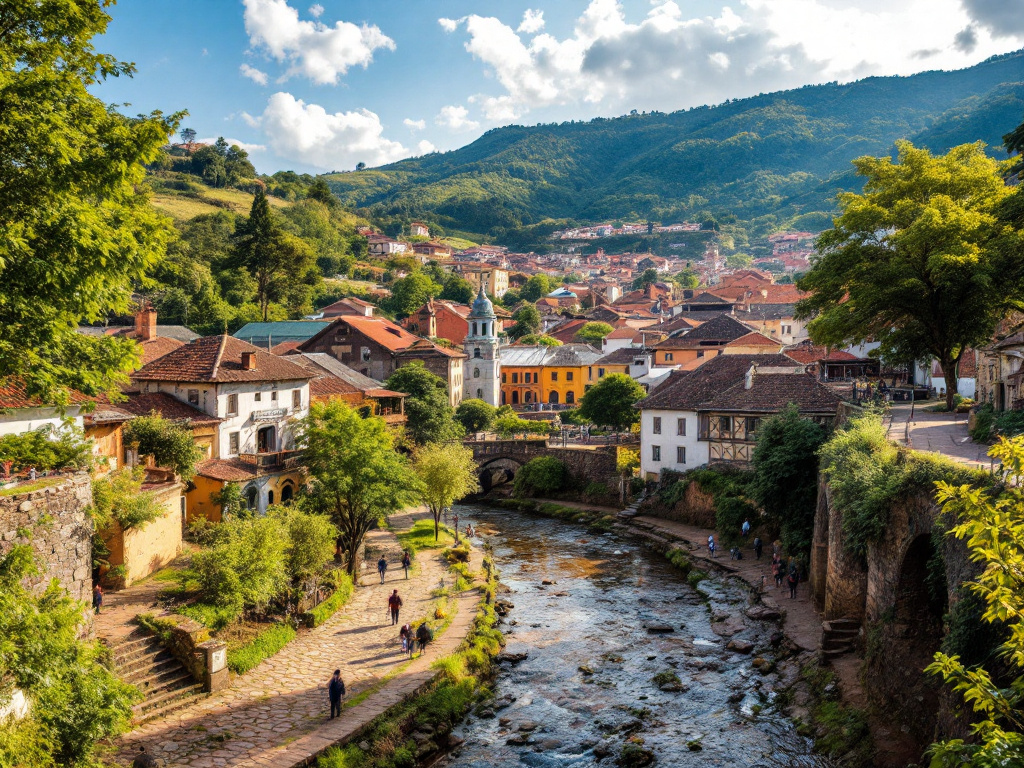
Kigali Old Town
A historic area in Kigali that provides insight into the city’s daily life and development.
Famous cuisine
Culinary overview
Rwanda's food culture is deeply rooted in the country's agricultural traditions and offers simple but flavorful dishes based on fresh, local ingredients. The cuisine is characterized by maize, beans, sweet potatoes, cassava, and bananas, often combined with freshly caught fish from Lake Kivu or grilled meat. Meals are often shared communally, reflecting the strong social culture. In cities, especially Kigali, there is a growing scene of modern restaurants that blend traditional flavors with international trends.
Must-try dishes
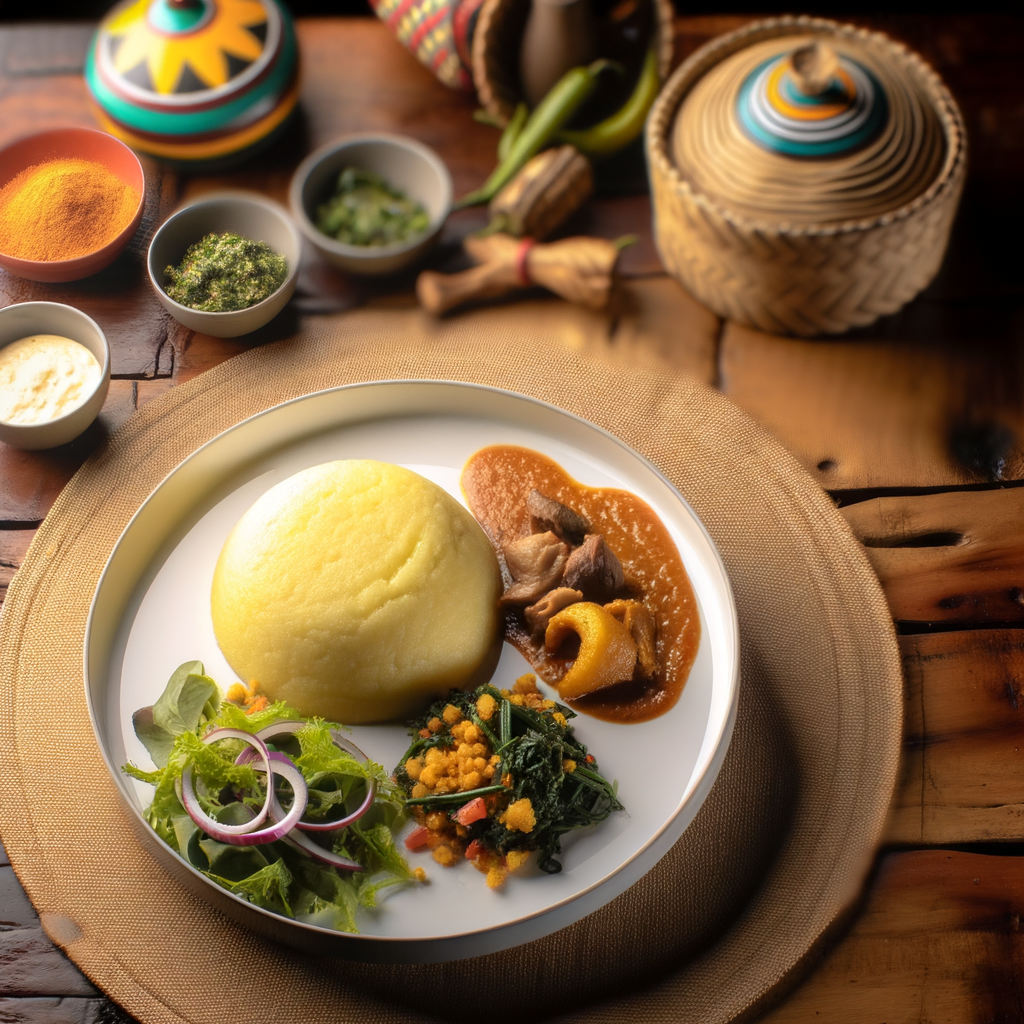
Ugali
A stiff maize porridge served as a side dish to meat, fish, or vegetable dishes. Ugali is a staple in Rwandan cuisine and is often eaten with hands.
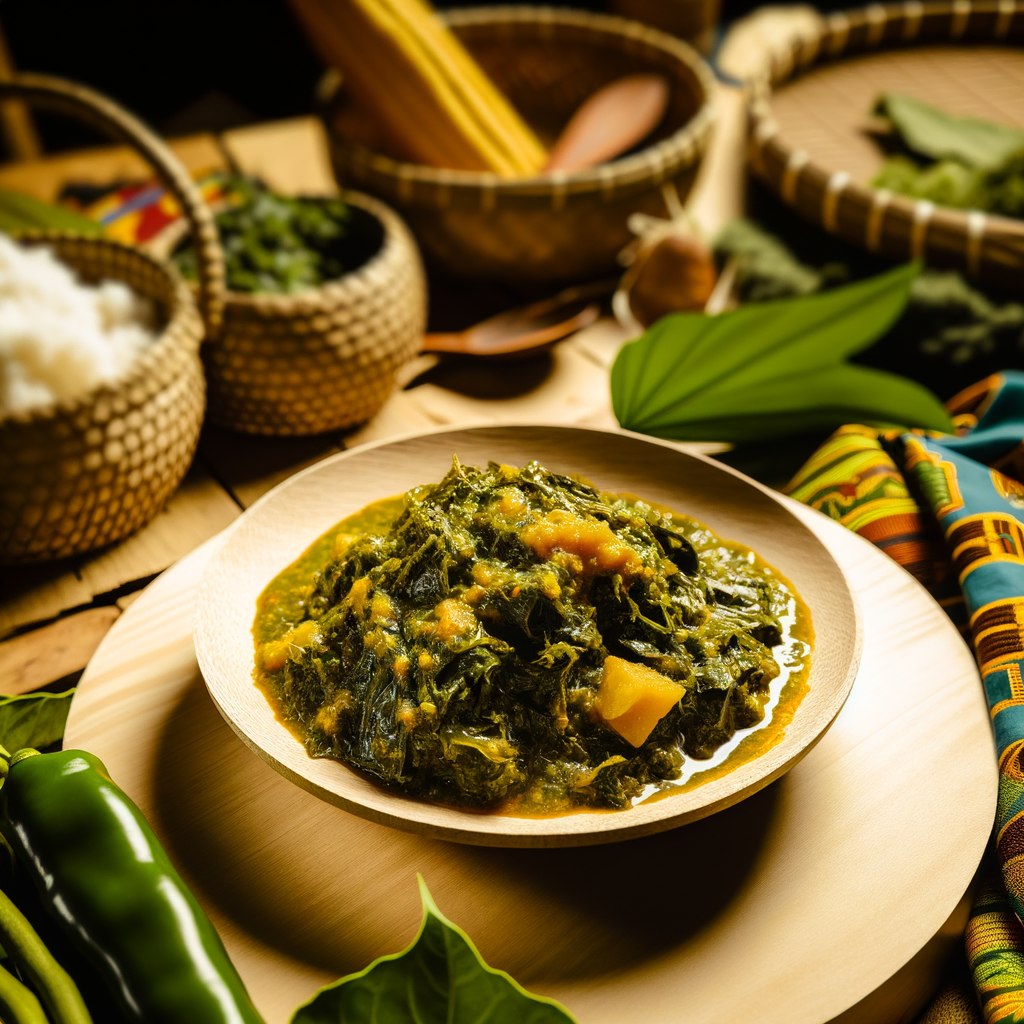
Isombe
A creamy dish made from cassava leaves, cooked with peanut sauce and often served with rice or ugali. Isombe is rich in flavor and nutrition.
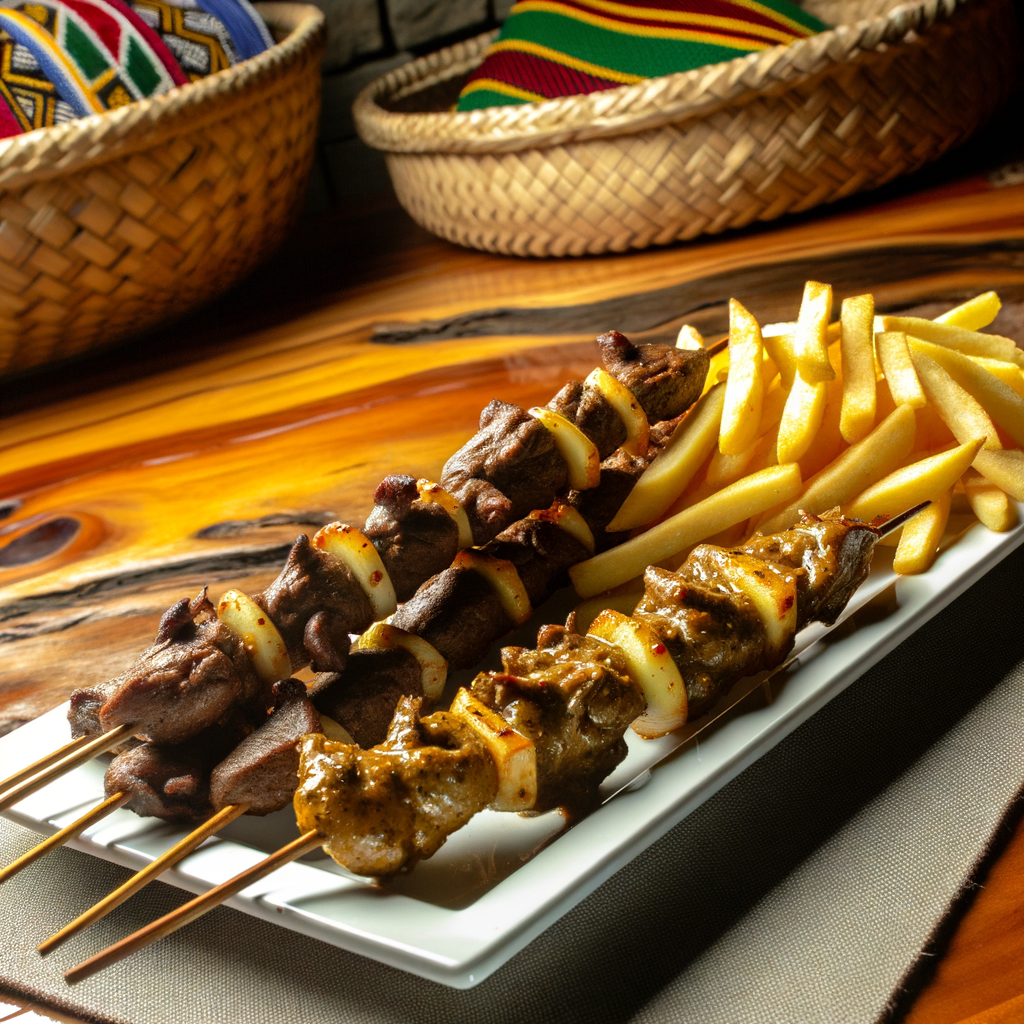
Brochettes
Grilled meat skewers, typically with beef, chicken, or fish, marinated in spices and served with fried bananas or fries.
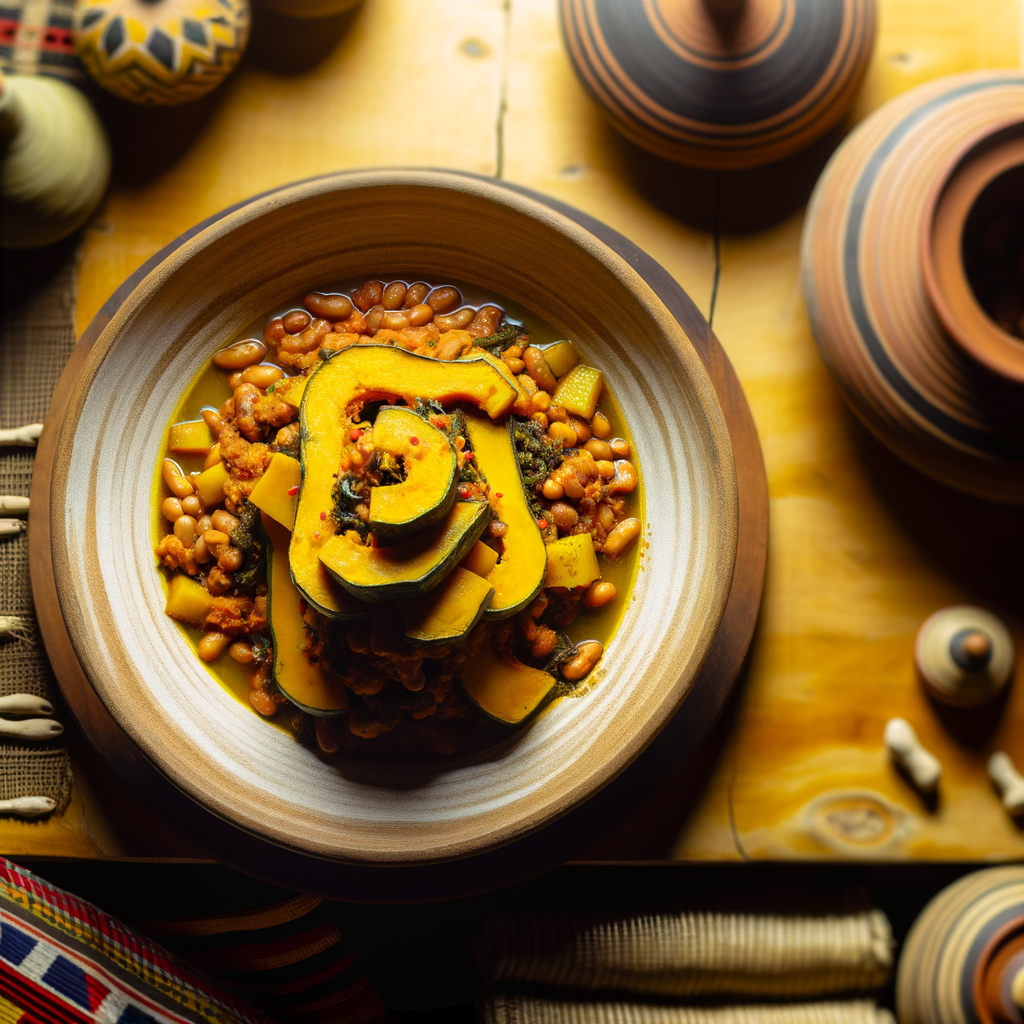
Ibihaza
Pumpkin cooked together with beans, a traditional and filling dish that is often served in the villages.
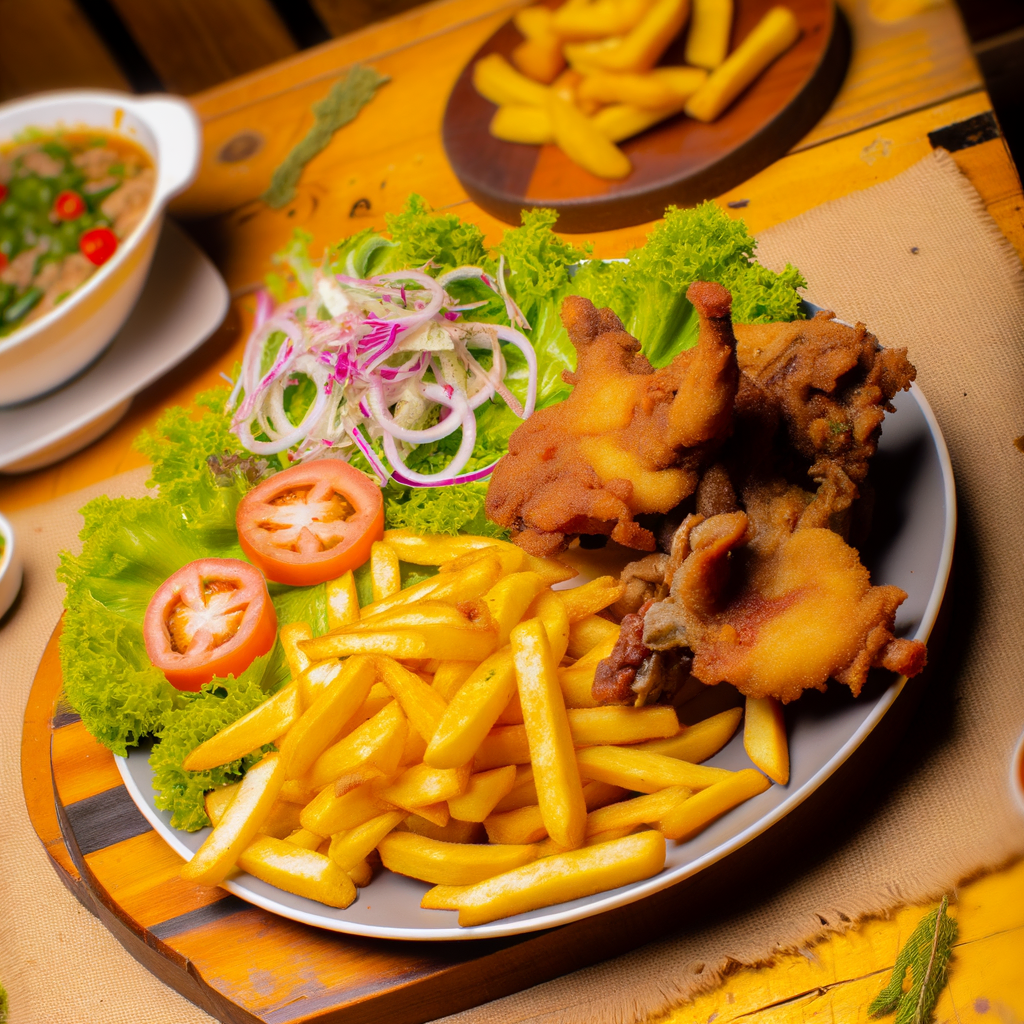
Akabenz
Fried pork, often seasoned and served with salad and fries. A popular dish at local bars and restaurants.
Restaurant information
Tipping
Tipping is not mandatory in Rwanda but is appreciated. In restaurants, many round up or give 5-10% of the bill if the service has been good.
Travel information
Currency
Rwandisk franc (FRw)
Language
Kinyarwanda
Best time to visit
June to September
Major cities
Kigali and other major cities
More countries in Africa
Discover more destinations in this region