
Saudi Arabia
Saudi Arabia, the heart of the Arabian Peninsula, combines ancient pre-Islamic treasures with the spiritual hubs of Mecca and Medina, offering a journey through history, faith, and breathtaking landscapes.
Overview
Saudi Arabia, the heart of the Arabian Peninsula, is a captivating destination where spiritual significance meets magnificent landscapes and a rich cultural heritage. As the birthplace of Islam, the kingdom is home to the holy cities of Mecca and Medina, attracting millions of pilgrims each year. Beyond these religious highlights, you can explore six UNESCO World Heritage sites, from the majestic Nabataean tombs in Madâin Sâlih to the historical core of At-Turaif. From the crystal-clear shores of the Red Sea to the dramatic rock formations of the desert, Saudi Arabia offers unforgettable experiences year-round, beckoning travelers to uncover its hidden gems and remarkable contrasts.
Official language
Arabic
Government
Absolute monarchy
Best time to visit
November to March
Nature
Saudi Arabia's nature is both raw and breathtaking, showcasing a contrast between endless sand dunes and lush oases. The Rub' al Khali, also known as the Empty Quarter, is the world's largest contiguous sand desert and a paradise for adventurous travelers. In Al-Ahsa, you'll find the largest oasis in the world, with millions of palm trees creating a green wonder amidst the arid landscape. The coast along the Red Sea offers crystal-clear waters, vibrant coral reefs, and a rich underwater world ideal for diving and snorkeling. In the north, the Hail region and Hima house prehistoric rock art, reflecting thousands of years of human presence. The dramatic mountain ranges, such as the Asir Mountains, provide cooler climates, fertile valleys, and spectacular views. From sunsets over golden dunes to the endless expanse of starry skies, nature in Saudi Arabia is an experience that stirs both the senses and the soul, especially during the best visiting season from November to March when the climate is mild and pleasant.
Travel to Saudi Arabia
Traveling to Saudi Arabia is an adventure into a world of contrasts, where modern infrastructure meets millennia-old history. In recent years, the country has opened its doors wider to tourism, with new visa regulations making it easier than ever to visit. The best time to explore is from November to March when the weather is mild and comfortable. Travelers can experience everything from the pilgrimage cities of Mecca and Medina (for Muslims) to UNESCO sites like Madâin Sâlih and Al-Balad. For the adventurous, there are diving paradises along the Red Sea or exhilarating desert safaris in the Rub' al Khali. Convenient flight connections to Riyadh, Jeddah, and Dammam make travel seamless, and modern hotels, restaurants, and transportation ensure comfort. Saudi Arabia presents a unique blend of spirituality, history, and nature that makes it an unforgettable destination.
Culture
The culture of Saudi Arabia is deeply rooted in Islam and Arabic traditions, yet it also embraces a diverse heritage shaped by trade routes and ancient civilizations. Mecca and Medina are not only religious centers but also cultural melting pots where millions gather in a shared sense of faith. The country's UNESCO World Heritage sites, such as Al-Balad in Jeddah with its colorful souks and At-Turaif in ad-Dir'iyah, narrate tales of architecture, commerce, and royal power. Culinary experiences abound, presenting authentic flavors such as kabsa, a spiced rice dish with meat, shawarma, mutabbaq, and samboosa, showcasing local traditions and influences from neighboring countries. Music, poetry, and dance, notably the traditional ardah, remain vibrant aspects of celebrations. Hospitality is a cornerstone of the culture, with visitors often welcomed with Arabic coffee and dates, symbols of warmth and respect that illuminate the everyday lives of the people.
History
The history of Saudi Arabia stretches from prehistoric settlements to becoming the center of one of the world's largest religions. Before the advent of Islam, the region was home to Nabataean cities like Madâin Sâlih, a vital trade hub along the incense and spice routes. In the 7th century, Islam was founded in Mecca, catapulting the nation onto the world stage with the life and teachings of the Prophet Muhammad. Over time, various dynasties ruled the area until the modern kingdom was established in 1932 by King Abdulaziz Al Saud. Since then, the country has evolved into a key player in the Middle East, both politically and economically, while preserving its rich religious and cultural heritage. This historic journey from ancient trade routes to the forefront of faith exemplifies the resilience and continuity of Saudi identity.
Top attractions
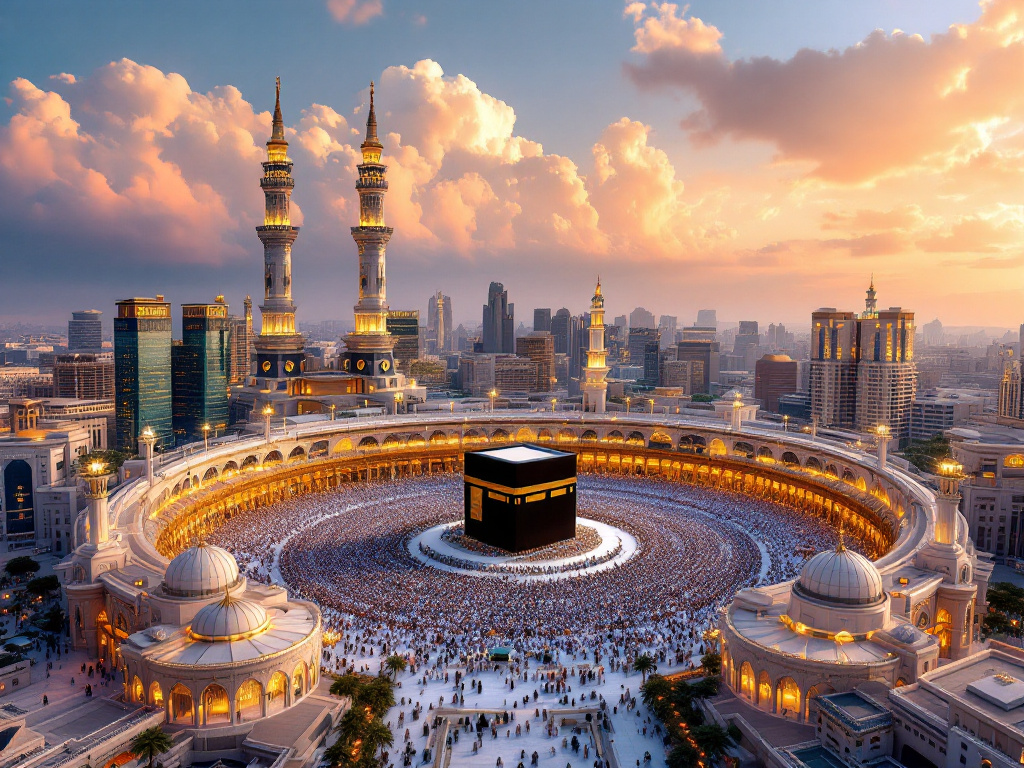
Masjid al-Haram
Islamic sanctuary and center for pilgrimages that houses the Kaaba and is visited by millions each year.
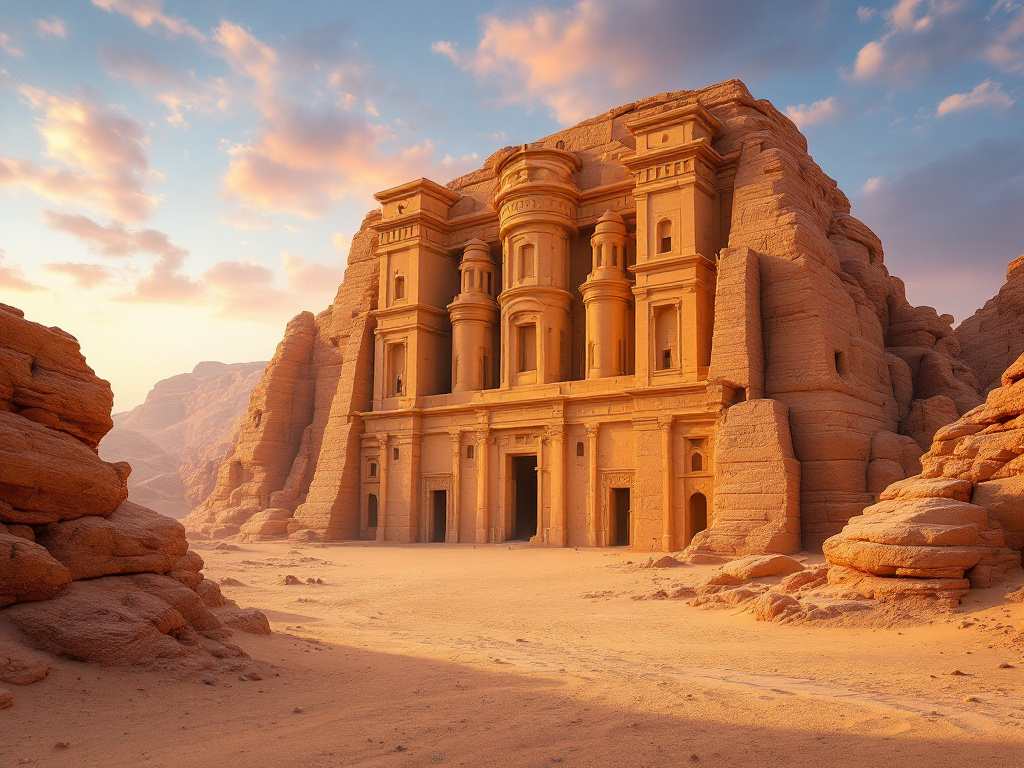
Hegra (Madain Salih)
A spectacular Nabatean archaeological site featuring monumental rock tombs carved directly from sandstone.
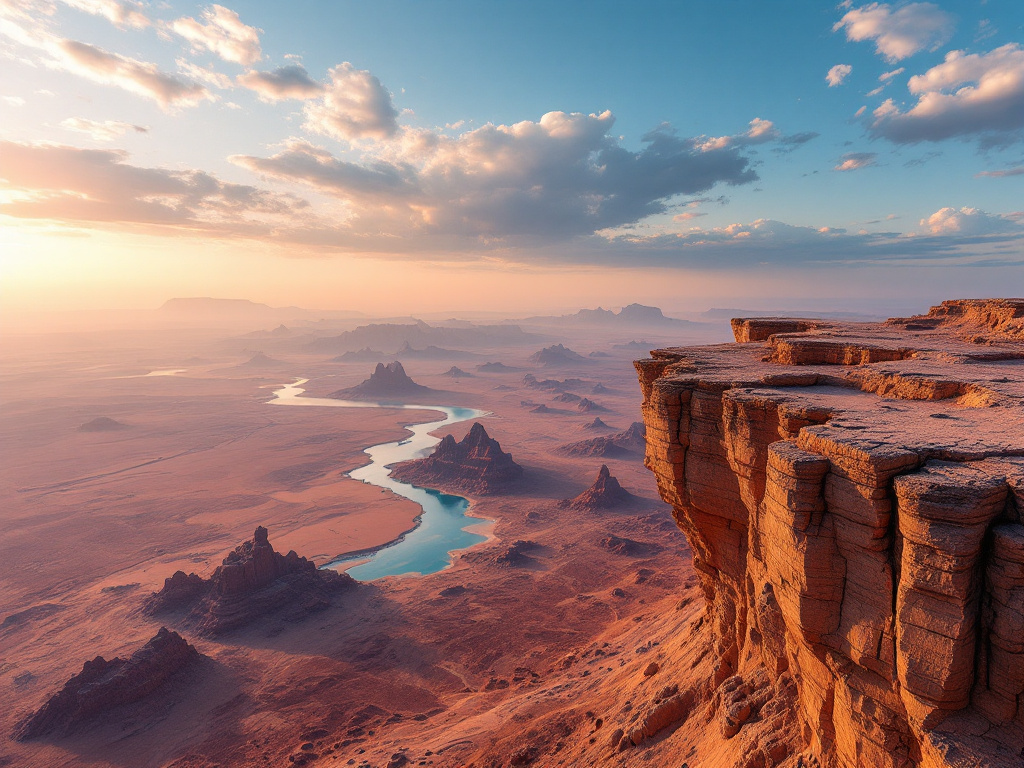
Edge of the World
A spectacular cliff edge northwest of Riyadh with expansive views over the Arabian desert.
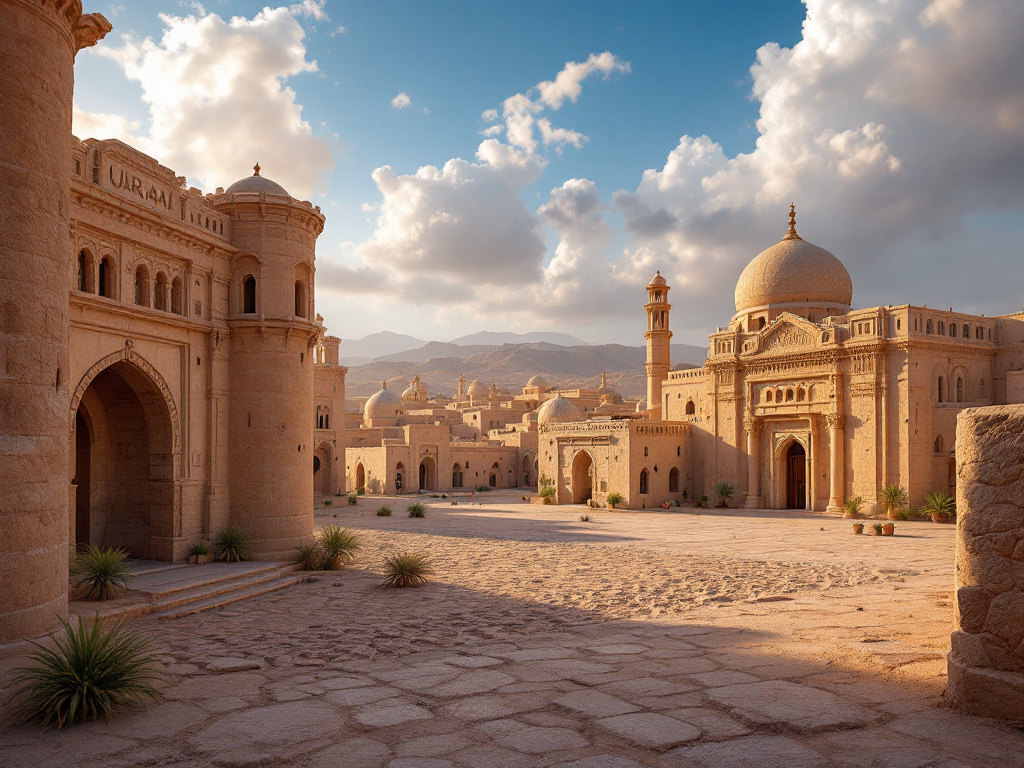
At-Turaif in Diriyah
The historical heart of the first Saudi state with restored mud buildings and museums.
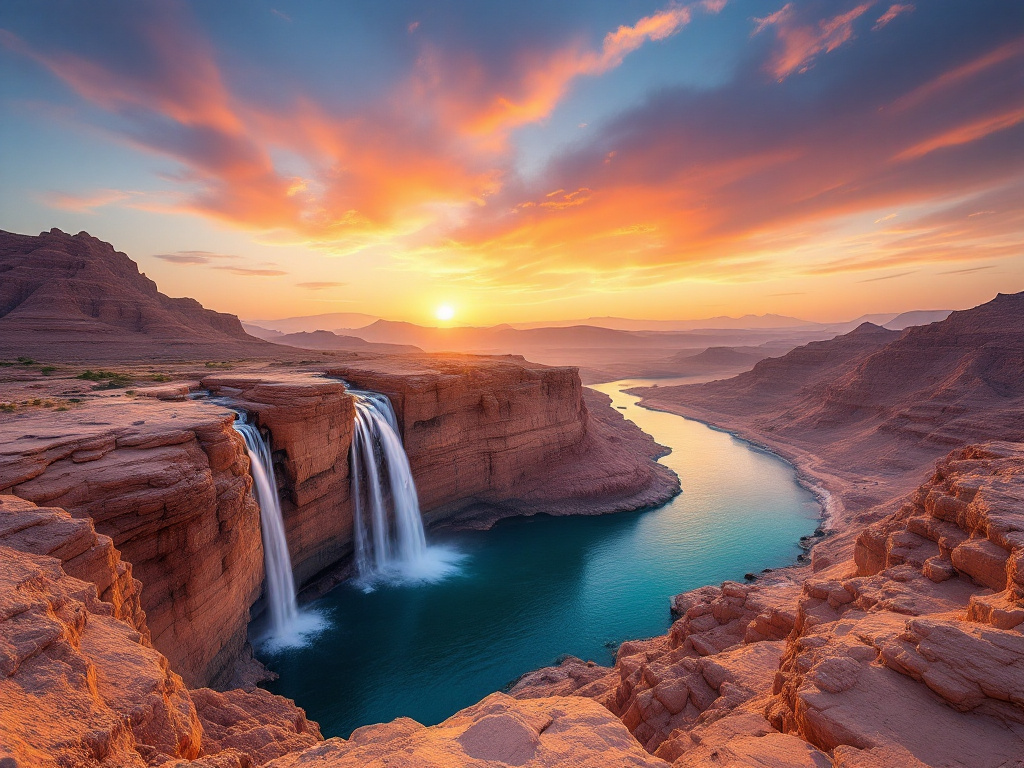
King Fahd Fountain
An impressive fountain in Jeddah that shoots seawater high above the Red Sea.
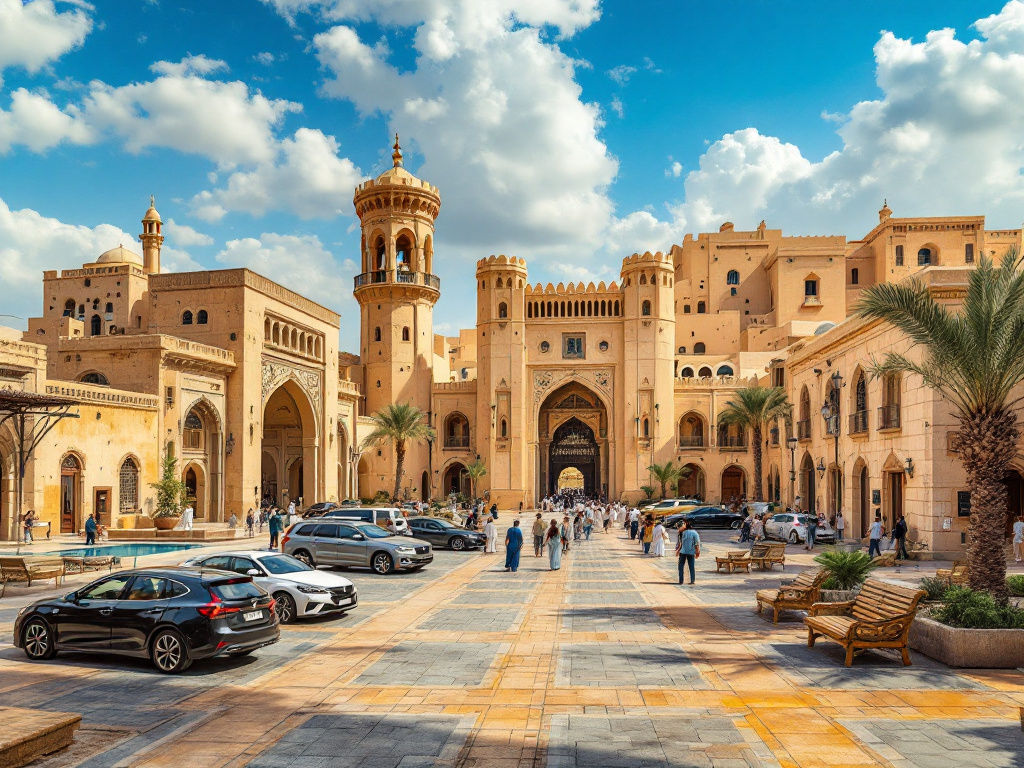
Al-Balad
Jeddah's historic district featuring beautiful old buildings and vibrant souks.
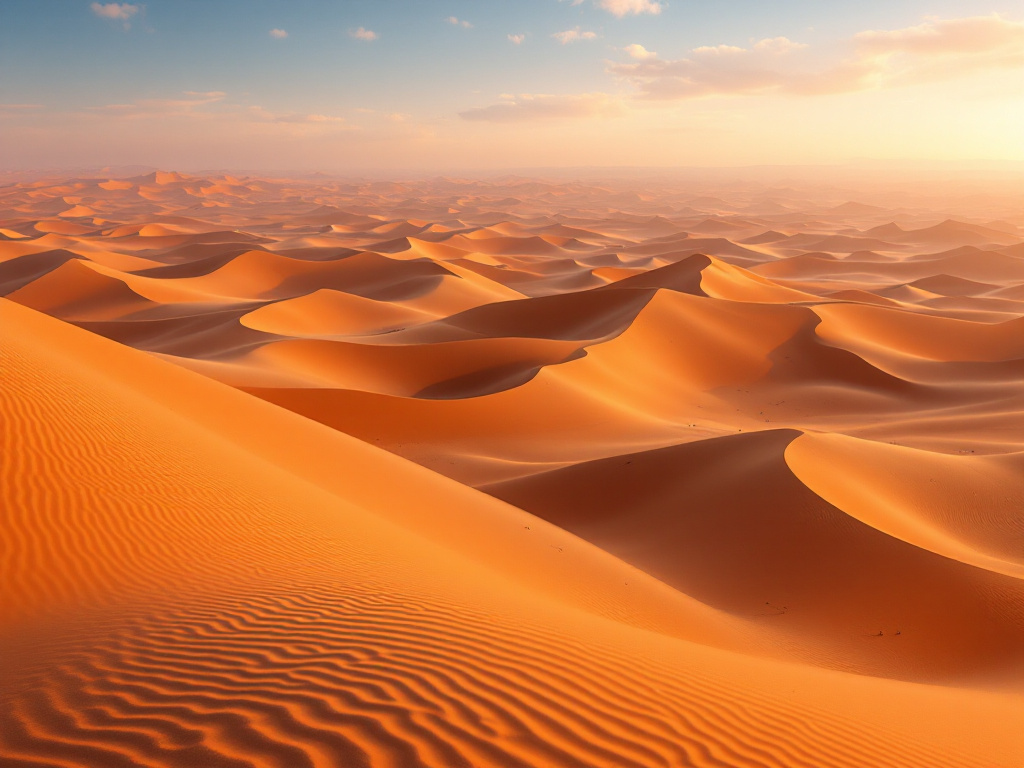
Rub' al Khali
The legendary Empty Quarter desert with endless sand dunes and extreme conditions.
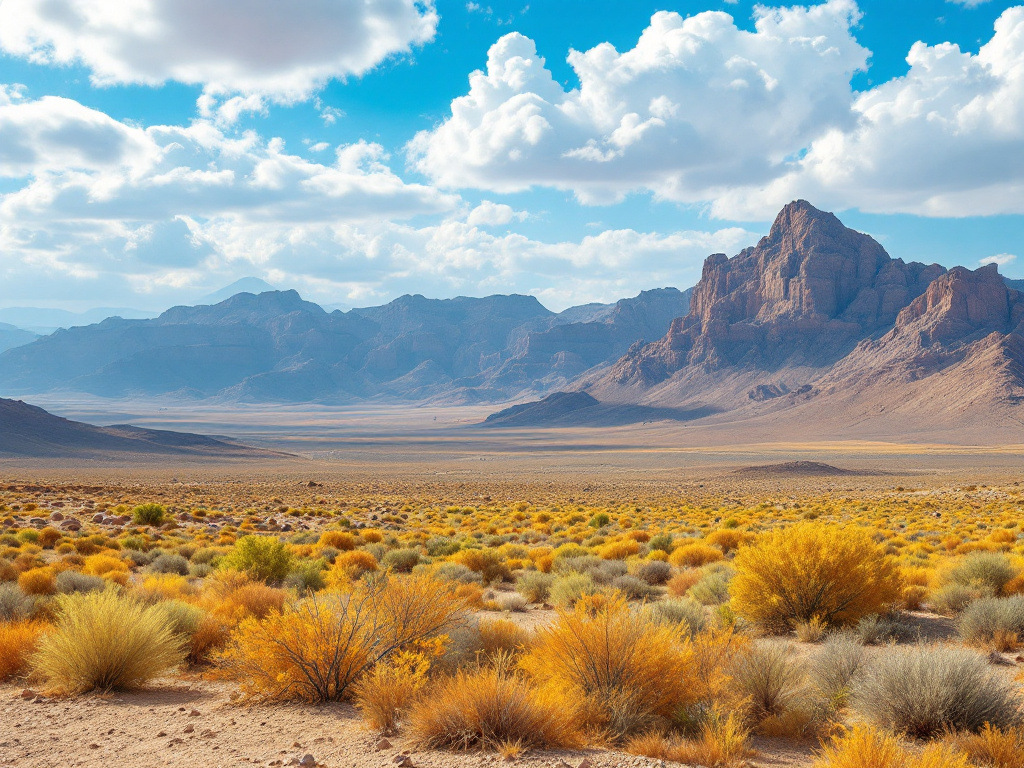
Asir National Park
A lush national park in southwestern Saudi Arabia with mountains and diverse nature.
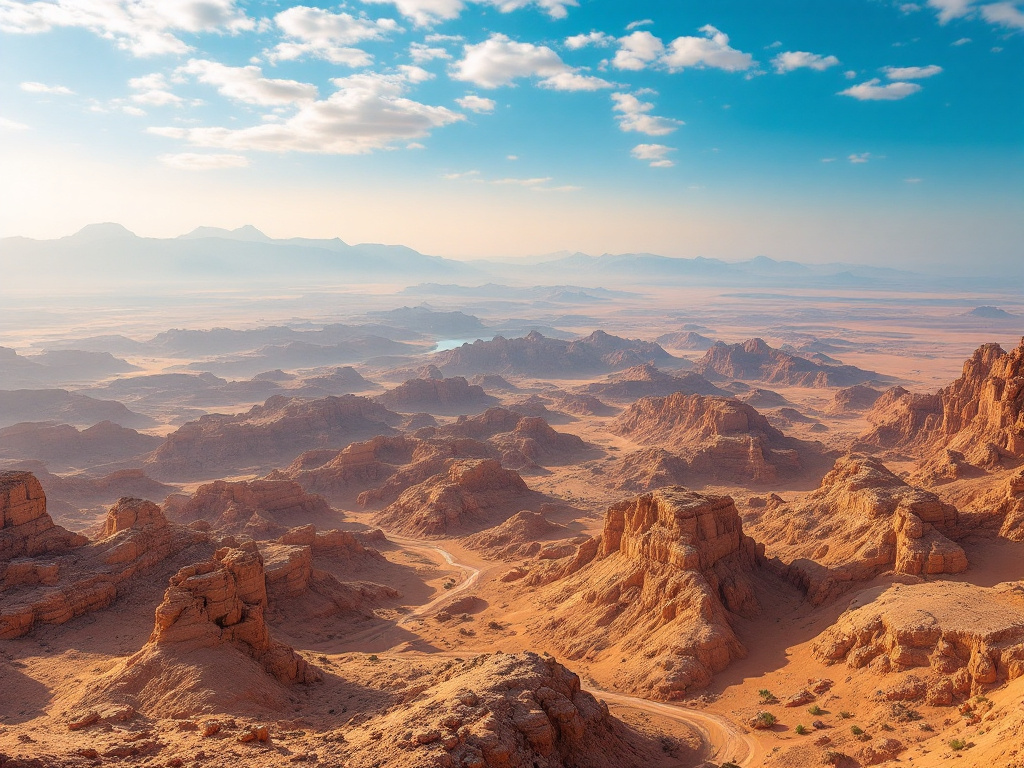
Al Hada Mountains
A cool mountain area near Taif with beautiful views and popular excursion spots.
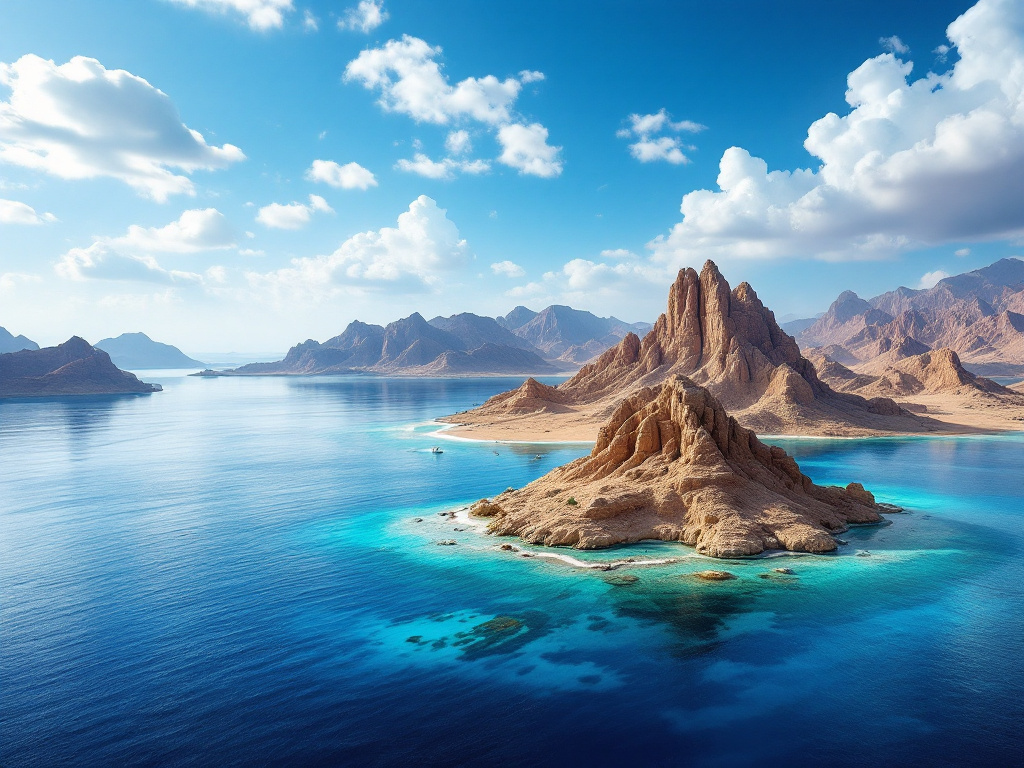
Red Sea Coral Reefs
Some of the Red Sea's best-preserved coral reefs with excellent diving and snorkeling opportunities.
Famous cuisine
Culinary overview
Saudi Arabian cuisine is a rich blend of Arab, Bedouin, and regional flavors, characterized by the use of spices such as cardamom, saffron, cinnamon, and cloves. Meals are often social events where large platters of rice and meat are shared. Traditional dishes such as kabsa and mandi are cornerstones of daily life, while street food like shawarma and samboosa is popular for quick meals. Sweets such as kleicha and dates, accompanied by Arabic coffee, are an important part of hospitality.
Must-try dishes
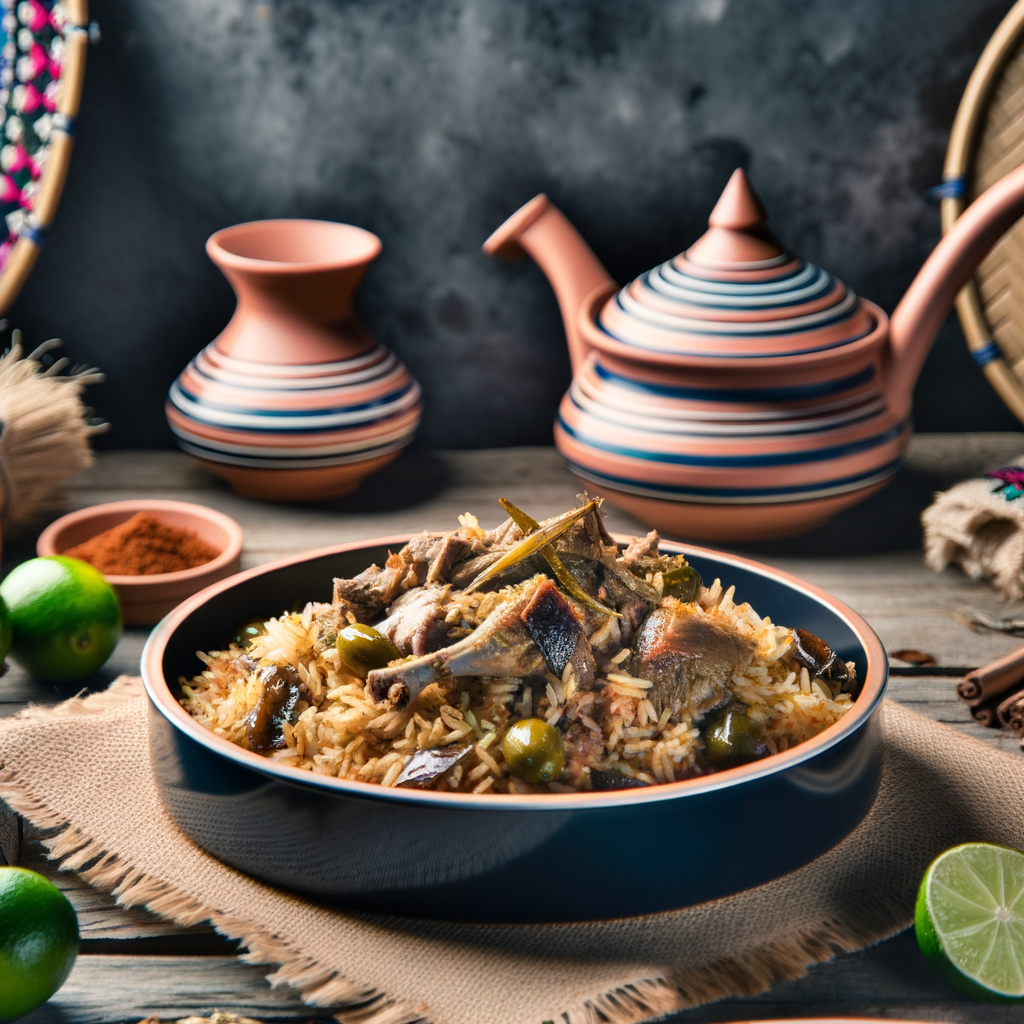
Kabsa
A national dish consisting of spiced rice, often served with lamb or chicken, prepared with a blend of cardamom, cinnamon, cloves, and dried limes.
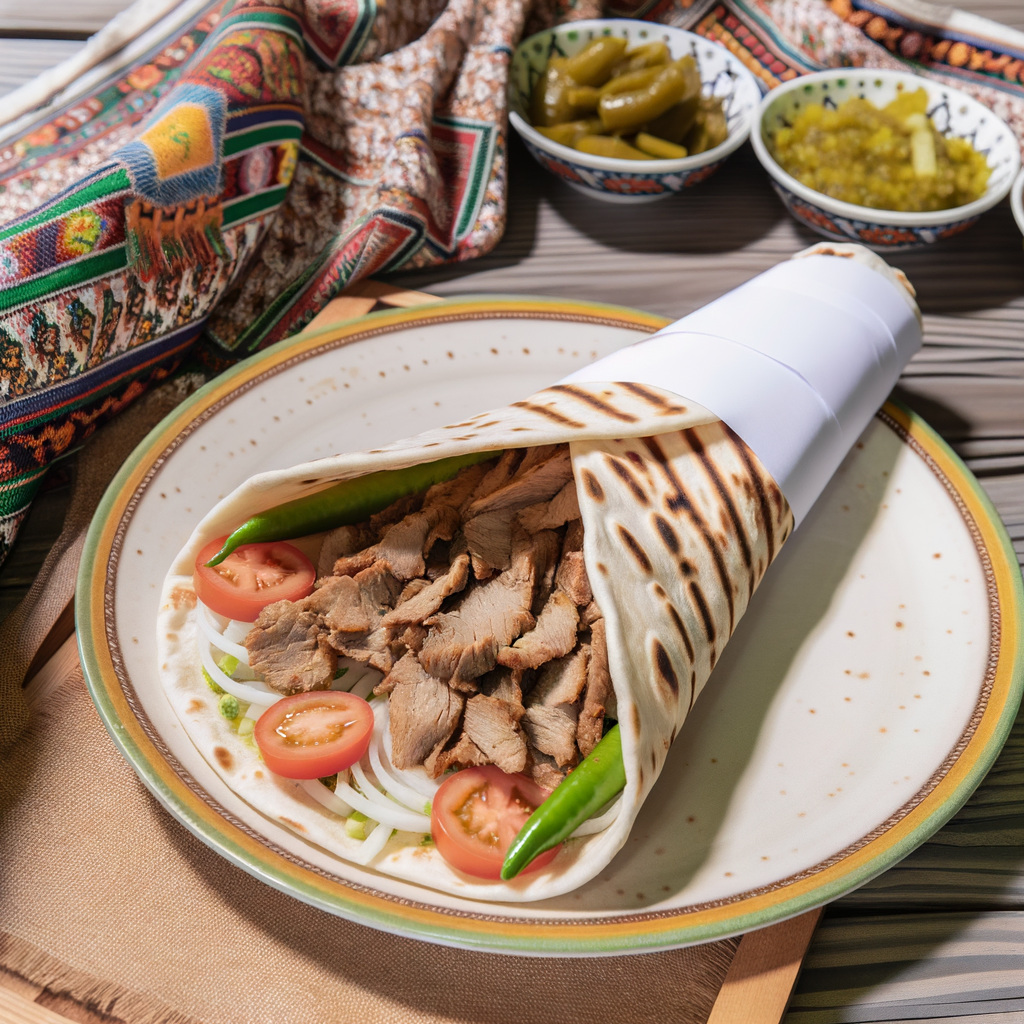
Shawarma
Marinated meat (often chicken or beef) grilled on a vertical spit, sliced thin, and served in flatbread with tahini, vegetables, and pickles.
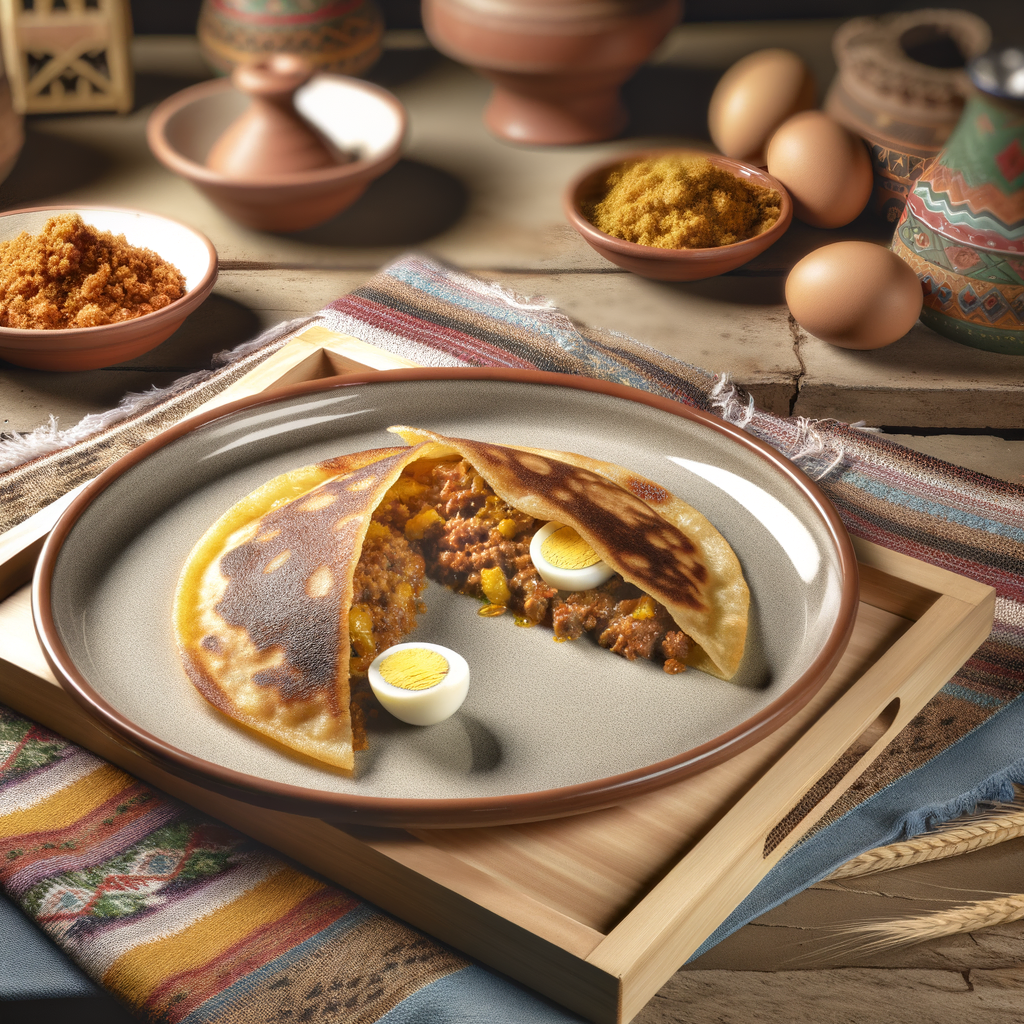
Mutabbaq
A stuffed pancake, often with a spiced mixture of minced meat, onions, and eggs, fried crispy and served hot.
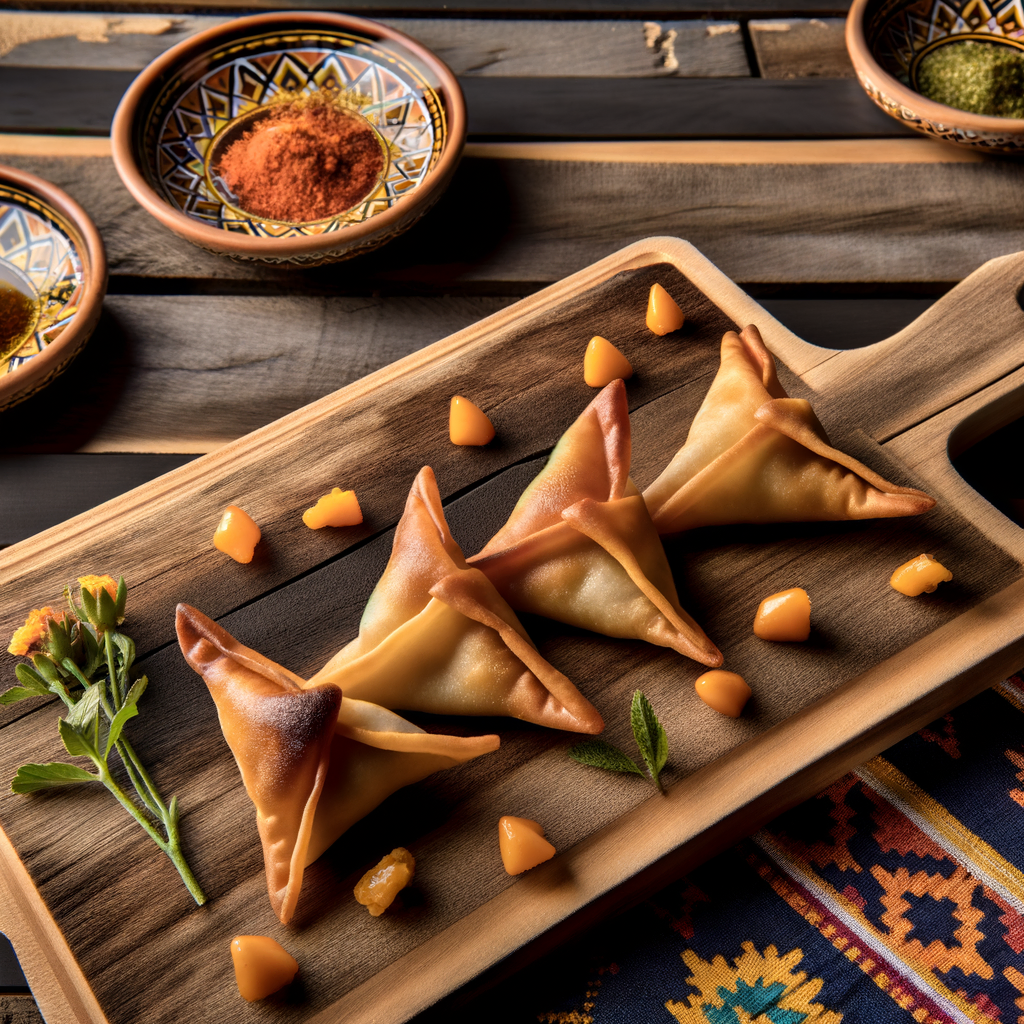
Samboosa
Small triangular pastry pockets filled with meat, vegetables, or cheese, deep-fried and often served as an appetizer during Ramadan.
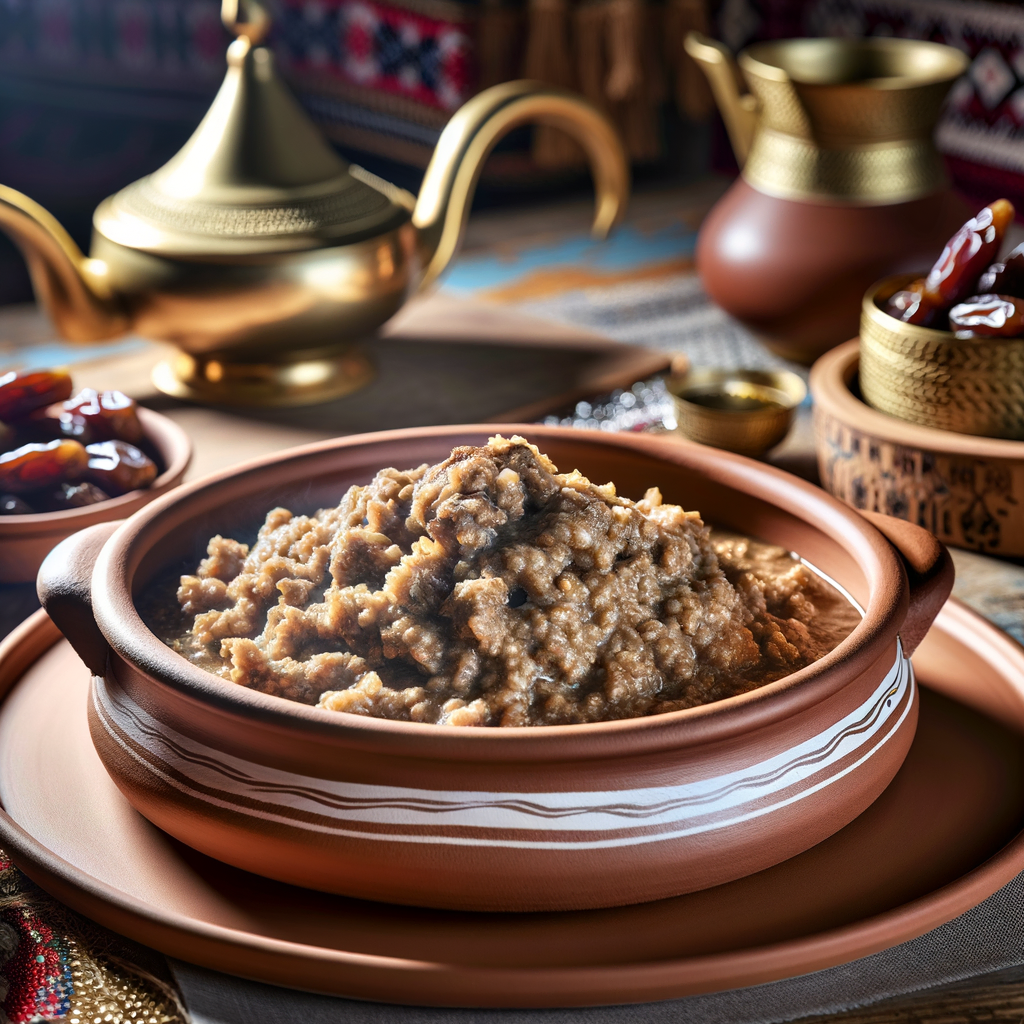
Jareesh
Crushed wheat kernels slowly cooked with meat and spices, resulting in a creamy and filling dish, popular in the Najd region.
Restaurant information
Tipping
Tipping is not mandatory in Saudi Arabia, but it is appreciated. In restaurants, it is common to round up or give about 10% of the bill if the service has been good.
Travel information
Currency
Saudi Riyal (﷼)
Language
Arabic
Best time to visit
November to March
Major cities
Riyadh and other major cities
More countries in Asia
Discover more destinations in this region