Slovenia
Slovenia, a hidden gem in Central Europe, captivates with snow-capped mountain peaks, emerald-green rivers, Venetian-style coastlines, and a rich blend of rustic charm, harmonious architecture, and refined cuisine.
Overview
Slovenia, a hidden gem in the heart of Central Europe, merges majestic mountain landscapes, emerald-green rivers, and a charming Adriatic coastline with a rich cultural heritage. Here, you can experience the iconic Lake Bled with its fairy-tale island church, trek through Triglav National Park's dramatic scenery, explore the impressive Postojna Caves, and visit the enchanting Predjama Castle. The capital, Ljubljana, captivates with its harmonious architecture, lively markets, and cozy cafés along the riverside. With a welcoming atmosphere, culinary delights, and an ideal climate from May to September, Slovenia promises an unforgettable travel experience.
Official language
Slovenian
Government
Parliamentary republic
Best time to visit
May to September
Nature
Slovenia is a treasure trove of natural beauty, where breathtaking contrasts and vibrant colors come together in harmony. The Julian Alps rise majestically in the north, boasting snow-capped peaks, deep valleys, and crystal-clear mountain lakes, with Triglav National Park protecting the country's highest peak, Triglav, along with its diverse flora and fauna. Emerald-green rivers like the Soča weave through dramatic gorges, offering paradise for kayaking, rafting, and fishing. To the south, the fascinating karst landscapes reveal underground wonders such as the Postojna Caves and the UNESCO-protected Škocjan Caves. The picturesque Adriatic coastline is dotted with Venetian-inspired towns, sunny beaches, and refreshing sea air. In the eastern region of Prekmurje, gentle hills and vineyards are enriched with ancient beech forests and thermal springs that invite tranquility and reflection. Regardless of the season, Slovenia delivers extraordinary experiences—enjoy hiking and cycling in summer, and skiing and winter sports when the snow blankets the landscape.
Travel to Slovenia
Traveling to Slovenia is both easy and rewarding. The country offers convenient flight connections to Ljubljana from many major European cities, and its compact size makes it perfect for exploring multiple regions in one trip. The currency is the euro, and the well-developed transport system adds to the convenience of getting around. The best time to visit is from May to September, when the climate is ideal for hiking, cycling, wine tasting, and cultural experiences. In summer, enjoy the coastal magnificence of the Adriatic, while the mountains provide cool air and stunning views. In winter, Slovenia's Alpine ski resorts become prime destinations. Renowned for its safety, pristine nature, and friendly locals, Slovenia is perfect for adventurous travelers and those seeking serenity alike.
Culture
Slovenia's culture is a harmonious blend of Central European, Mediterranean, and Balkan influences, shaped by its geographical crossroads. The capital city, Ljubljana, serves as a vibrant cultural hub where renowned architect Jože Plečnik's unique urban design fuses classical elements with modern functionality. The lively old town buzzes with markets, galleries, music festivals, and cozy cafés lining the banks of the Ljubljanica River. Slovenian cuisine reflects this diversity, featuring dishes like the spicy Kranjska klobasa, sweet Potica, and layered Prekmurska gibanica cake. Traditional folk music, dance, and craftsmanship thrive in rural villages, celebrated during holidays and local festivals. Slovenia's wine production has deep roots, with picturesque wine routes offering tastings of both white and red varieties in idyllic settings. Known for their hospitality and pride in their cultural heritage, Slovenians ensure that every visit feels warm and authentic.
History
Slovenia's history is marked by its strategic position between the Alps, the Adriatic Sea, and the Balkans. The region has been inhabited since prehistoric times and was once part of the Roman Empire, evident in its impressive archaeological finds. Throughout the Middle Ages, Slovenia was governed by various principalities and the Habsburg Monarchy, leaving an indelible mark on its architecture and culture. After World War I, Slovenia became part of the Kingdom of Serbs, Croats, and Slovenes, later Yugoslavia. It declared independence in 1991 following a brief conflict and has since evolved into a modern democratic republic. Today, Slovenia is a member of the EU and NATO, cherishing its rich cultural heritage and natural wonders.
Top attractions
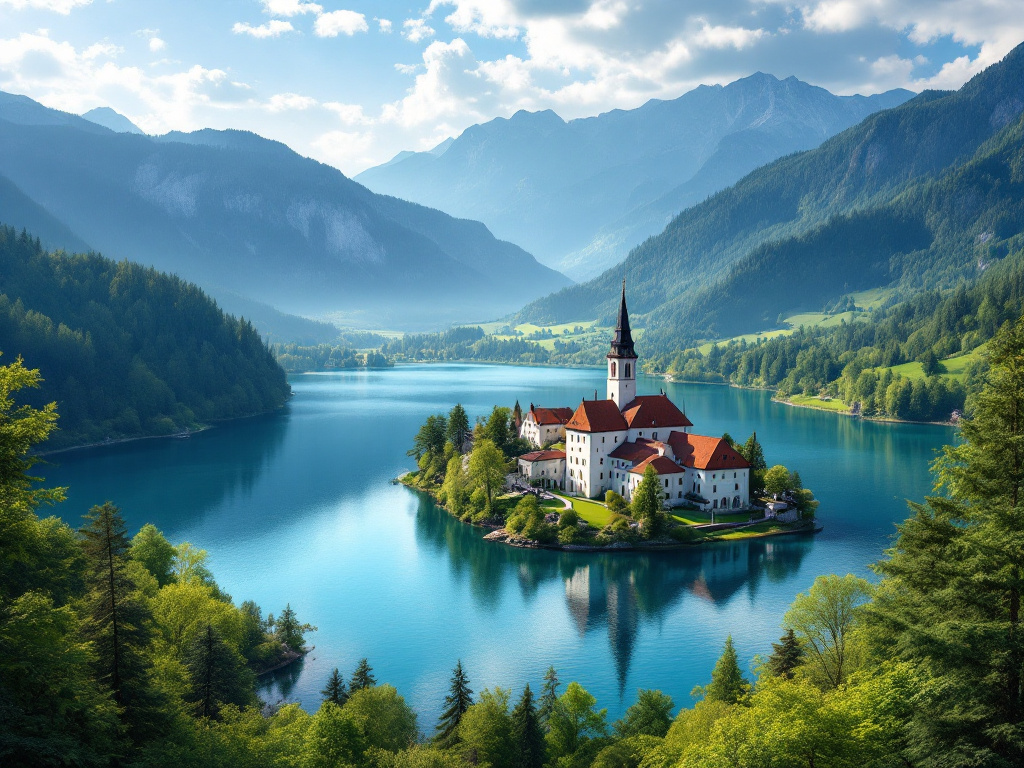
Lake Bled
A picturesque alpine lake with a small island and church, surrounded by mountains and a medieval castle.
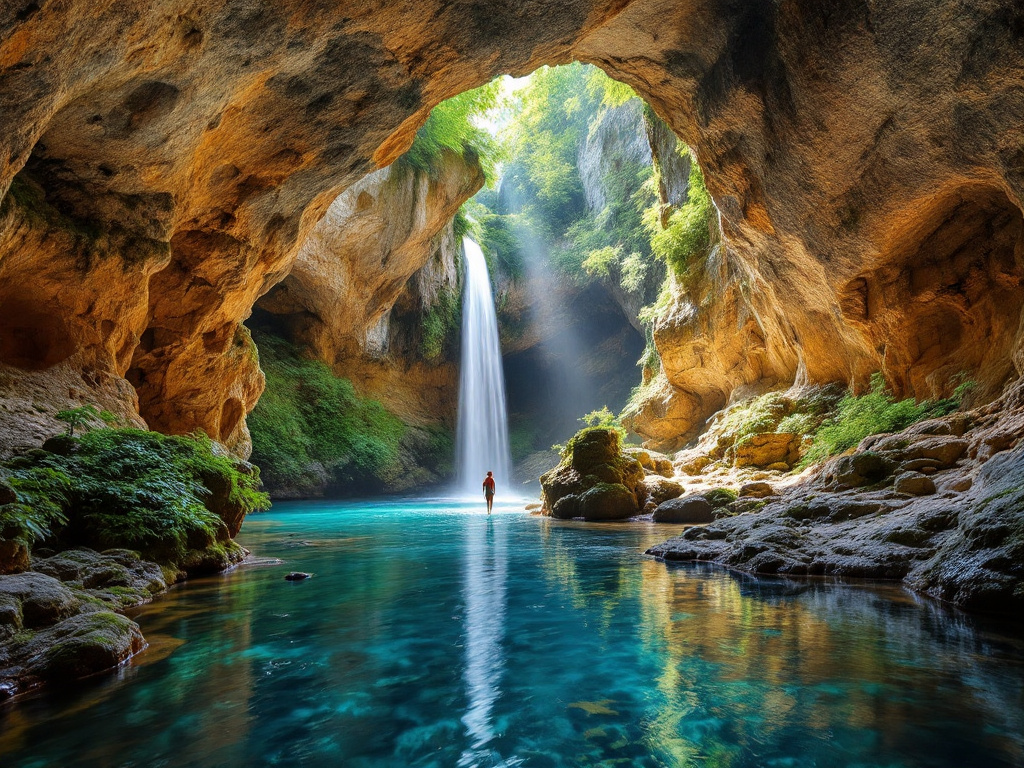
Postojna Cave
One of Europe's largest and most visited stalactite caves with an underground railway.
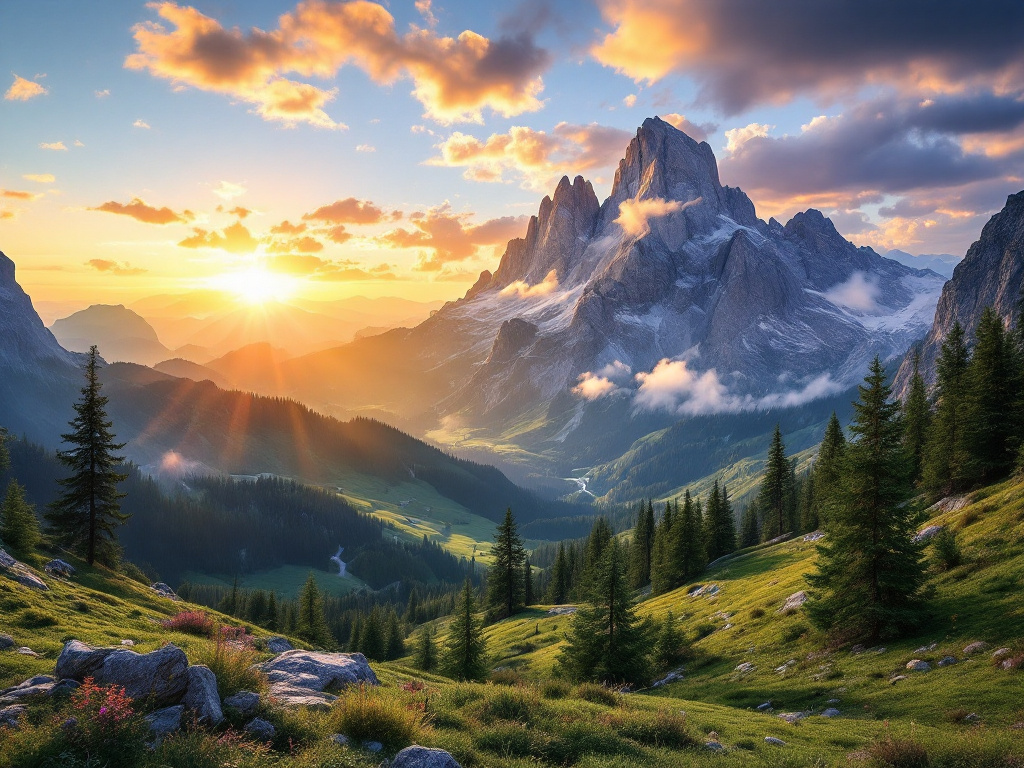
Triglav National Park
A majestic mountain area with alpine nature, lakes, and Slovenia's highest mountain.
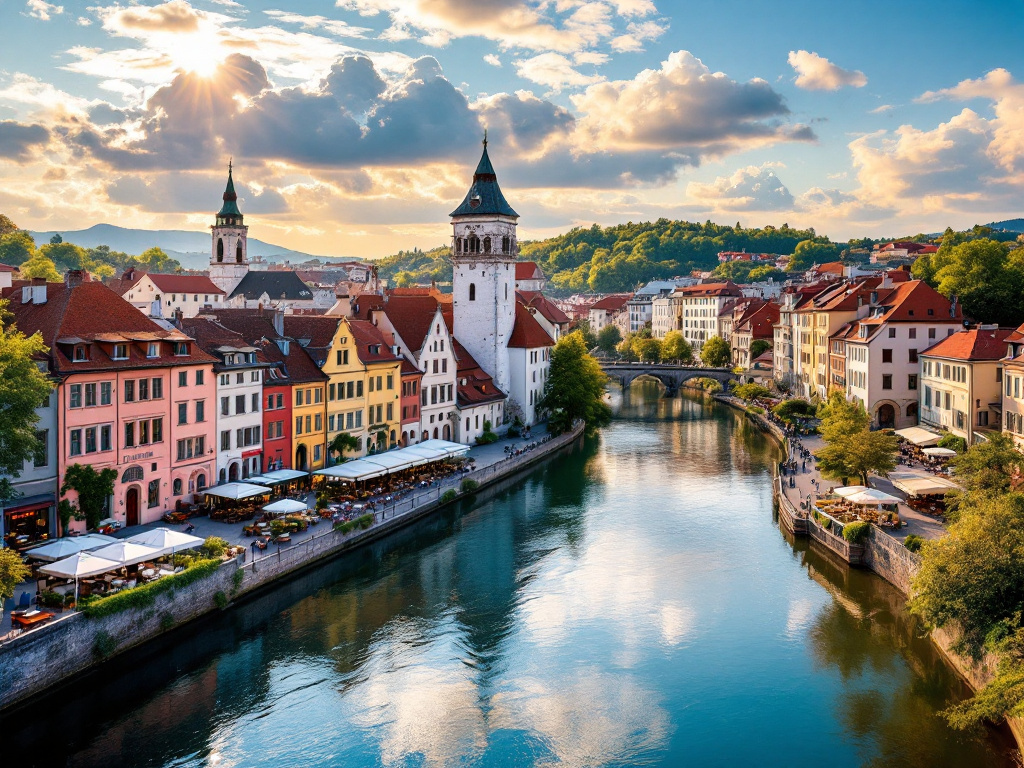
Ljubljana Old Town
A charming old town with cafes, bridges, and historic buildings along the river.
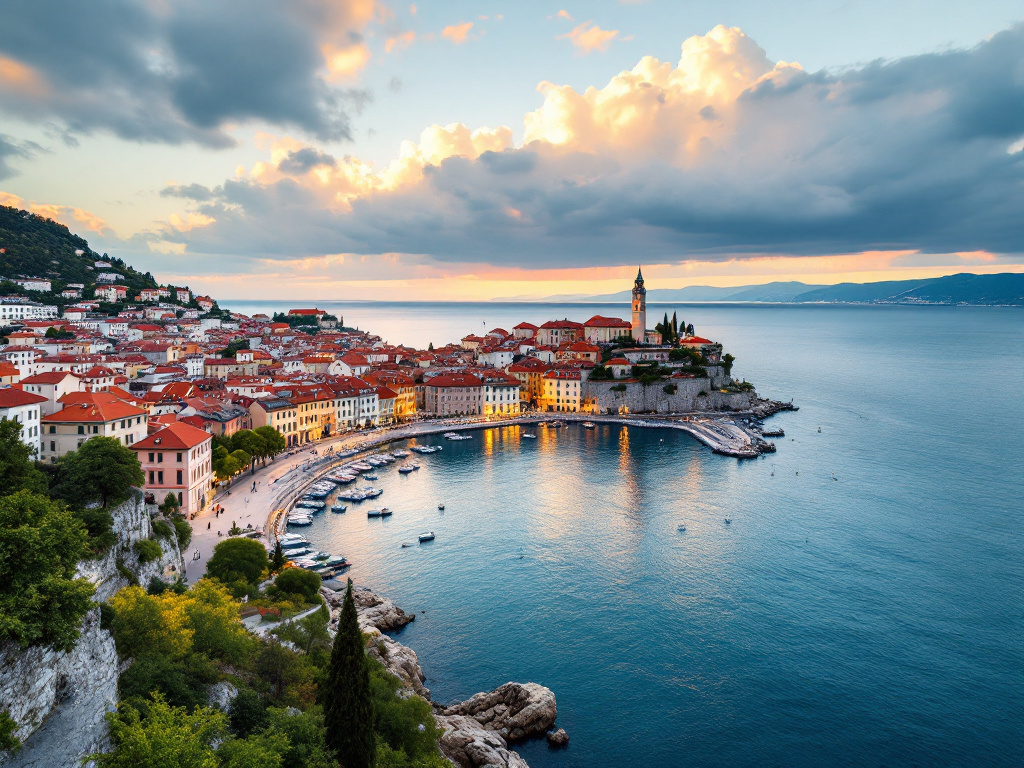
Piran
A beautiful medieval coastal town with Italian influences and views over the Adriatic Sea.
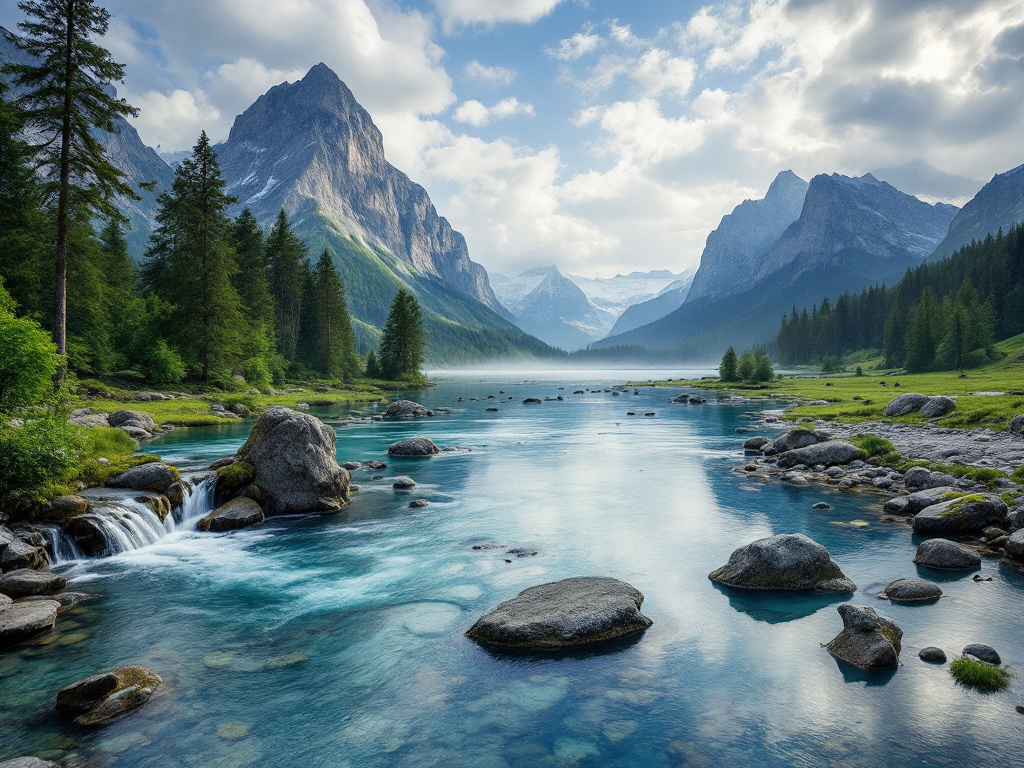
Vintgar Gorge
A dramatic gorge with wooden paths along an emerald-green river near Bled.
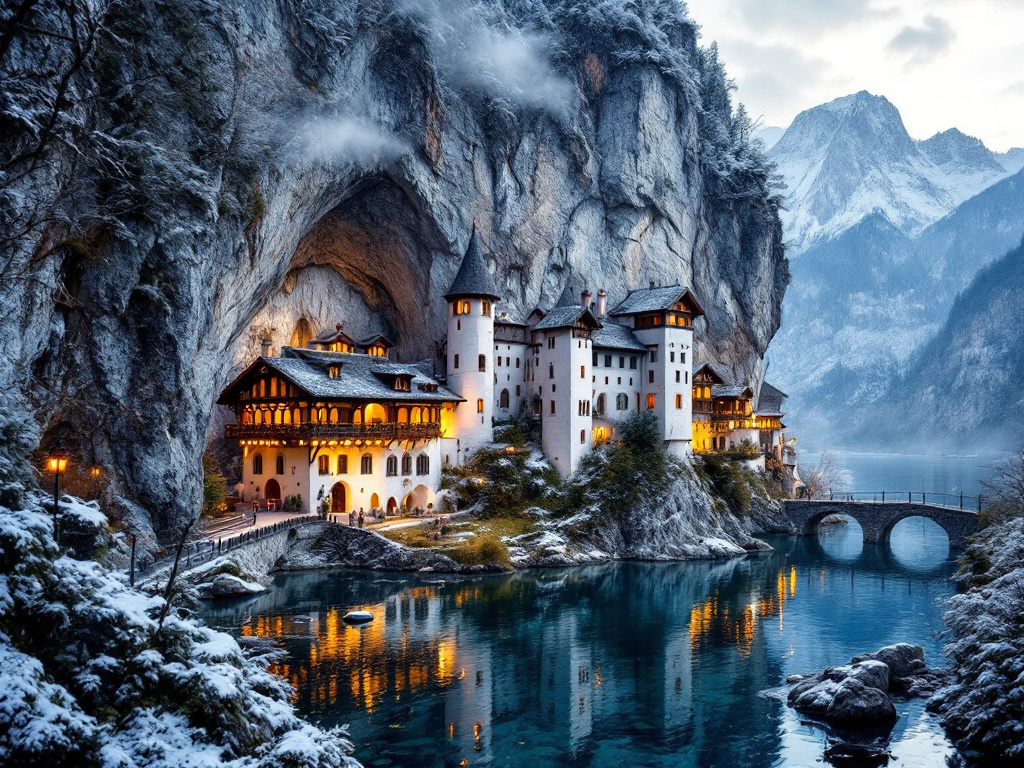
Predjama Castle
A dramatic medieval castle built directly into a cliff wall.
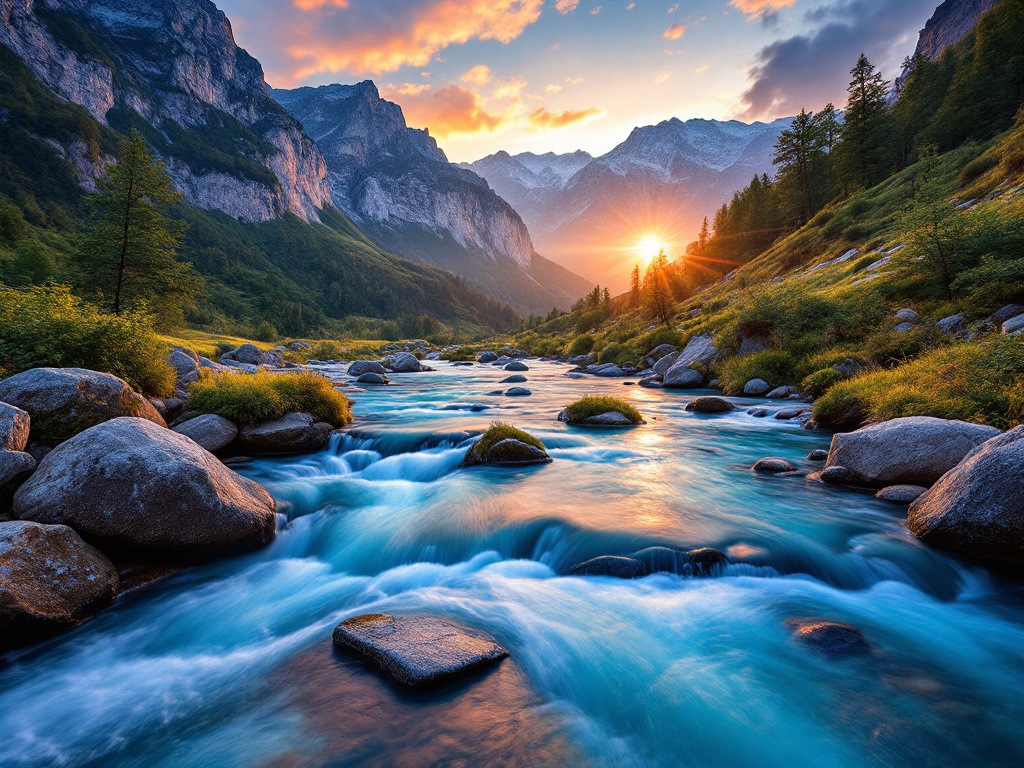
Soča Valley
A spectacular river valley known for its intense green color and outdoor activities.
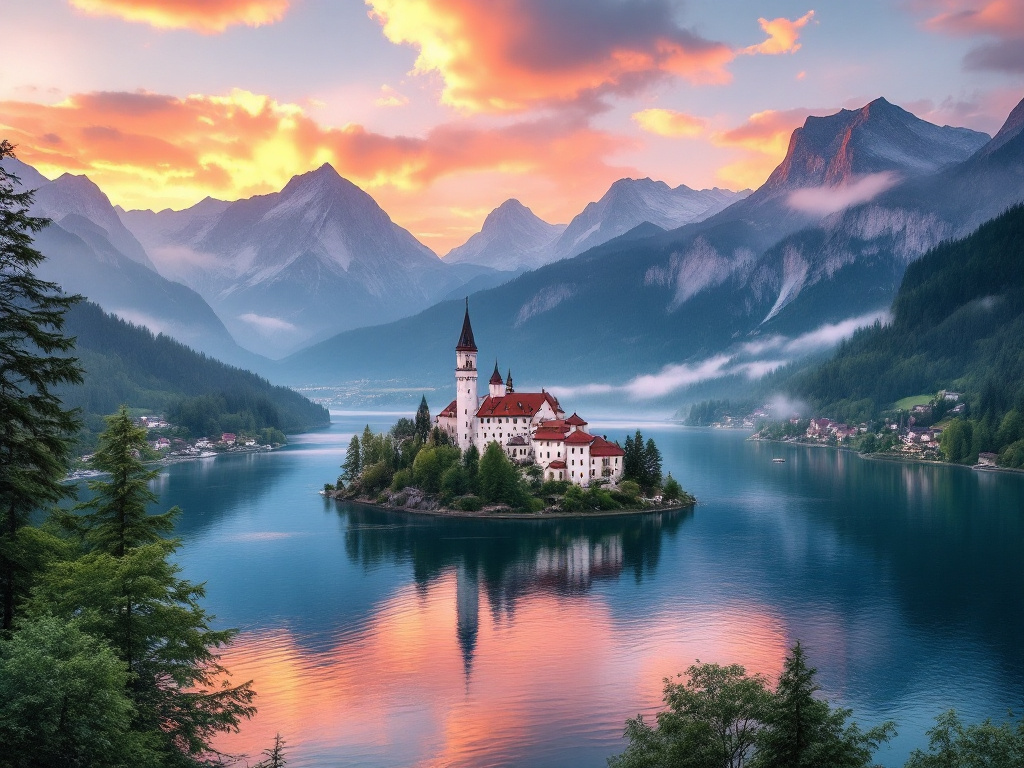
Bled Castle
A historic castle with panoramic views over Lake Bled and the surrounding Alps.
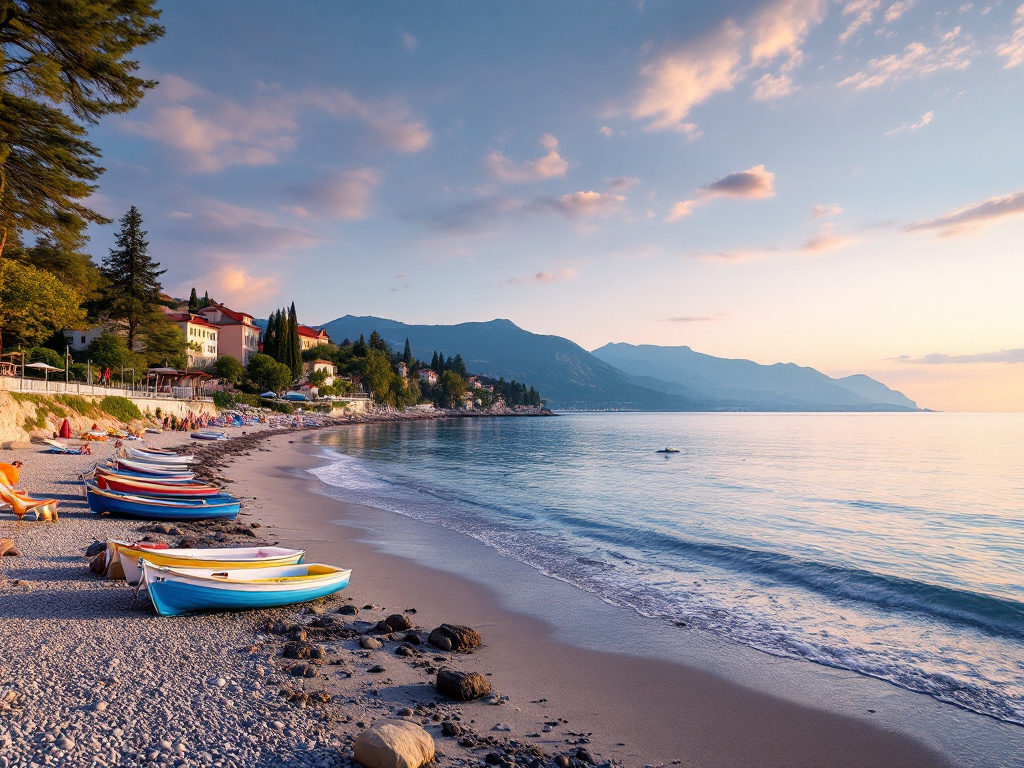
Portorož Beach
A popular beach and holiday town by the Adriatic Sea with a lively atmosphere.
Famous cuisine
Culinary overview
Slovenian cuisine is a melting pot of Central European, Mediterranean, and Balkan flavors. The country’s geographical diversity is reflected in its food—from fresh fish and seafood along the coast to hearty meat dishes and game in the mountains. Local markets are brimming with seasonal ingredients, and wine production is of high quality with both white and red wines. Traditional dishes are often served in rural 'gostilna' inns, while cities offer modern interpretations of the classics. Slovenia is also known for its sweet specialties and bread traditions, often associated with holidays.
Must-try dishes
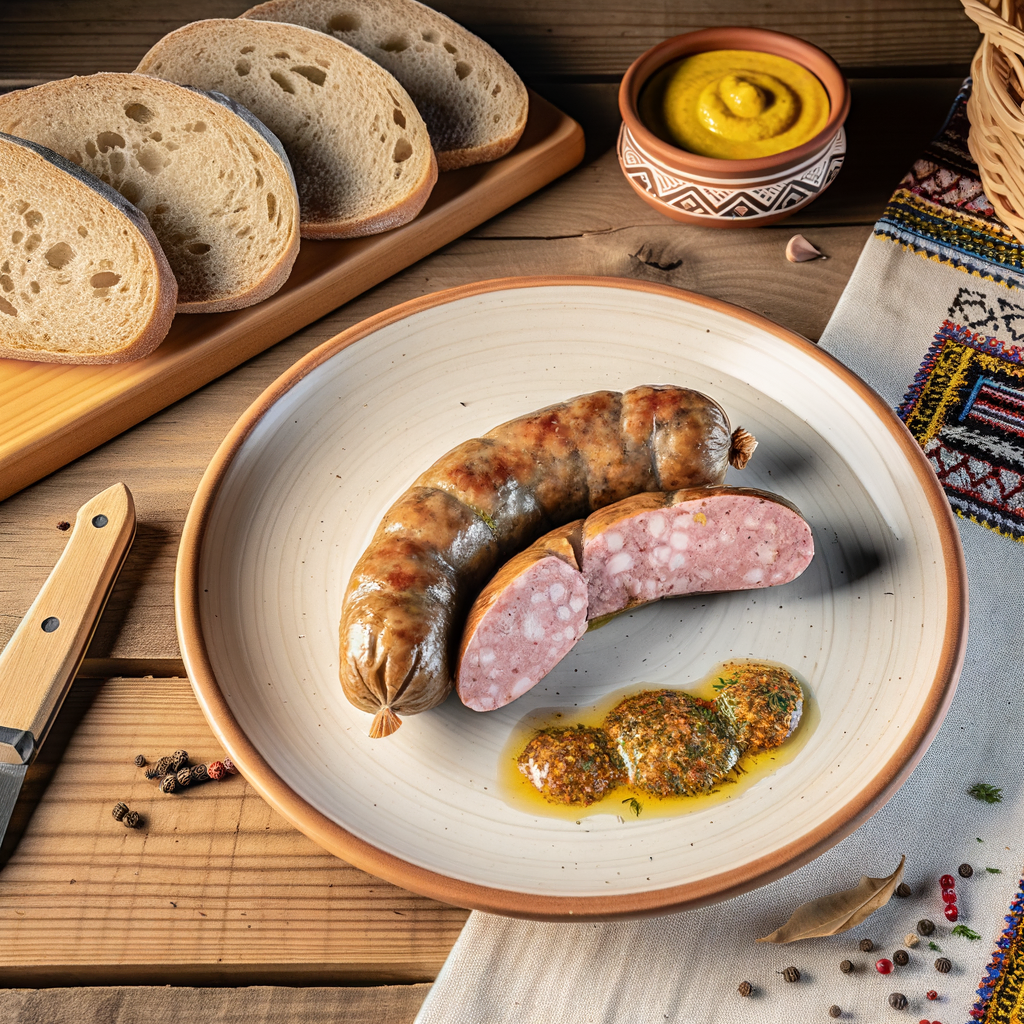
Kranjska Klobasa
A protected sausage made of pork, seasoned with garlic and pepper, smoked and cooked. Often served with mustard and bread.
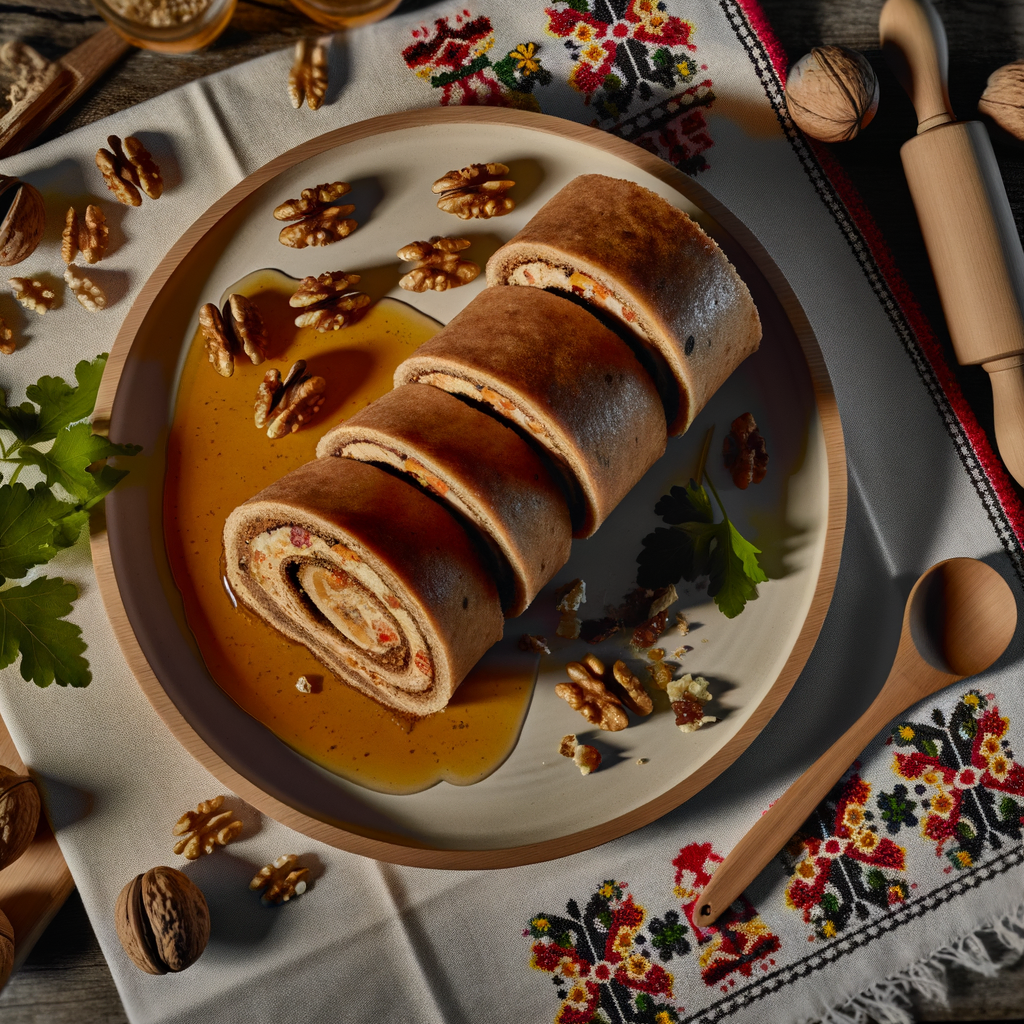
Potica
A traditional rolled cake filled with walnuts, honey, and spices. Especially eaten during Christmas and Easter.
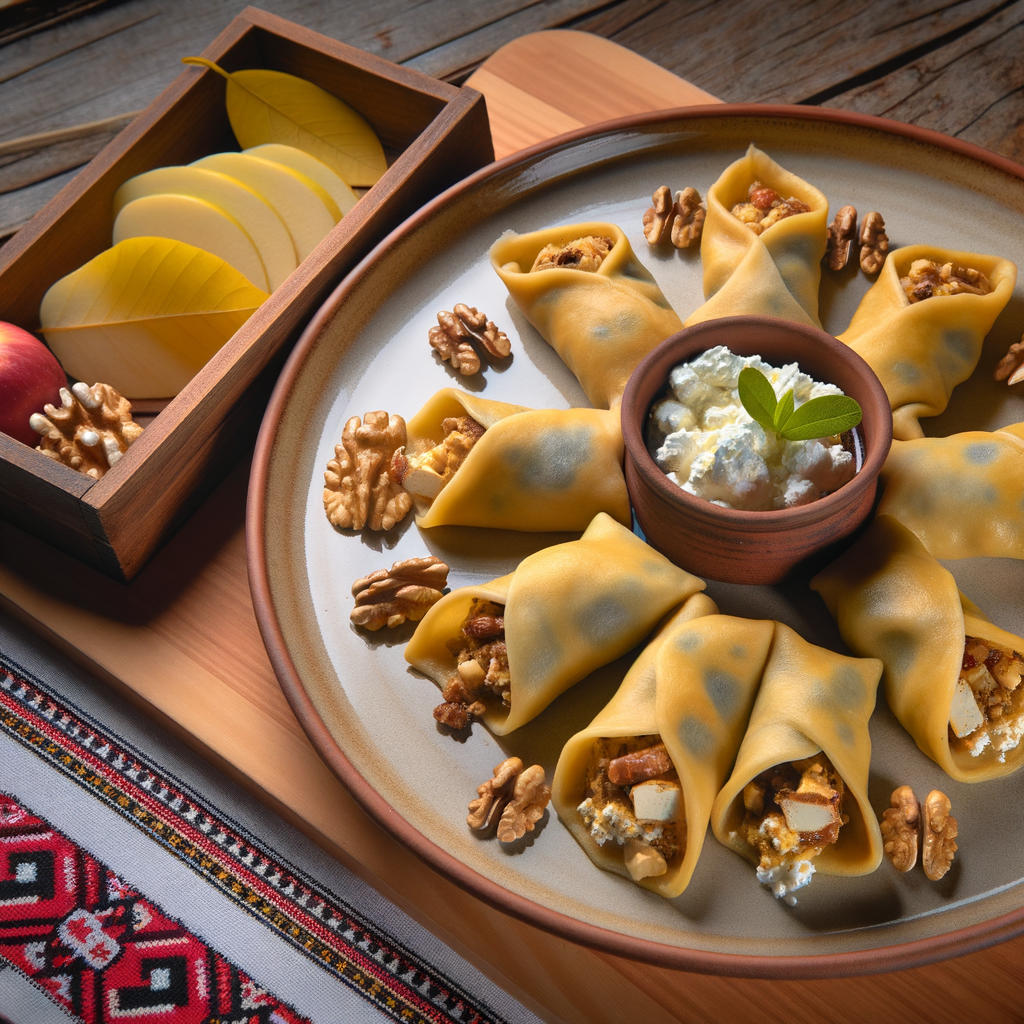
Štruklji
Rolled dough packages filled with sweet or savory ingredients such as cottage cheese, walnuts, or apples. Can be served boiled or baked.
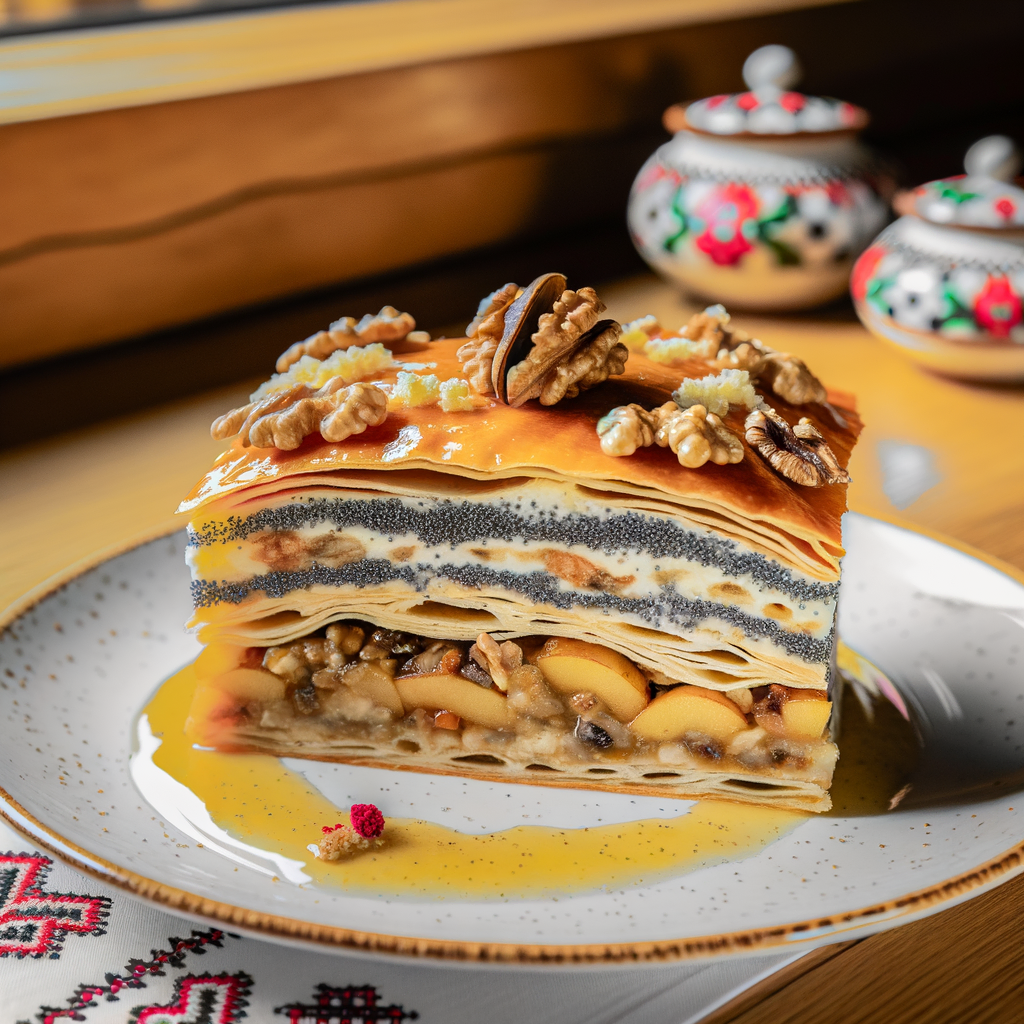
Prekmurska Gibanica
A layered cake from the Prekmurje region filled with walnuts, poppy seeds, apples, and quark. A rich and filling dessert.
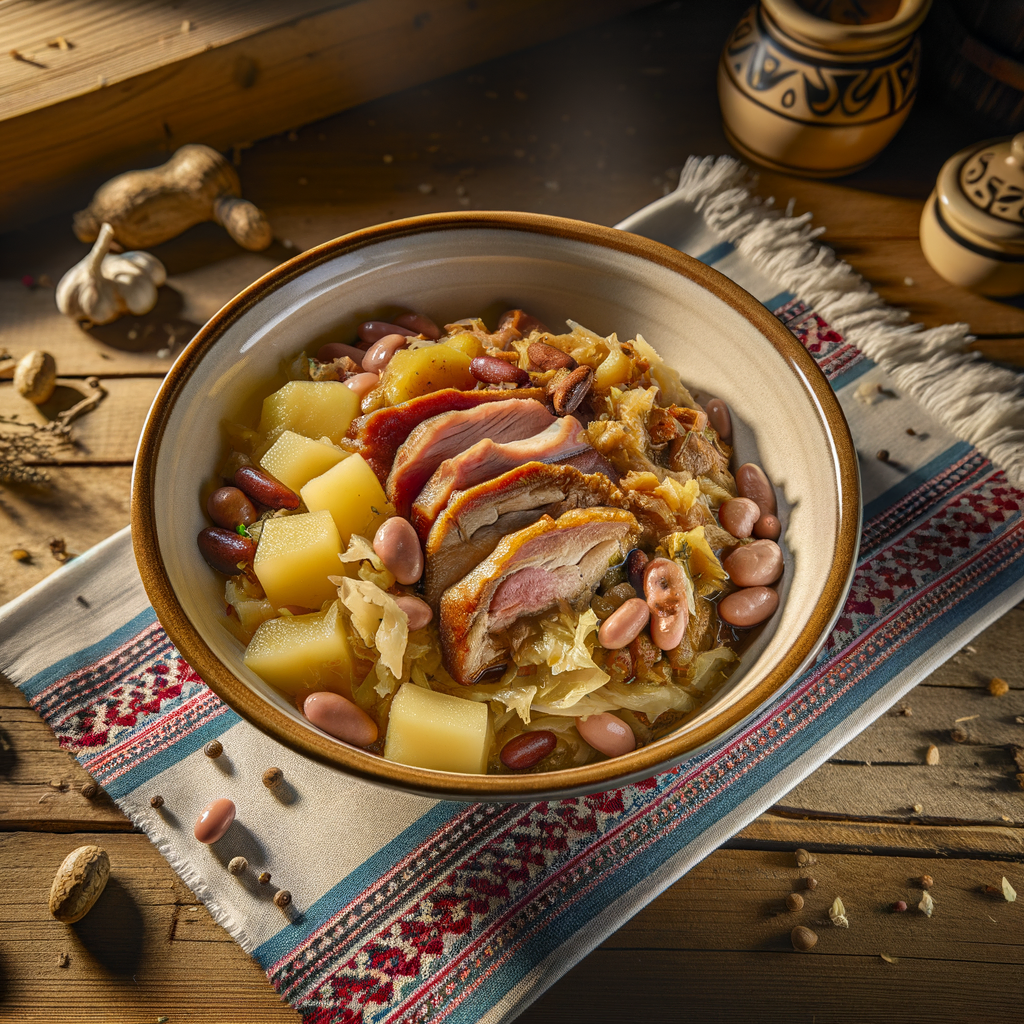
Jota
A hearty soup from the Primorska region made with sauerkraut, beans, potatoes, and often with smoked meat. Perfect for cold days.
Restaurant information
Tipping
Tipping is not mandatory in Slovenia, but it is common to round up or give 5-10% for good service. At cafés and bars, it is usually just expected to round up the bill.
Travel information
Currency
Euro (€)
Language
Slovenian
Best time to visit
May to September
Major cities
Ljubljana and other major cities
More countries in Europe
Discover more destinations in this region