Slovakia
Slovakia, located in the heart of Europe, is a country of majestic castles, towering mountains, and enchanting trails where history meets the beauty of unspoiled nature.
Overview
Slovakia, located in the heart of Europe, is an enchanting destination where medieval castles, UNESCO-protected cities, and dramatic mountain landscapes converge. From the impressive Spiš Castle, one of the largest in Central Europe, to the charming streets of Bardejov and Banská Štiavnica, the country offers a unique blend of history and culture. Nature shines in the High Tatras with its mirror-like lakes and world-class hiking trails, while underground limestone caves and untouched beech forests await exploration. Slovakia's hospitality, culinary delights, and authentic atmosphere make it an unforgettable destination!
Official language
Slovak
Government
Parliamentary republic
Best time to visit
May-September
Nature
Slovakia is a true gem in Central Europe, characterized by dramatic mountain ranges, deep forests, and crystal-clear lakes. The High Tatras, often referred to as 'the small Alps', boast steep peaks, glacial lakes like Štrbské Pleso, and a network of trails that attract hikers and skiers alike. To the south lies Slovak Karst, a UNESCO-listed area famous for its spectacular limestone caves such as Demänovská Cave, where underground rivers and colorful formations create a magical ambiance. The untouched beech forests of the Carpathians are a paradise for nature lovers, home to rich wildlife and tranquil paths. Rivers like the Danube and Váh wind their way through the landscape, offering opportunities for kayaking and biking along their banks. Spring and summer bring a vivid array of wildflowers to the meadows, while winter transforms the mountains into a pristine wonderland. Slovakia's nature is both accessible and diverse, making it an ideal destination for those seeking peace and adventure.
Travel to Slovakia
Traveling to Slovakia presents a blend of accessibility and variety. Centrally located in Europe, the country is easily reachable by plane, train, or car. Bratislava, just a short train ride from Vienna, serves as a perfect gateway to the country, featuring a charming old town and views from Bratislava Castle. Travelers can explore UNESCO cities, dramatic mountain ranges, and fascinating caves within relatively short distances. The ideal times to visit are from May to September for hiking, cycling, and cultural festivals, while winter draws skiers to the High Tatras. The overall cost of living is generally lower than in many Western European countries, allowing for quality experiences at an affordable price. With its blend of genuine hospitality, rich traditions, and spectacular nature, Slovakia is an excellent choice for both weekend getaways and longer journeys.
Culture
Slovakia's culture is deeply rooted in traditions, craftsmanship, and a strong local identity. The country is renowned for its unique wooden churches, many of which are on the UNESCO World Heritage list, showcasing centuries of religious and architectural heritage. Music and dance play a central role, especially in rural areas where folk music, accompanied by the violin and cimbalom, still enhances celebrations. The wine tradition in the Tokaj region is a proud part of the culture, with sweet dessert wines and local grapes grown with care. The cuisine is hearty and rustic, featuring dishes like bryndzové halušky (potato dumplings with sheep cheese) and kapustnica (cabbage soup), often served during festive occasions. Markets and festivals in cities like Bratislava and Košice showcase handicrafts, embroidery, and ceramics, while cozy cafes and small pubs invite moments of relaxation. Slovakia manages to preserve its authentic cultural heritage while embracing modern influences, creating a vibrant and diverse cultural scene.
History
Slovakia's history is shaped by its central location in Europe, where various cultures and empires have crossed paths. The region was part of the Great Moravian Empire in the 9th century before being ruled under the Hungarian crown for nearly 1000 years. This period left a rich legacy of castles, churches, and fortified towns. In the 20th century, Slovakia became part of Czechoslovakia after World War I, later experiencing both Nazi occupation and communist rule. In 1993, Slovakia became an independent republic after the peaceful 'Velvet Divorce' from the Czech Republic. The country’s history is reflected in its architecture, from medieval fortresses to socialist buildings, as well as in its strong national identity.
Top attractions
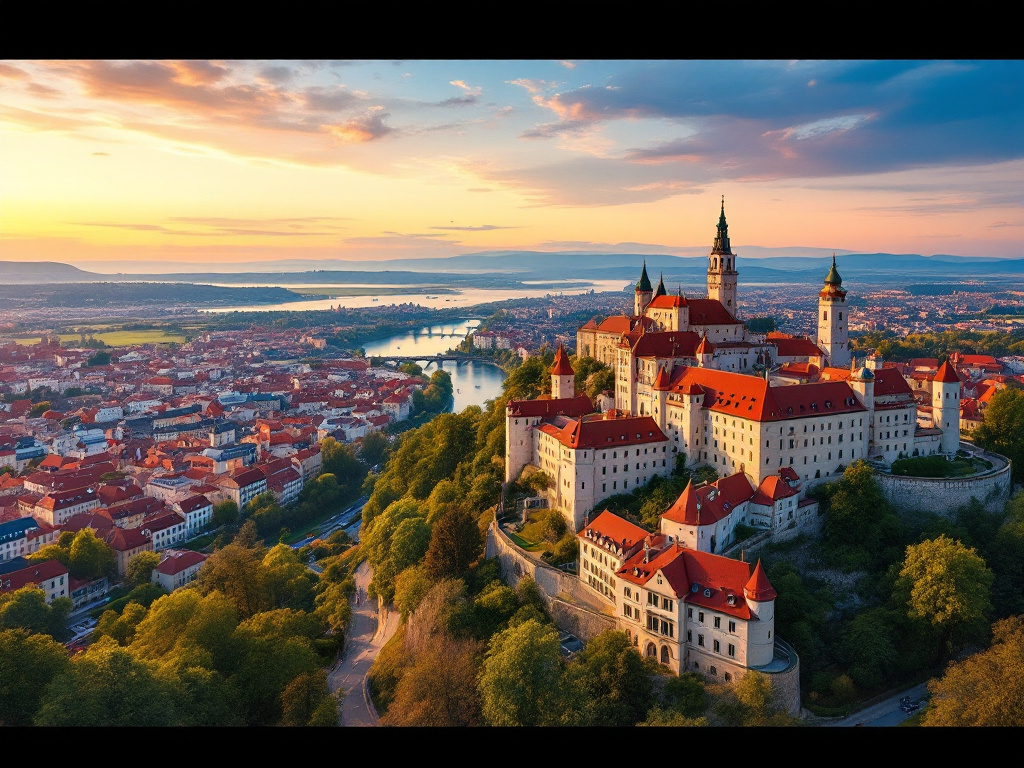
Bratislava Castle
A prominent castle on a hilltop above Bratislava, housing national collections and offering one of the best views in Slovakia.
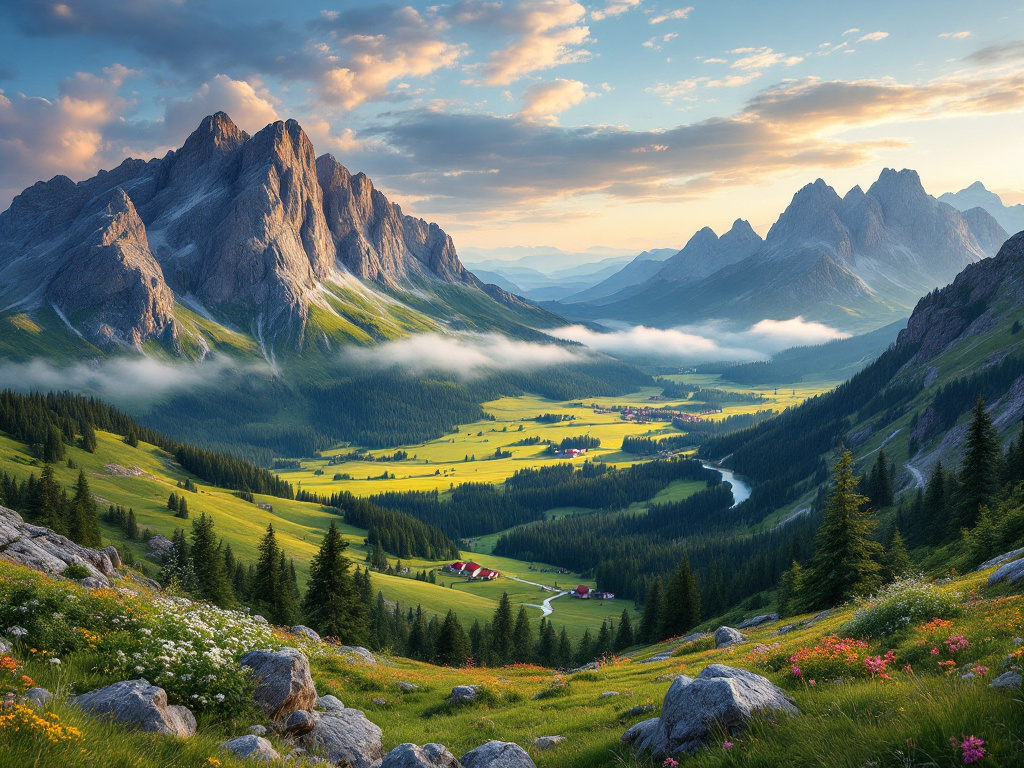
The High Tatras
Slovakia's most famous mountain range with dramatic peaks, clear lakes, and excellent opportunities for hiking and winter sports.
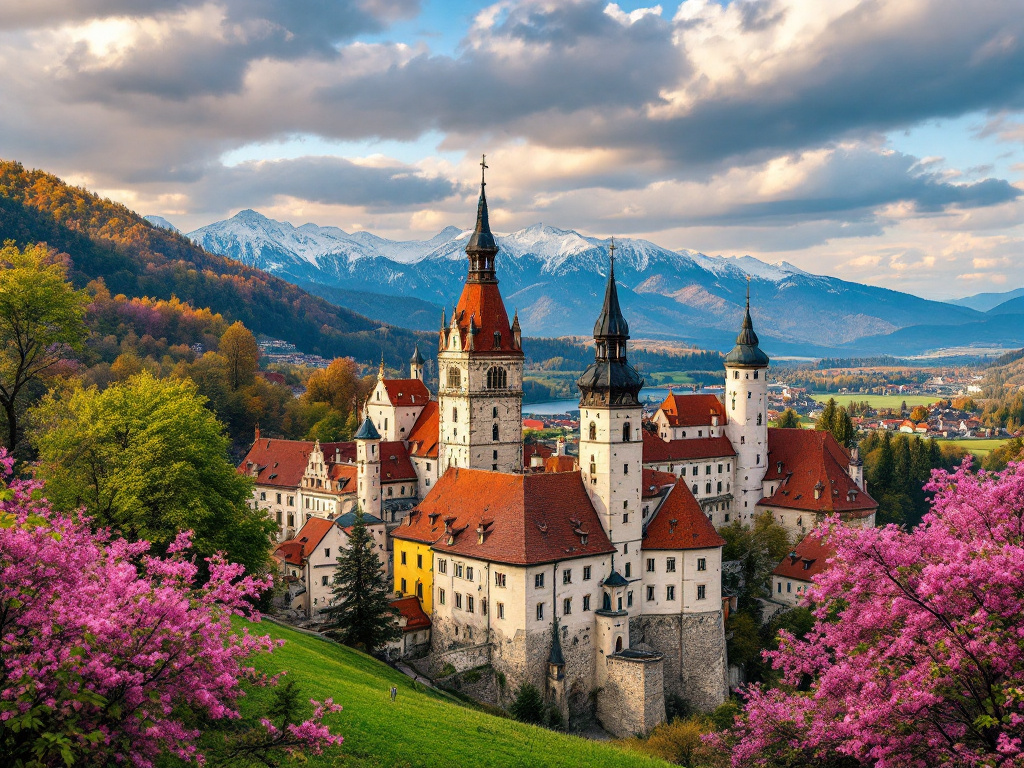
Spiš Castle
One of Central Europe's largest castle complexes and a symbol of medieval power in the Spiš region.
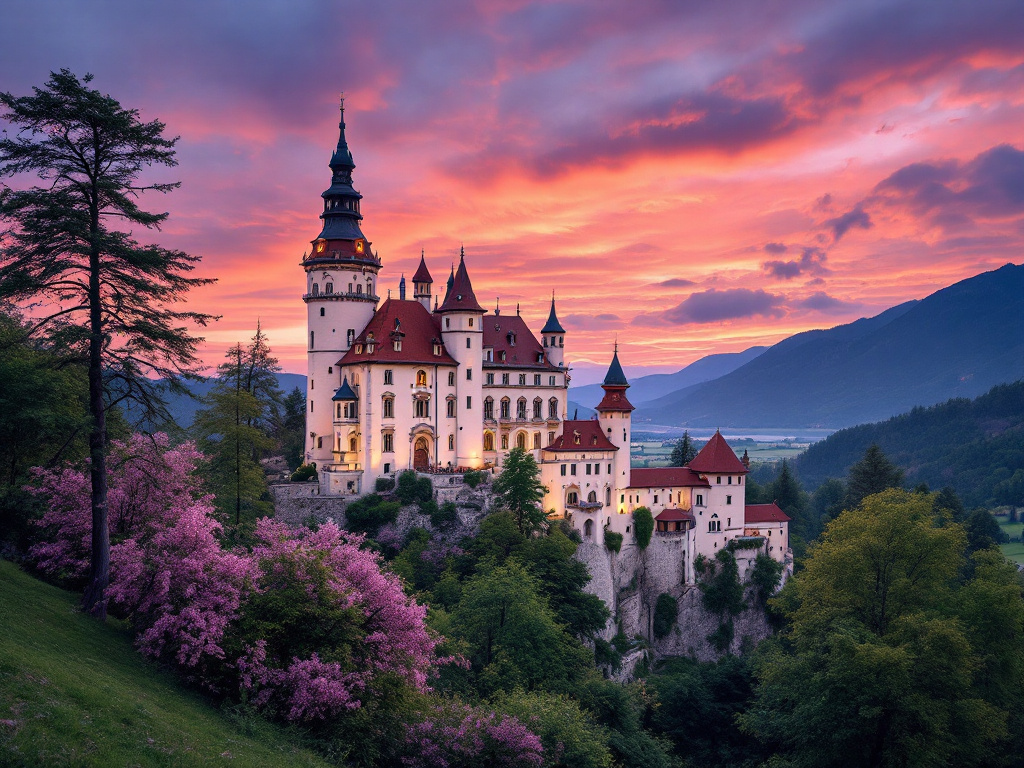
Bojnice Castle
A romantic castle with a fairy-tale facade, often referred to as Slovakia's most beautiful.
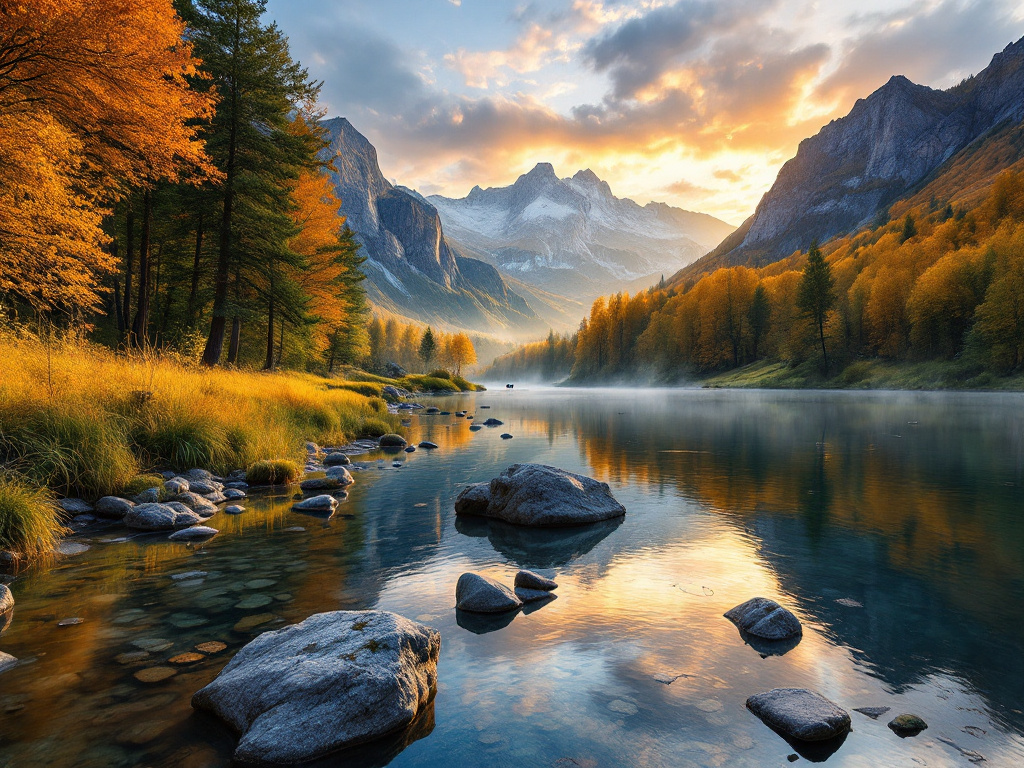
Slovak Paradise National Park
A unique national park known for its gorges with ladders, waterfalls, and dramatic nature trails.
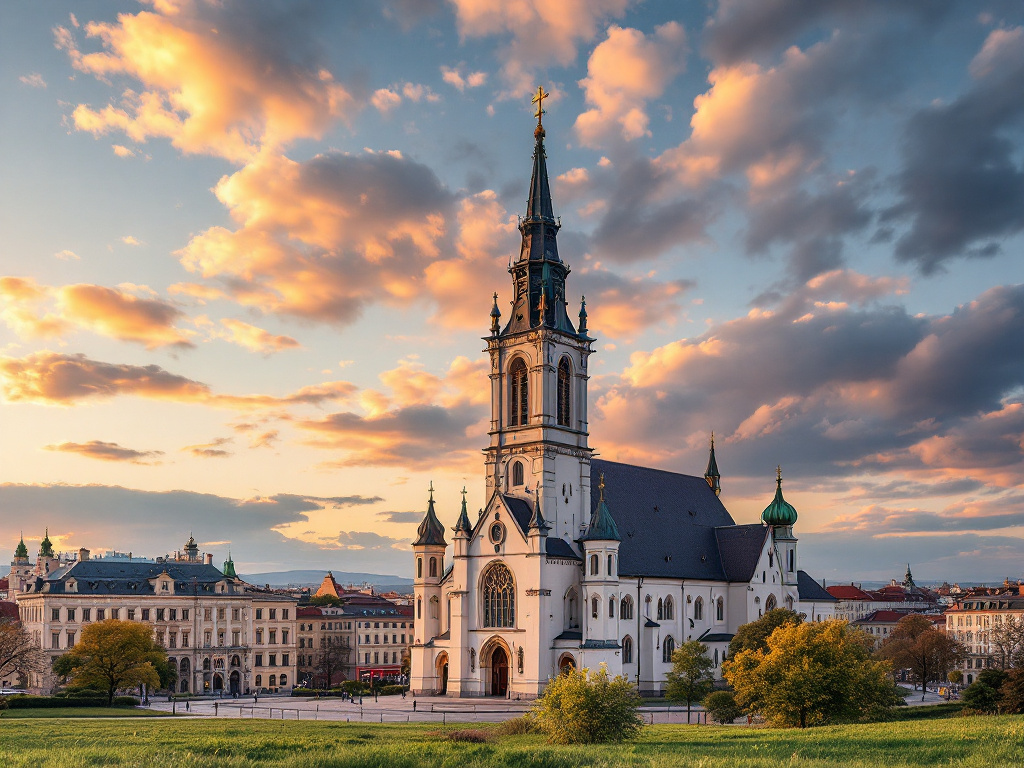
St. Elizabeth Cathedral
An impressive Gothic cathedral and a central landmark in Košice with rich history and art.
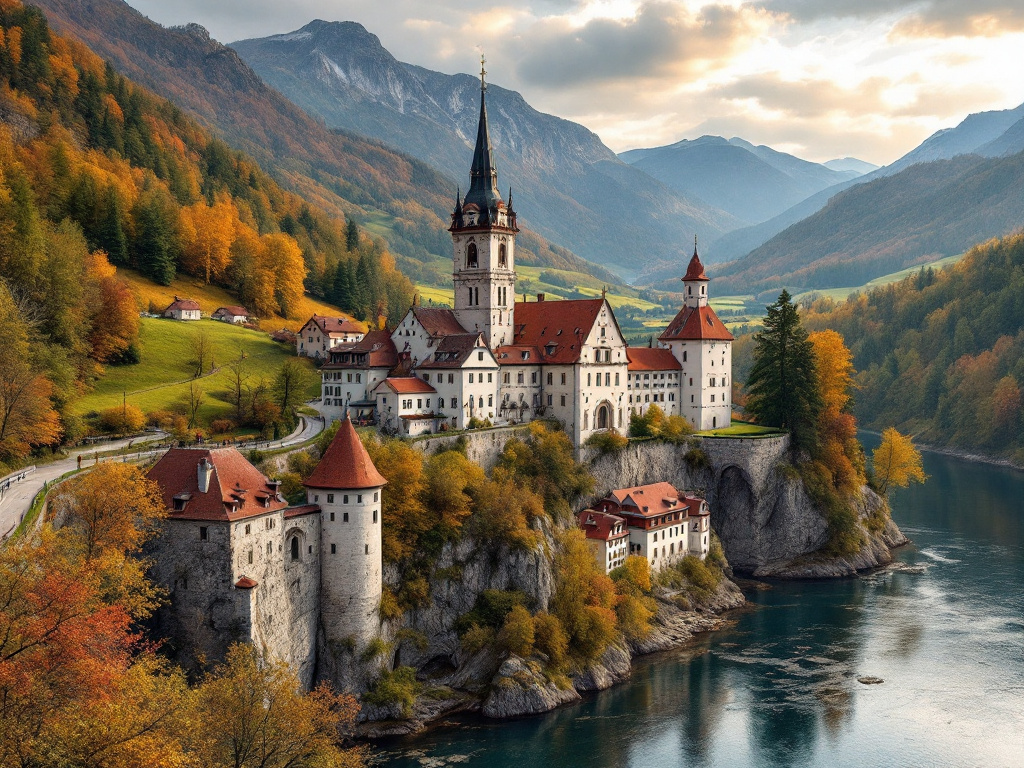
Orava Castle
A dramatic castle built on a steep cliff over the Orava River, known for its silhouette.
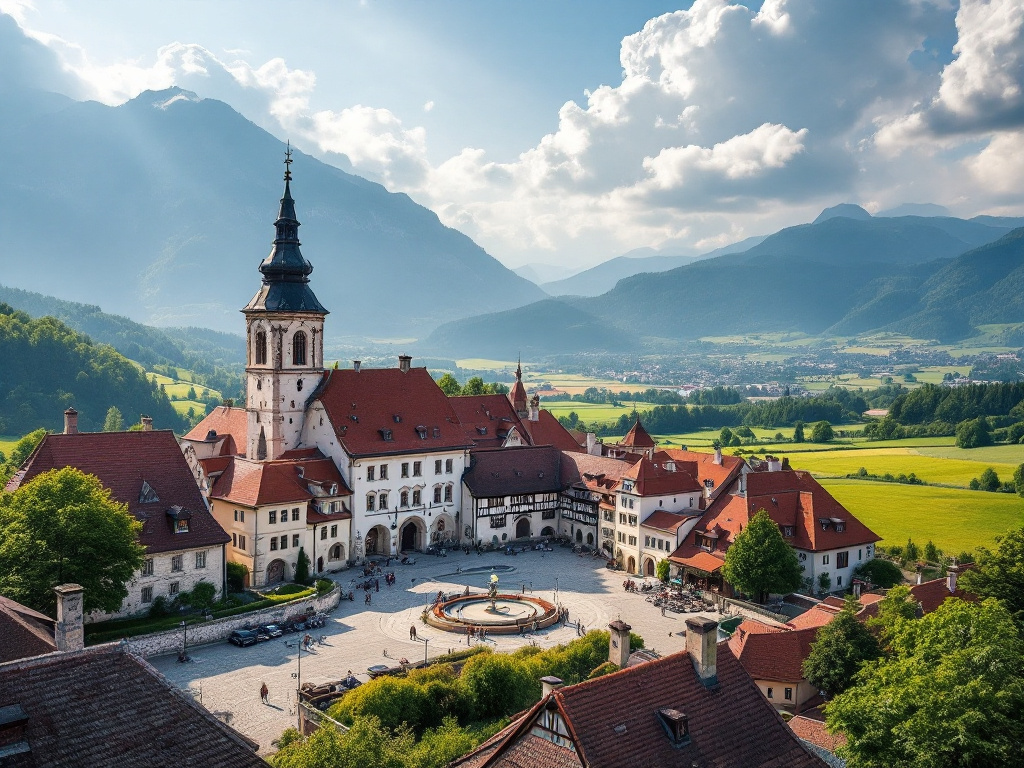
Levoča Old Town
A well-preserved medieval town with a beautiful central square and a strong historical atmosphere.
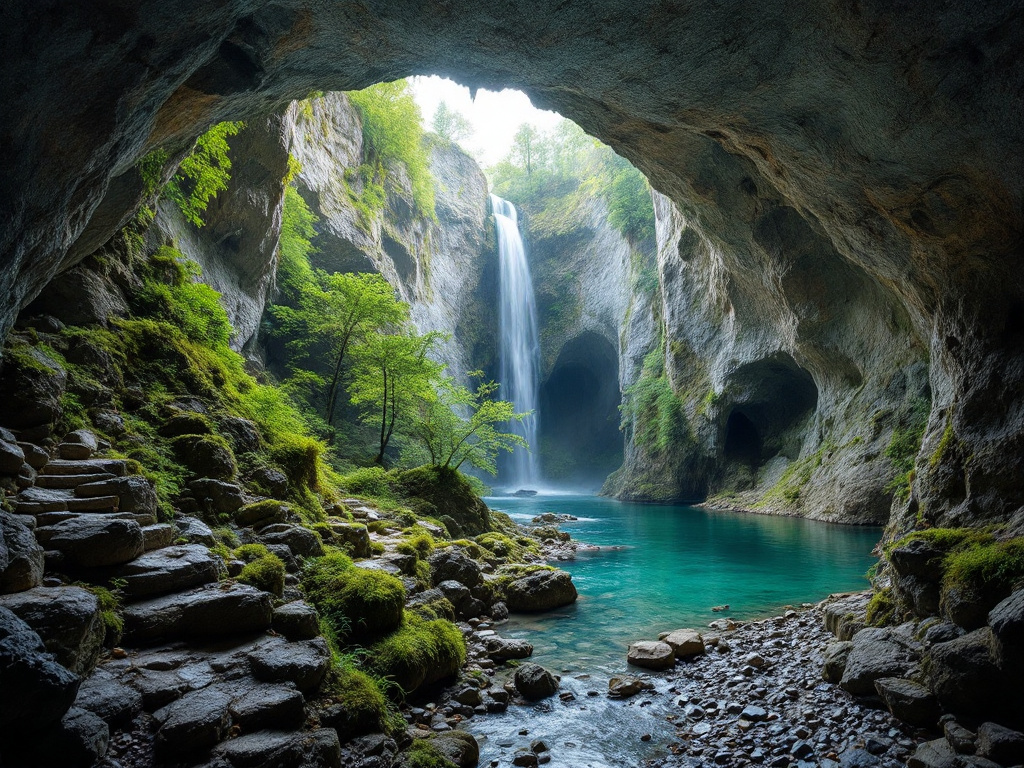
Demänovská Ice Cave
A rare ice cave featuring fascinating natural ice formations in the Demänová valley.
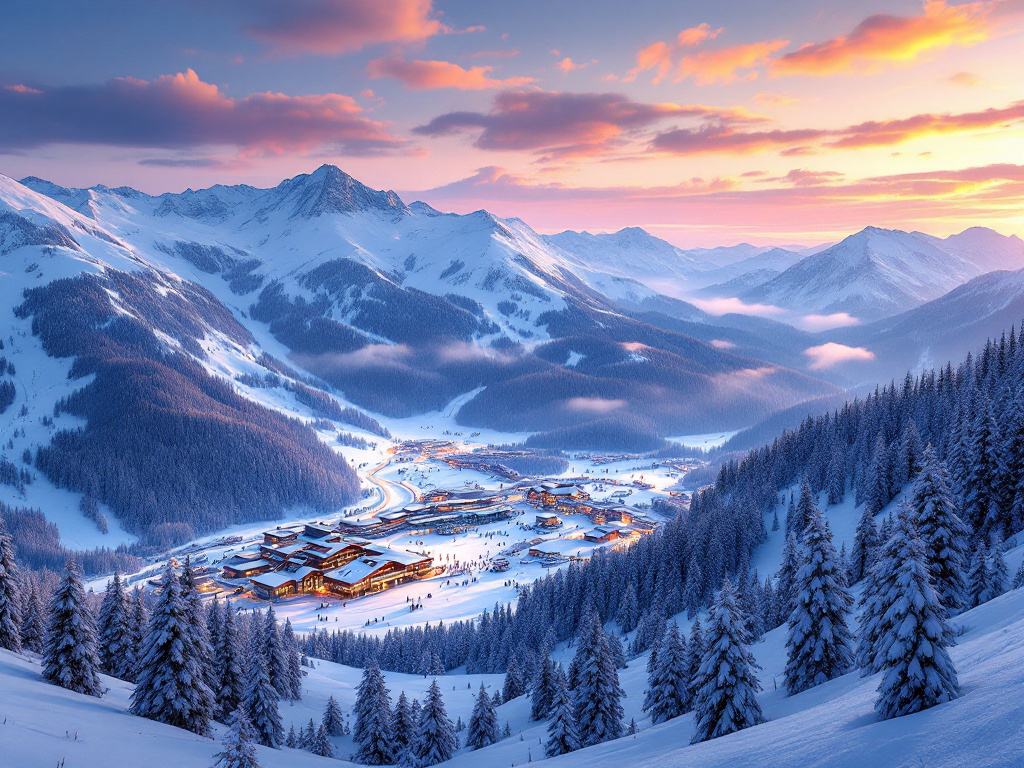
Jasná Ski Resort
Slovakia's leading ski resort with modern facilities and year-round activities.
Famous cuisine
Culinary overview
Slovak cuisine is a harmonious blend of Central European flavors with strong influences from Hungary, the Czech Republic, and Poland. Traditional dishes are often based on potatoes, cabbage, pork, and dairy products, especially the local sheep cheese bryndza. Meals are hearty and filling, often accompanied by freshly baked bread or pancakes known as lokše. Soups play an important role, especially in winter months, with dishes like kapustnica bringing warmth and coziness. Slovakia is also known for its wines from the Tokaj region and local beers. The food culture is closely tied to the seasons, and many dishes are traditionally served during holidays and festive occasions.
Must-try dishes
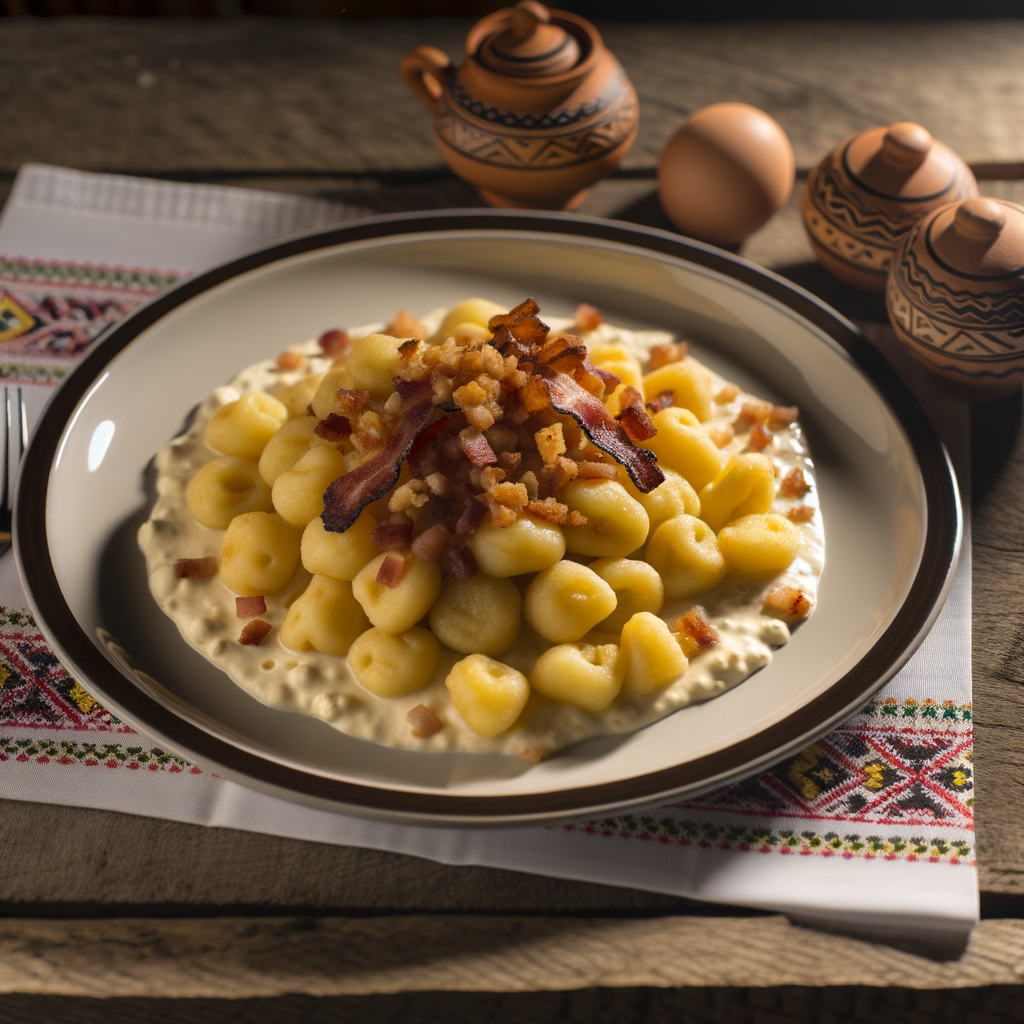
Bryndzové Halušky
Slovakia's national dish – small potato gnocchi served with creamy sheep cheese (bryndza) and crispy bacon. A rich and filling dish that reflects the country's shepherd traditions.
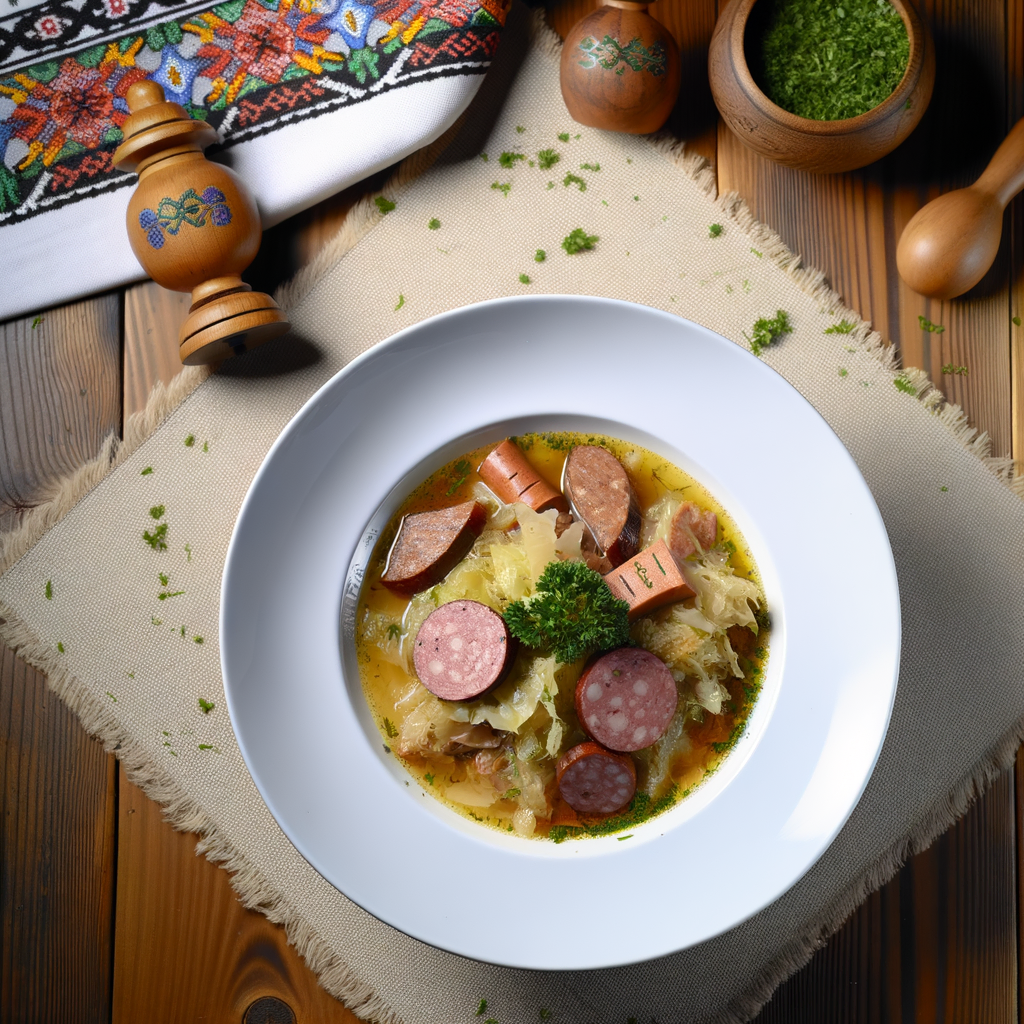
Kapustnica
A hearty cabbage soup made with sauerkraut, smoked meat, sausages, and often dried mushrooms. Traditionally served at Christmas, but enjoyed year-round.
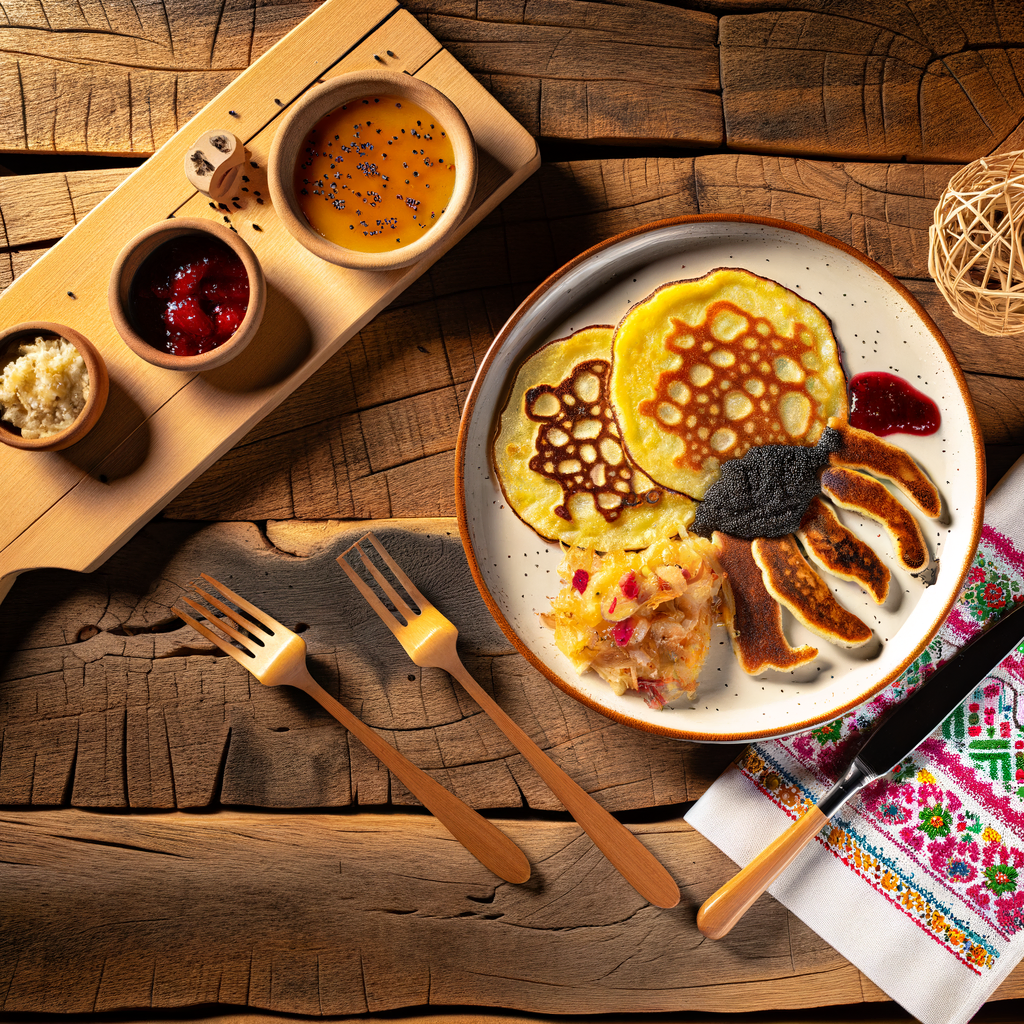
Lokše
Thin potato pancakes that can be served either sweet with poppy seeds or jam, or savory with duck, goose, or cabbage.
.webp)
Slovak Sausage (Klobása)
Spicy sausage made from pork, often smoked and served with bread, mustard, and pickled vegetables.
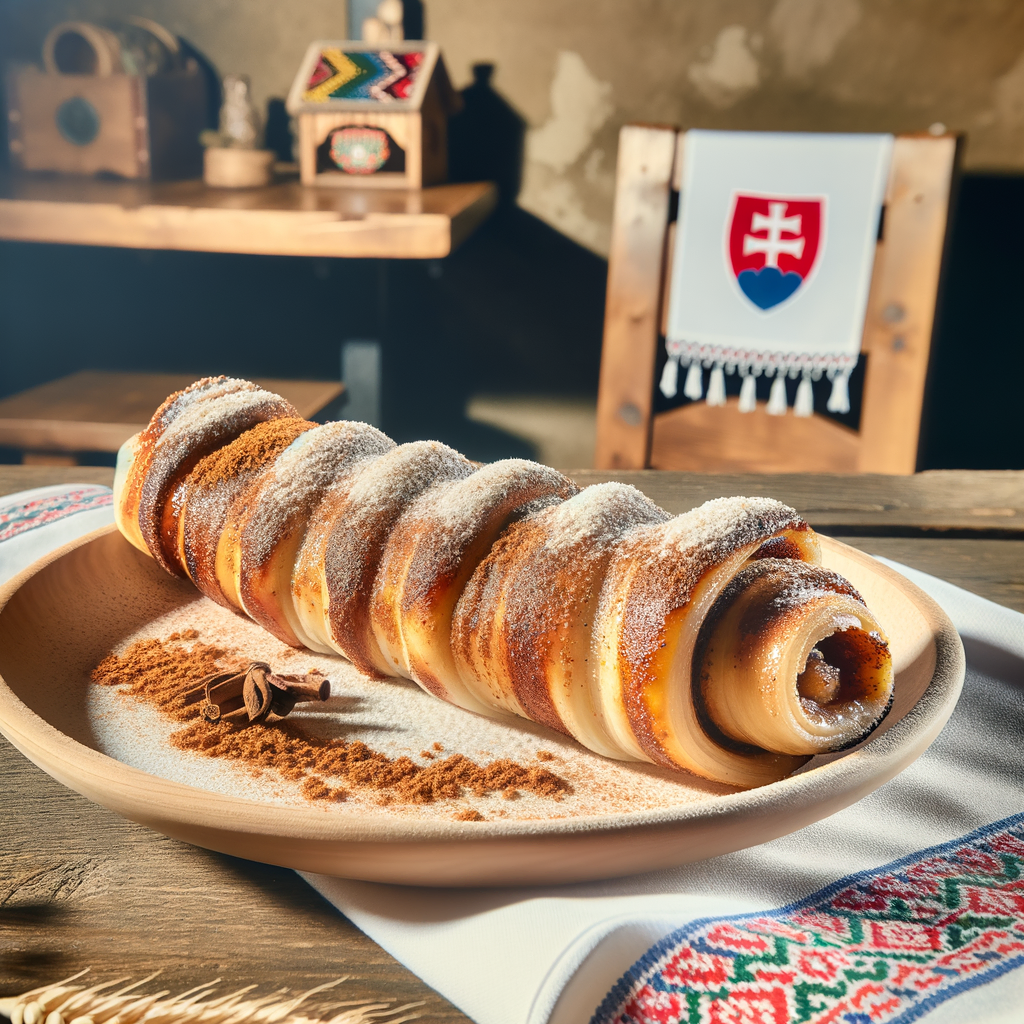
Trdelník
A sweet pastry made from dough that is rolled around a stick, grilled, and dusted with sugar and cinnamon. Popular as a street snack.
Restaurant information
Tipping
Tipping is not mandatory in Slovakia, but it is common to round up or give 5-10% for good service. In restaurants, tips are given directly to the waiter.
Travel information
Currency
Euro (€)
Language
Slovak
Best time to visit
May-September
Major cities
Bratislava and other major cities
More countries in Europe
Discover more destinations in this region