
Sierra Leone
Sierra Leone, West Africa's hidden gem, offers serene beaches, lush rainforests, and a vibrant culture, allowing visitors to experience untouched nature and rich traditions.
Overview
Sierra Leone, the hidden gem of West Africa, is an undiscovered paradise for travelers seeking authentic experiences. Here, golden sandy beaches like Tokeh Beach and the idyllic Banana Islands meet crystal-clear waters, while lush rainforests hide rare wildlife. In Freetown, vibrant markets, historical buildings, and a warm, welcoming community invite you to explore. From the Tacugama Chimpanzee Sanctuary to the UNESCO-listed Bunce Island, Sierra Leone offers a unique blend of nature, culture, and history, all wrapped in an atmosphere that still feels like a well-kept secret.
Official language
English
Government
Presidential democracy
Best time to visit
November to April (dry season)
Nature
Sierra Leone's natural landscapes are a treasure trove for adventure seekers. Along the coast lie some of West Africa's most stunning and unspoiled beaches, like Tokeh Beach with its golden sand and the tranquil Banana Islands, where snorkeling and diving unveil vibrant marine life. Inland, lush rainforests, rushing rivers, and green mountains create the perfect backdrop for hiking and ecotourism. Outamba-Kilimi National Park is a highlight for wildlife enthusiasts, featuring chimpanzees, pygmy hippos, and colorful bird species in their natural habitats. The Tacugama Chimpanzee Sanctuary offers a unique insight into conservation efforts and the chance to get up close with these fascinating primates. The rainy season transforms the landscape into a verdant paradise, while the dry season from November to April offers ideal conditions for beach lounging and wildlife safaris. The combination of coast, rainforest, and savannah makes Sierra Leone one of the most diverse natural regions in West Africa.
Travel to Sierra Leone
Traveling to Sierra Leone is a journey into a country that still feels like a hidden treasure. The ideal time to visit is from November to April, when the dry season provides sunny days and perfect conditions for beach relaxation and nature adventures. Flights arrive at Lungi International Airport near Freetown, with ferry or boat rides leading you to the capital. Travelers can combine leisure on beaches like Tokeh Beach with island hopping to the Banana Islands, safaris in Outamba-Kilimi National Park, and cultural explorations in Freetown. Culinary enthusiasts will relish the local cuisine, while history buffs can delve into Bunce Island and other historical sites. The nation's warmth and authentic atmosphere make it a destination for those seeking something beyond the ordinary—a place where nature, culture, and history fuse into an unforgettable travel experience.
Culture
Sierra Leone's culture is a vibrant mosaic of traditions, languages, and music. The country is home to a diverse community where English is the official language, but Krio serves as the lingua franca, alongside local languages like Mende and Temne that reflect the ethnic roots. Music and dance play a central role in daily life, from traditional drumming to modern afrobeats. The markets in Freetown buzz with energy, colors, and aromas, showcasing handcrafted textiles, wood carvings, and jewelry that speak to the skilled craftsmanship of the people. Culinary delights include cassava-leaf stew, jollof rice, and groundnut soup, combining local ingredients with spicy flavors. Celebrations like Independence Day and local harvest festivals are filled with dance, song, and community spirit. Religion plays a significant role, with Christians and Muslims coexisting peacefully, making this cultural wealth a highlight for visitors seeking authentic West African hospitality.
History
Sierra Leone's history is rich and complex. For centuries, the country was a significant trading hub, yet it also became a tragic focal point for the transatlantic slave trade. Bunce Island, now a UNESCO World Heritage Site, recounts the poignant story of countless Africans sent across the Atlantic. In the late 18th century, Freetown was established as a settlement for freed slaves, giving the city a unique historical identity. Colonial rule under British governance shaped the nation’s institutions and language. Following independence in 1961, Sierra Leone faced political challenges and a devastating civil war in the 1990s, but the country has since worked diligently towards peace, reconciliation, and rebuilding. This history is now a vital part of the national identity and pride.
Top attractions
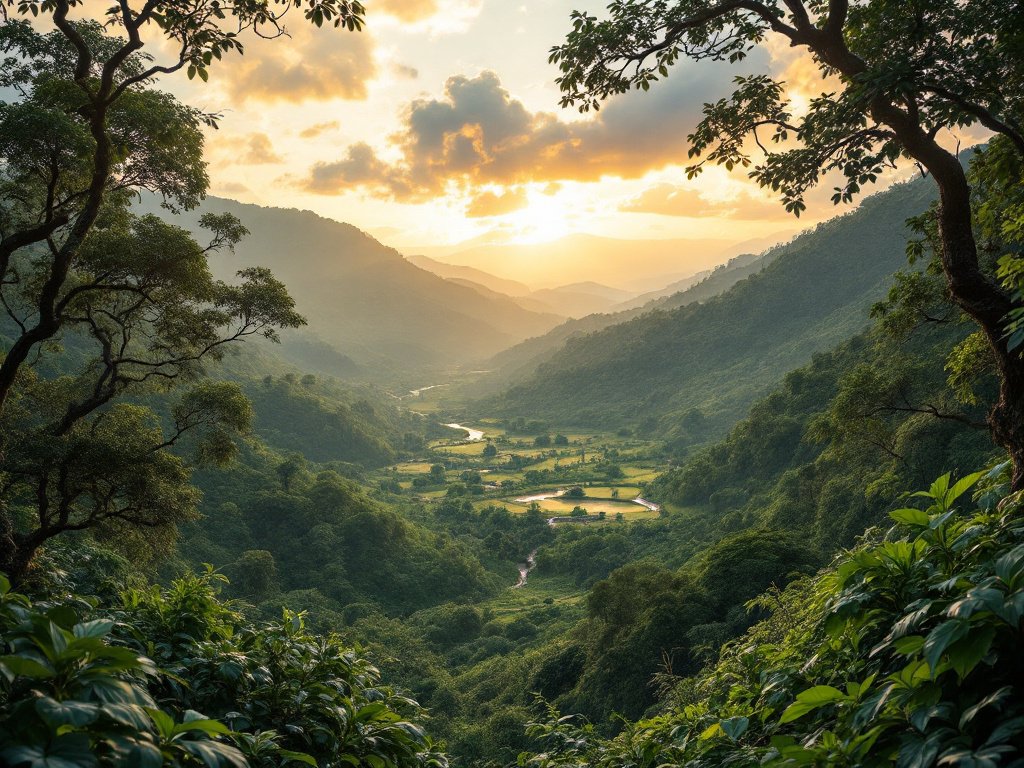
Tacugama Chimpanzee Sanctuary
An important reserve that rescues and rehabilitates chimpanzees on the outskirts of Freetown, surrounded by lush rainforest.
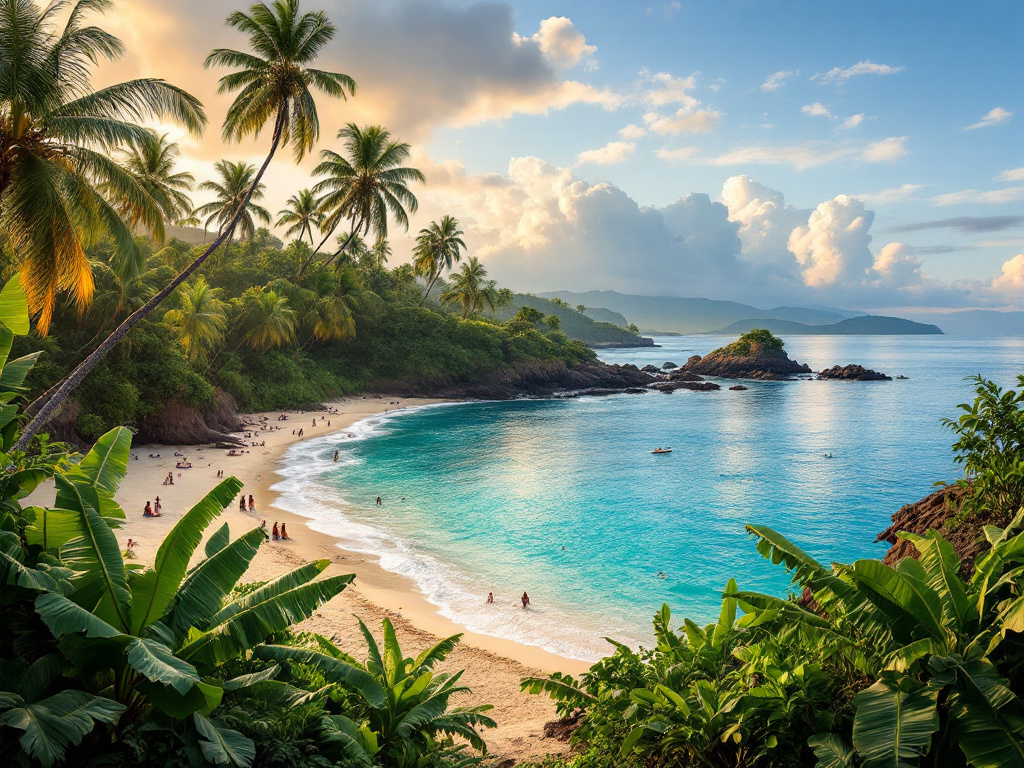
Bananas Island
A tropical archipelago known for its beaches, relaxation, and traces of Sierra Leone's colonial history.
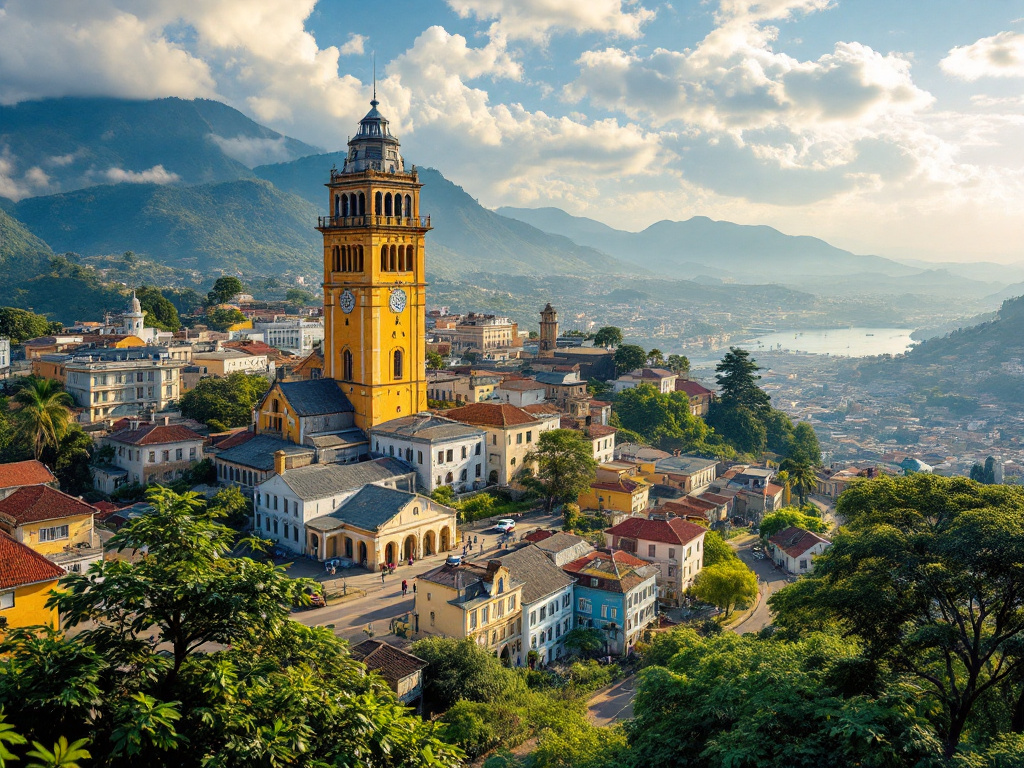
Cotton Tree in Freetown
A historical tree and symbol of the founding of Freetown, located in the heart of the city.
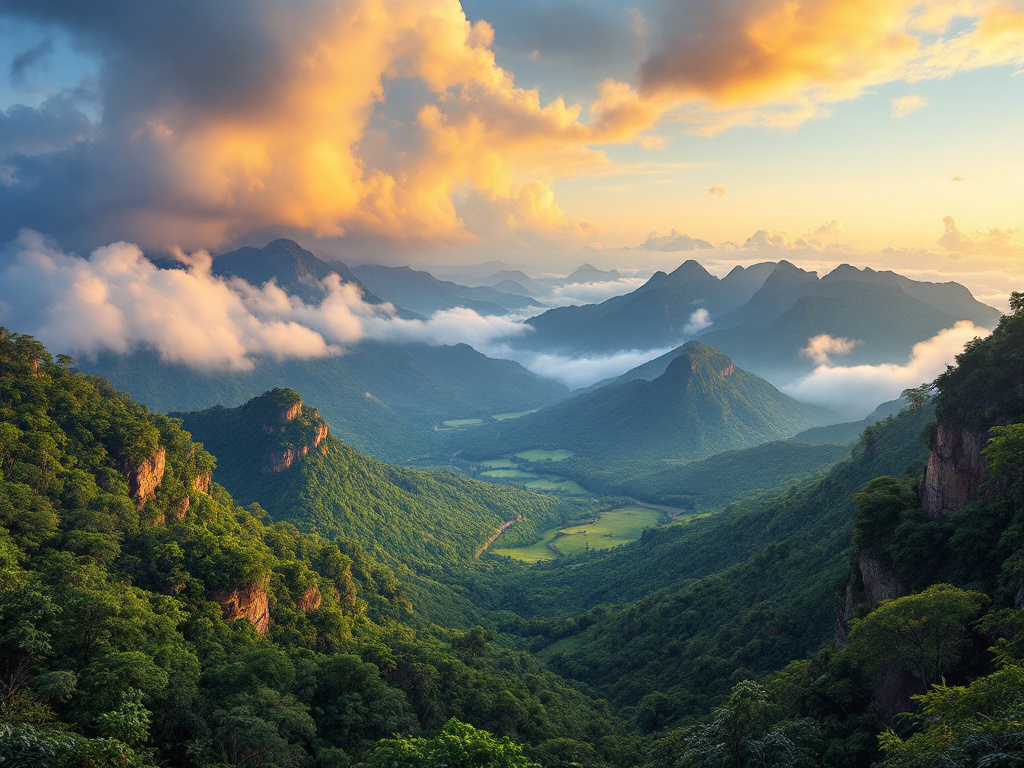
Loma Mountains
A remote mountain area with spectacular views and Sierra Leone's highest peaks.
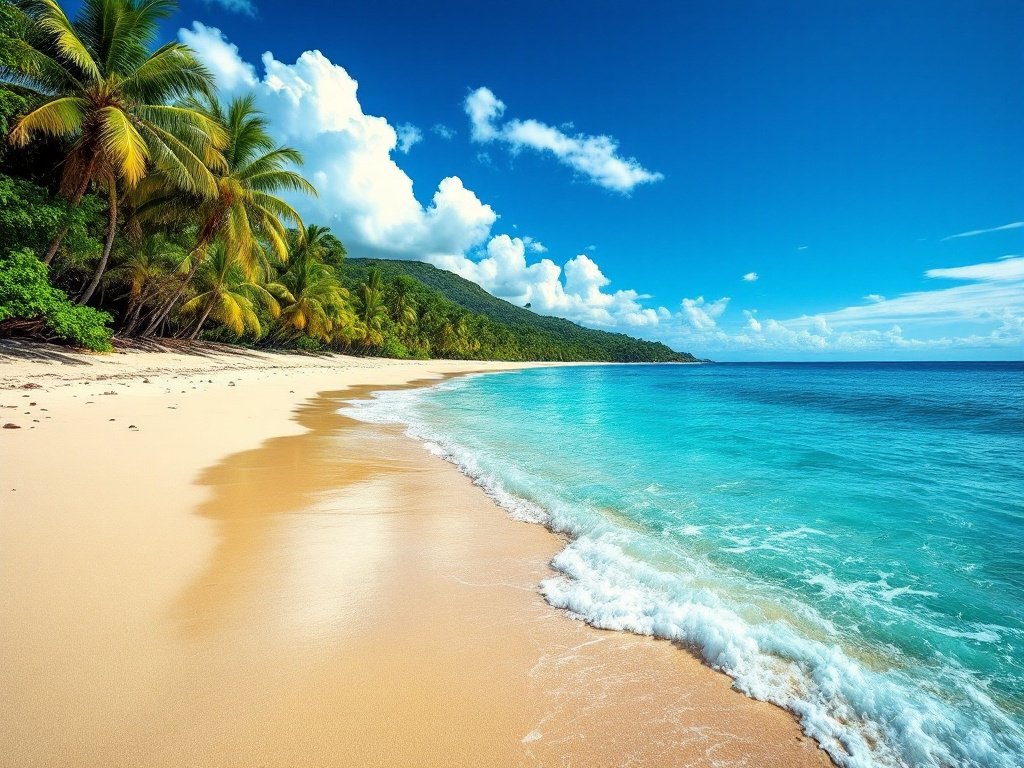
River No. 2 Beach
One of West Africa's most beautiful beaches with unspoiled nature and clear water.
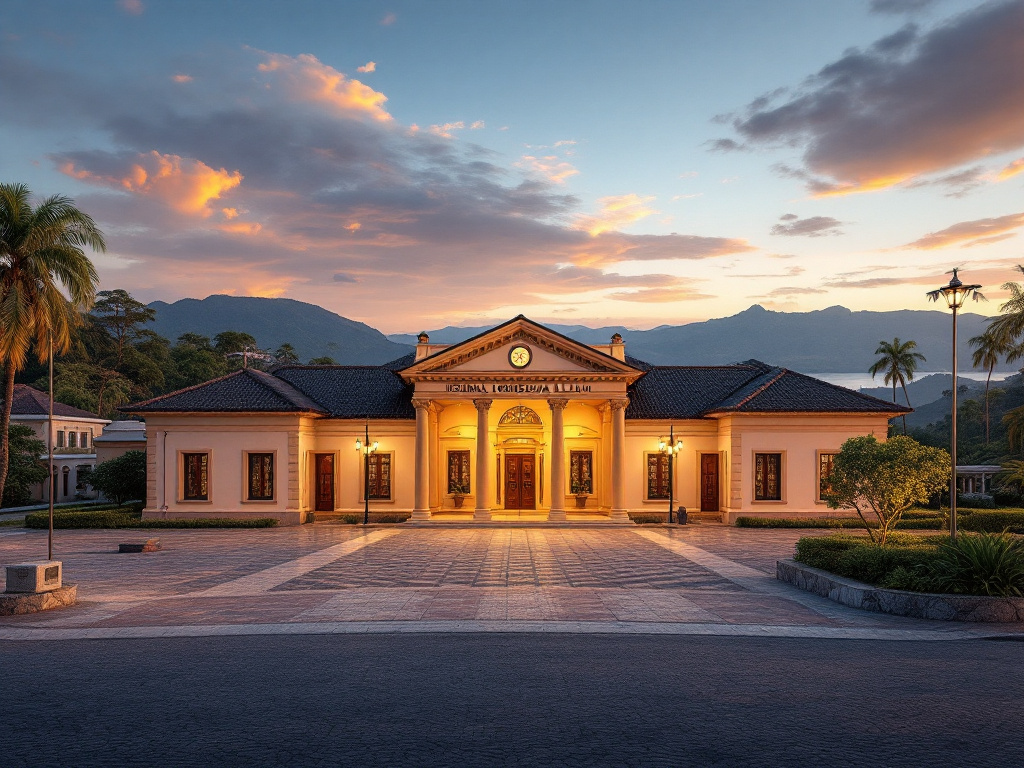
Sierra Leone National Museum
A museum that provides insight into Sierra Leone's history, culture, and traditions.
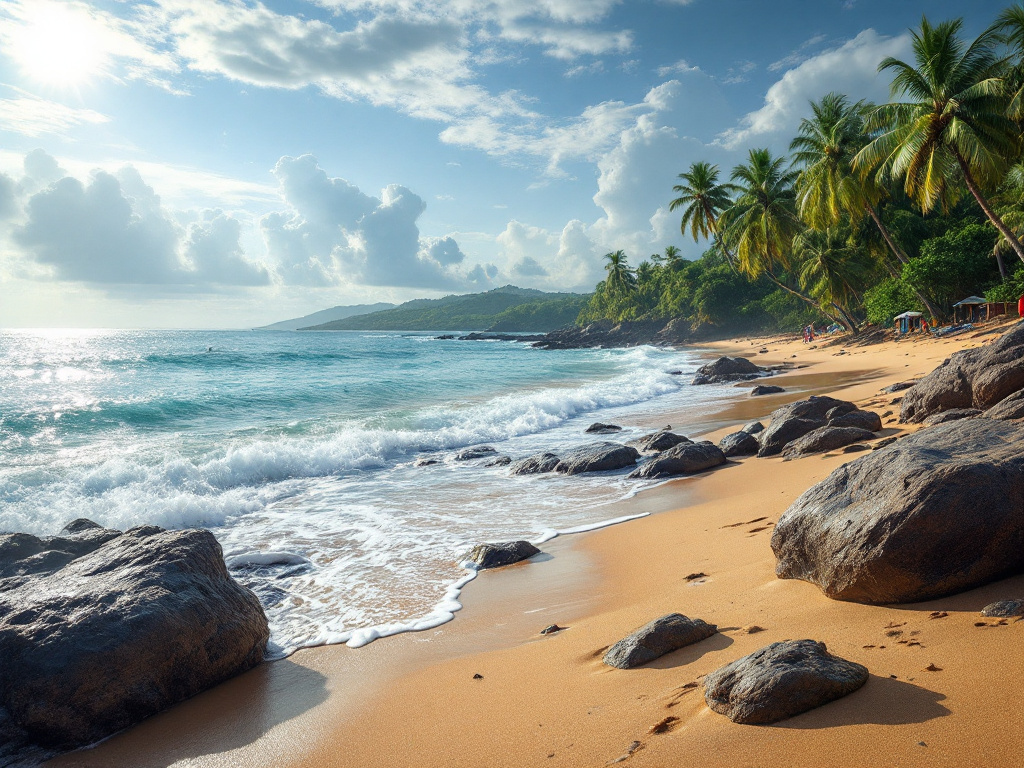
Tokeh Beach
A popular beach south of Freetown, known for its tranquility and natural beauty.
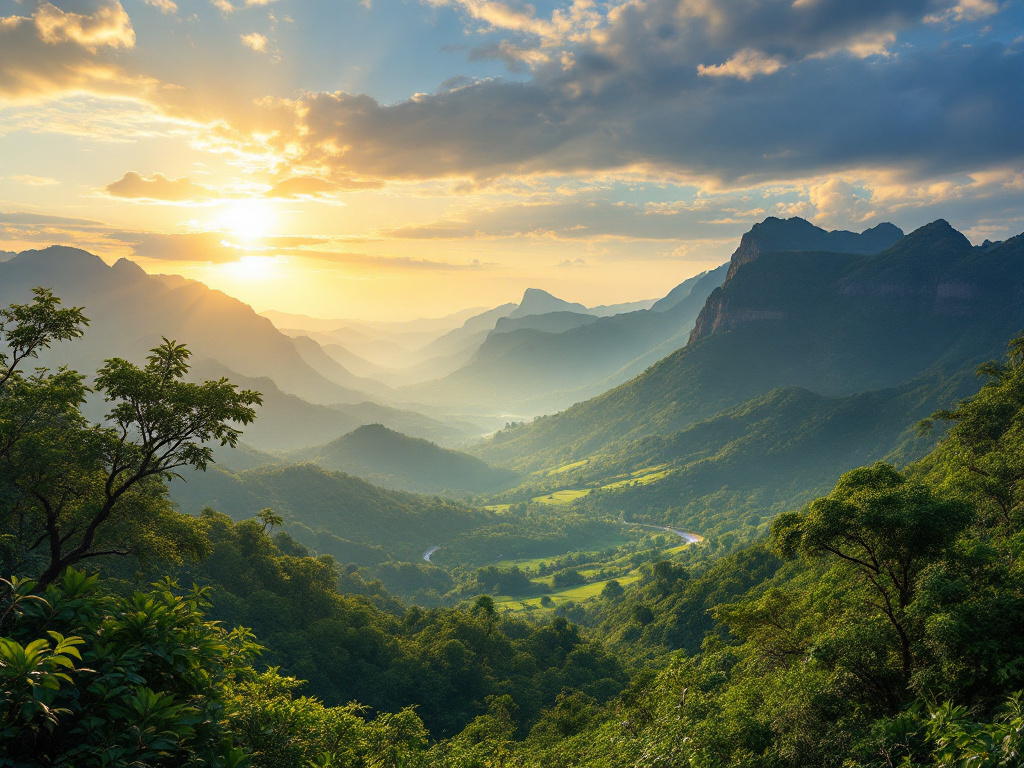
Outamba-Kilimi National Park
One of the country's most important national parks with rich wildlife and vast natural areas.
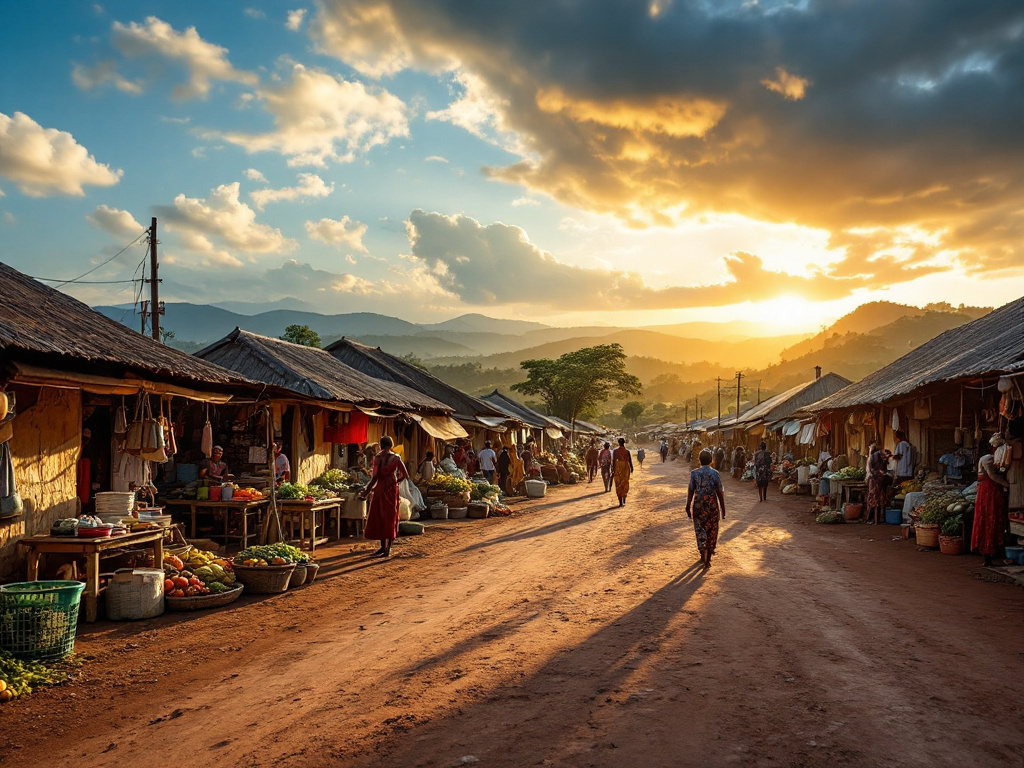
Kabala Market
A lively local market that provides insight into everyday life in Northern Sierra Leone.
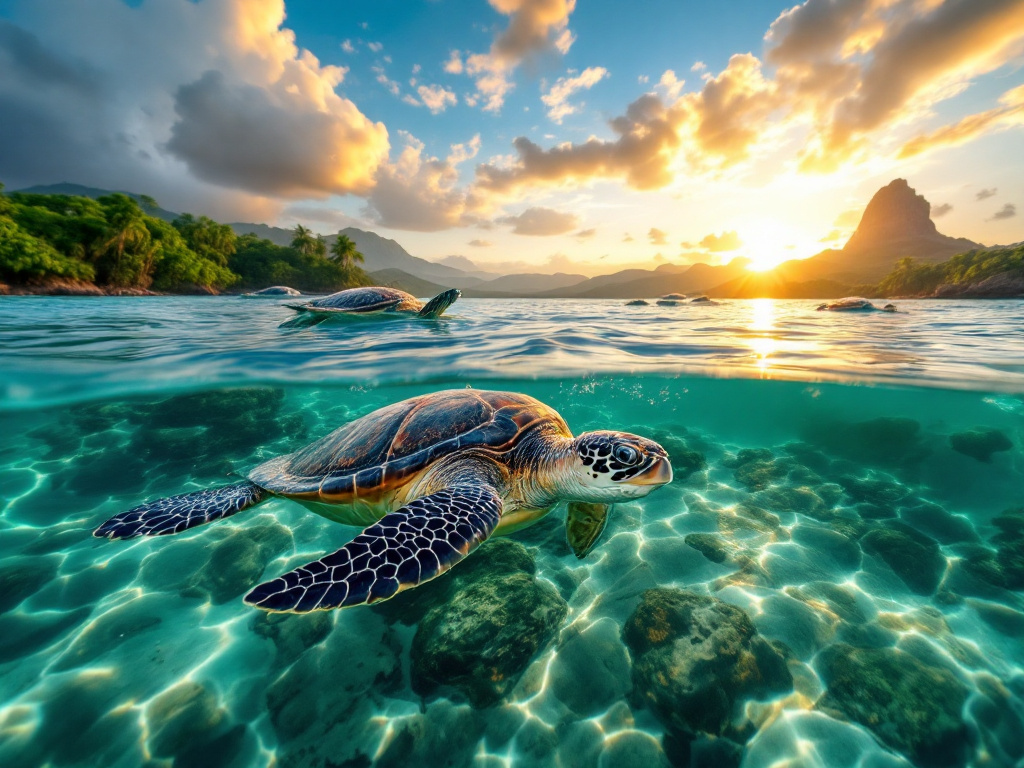
Turtle Islands
A remote archipelago known for unspoiled nature and traditional island communities.
Famous cuisine
Culinary overview
Sierra Leone's cuisine is a colorful mix of West African traditions and local ingredients. The food is often spicy and rich in flavor, with staple ingredients such as rice, cassava, peanuts, and various greens. Fish and seafood are prominent along the coast, while meat dishes and stews dominate inland. Street vendors serve everything from freshly grilled fish to sweet banana cakes, and meals are often shared communally, reflecting the strong social culture.
Must-try dishes
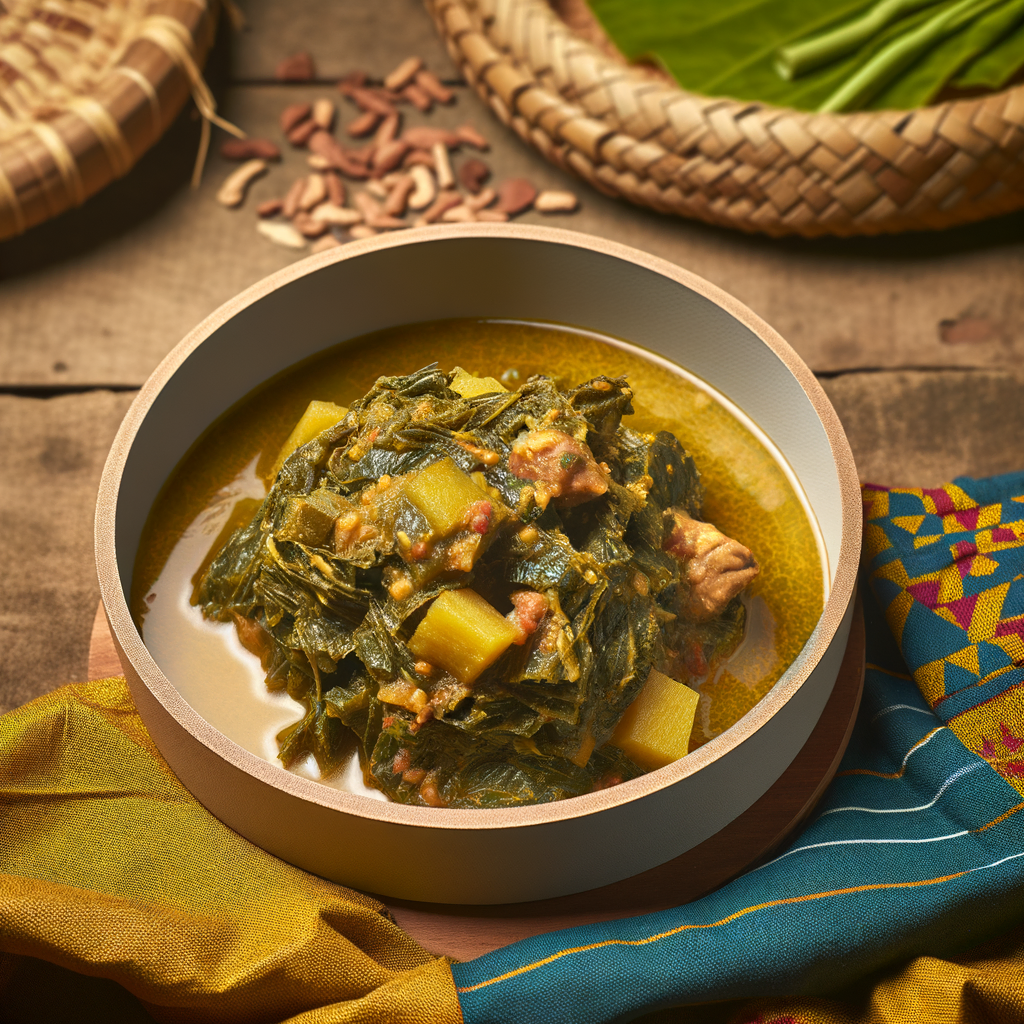
Cassava-leaf stew
A hearty stew made from finely chopped cassava leaves, often cooked with meat or fish, peanut butter, and spices. Typically served with rice.
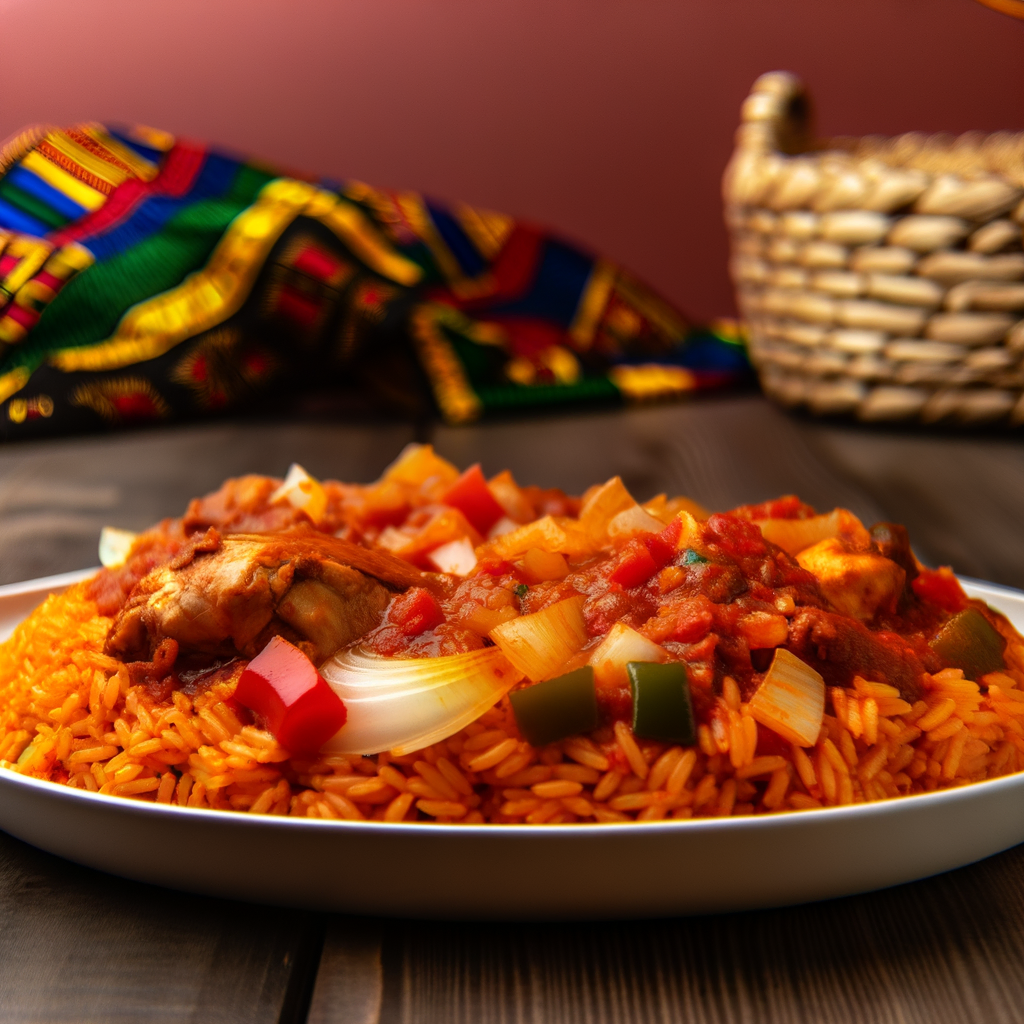
Jollof rice
A popular West African dish made with rice cooked in tomato sauce, onions, bell peppers, and spices. Often served with chicken, fish, or beef.
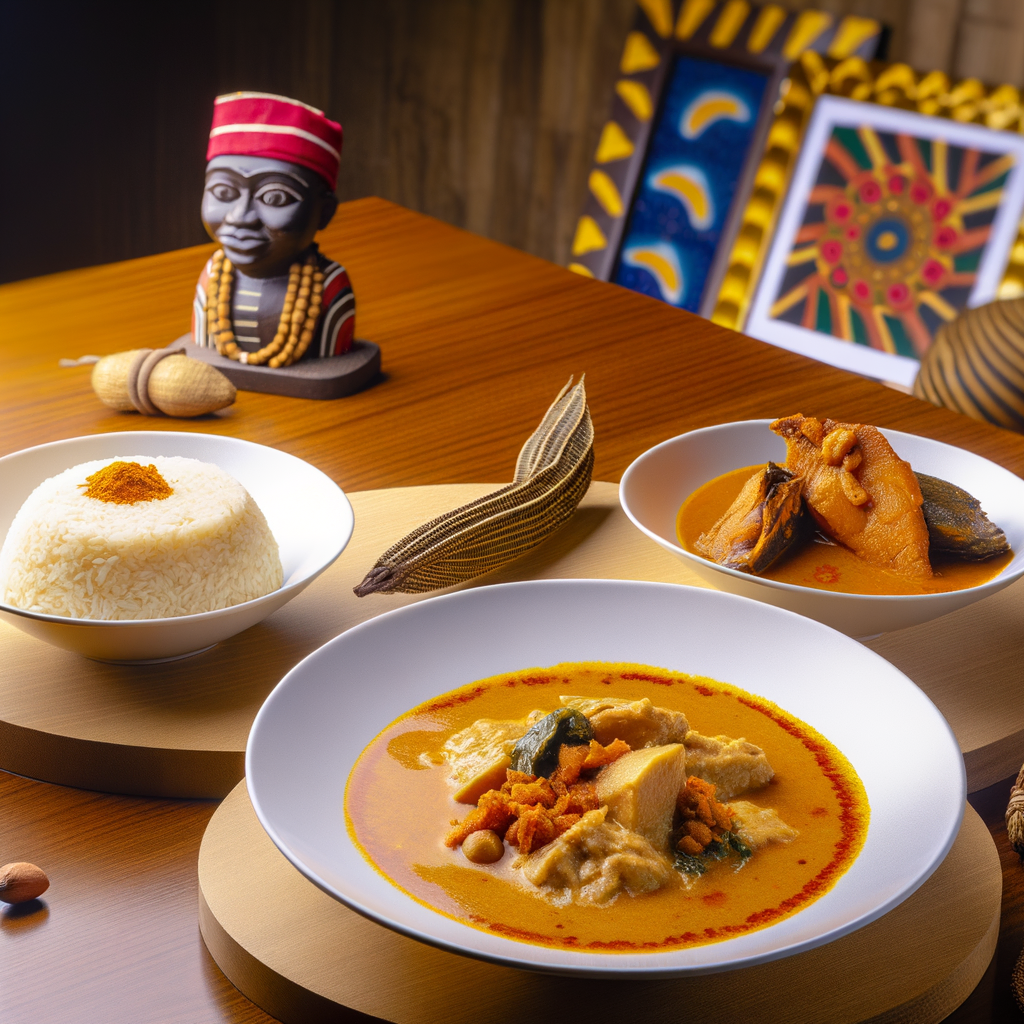
Groundnut soup
A creamy soup based on peanut butter, spices, and often meat or fish. Served with rice or fufu.
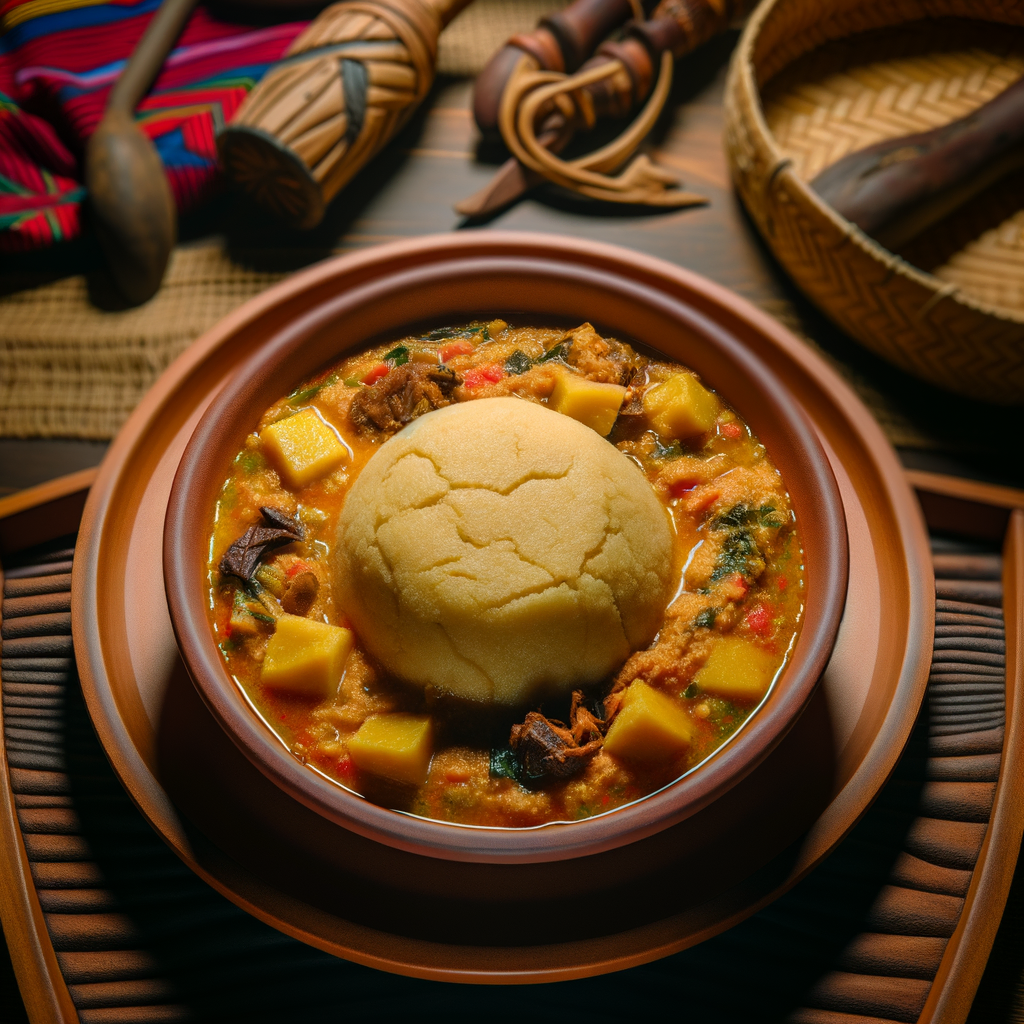
Fufu
A stiff dough-like side dish made from cassava, yams, or plantains, eaten with hands and dipped in soups and stews.
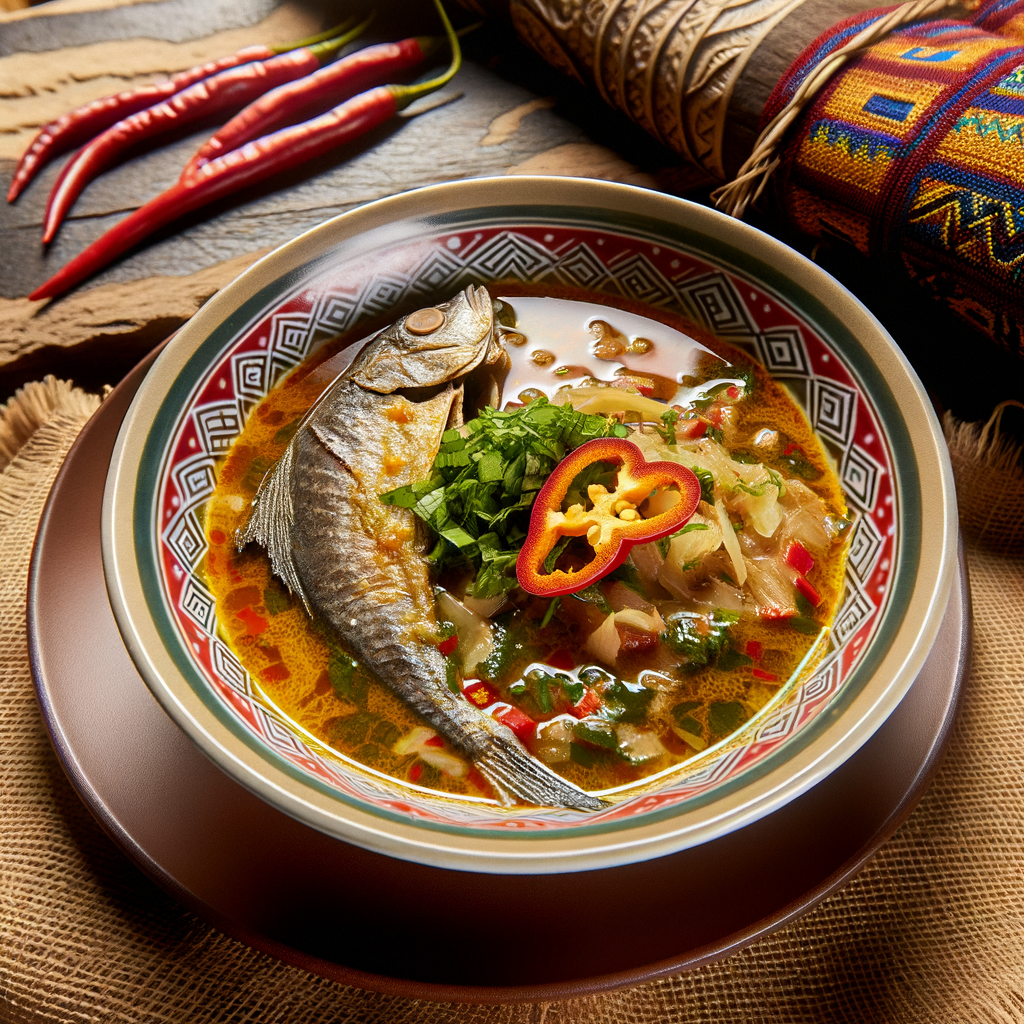
Pepper soup
A spicy and aromatic soup made with fish or meat, seasoned with chili, ginger, and local herbs. Known for its heat and healing properties.
Restaurant information
Tipping
Tipping is not obligatory in Sierra Leone, but it is appreciated. In restaurants, it is common to round up or give about 5-10% of the bill if the service has been good.
Travel information
Currency
Leone (SLL)
Language
English
Best time to visit
November to April (dry season)
Major cities
Freetown and other major cities
More countries in Africa
Discover more destinations in this region