
Senegal
Senegal, the vibrant heart of West Africa, enchants with its lively markets, golden beaches, and the rhythmic pulse of Dakar's nightlife, all steeped in rich culture and history.
Overview
Senegal, the vibrant heart of West Africa, offers a unique blend of culture, history, and nature. From the colorful markets and golden beaches of Dakar to the UNESCO-protected Gorée Island, a poignant reminder of the transatlantic slave trade, the country is filled with contrasts and remarkable experiences. Discover rare wildlife in Niokolo-Koba National Park, observe millions of migratory birds in Djoudj Bird Sanctuary, and traverse the enchanting mangroves of the Saloum Delta. With a welcoming population, delectable cuisine, and a warm climate from November to May, Senegal is the ultimate destination for adventurous souls seeking authentic and memorable journeys.
Official language
French
Government
Presidential democracy
Best time to visit
November to May
Nature
Senegal's landscapes are as diverse as they are breathtaking, offering a stunning array of experiences for nature lovers. Along the Atlantic coast, you'll find wide, golden beaches perfect for relaxation or water sports. Venture inland to Niokolo-Koba National Park, a UNESCO World Heritage site where you may spot rare species like the West African lion, hippos, and antelopes. Djoudj National Bird Sanctuary, one of the world's key wetlands, attracts millions of migratory birds each year, including pelicans and flamingos. The Saloum Delta impresses with its labyrinth of mangroves, small islands, and rich marine life, while Lac Rose, the famous pink lake, creates a surreal spectacle. In the east, the mountainous landscapes of Bassari Country boast terraced fields and lush valleys. This variety of ecosystems makes Senegal a paradise for adventurers, photographers, and anyone eager to experience the wild beauty of Africa in many forms.
Travel to Senegal
Traveling to Senegal is an immersive journey into the heart of West Africa, where warm temperatures, vibrant experiences, and hospitality await. The best time to visit is from November to May, when the climate is dry and pleasant. Flights to Dakar provide convenient access to both coastal regions and the inland landscapes. Travelers can combine beach relaxation at spots like Yoff and Ngor with cultural excursions to Gorée Island and Saint-Louis. Nature enthusiasts should plan trips to Niokolo-Koba National Park and Djoudj Bird Sanctuary, while adventurers can explore the mangroves of the Saloum Delta or the mountains of Bassari Country. The local cuisine is a highlight in itself, and tasting traditional dishes at small, family-owned restaurants is highly recommended. With a stable political climate and a well-developed tourism network, Senegal is both accessible and safe for travelers seeking authentic, unforgettable experiences.
Culture
Senegal's culture is a vibrant tapestry of traditions, music, dance, and craftsmanship. The country's renowned hospitality, often referred to as 'teranga,' pervades daily life and interactions. Music plays a central role, with rhythms of mbalax, inspired by traditional drums and modern elements, bringing artists like Youssou N'Dour to the world stage. Markets in Dakar and Saint-Louis burst with colorful textiles, intricate wood carvings, and stunning jewelry, while the culinary scene tempts with dishes like thieboudienne, yassa, and mafé, reflecting both local ingredients and historical trade connections. The ceremonies and architecture of the Bassari people provide unique insights into the nation’s ethnic diversity, while the influence of Islam is evident in the mosques and religious festivals that dot the landscape. Senegal is where the past and present harmoniously coexist in a cultural symphony that resonates with visitors.
History
Senegal's history is deeply intertwined with both African kingdoms and European colonization. Before the colonial era, the region was home to powerful states such as Tekrur and Jolof. In the 15th century, Portuguese, French, and British traders arrived, and Gorée Island became a significant hub in the transatlantic slave trade. France established colonial rule in the 19th century, with Saint-Louis becoming an important administrative city. Senegal gained independence in 1960, with Léopold Sédar Senghor as its first president—a poet and intellectual who emphasized African identity. The nation’s history is marked by both painful chapters and proud milestones, which continue to influence its culture and architecture today.
Top attractions
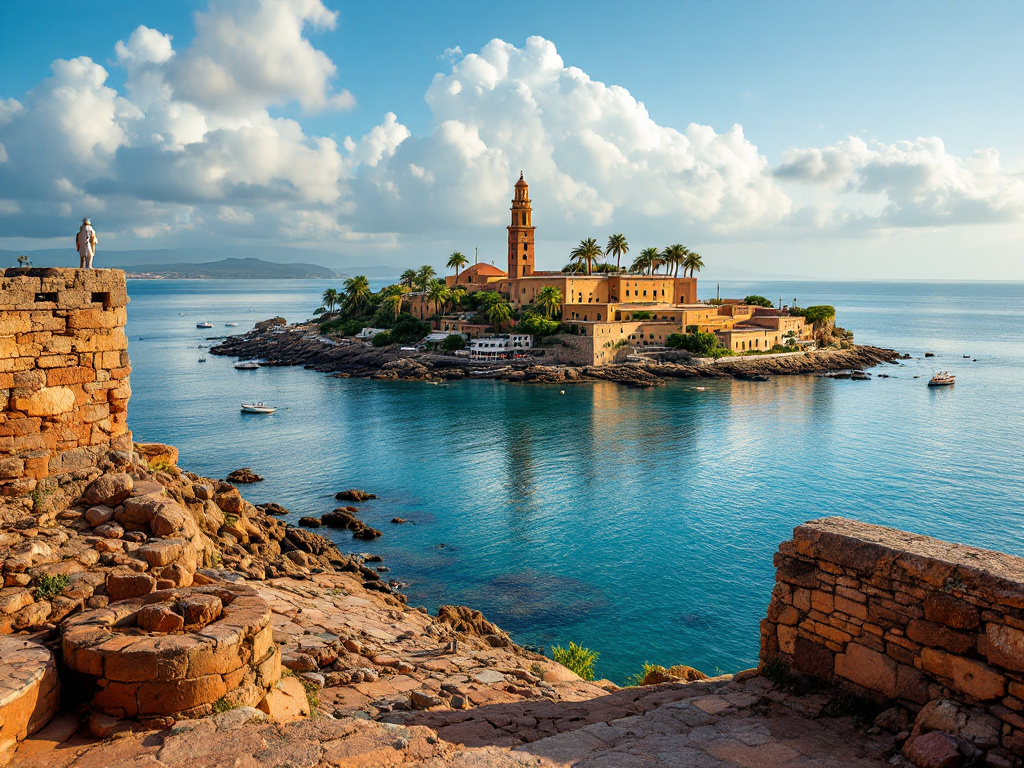
Île de Gorée
A historical island off Dakar known for its role in the transatlantic slave trade and its well-preserved colonial architecture.
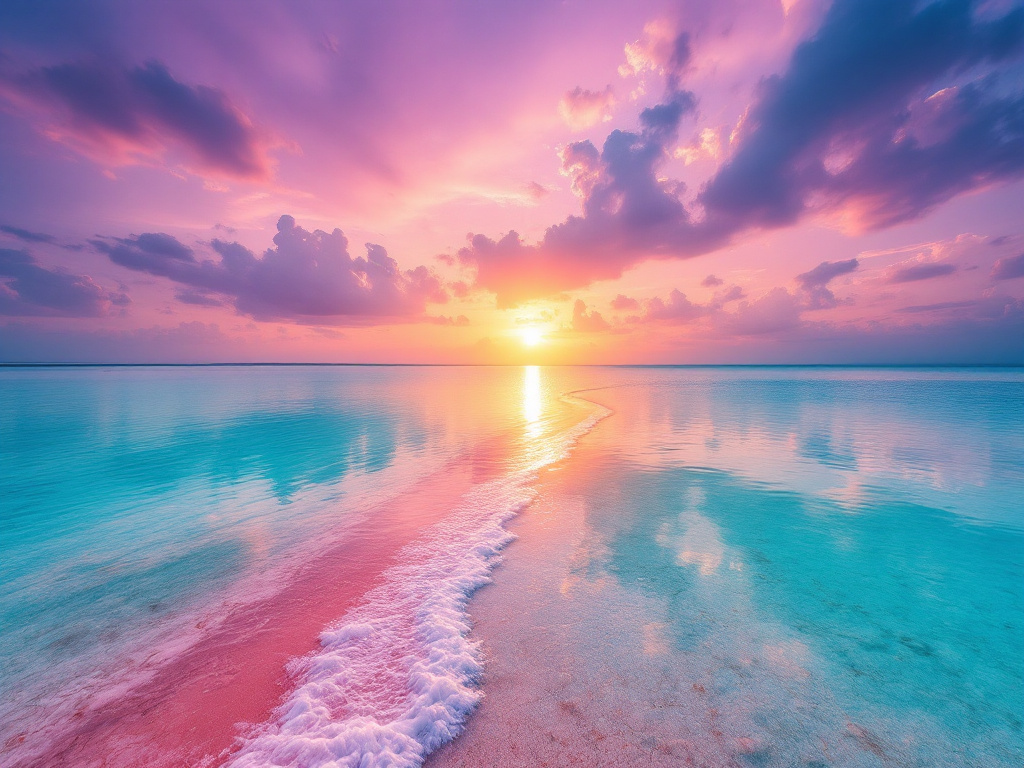
Lac Rose
Famous pink lake north of Dakar known for its high salt content and photogenic landscape.
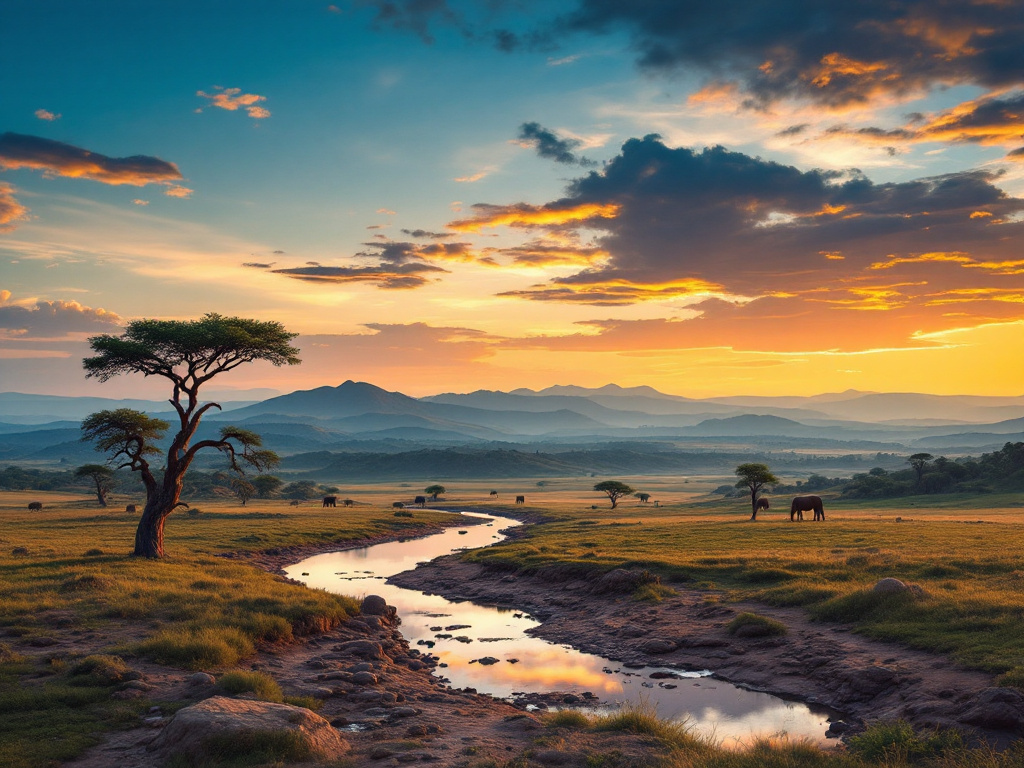
Niokolo-Koba National Park
Senegal's largest national park with rich wildlife and savannah landscapes in the southeastern part of the country.
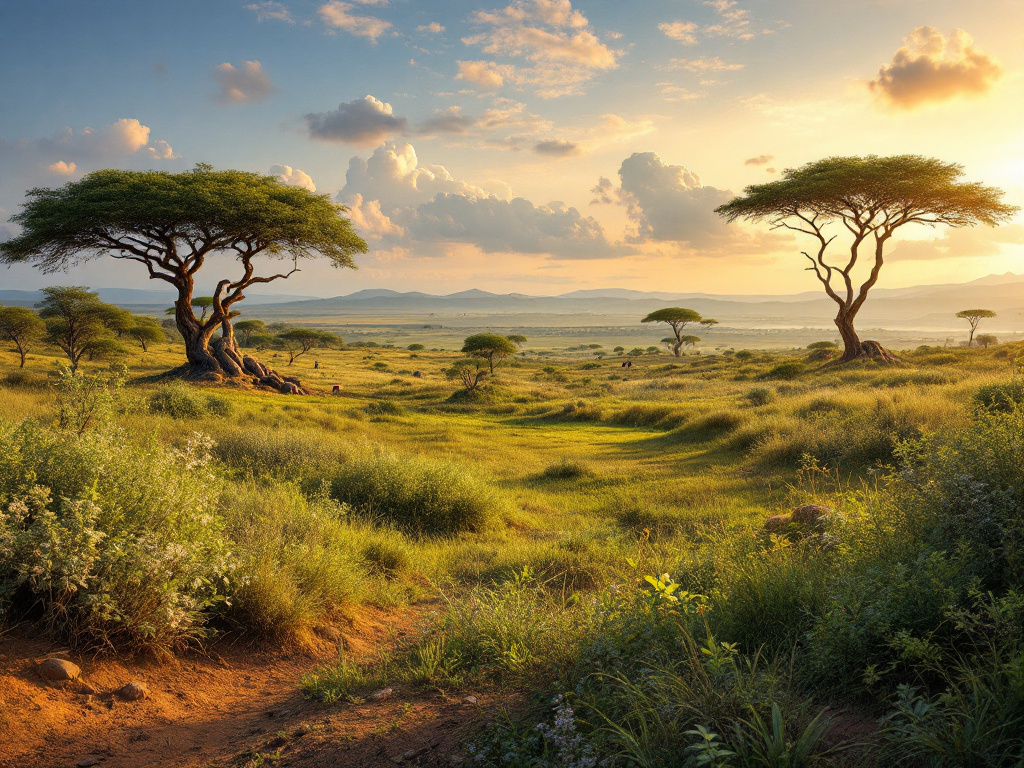
Bandia Nature Reserve
A popular nature reserve near Dakar with easily accessible safari tours and African wildlife.
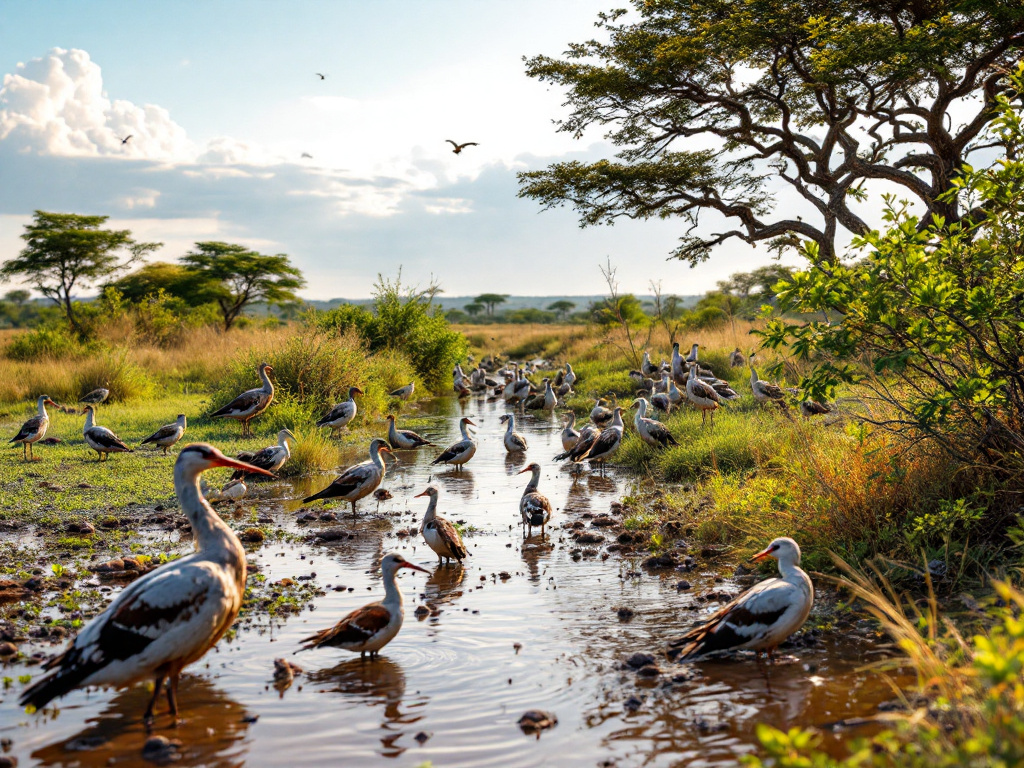
Djoudj National Bird Sanctuary
One of the world's most important bird areas with enormous colonies of migratory birds in the delta of the Senegal River.
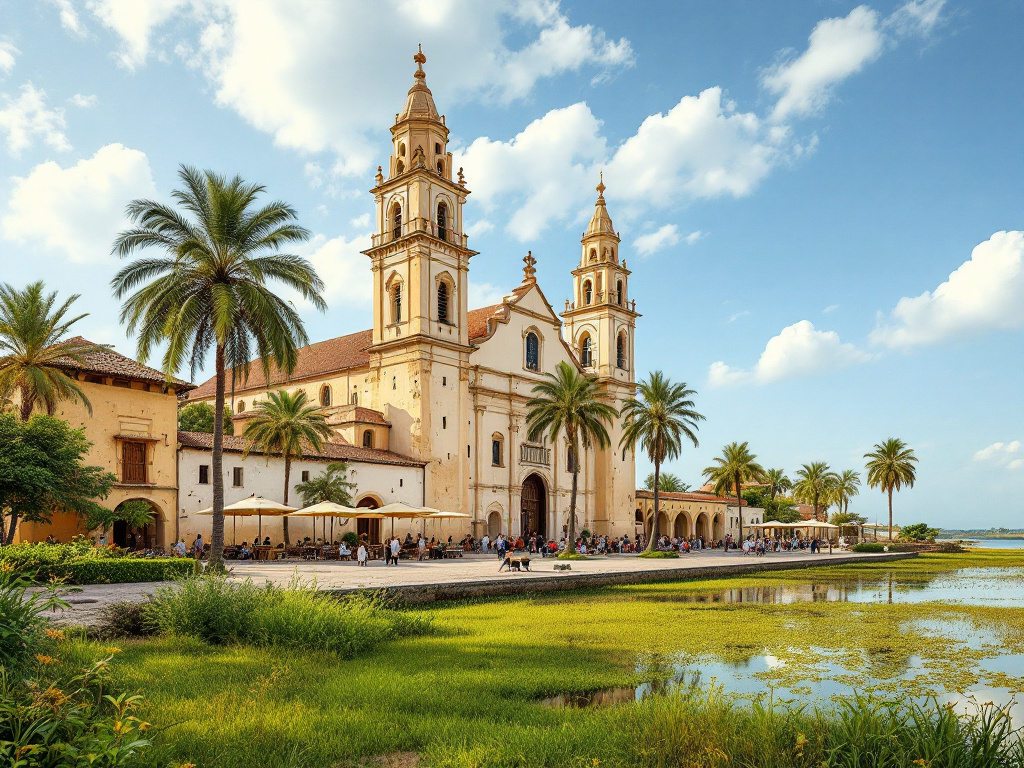
Saint-Louis Old Town
A historic district with well-preserved French colonial architecture on an island in the Senegal River.
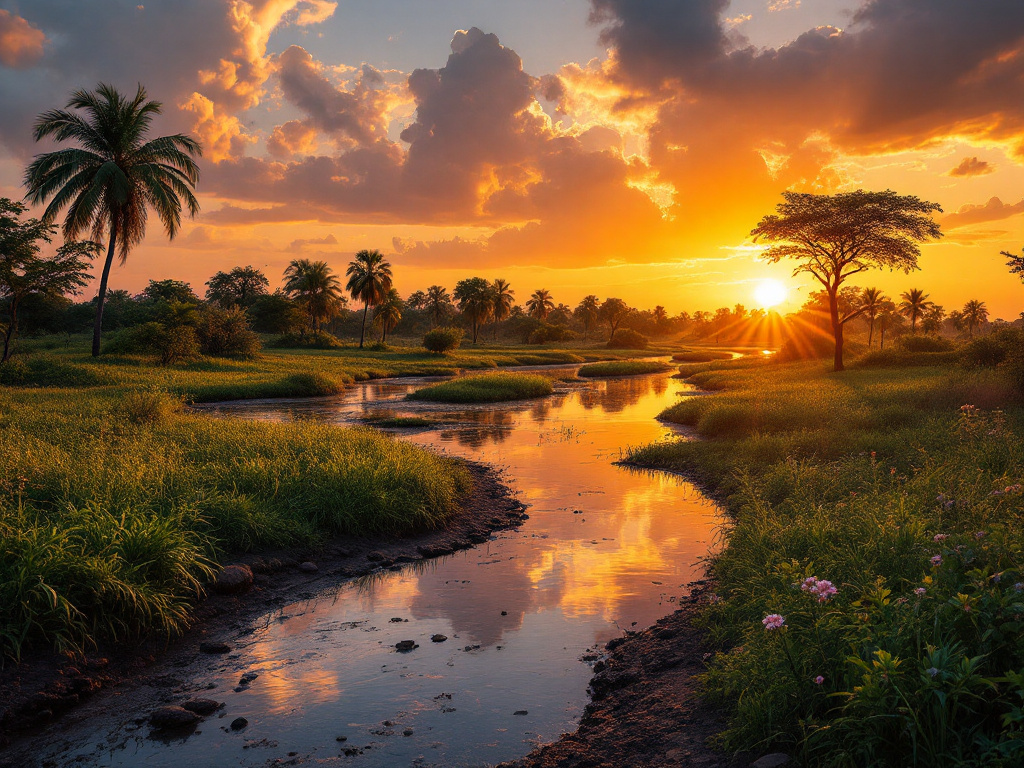
Casamance Region
A lush and culturally rich region in southern Senegal known for rivers, village life, and a relaxed atmosphere.
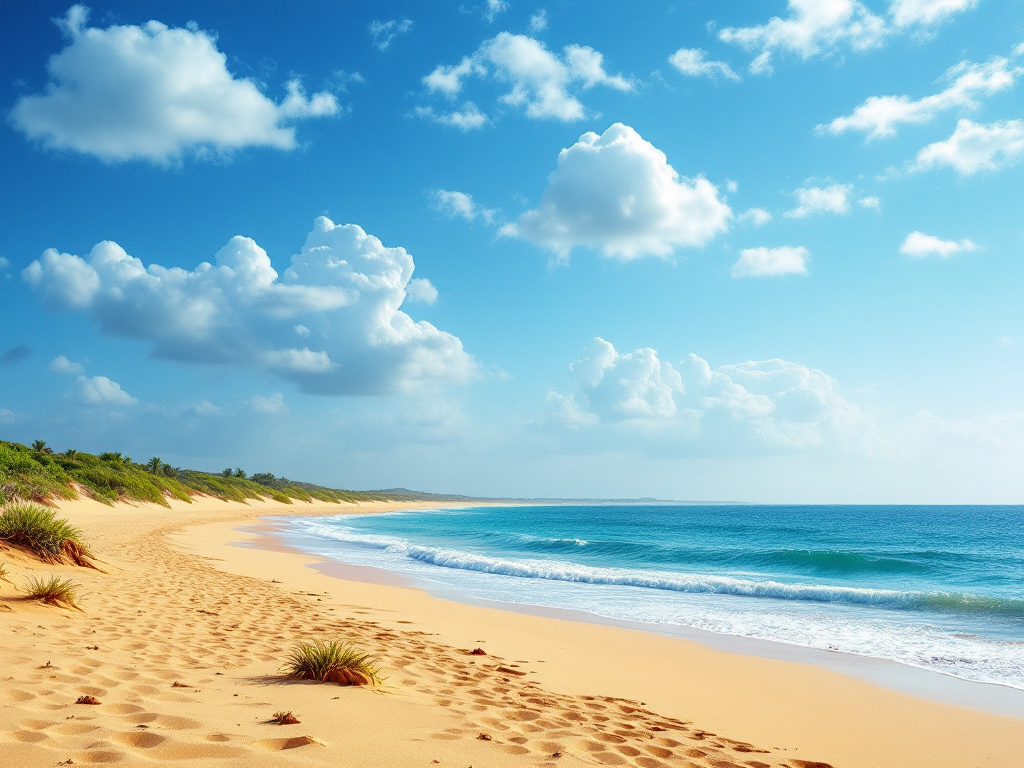
Cap Skirring Beach
Popular beach destination in southern Senegal known for relaxation and beautiful sunsets.
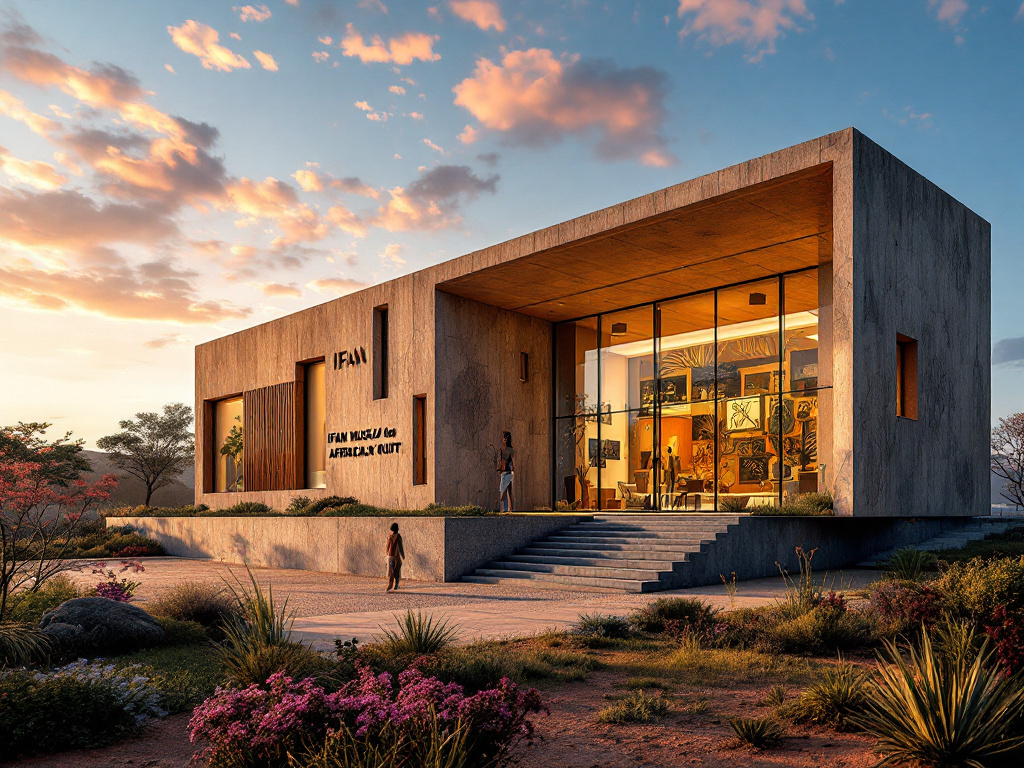
IFAN Museum of African Arts
An important museum in Dakar with one of West Africa's most significant collections of traditional art.
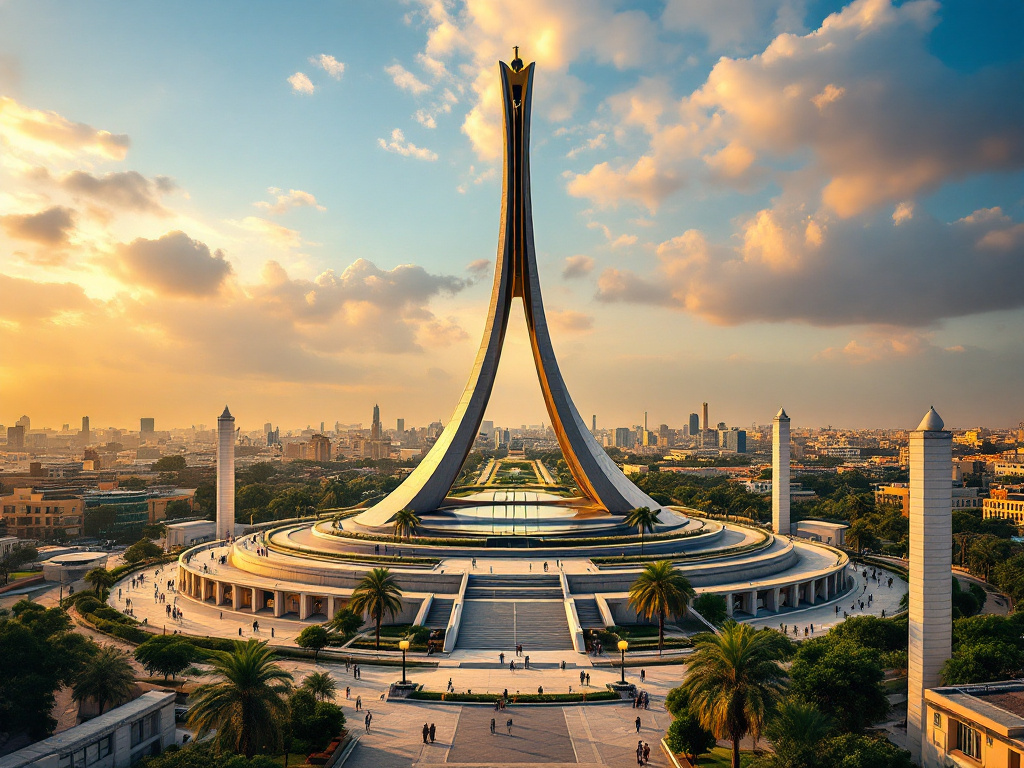
African Renaissance Monument
A monumental landmark in Dakar symbolizing Africa's future and offering views of the city.
Famous cuisine
Culinary overview
Senegal's cuisine is a colorful mix of West African traditions, French colonial influences, and Arabic spices. The food is often based on fresh ingredients like fish, rice, peanuts, and vegetables. Meals are social events where family and friends gather around large platters, and it is common to eat with the hand (right hand) in traditional contexts. Street vendors offer quick, tasty snacks, while restaurants serve everything from classic dishes to modern interpretations of Senegalese cuisine.
Must-try dishes
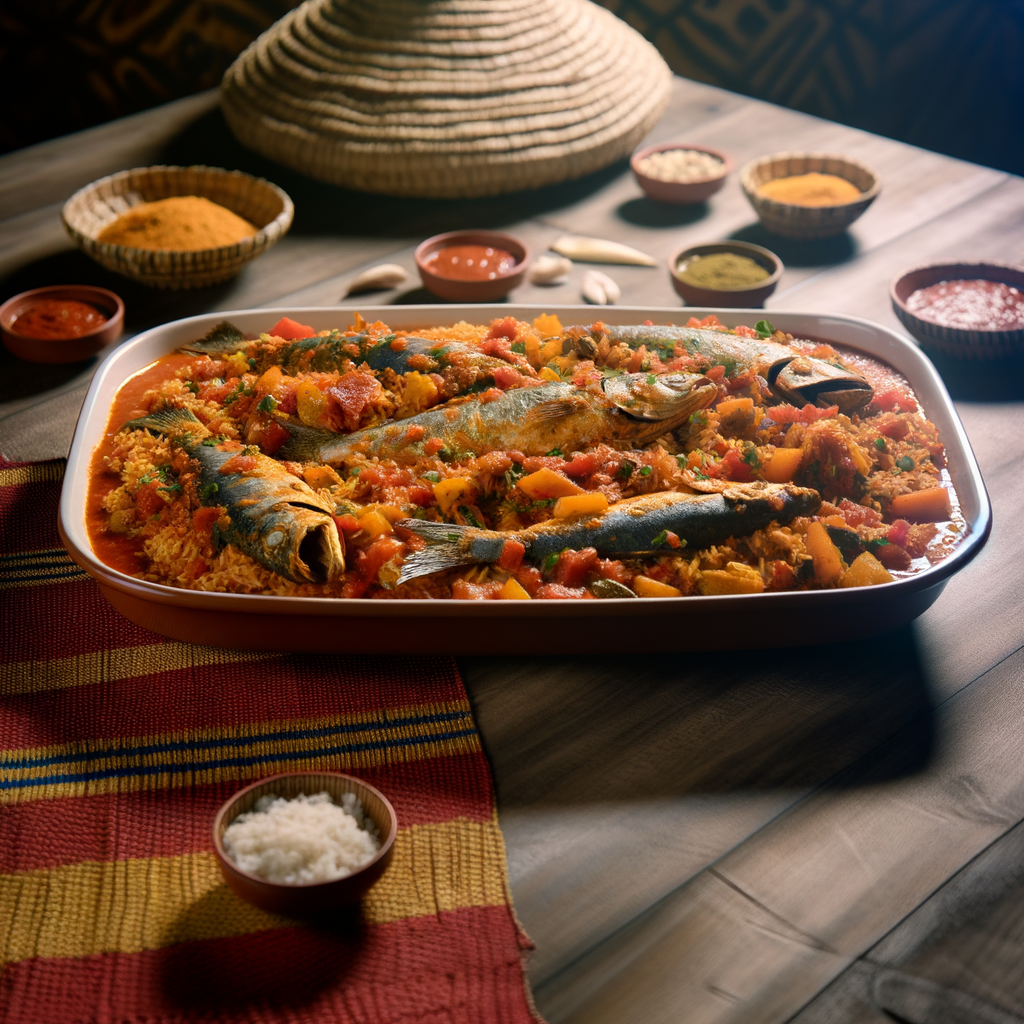
Thieboudienne
Senegal's national dish consisting of rice, fish, and vegetables, cooked in a tomato-based sauce with spices. Often served in a large communal platter.
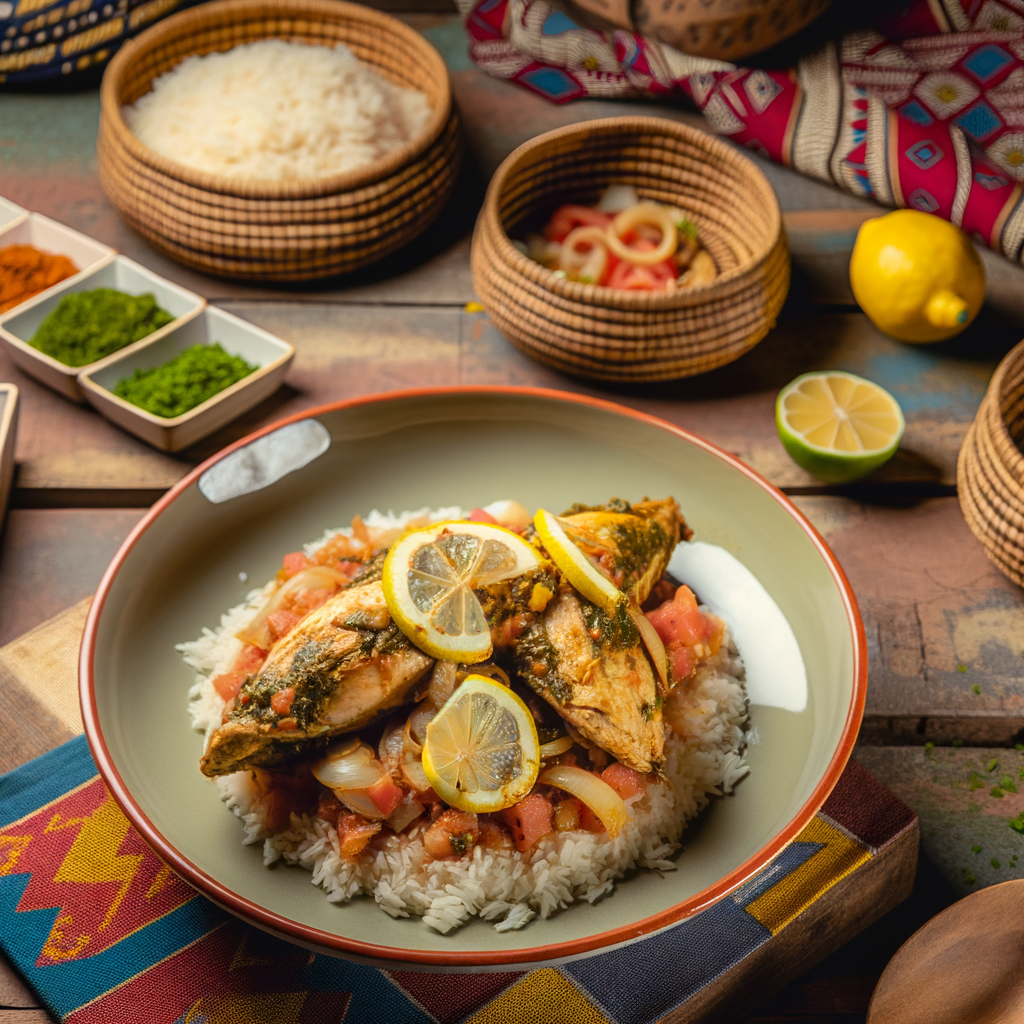
Yassa
A popular dish with chicken or fish marinated in lemon and onion, then slowly cooked and served with rice. Known for its fresh and tangy flavor.
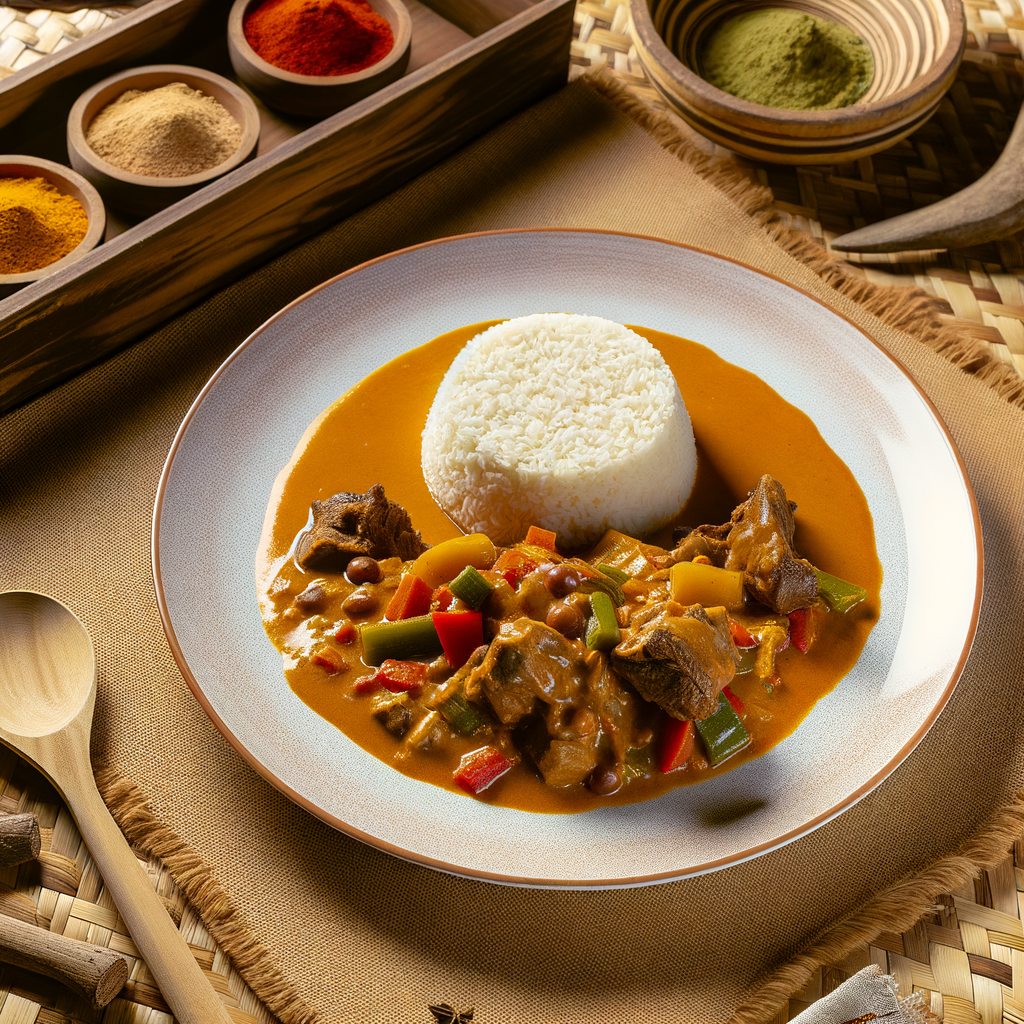
Mafé
A rich peanut sauce with meat (often beef or chicken) and vegetables, served with rice. A classic in West Africa.
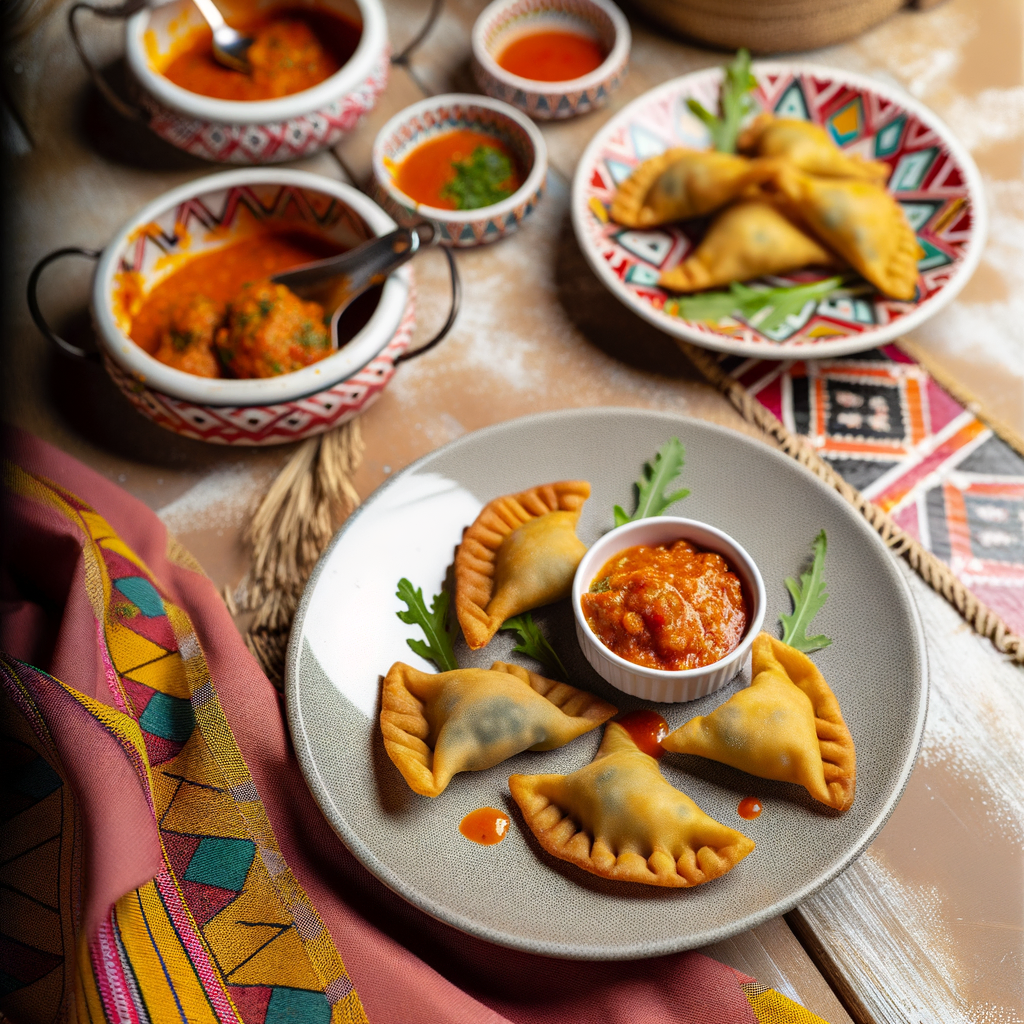
Pastels
Small fried dough pockets filled with spiced fish or meat, often served with a spicy tomato sauce. Popular as a snack or appetizer.
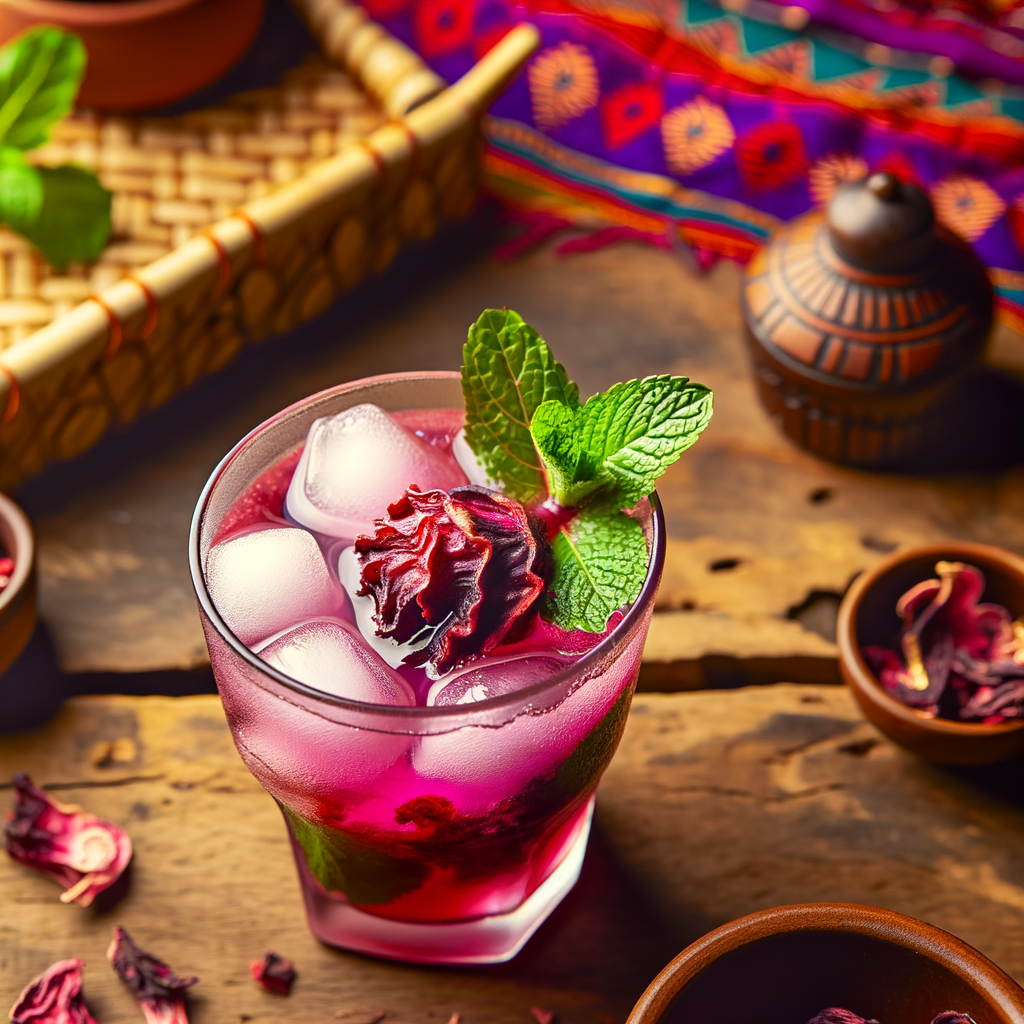
Bissap
A refreshing drink made from hibiscus flowers, sugar, and mint. Served cold and is one of Senegal's most beloved drinks.
Restaurant information
Tipping
Tipping is not mandatory in Senegal, but appreciated. In restaurants, it is common to round up or give about 5-10% of the bill if the service has been good.
Travel information
Currency
Vestafrikansk CFA-franc (XOF)
Language
French
Best time to visit
November to May
Major cities
Dakar and other major cities
More countries in Africa
Discover more destinations in this region