
Somalia
Somalia, a country with rich culture and breathtaking coastlines, is rising after decades of conflict, showing signs of hope, urban growth in Mogadishu, and peaceful stability in Somaliland to the north.
Overview
Somalia, situated on the Horn of Africa, is a land filled with contrasts – from the golden beaches of the Indian Ocean to the historic Laas Geel caves adorned with prehistoric rock art. After decades of challenges, the country is undergoing remarkable reconstruction, particularly in Mogadishu, where new investments bring life and energy. In the north, Somaliland offers peaceful cities like Hargeisa and Berbera, rich in history and culture. For the adventurous traveler, Somalia is a hidden gem where authentic experiences and unexplored landscapes await.
Official language
Somalisk
Government
Federal Parliamentary republic
Best time to visit
November to February
Nature
Somalia's nature is raw and captivating, boasting an extensive coastline along the Indian Ocean filled with pristine white sandy beaches and crystal clear turquoise waters, ideal for relaxation or water sports. The interior features arid mountainous areas that rise dramatically above desert landscapes, interspersed with lush oases along the Jubba and Shabelle rivers that support vibrant wildlife. The Laas Geel caves in northern Somalia hold both natural wonder and cultural treasures, surrounded by unique rock formations in a dry yet fascinating terrain. In the northwest, Somaliland offers coastal towns like Berbera, where the mountains meet the sea in a breathtaking backdrop. The climate varies from hot and dry during the summer months to mild and pleasant from November to February, making this period perfect for exploring the country’s natural beauty. For nature lovers, Somalia is a place where ocean, desert, mountains, and rivers meet in a rare combination.
Travel to Somalia
Traveling to Somalia is an adventure for those seeking authentic, undiscovered Africa. The country offers a combination of historical sites, natural beauty, and a culture that is both welcoming and unique. Highlights include the ancient Laas Geel caves, the tranquil streets of Hargeisa, the historic port of Berbera, and the vibrant beaches of Mogadishu. The best time to visit is from November to February, when the climate is mild and pleasant. Travelers should be mindful of the security situation and plan their journey carefully, ideally with a local guide or tour operator. In return, explorers are rewarded with experiences rarely found in traditional tourist destinations – from tasting freshly caught fish along the coast to exploring markets brimming with colorful textiles and spices. Somalia is a place where one can experience a culture and nature that remain untouched by mass tourism.
Culture
Somalia's culture is deeply rooted in nomadic traditions, Islamic heritage, and a rich oral storytelling tradition. Music and poetry are vital aspects of cultural expression, with Somali poetry known for its rhythm and vivid metaphors. The cuisine is a journey of flavors, featuring airy canjeero often served for breakfast, spiced bariis with meat or fish, and crispy sambuusa filled with vegetables or meat. Suugo, a Somali version of pasta with tomato sauce, reflects historical trade connections with the Middle East and Italy. Markets in cities like Hargeisa and Mogadishu burst with life, colors, and aromas, showcasing spices, textiles, and crafts that represent a rich cultural legacy. Hospitality is a cornerstone of society, where visitors are often welcomed with tea and warm smiles. Religion plays a significant role in daily life, and Islamic holidays are celebrated with joy and community spirit. Somalia is a place where tradition meets modernity, and culture is experienced through all senses.
History
Somalia's history is shaped by trade, migration, and cultural exchange. Strategically located at the Horn of Africa, the country has been a focal point for trading routes between Africa, the Middle East, and Asia for centuries. Historical cities such as Berbera and Mogadishu flourished as bustling ports during the medieval period, known for their trade in spices, gold, and ivory. The Laas Geel caves provide evidence of human presence for thousands of years, featuring well-preserved cave paintings considered some of Africa's oldest. In more recent times, Somalia has experienced periods of colonial rule, independence in 1960, and subsequent political instability. Despite decades of conflict, today there are signs of rebuilding and hope, especially in Somaliland and parts of Mogadishu.
Top attractions
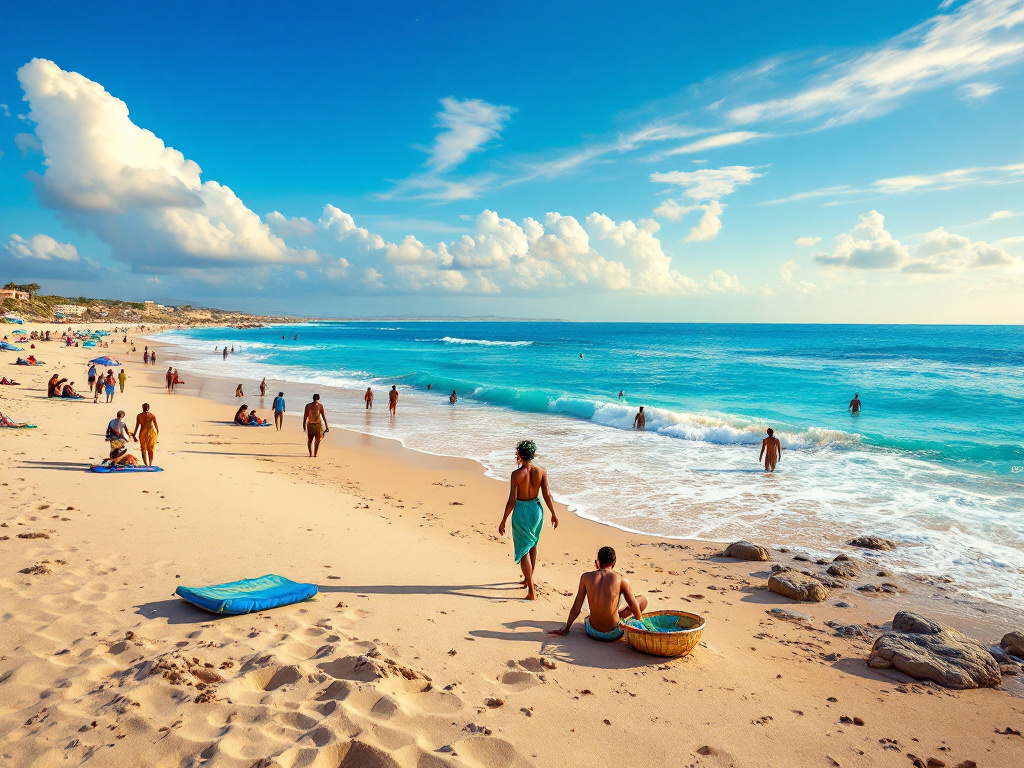
Lido Beach
One of Mogadishu's most famous beaches with soft sand and views over the Indian Ocean, popular among both locals and visitors.
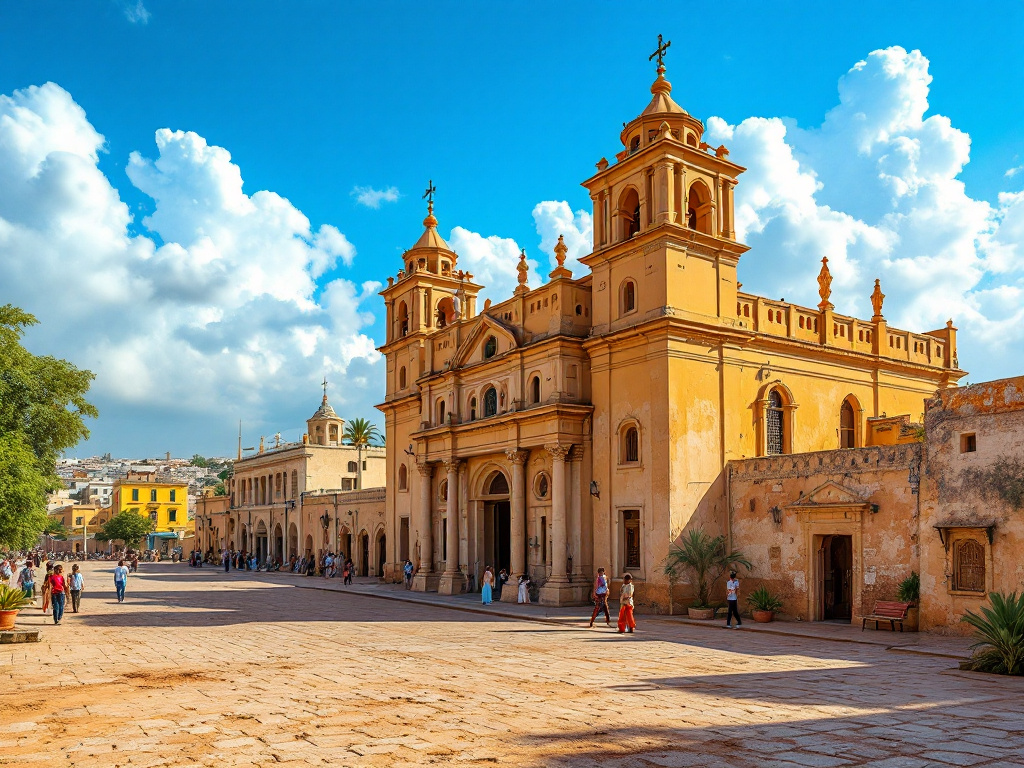
Mogadishu Historical Center
An area rich in history and culture, where Mogadishu's oldest buildings and religious sites can be experienced.
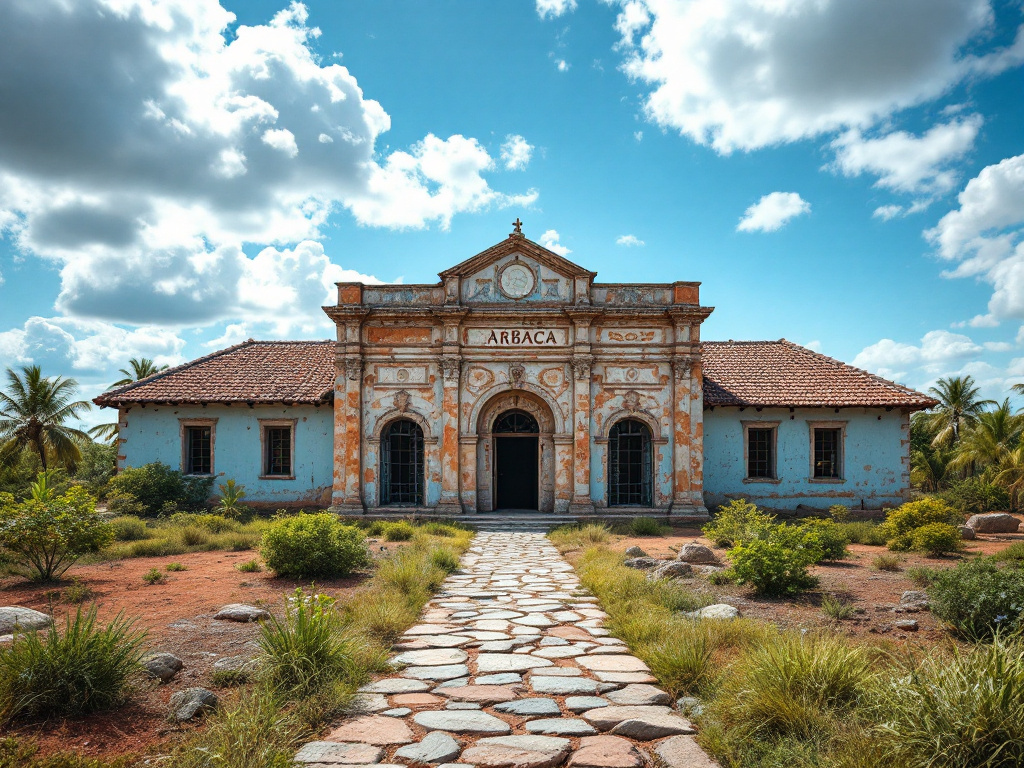
Arbaca Museum
A museum dedicated to Somalia's rich cultural heritage and historical development.
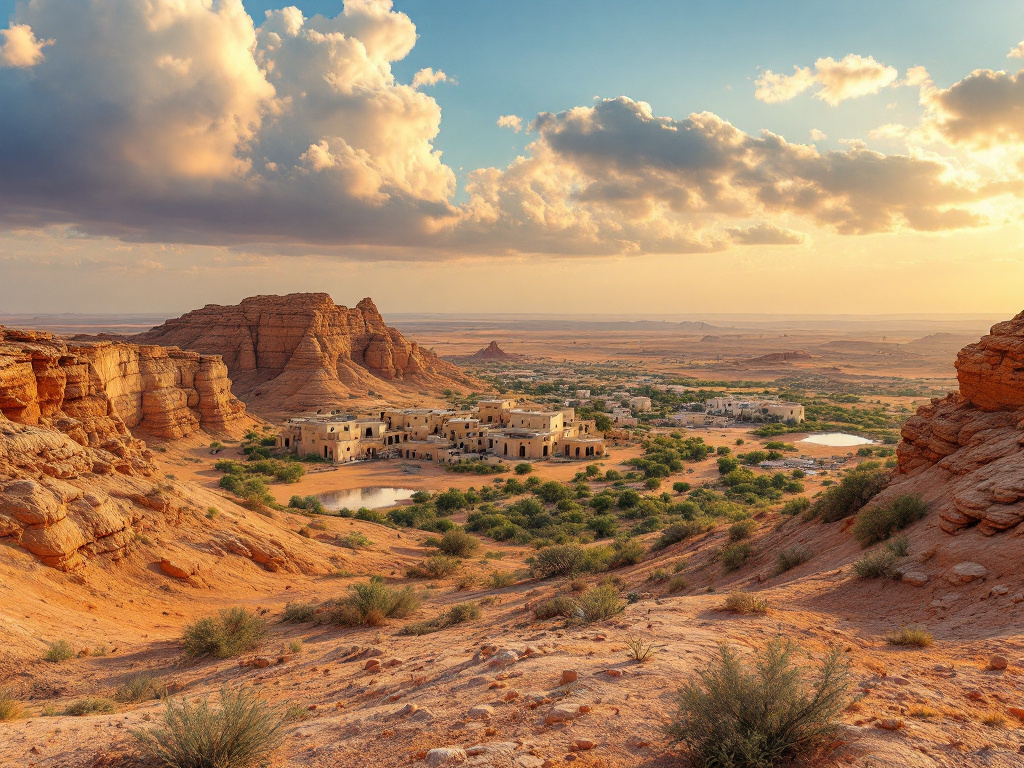
Laas Geel Cave Paintings
One of Africa's most important prehistoric art sites with colorful and detailed cave paintings.
Hargeisa Camel Market
A lively market where camel trading plays a central role in the local economy.
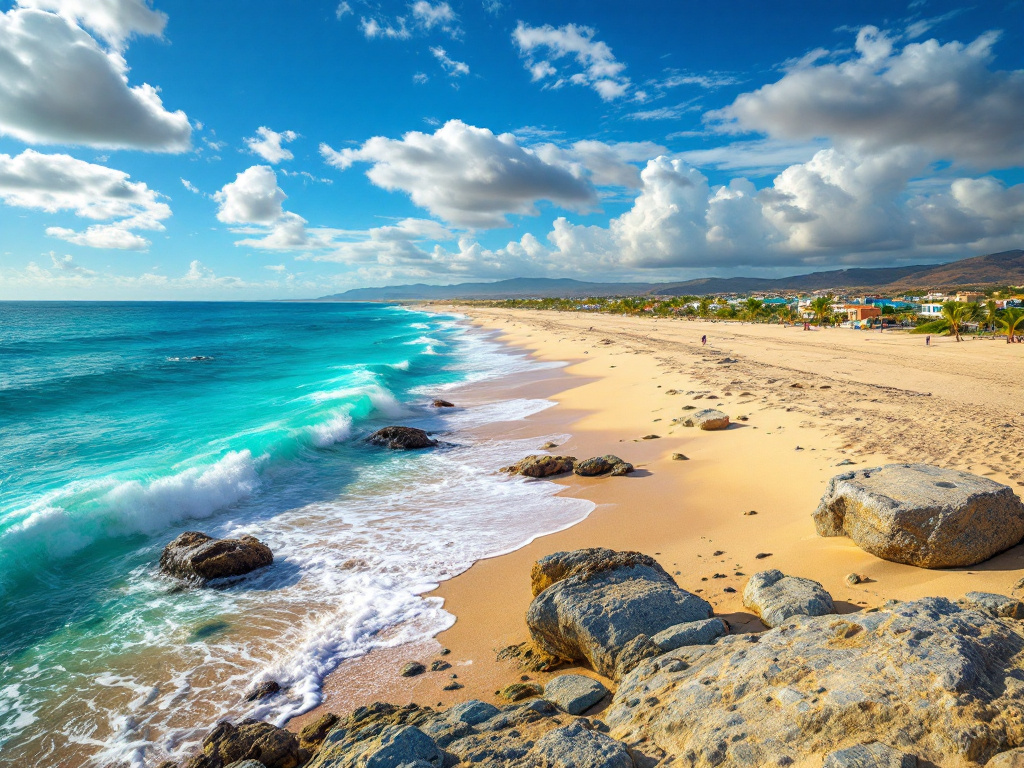
Berbera Beach
A beautiful beach by the Gulf of Aden known for its clear water and calm ambiance.
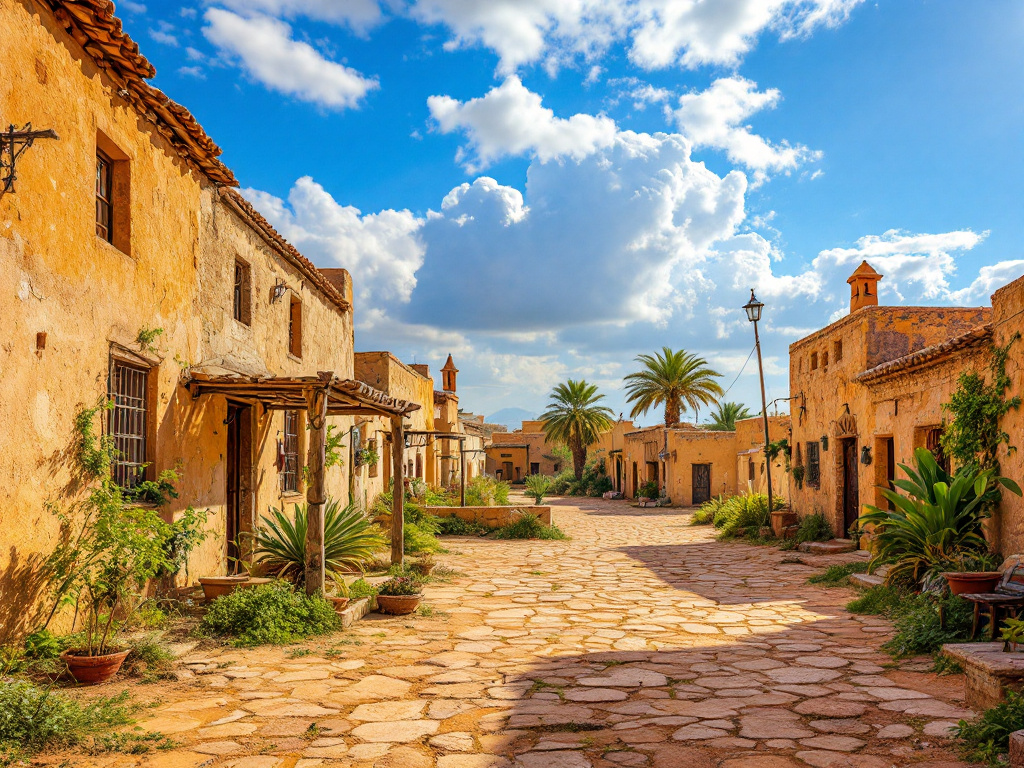
Berbera Old Town
An area with historical buildings that tell the story of Berbera's role as a trading city.
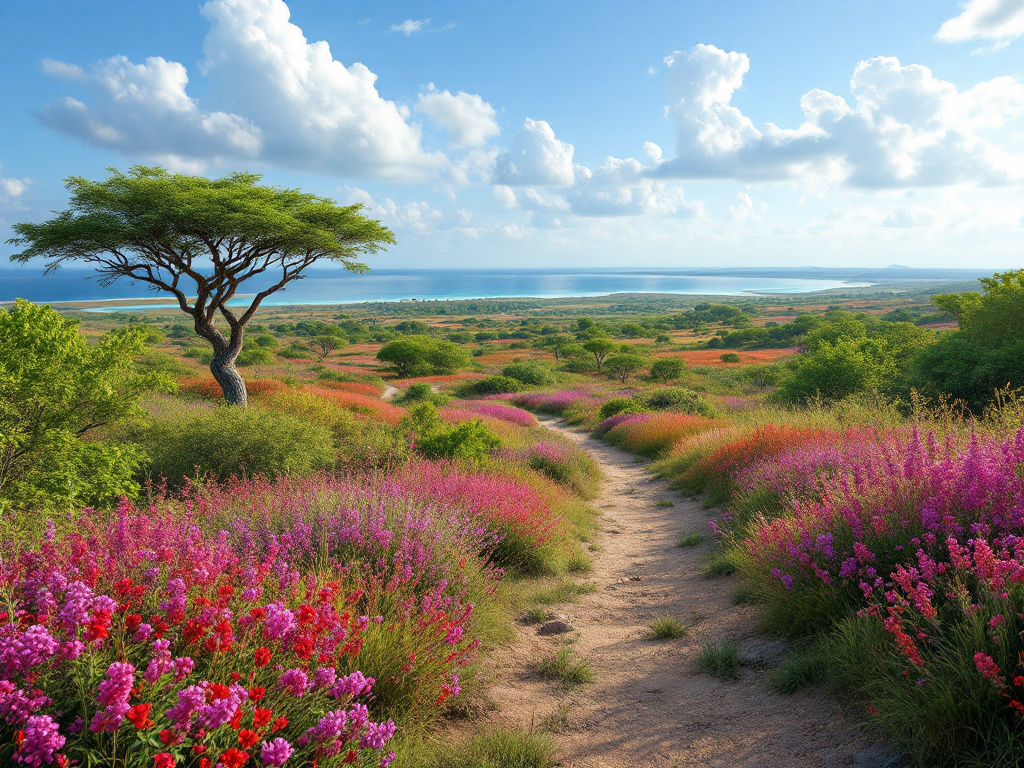
Kismayo National Park
A protected natural area near Kismayo focused on conserving local flora and fauna.
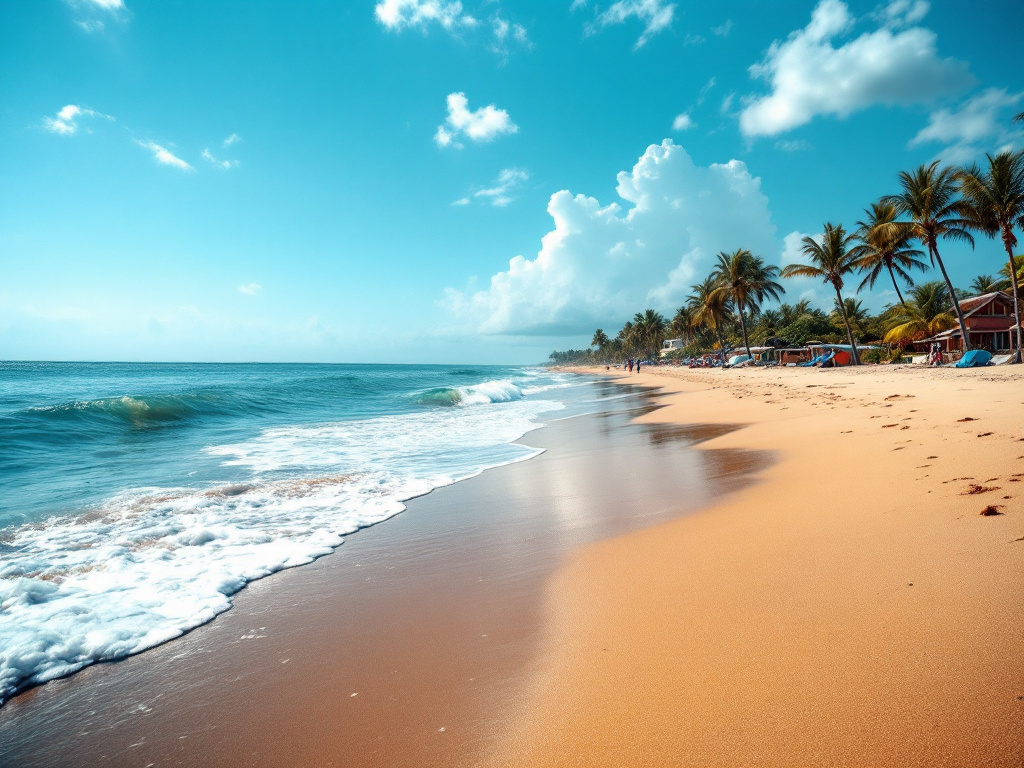
Kismayo Beach
A local beach that provides insight into daily life in Kismayo with fishing boats and sea views.
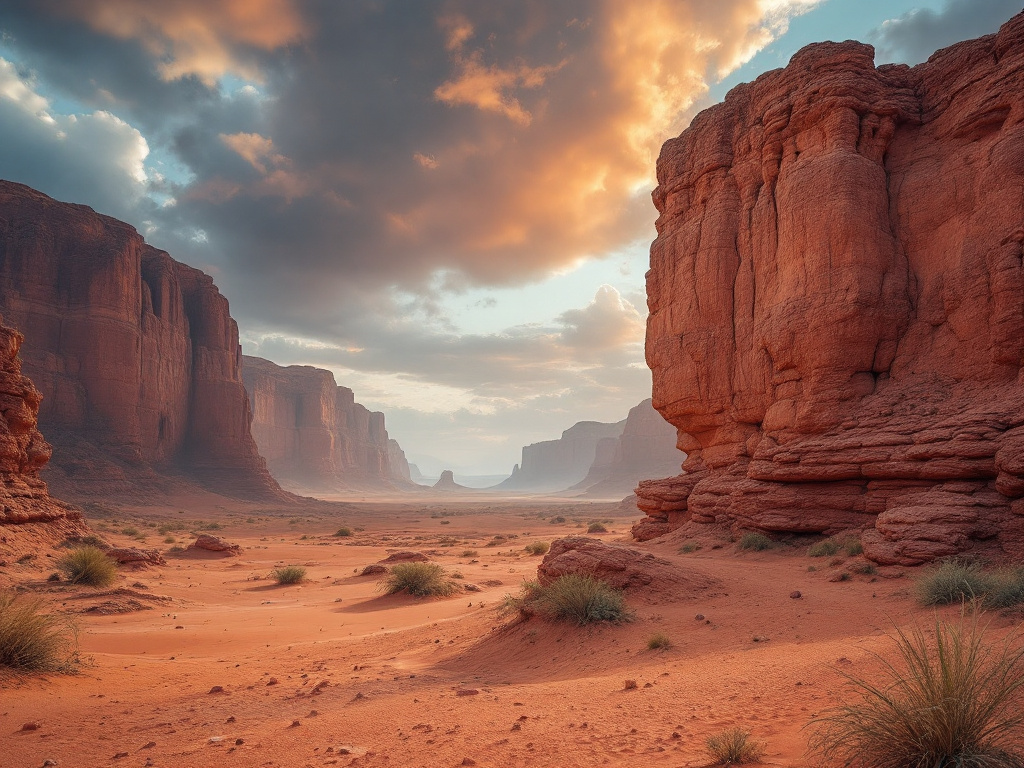
Sheikh Mountain View
A scenic viewpoint in the mountains near Sheikh, known for cooler temperatures and beautiful panoramas.
Famous cuisine
Culinary overview
Somali cuisine is an exciting blend of African, Arabic, and Indian flavors, shaped by the country's history as a trading hub by the Indian Ocean. Meals are often spiced but not excessively hot, and combine meat, rice, pasta, and freshly baked bread. Spices such as cardamom, cinnamon, and cumin are used generously, and many dishes are accompanied by fresh fruit or salad. Hospitality is an important part of the food culture, and meals are often shared in large communities.
Must-try dishes
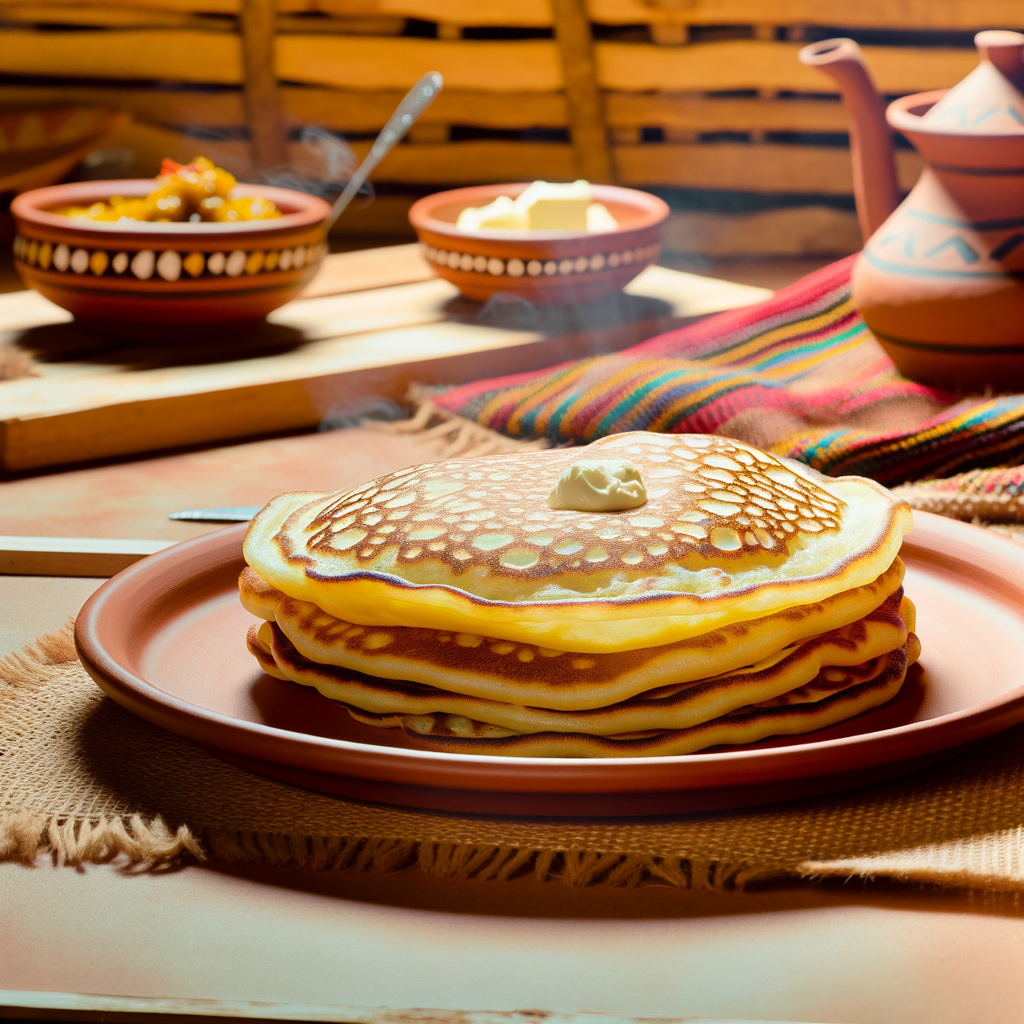
Canjeero
A soft, spongy pancake made from fermented dough, often eaten for breakfast with honey, butter, or alongside stews.
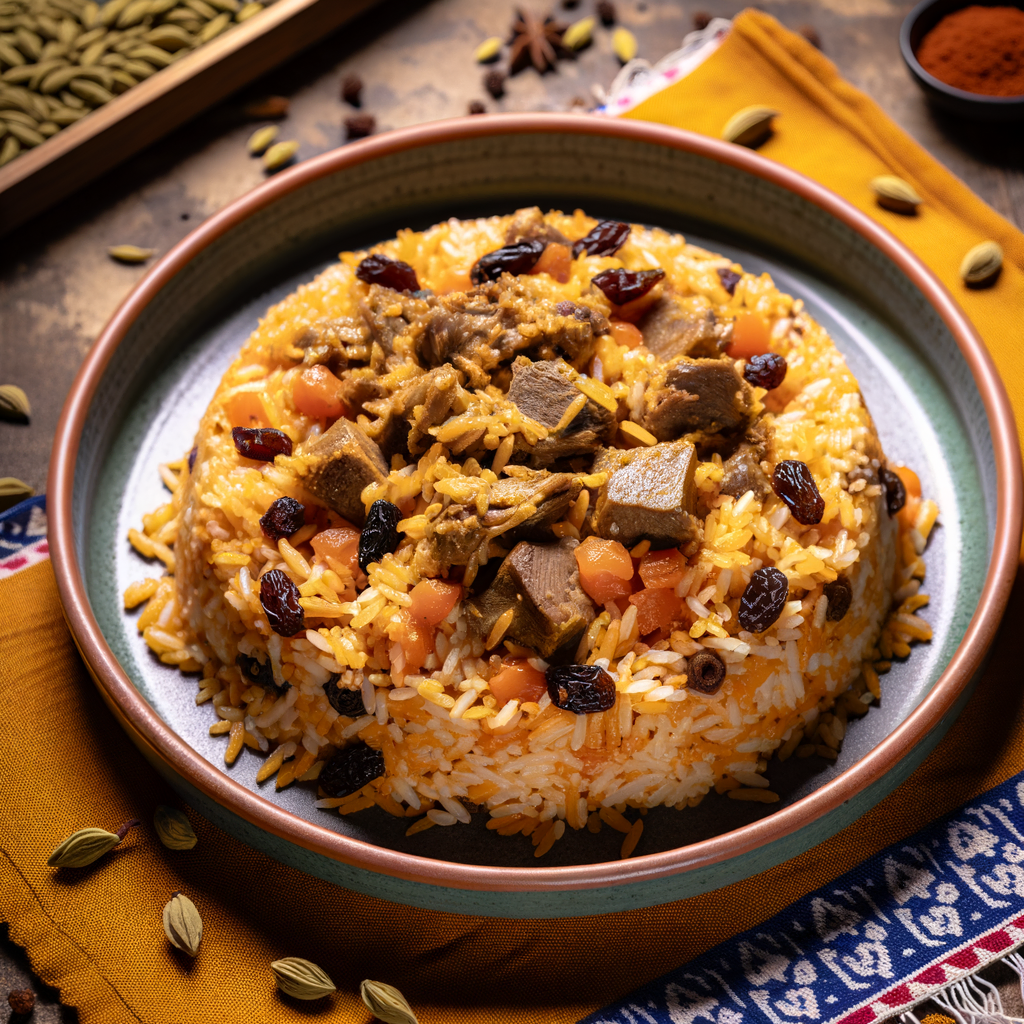
Bariis iskukaris
Somali spiced rice dish, often prepared with meat (lamb or chicken), raisins, and aromatic spices such as cardamom and cloves.
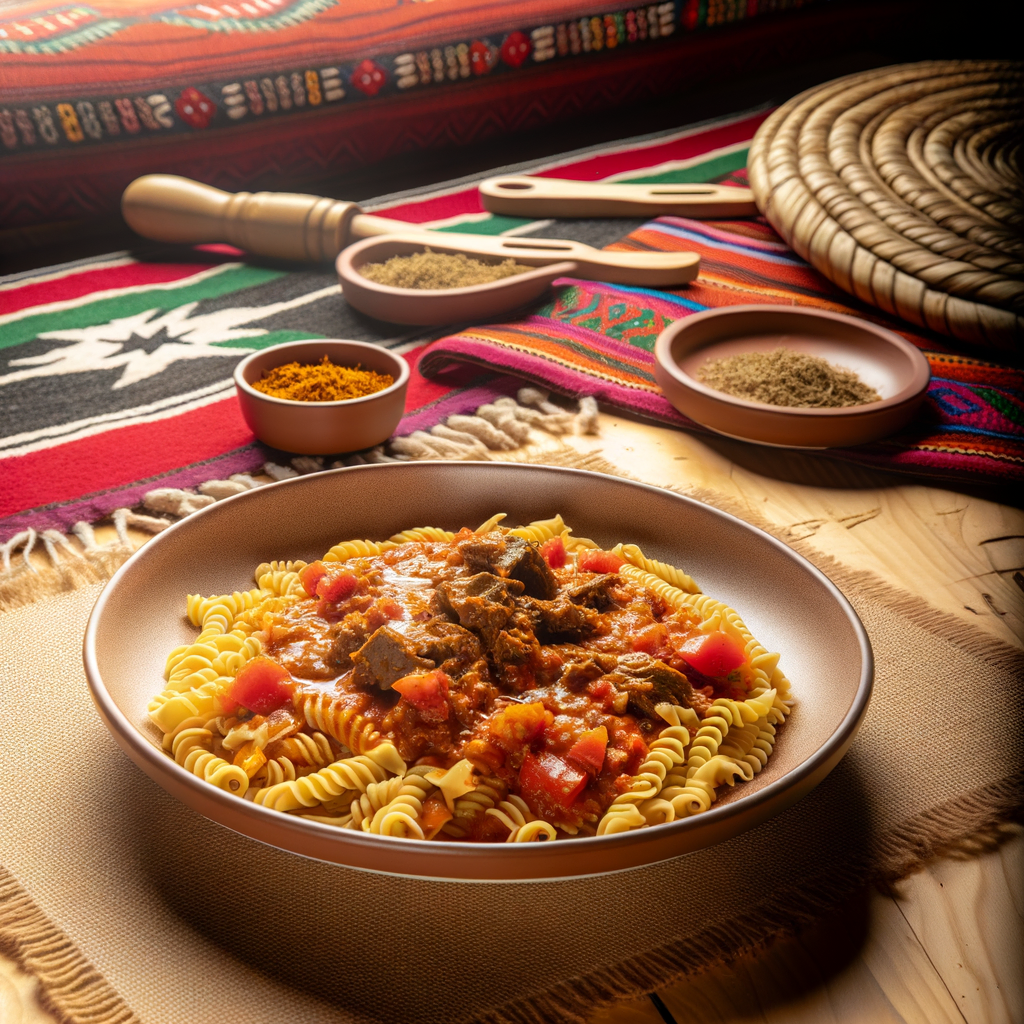
Suugo
A Somali version of pasta with tomato-based sauce, often spiced with cumin and served with beef or lamb.
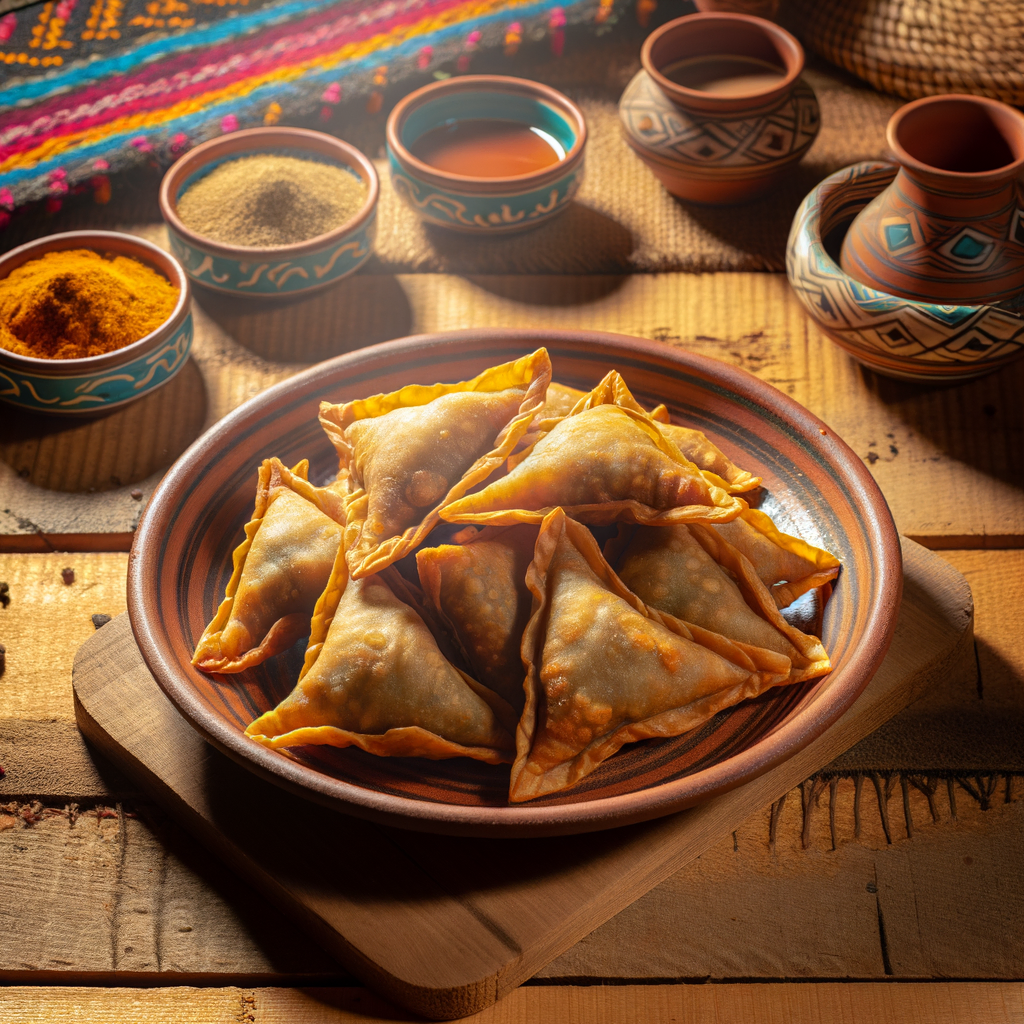
Sambuusa
Crispy, triangular pastries filled with spiced meat or vegetables, typically served as a snack or appetizer, especially during Ramadan.
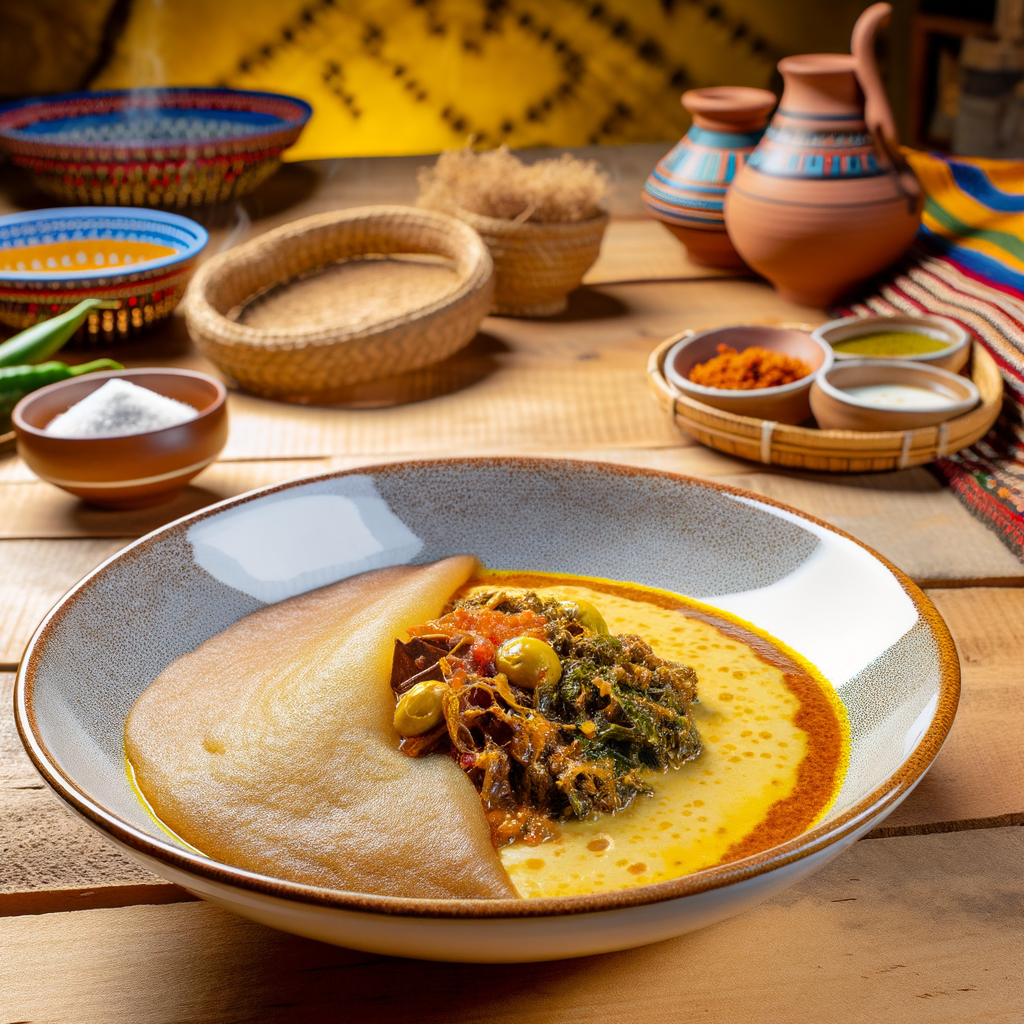
Laxoox
A variant of canjeero, but often a bit thicker and served with soups or meat dishes.
Restaurant information
Tipping
Tipping is not a fixed part of the culture in Somalia, but it is appreciated to round up or give 5-10% at restaurants, especially at places that serve tourists.
Travel information
Currency
Somalisk shilling (SOS)
Language
Somalisk
Best time to visit
November to February
Major cities
Mogadishu and other major cities
More countries in Africa
Discover more destinations in this region