
South Sudan
South Sudan, the world's newest country, is a place of vibrant cultures, stunning natural beauty, and wild, untouched landscapes, located in the heart of East Africa.
Overview
South Sudan, the world's newest nation since 2011, is a hidden travel paradise for adventurous spirits. Located in the heart of East Africa, the country offers unparalleled natural experiences such as the majestic Sudd wetlands, thrilling safari opportunities in Boma and Nimule National Parks, and breathtaking climbs of Mount Kinyeti. With over 60 ethnic groups and colorful traditions, as well as a cuisine bursting with authentic flavors, South Sudan invites travelers to experience Africa in its most raw and untouched form—far removed from the paths of conventional tourism.
Official language
English
Government
republic
Best time to visit
November to March (dry season)
Nature
South Sudan is a land of dramatic and untouched beauty, showcasing some of Africa's most breathtaking landscapes. The Sudd Wetlands, one of the world's largest swamp areas, stretches across vast expanses and is a paradise for birdwatchers and nature enthusiasts. Here, rare bird species coexist with hippos, crocodiles, and a vibrant aquatic ecosystem. Boma National Park features one of the largest animal migrations globally, where hundreds of thousands of antelopes traverse the savannah. Nimule National Park, located along the Nile River, boasts elephants, buffalo, and an abundance of birdlife. For the adventurous souls, Mount Kinyeti, the highest point in South Sudan, offers lush mountain forests and stunning views. The country's topography is characterized by contrasts—from rivers and wetlands to savannahs and mountains—making it an ideal destination for those seeking authentic and unspoiled natural experiences, especially during the dry season from November to March when conditions are perfect for outdoor adventures.
Travel to South Sudan
Traveling to South Sudan is an adventure for the brave and curious traveler seeking something truly unique. The best time to visit is from November to March, where the dry season provides optimal conditions for safaris, trekking, and outdoor activities. Flights to the capital, Juba, serve as the gateway for further explorations into the country. From here, travelers can arrange tours to the Sudd wetlands, Boma National Park, Nimule National Park, or embark on a mountaineering expedition to Mount Kinyeti. Visitors should prepare for limited infrastructure, but this adds to the thrill of experiencing a land that remains untouched by mass tourism. For those desiring authentic interactions with locals, markets, village visits, and cultural events offer a unique glimpse into life in the world's youngest nation.
Culture
South Sudan is a cultural kaleidoscope, home to over 60 ethnic groups, each with its unique traditions, languages, and ways of life. The largest groups include the Dinka, Nuer, and Shilluk, all contributing to the country's rich cultural tapestry. Music and dance are integral to daily life, often accompanied by drums and traditional instruments that echo through the villages. In the bustling markets of Juba, visitors can immerse themselves in vibrant atmospheres, finding everything from colorful textiles to handmade jewelry. The South Sudanese cuisine reflects its diversity with dishes such as ful medames, asida, kisra, and grilled meats, typically cooked over an open flame. Hospitality is deeply ingrained in the culture, with visitors often welcomed with warm smiles and genuine curiosity. The religious landscape is equally diverse, encompassing Christians, Muslims, and traditional beliefs, making South Sudan an enthralling place for travelers eager to understand the continent's deepest roots.
History
South Sudan gained independence from Sudan in 2011 after decades of conflict, marking it as the world's newest nation. The country’s history is shaped by the influences of colonialism and long periods of civil war, which have left lasting impacts on its political and social landscape. The independence celebration was seen as a new beginning, but South Sudan has since encountered challenges in peacebuilding and development. Yet, despite these hurdles, South Sudan carries a proud legacy of resilience and cultural continuity, where traditions and community bonds have helped the population preserve their identity through tumultuous times. Exploring this rich historical narrative provides insights into the spirit and strength of its people, making it an essential part of any visit to this extraordinary nation.
Top attractions
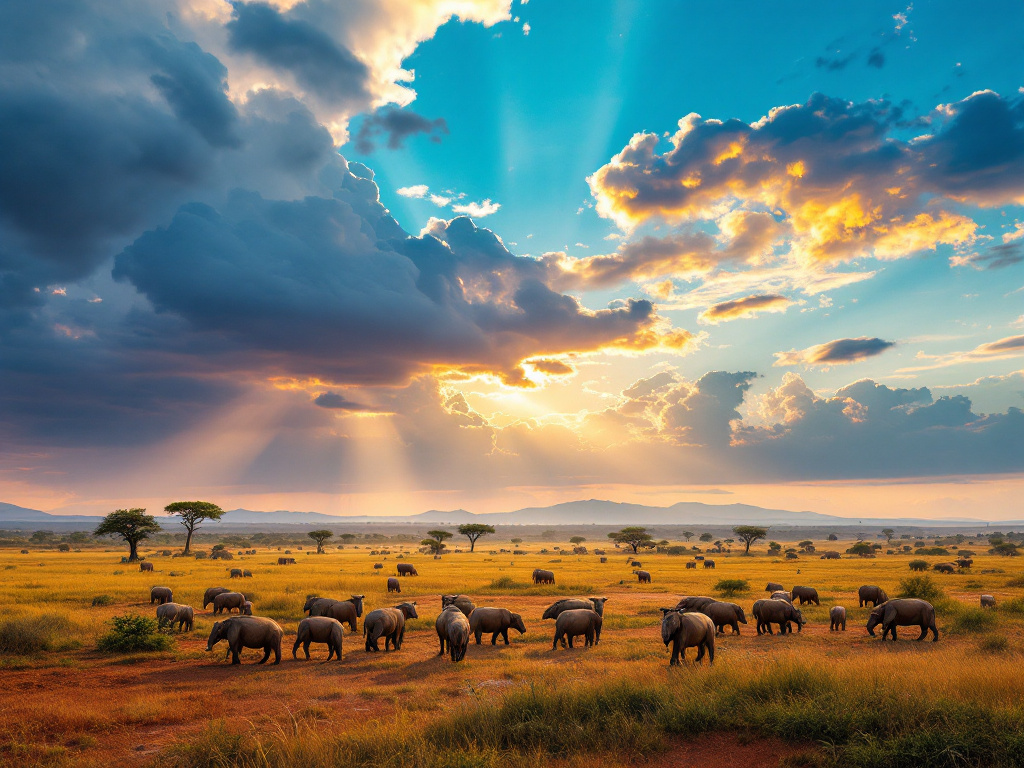
Boma Nationalpark
En af Sydsudans største nationalparker kendt for sin årlige dyremigration og rå naturoplevelser.
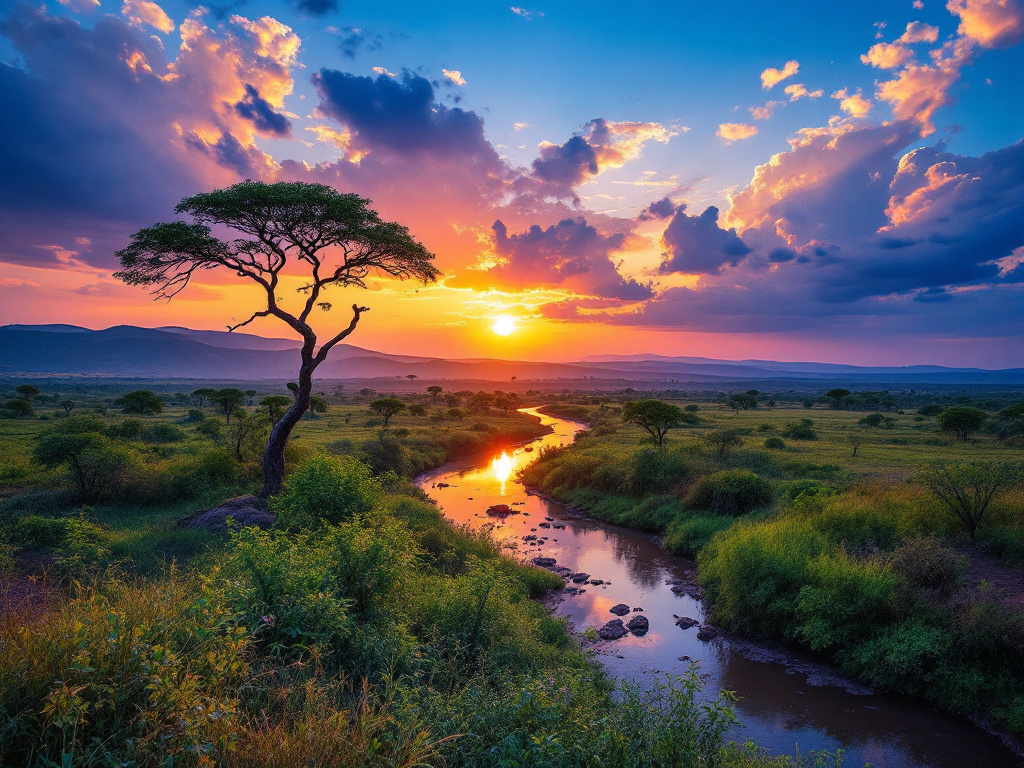
Nimule Nationalpark
En kompakt men artsrig nationalpark berømt for elefanter og udsigter over Nilen.
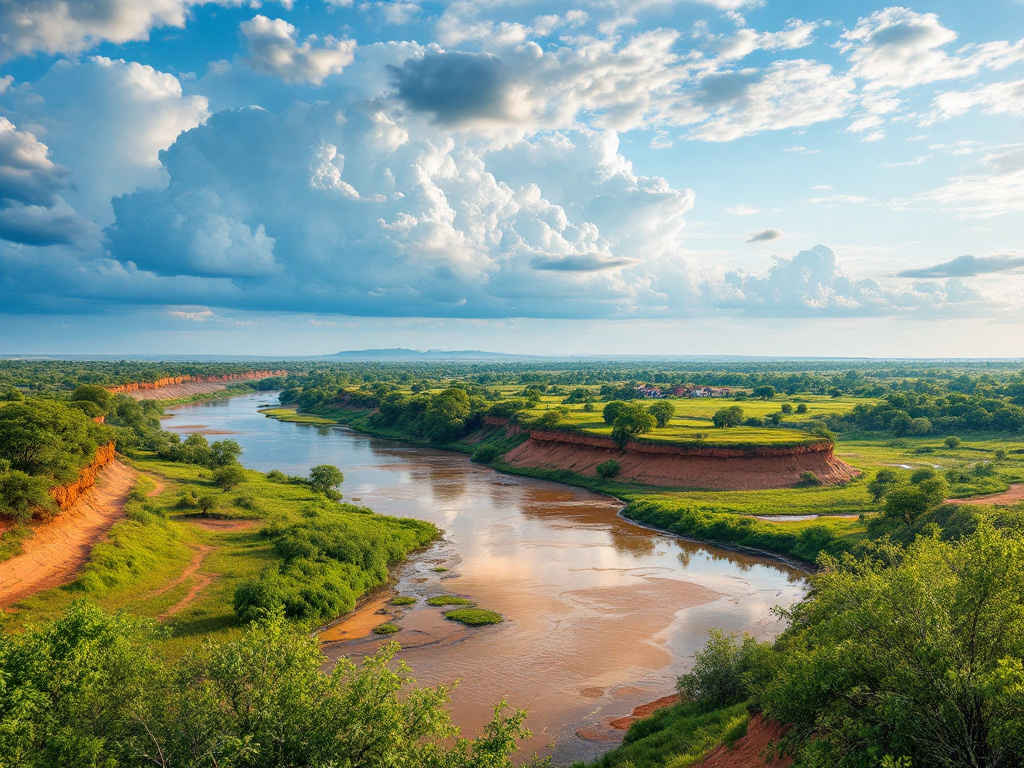
Den Hvide Nil i Juba
Den ikoniske flod løber gennem hovedstaden og danner rammen om dagligliv og rekreation.
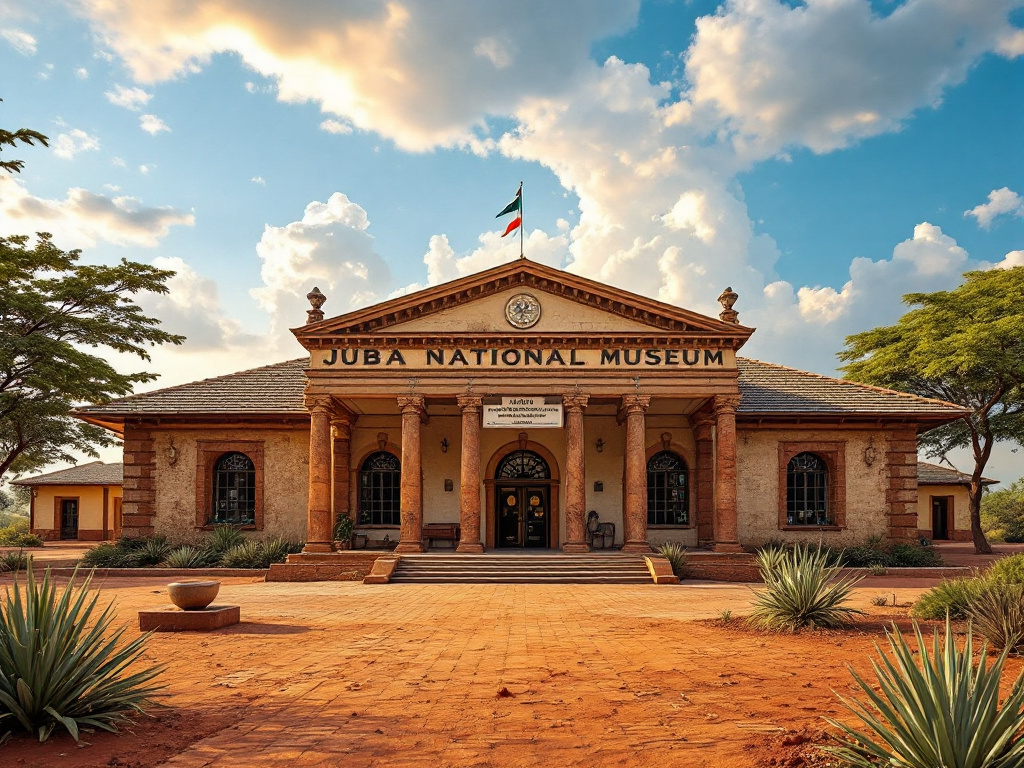
Juba Nationalmuseum
Et museum der formidler Sydsudans mangfoldige kulturarv og historie.
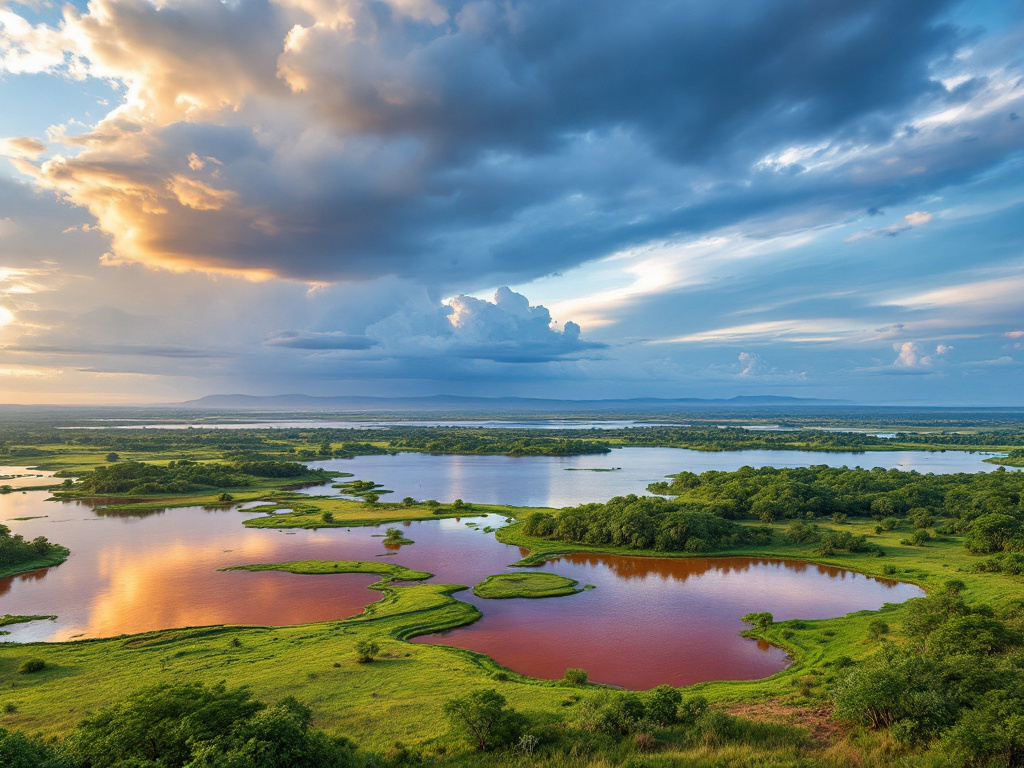
Sudd-sumpene
Et enormt sumpområde der spiller en central rolle i Nilens økosystem.
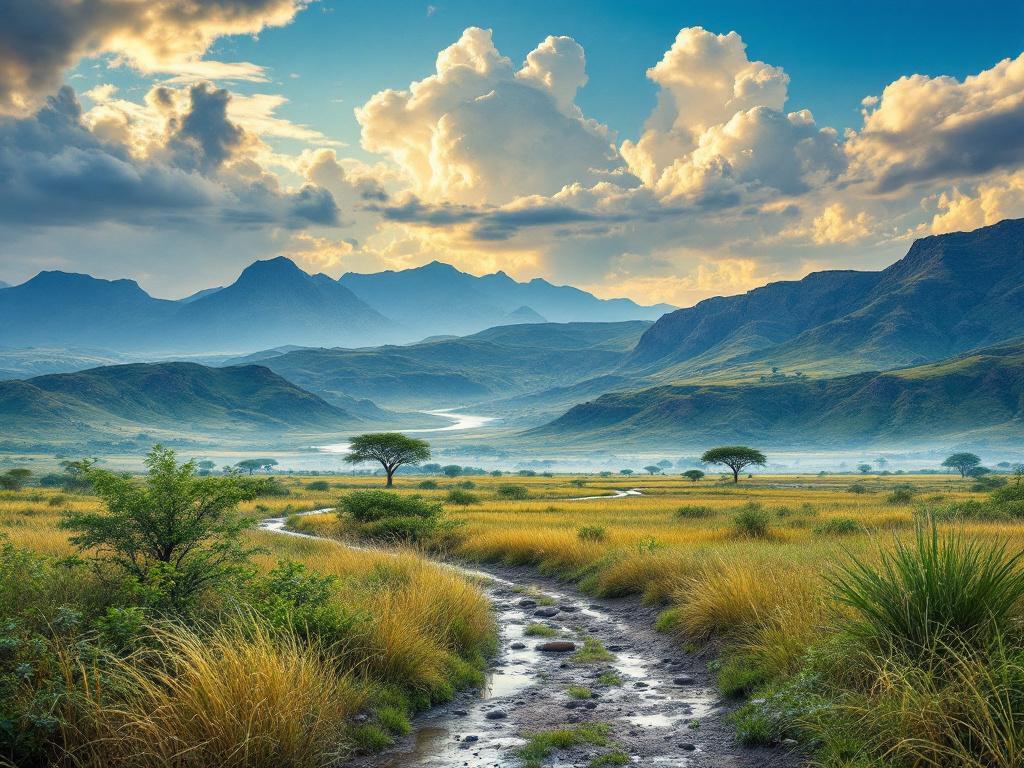
Imotong-bjergene
Et frodigt og bjergrigt område velegnet til eventyrlystne vandrere.
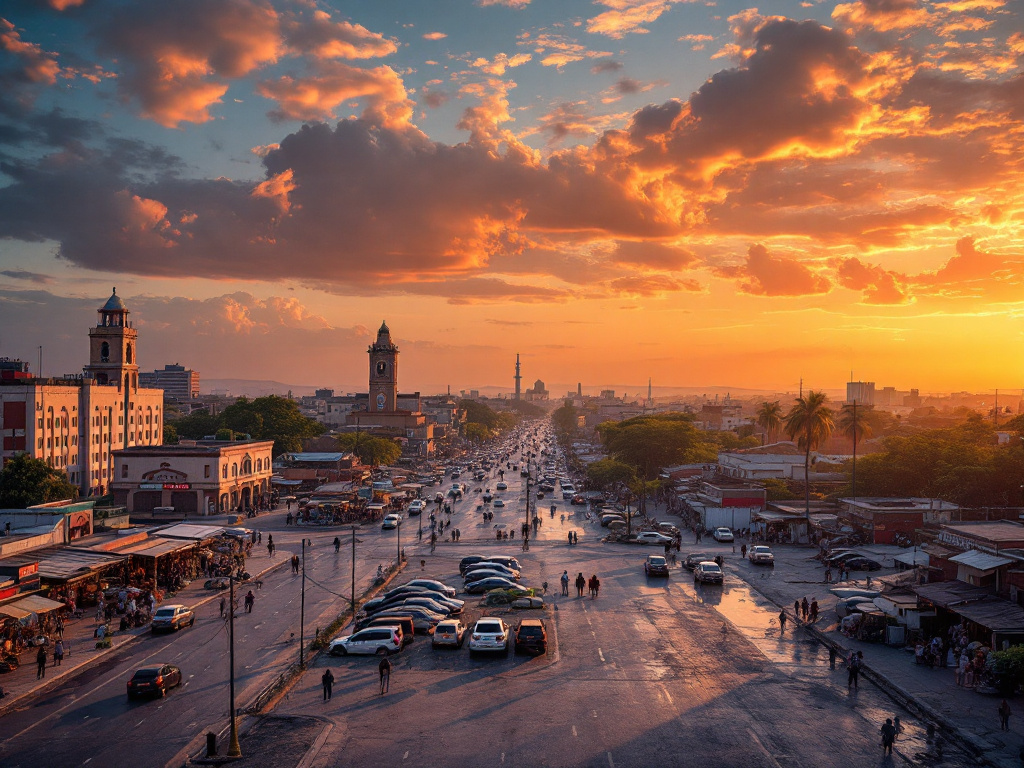
Juba Centralmarked
Et livligt marked der giver indblik i dagligdagen i hovedstaden.
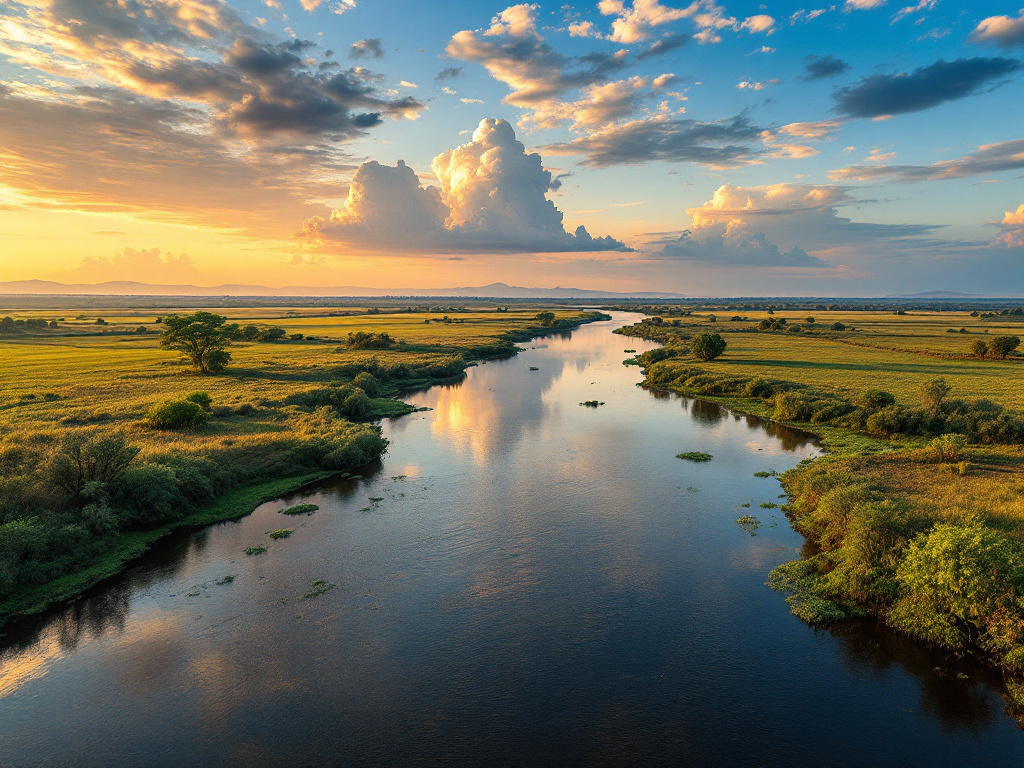
Kidepo-flodbredden
Et fredeligt flodområde med åbne vidder og lokalt landsbyliv.
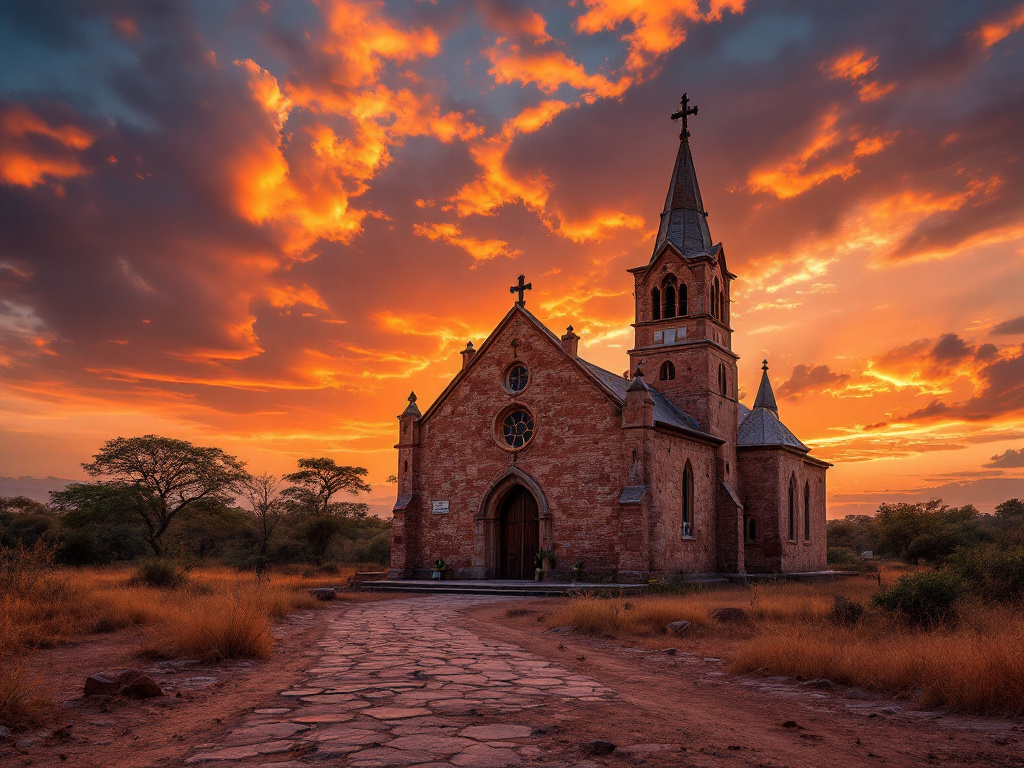
Torit Katedral
En vigtig kirke og samlingspunkt for lokalbefolkningen i Torit.
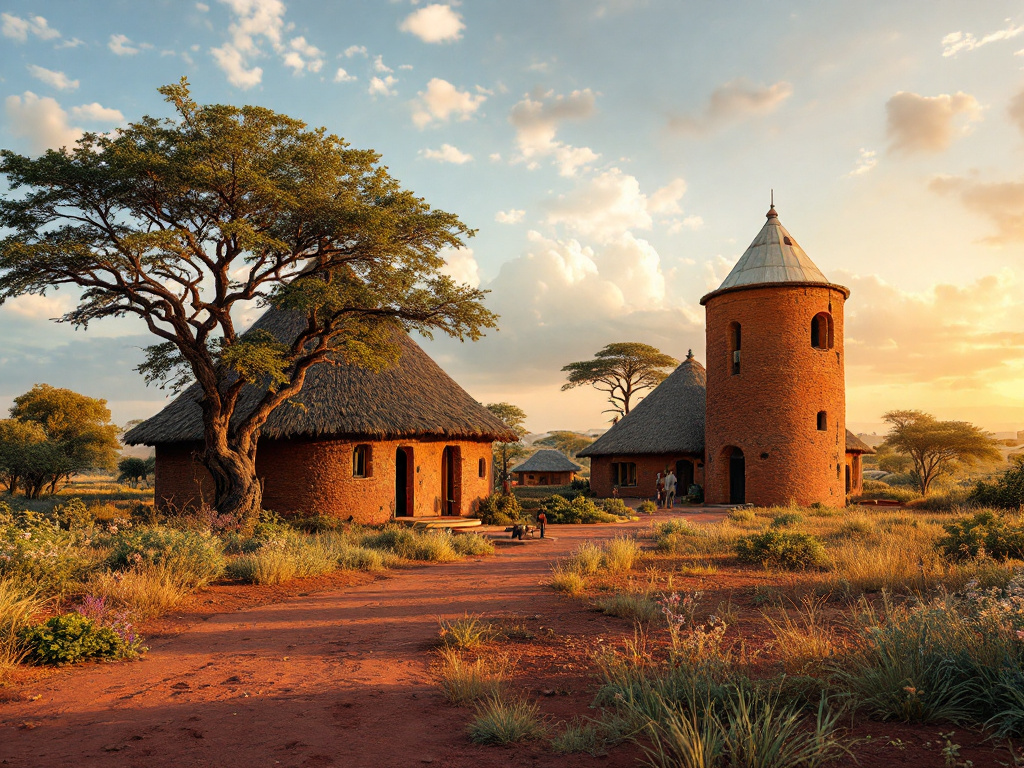
Pibor Kulturcenter
Et lokalt center der bevarer og deler områdets kulturelle identitet.
Famous cuisine
Culinary overview
South Sudan's food culture reflects the country's diverse ethnic groups and geographical location in the heart of Africa. Dishes are often based on local ingredients such as durra (sorghum), corn, beans, beef, fish from the Nile, and fresh vegetables. Meals are simple but flavorful, and preparation often occurs over an open fire. Types of bread like kisra and asida are staples, while grilled meat and spicy stews are popular on festive occasions. Hospitality is an important part of the dining experience, and it is common to share food from communal platters.
Must-try dishes
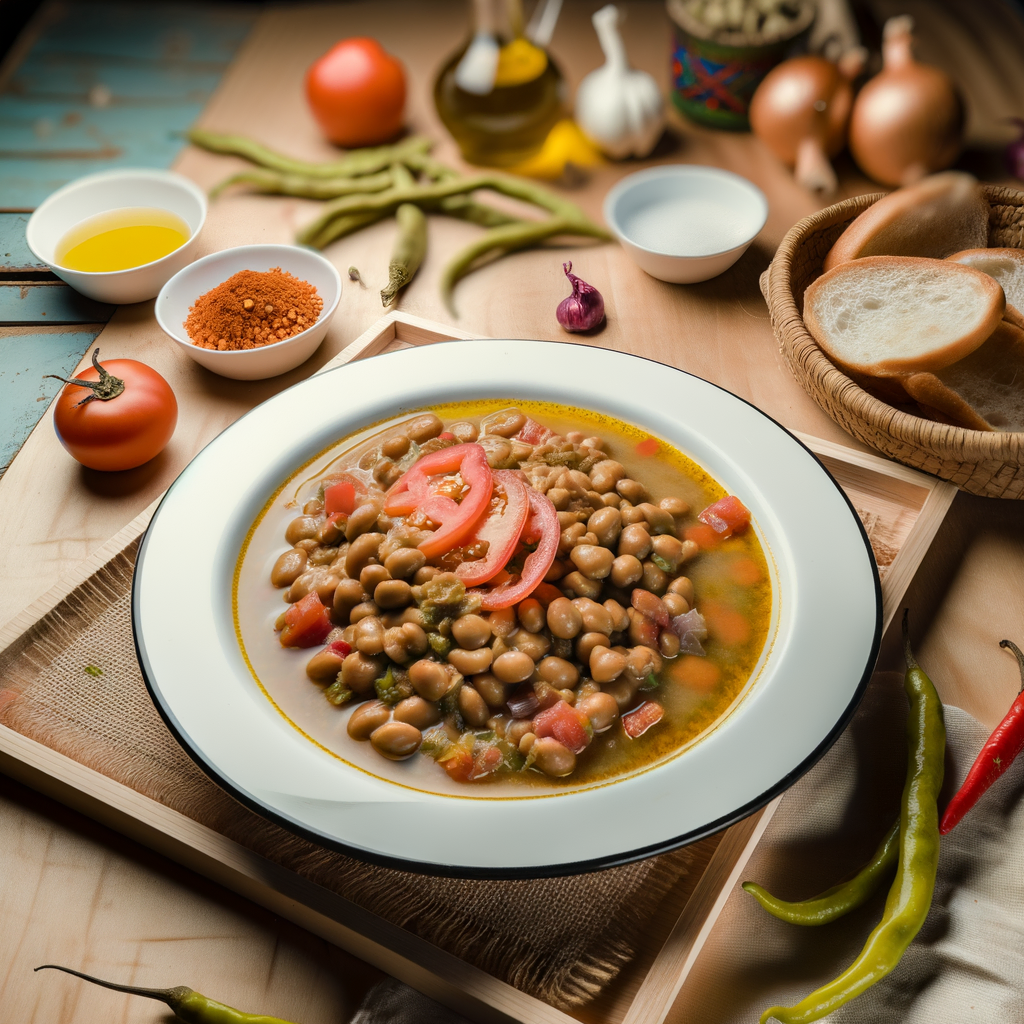
Ful medames
A nutritious dish made of cooked fava beans, often served with oil, onions, tomatoes, and bread. It is eaten for both breakfast and lunch and is popular throughout the region.
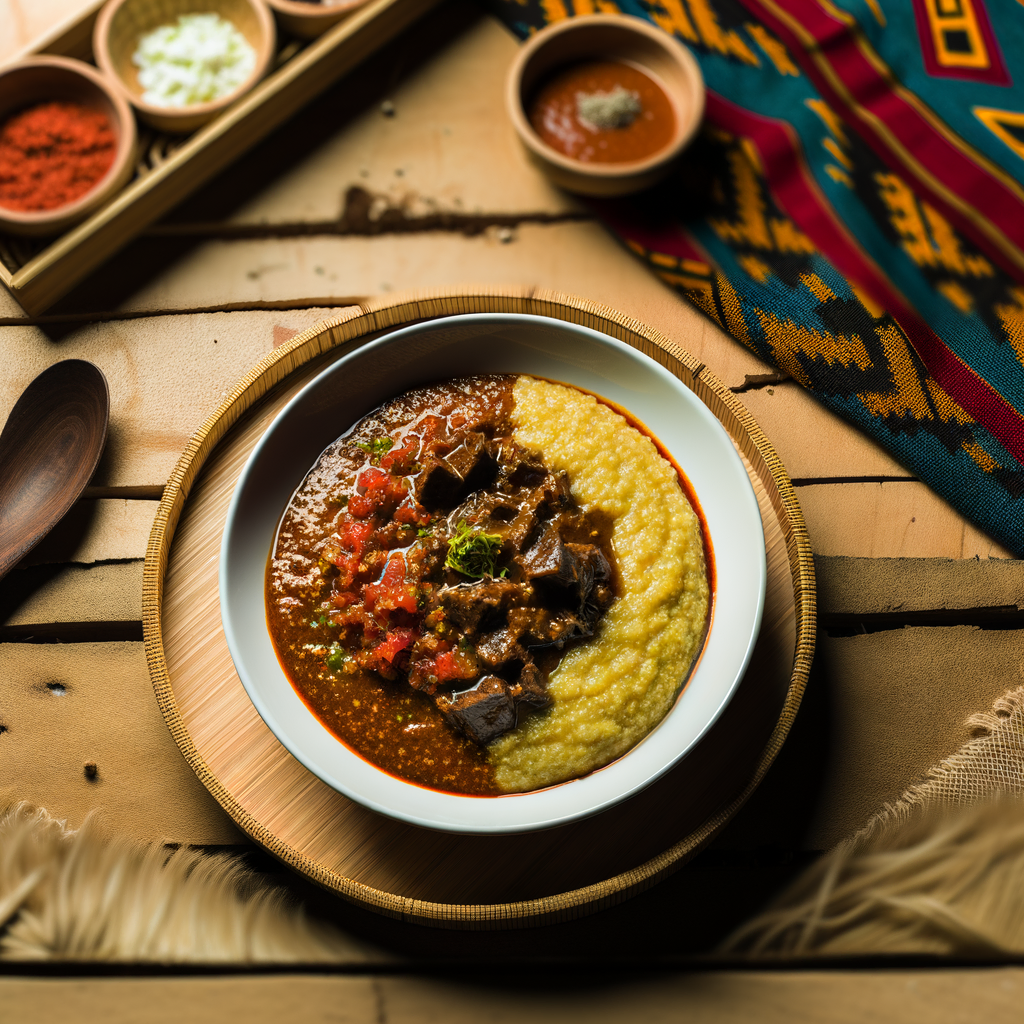
Asida
A thick porridge made from durra or wheat flour, served with various sauces, often based on beef or vegetables. Traditionally eaten with hands.
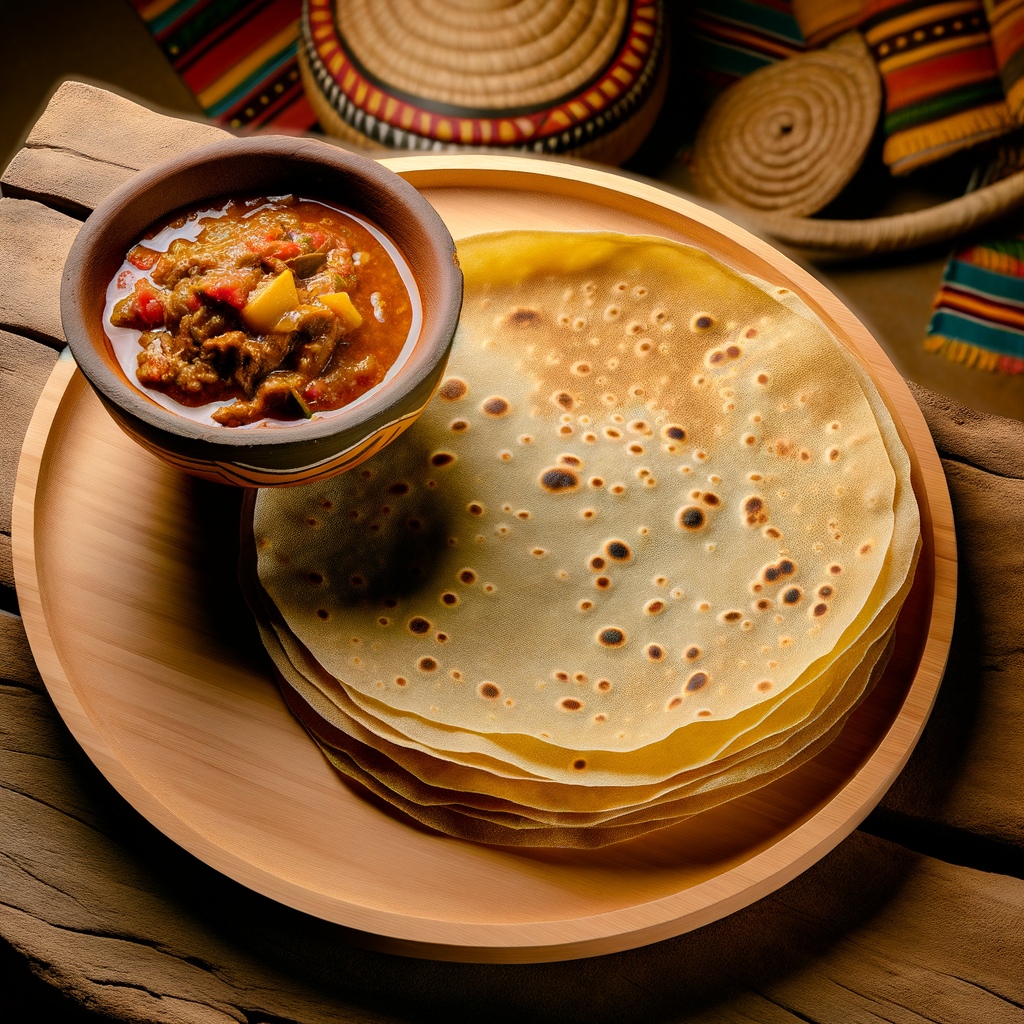
Kisra
A thin, pancake-like bread made from fermented durra, which serves as both a side and a scoop for stews.
.webp)
Grilled meat (Nyama Choma)
Marinated meat, often beef or goat, grilled over an open fire and served with fresh salads and kisra.
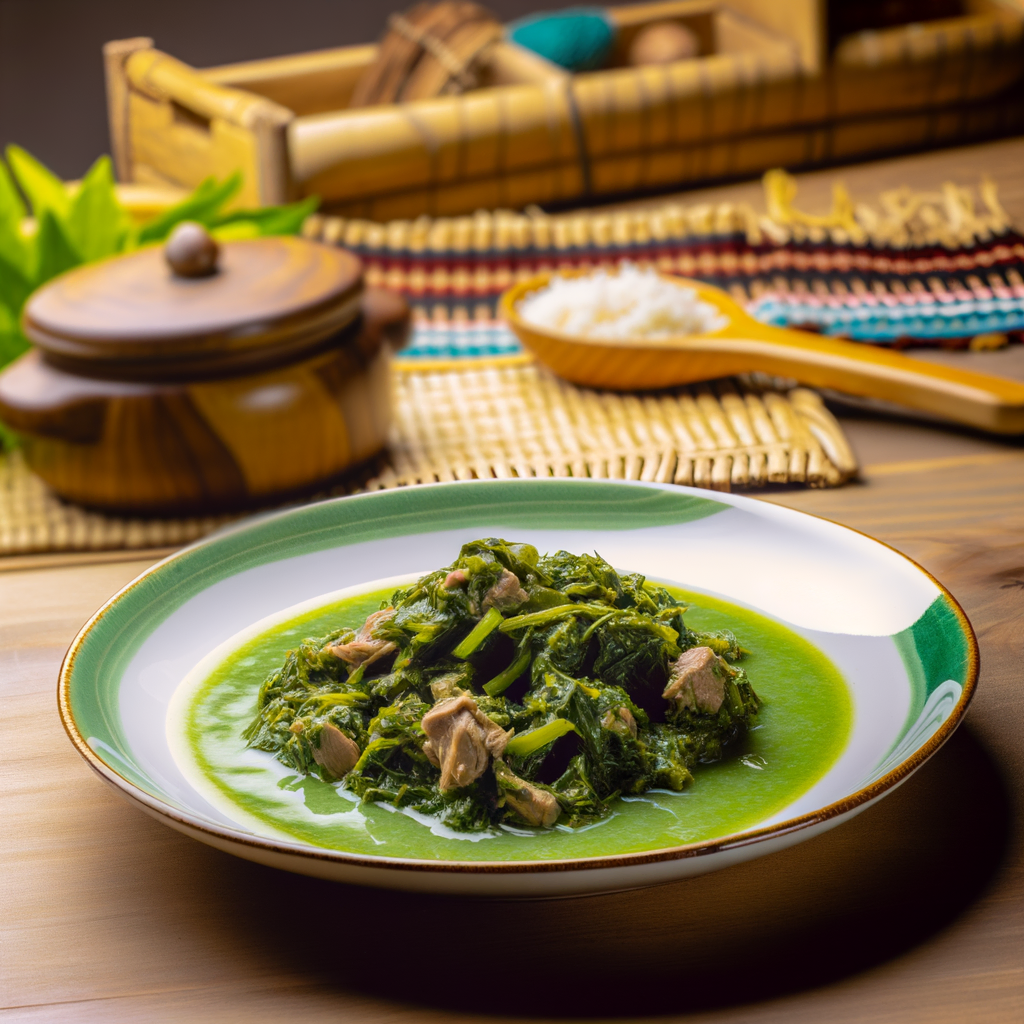
Molokhia
A green leafy vegetable dish cooked to a thick soup, often served with chicken or lamb and eaten with rice or kisra.
Restaurant information
Tipping
Tipping is not a fixed part of the culture in South Sudan, but in restaurants in the cities, particularly in Juba, it is appreciated to give 5-10% of the bill if the service has been good.
Travel information
Currency
Sydsudansk pund (SSP)
Language
English
Best time to visit
November to March (dry season)
Major cities
Juba and other major cities
More countries in Africa
Discover more destinations in this region