
Syria
Syria, a country of ancient civilizations and rich cultural heritage, stands as a poignant reminder of resilience amid the destruction from the ongoing conflict since 2011.
Overview
Syria, nestled in the heart of the Middle East, is a land with an unparalleled cultural heritage and a history that spans millennia. Visitors can explore iconic UNESCO sites like the ruins of Palmyra, the ancient city of Damascus with its impressive Umayyad Mosque, and the historic bazaars of Aleppo. The country has long been a crossroads of trade, religion, and culture, where Arabic, Kurdish, and Aramaic are still spoken. Although travel is currently advised against due to security concerns, Syria remains a living museum of humanity's development, offering a treasure trove for history and culture enthusiasts.
Official language
Arabic
Government
republic (de facto autoritært regime)
Best time to visit
Not recommended due to safety risks
Nature
Syria boasts a diverse landscape that ranges from fertile plains and olive groves to rugged desert terrains and mountainous regions. The eastern expanse of the Syrian Desert presents dramatic rock formations and vast sand dunes, with the ancient ruins of Palmyra standing as a testament to the glory of bygone eras. On the western edge, the Mediterranean coastline flourishes with lush areas where citrus orchards and vineyards thrive in the mild climate. The Euphrates River, the lifeblood of the nation, carves its way through the land, providing essential water for agriculture and settlements. In the northern and western mountains, pine forests and green valleys create a striking contrast to the arid regions. This rich and varied nature has not only shaped the economy and lifestyle but has also inspired generations of artists, poets, and traders. Despite the current challenges, Syria's breathtaking landscapes remain a vital part of its identity and history.
Travel to Syria
Traveling to Syria today is strongly discouraged due to the serious security situation, but for those captivated by history and culture, it is one of the most fascinating destinations in the world—when conditions permit. Here, you can experience UNESCO World Heritage sites such as Palmyra, the old city of Damascus, and the Umayyad Mosque, as well as the historical bazaars and citadel of Aleppo, and the Roman city of Bosra. The architecture ranges from ancient temples to medieval castles like Krak des Chevaliers. Syrian cuisine offers authentic culinary experiences, and the warm hospitality of the locals is unforgettable. A journey here is a trek through the cradle of civilization, where every street and stone tells a story. When peace and stability return, Syria will once again welcome travelers to a unique blend of culture, history, and breathtaking landscapes.
Culture
Syrian culture is a vibrant mosaic of traditions, languages, and religions, shaped by millennia of encounters between civilizations. Damascus, one of the oldest continuously inhabited cities in the world, is celebrated for its souks, craftsmanship, and architecture, where Islamic, Christian, and Jewish influences converge. The old city of Aleppo and its citadel bear witness to a proud trading past, while Bosra showcases well-preserved Roman theaters. The Syrian cuisine is a culinary journey in itself, featuring dishes like kibbeh, tabbouleh, fattoush, and sweet baklava that reflect the region's rich flavors. Music and poetry have always held a central place in Syrian life, from traditional oud melodies to modern artistic expressions. The linguistic diversity, with Arabic, Kurdish, and Aramaic spoken, underscores the cultural depth of the country. Despite the hardships faced, traditions continue to thrive within families, markets, and celebrations, serving as a testament to the resilience and love for heritage.
History
Syria's history stretches back to some of the world's earliest civilizations, having been home to Sumerians, Assyrians, Babylonians, Persians, Greeks, Romans, and Ottomans, each leaving a unique historical imprint. For centuries, Damascus and Aleppo have been key trading hubs along the Silk Road. Palmyra flourished as a caravan city that linked the East and West, while Bosra was an important Roman provincial city. Following the fall of the Ottoman Empire, Syria became a French mandate until gaining independence in 1946. Since 2011, the country has been marred by devastating conflict, yet its historical monuments stand resilient as symbols of a grand past that tell the stories of human ingenuity, faith, and commerce throughout the ages.
Top attractions
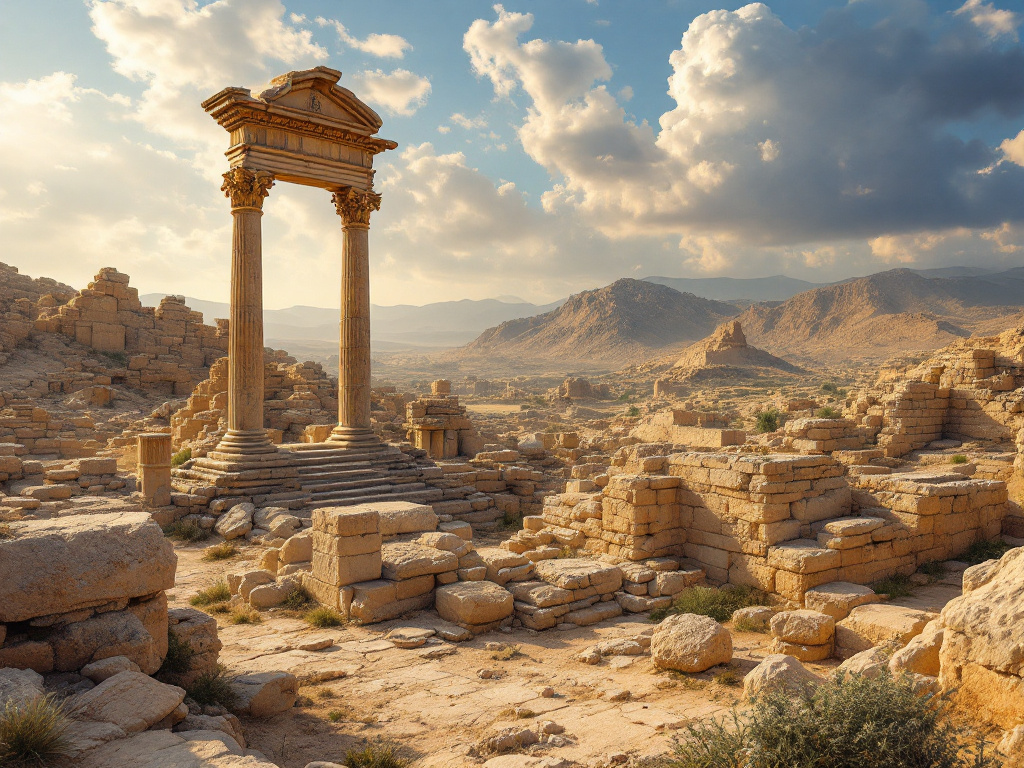
Palmyra's Ruins
Palmyra was an important trading city in antiquity and is known for its monumental ruins in the middle of the Syrian desert.
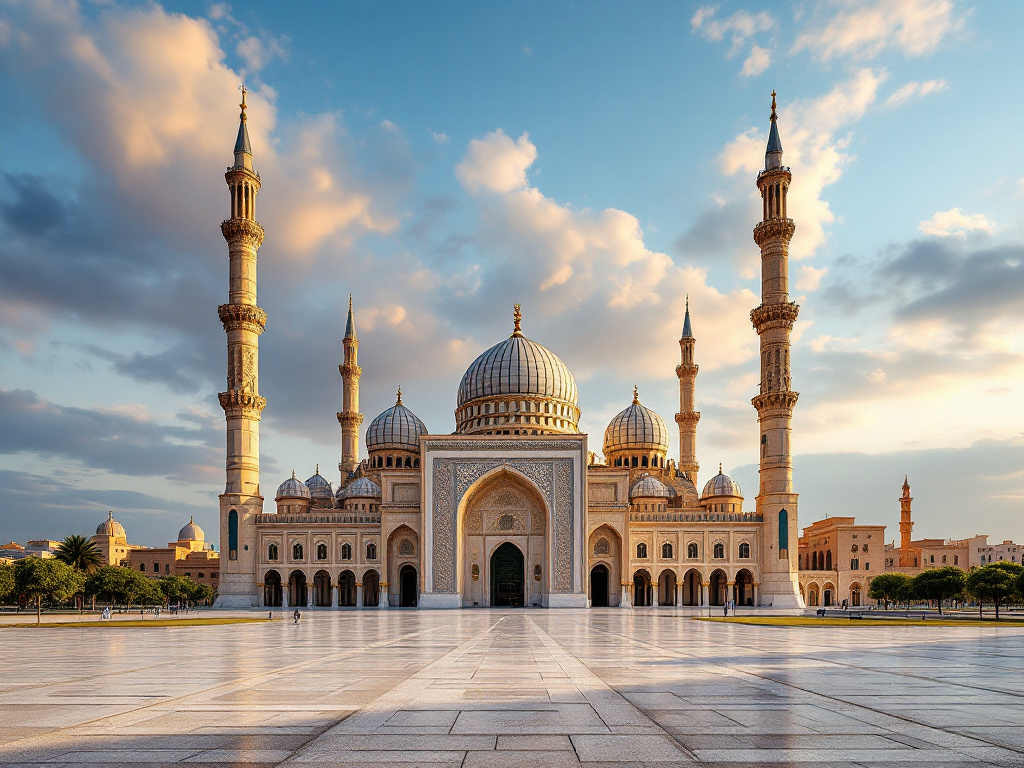
The Umayyad Mosque in Damascus
One of the oldest and most important mosques in the world, known for its architectural beauty and religious history.
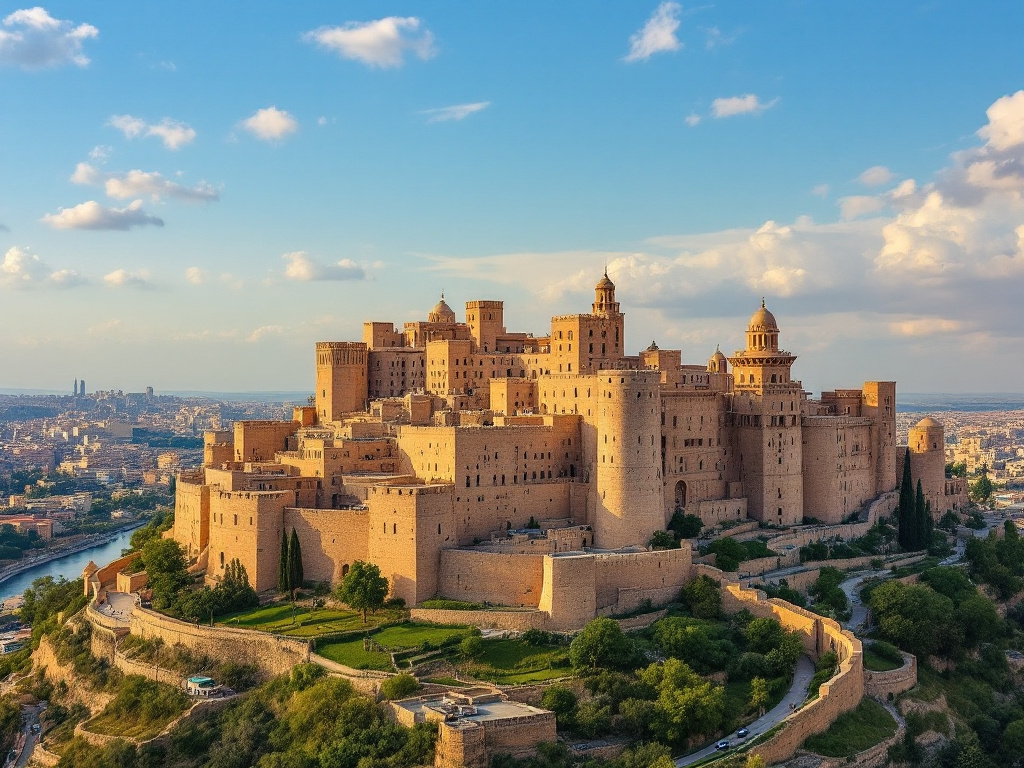
The Citadel of Aleppo
An impressive citadel with roots in antiquity, located on a hill in the center of Aleppo.
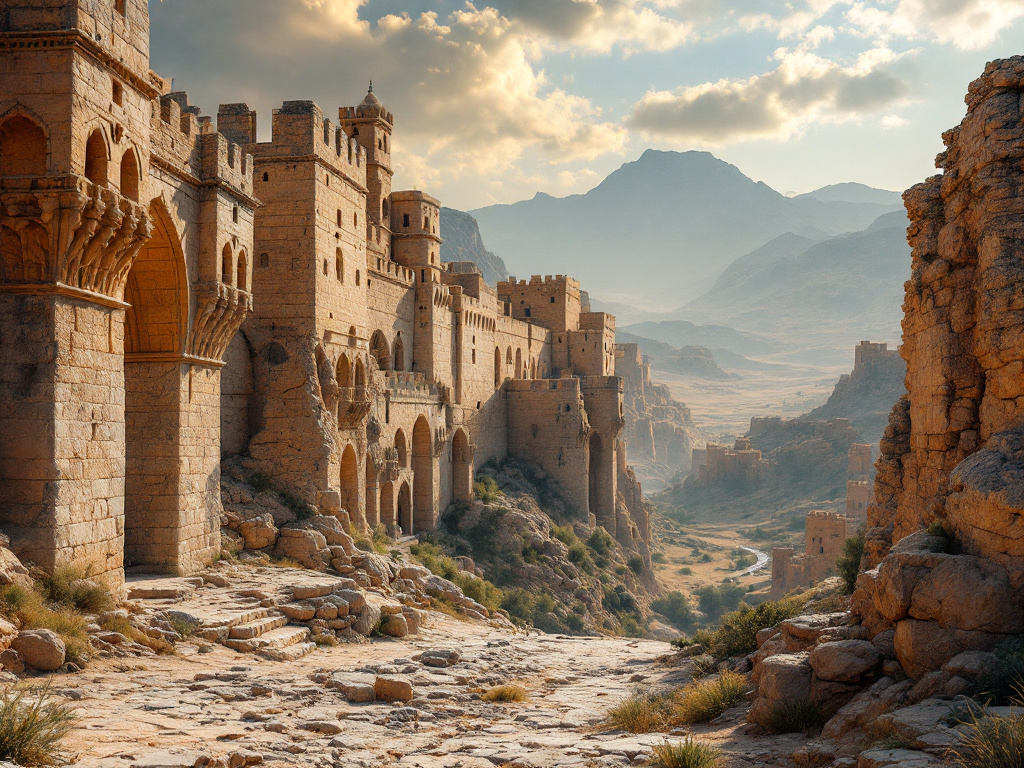
Krak des Chevaliers
A spectacular crusader castle and UNESCO world heritage site with impressive architecture.
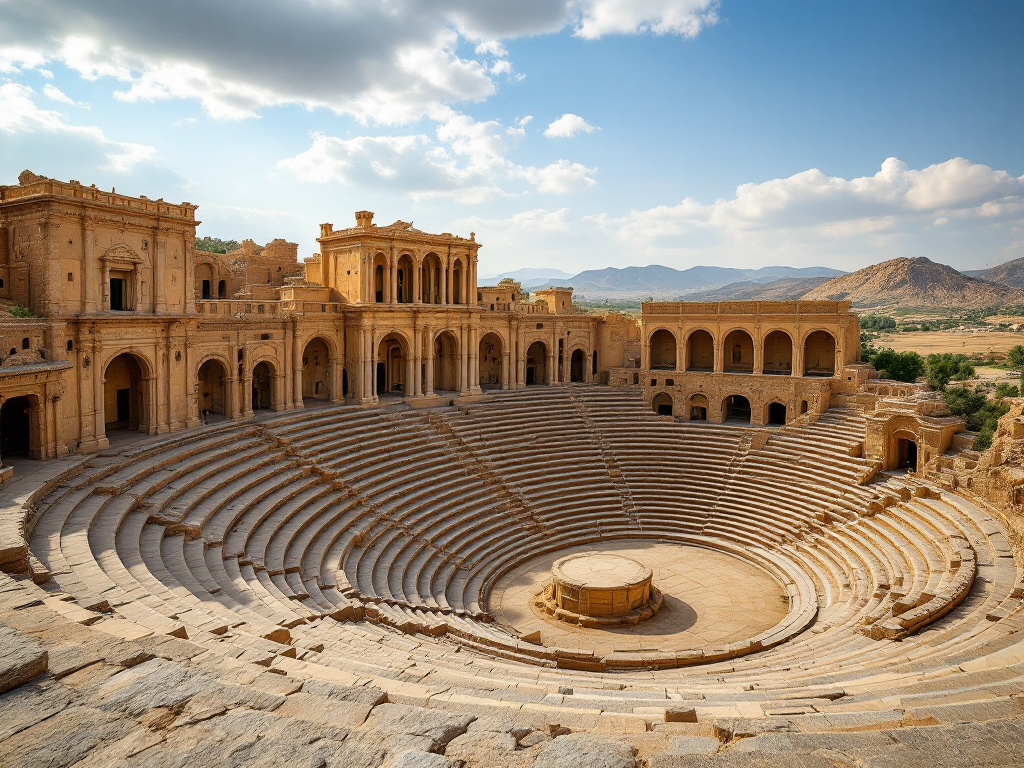
The Roman Theatre in Bosra
An impressive Roman theatre built from black basalt, known for its state of preservation.
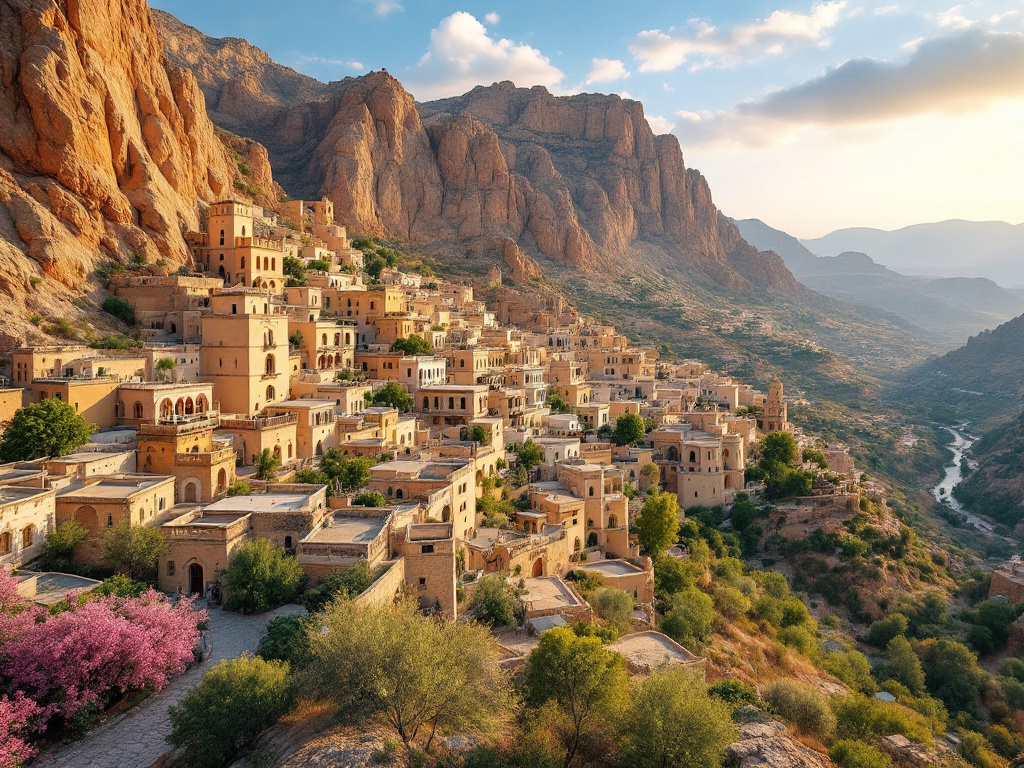
Maaloula
A historical mountain village known for its Christian heritage and the use of Aramaic.
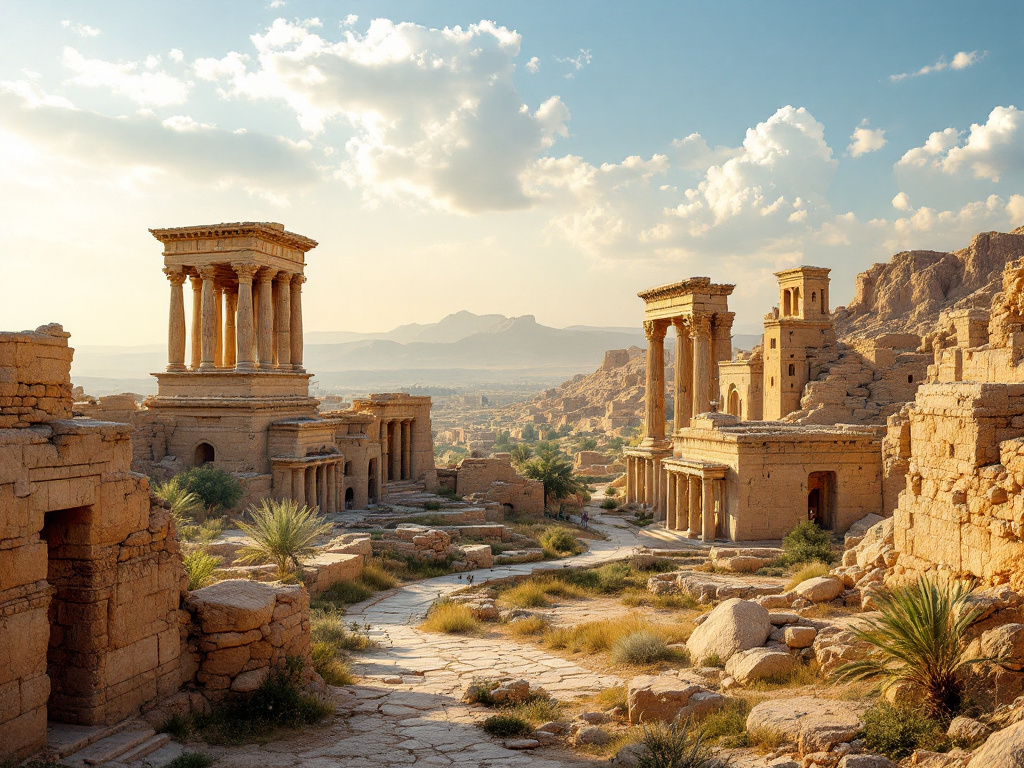
The Ruins of Ugarit
The ruins of the ancient city of Ugarit, where one of the world's earliest alphabets was found.
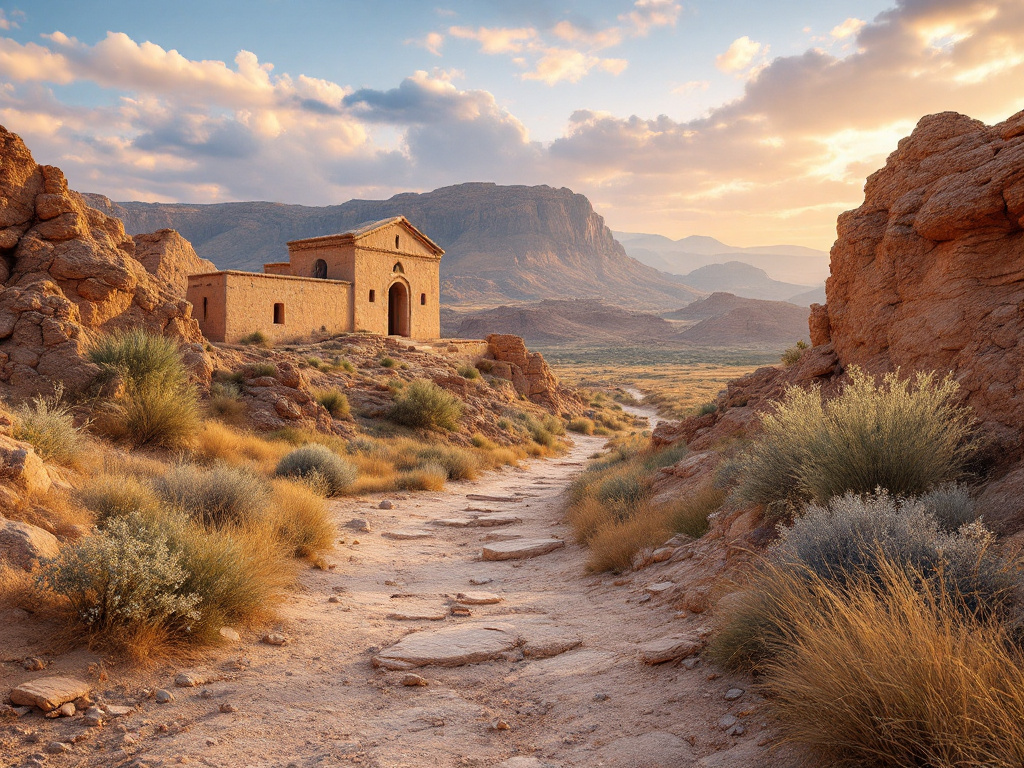
The Dead Cities
A collection of abandoned cities from late antiquity, offering insight into life over 1500 years ago.
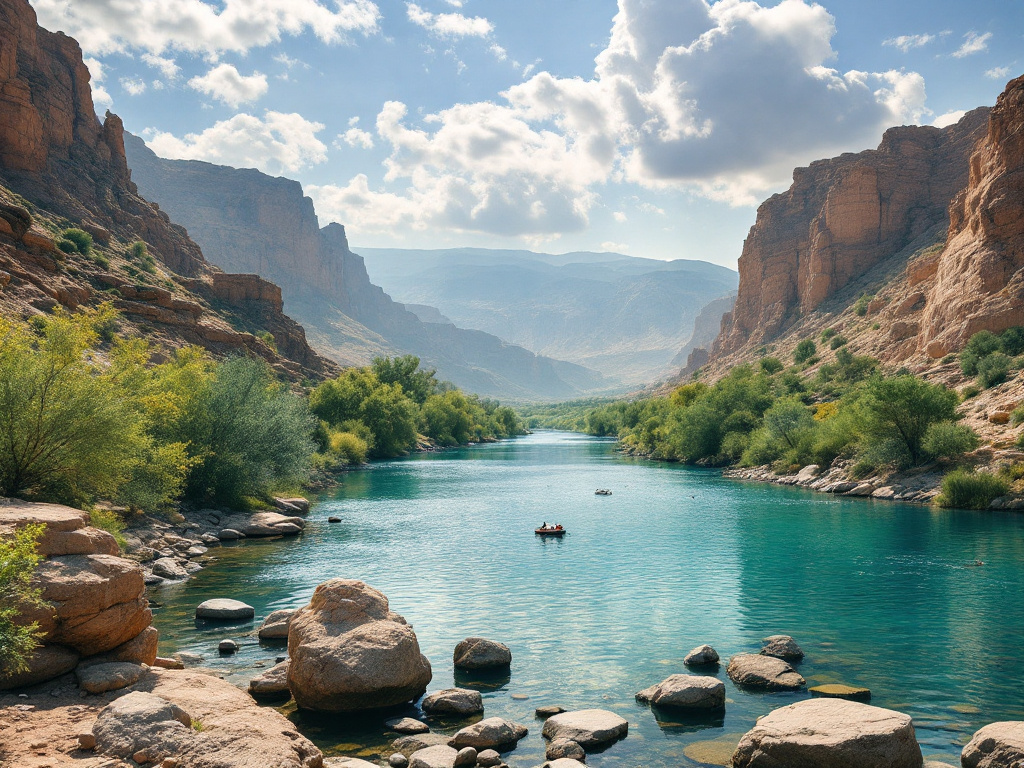
The Euphrates River
A historic river that has been the foundation for civilizations and continues to shape the landscape.
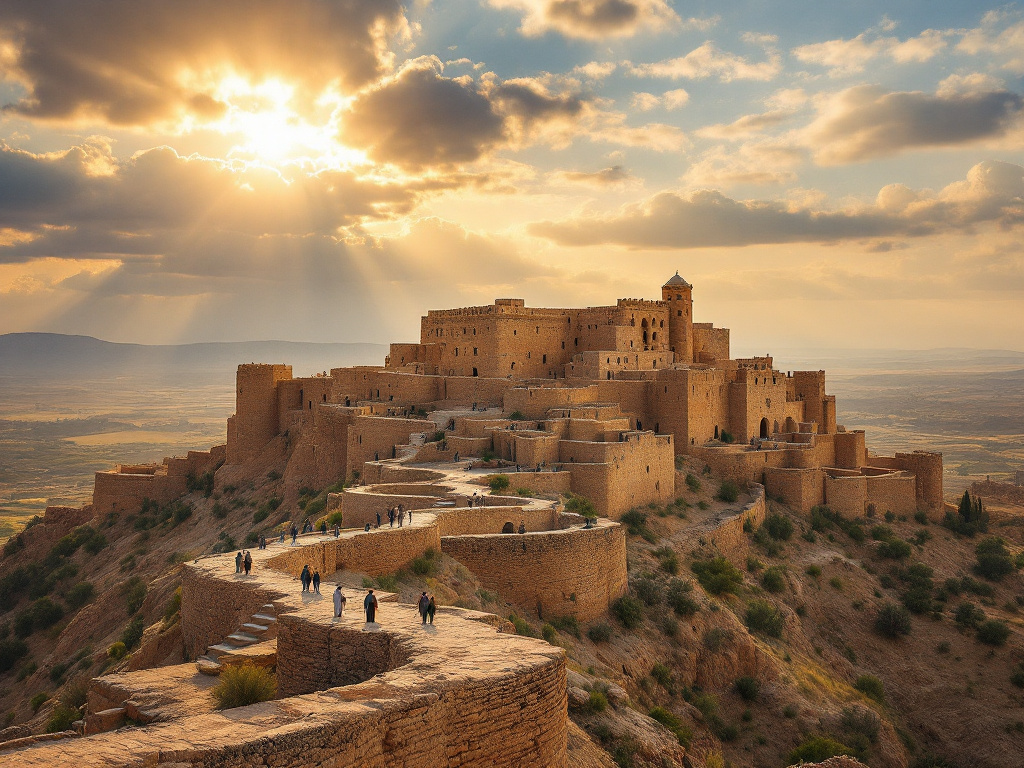
Qalat Salah el-Din
A dramatic medieval castle located in green surroundings with significant historical importance.
Famous cuisine
Culinary overview
Syrian cuisine is a rich blend of Arabic, Mediterranean-inspired, and Middle Eastern flavors shaped by millennia of trade and cultural exchange. The food culture is centered around fresh ingredients, spices like cinnamon, cumin, and sumac, as well as a balance between meat dishes, vegetarian specialties, and sweet desserts. Meals are often enjoyed communally, and hospitality is an important part of the dining experience. From fragrant streets filled with shawarma stands to lavish mezze tables in traditional restaurants, Syria offers a culinary journey through history and culture.
Must-try dishes
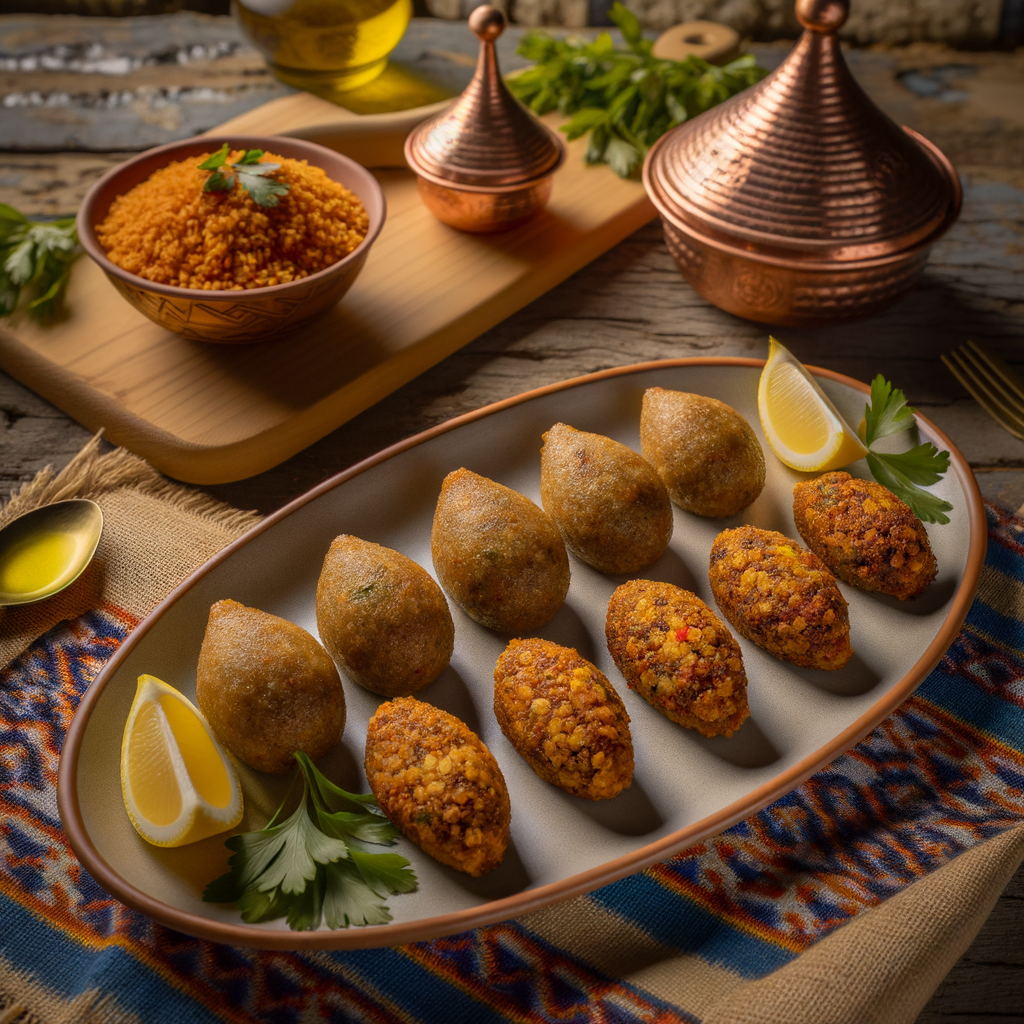
Kibbeh
A national dish made of bulgur, minced meat (typically lamb or beef), and spices, often shaped into small oval balls and either fried, baked, or served raw as 'kibbeh nayyeh.'
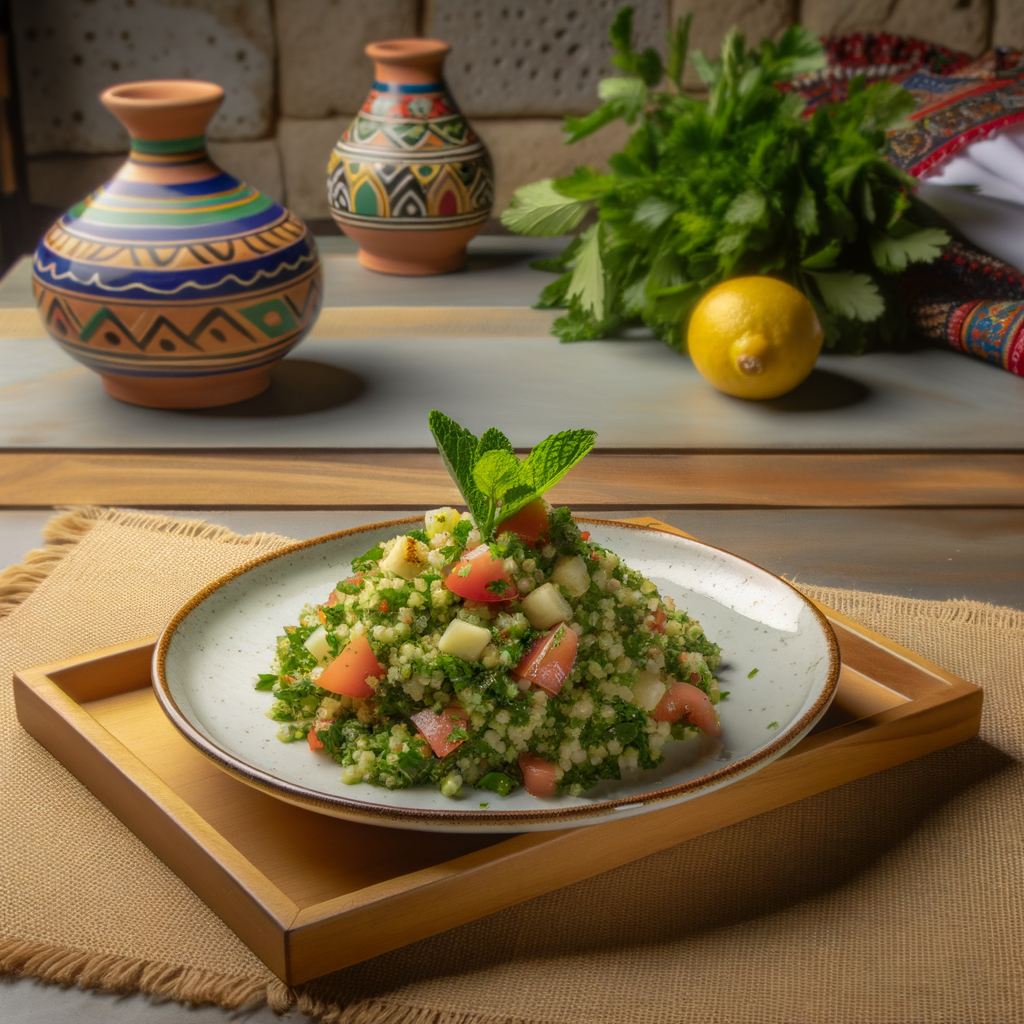
Tabbouleh
A fresh salad of finely chopped parsley, mint, tomato, onion, and bulgur, seasoned with olive oil, lemon juice, and salt. Often served as part of mezze.
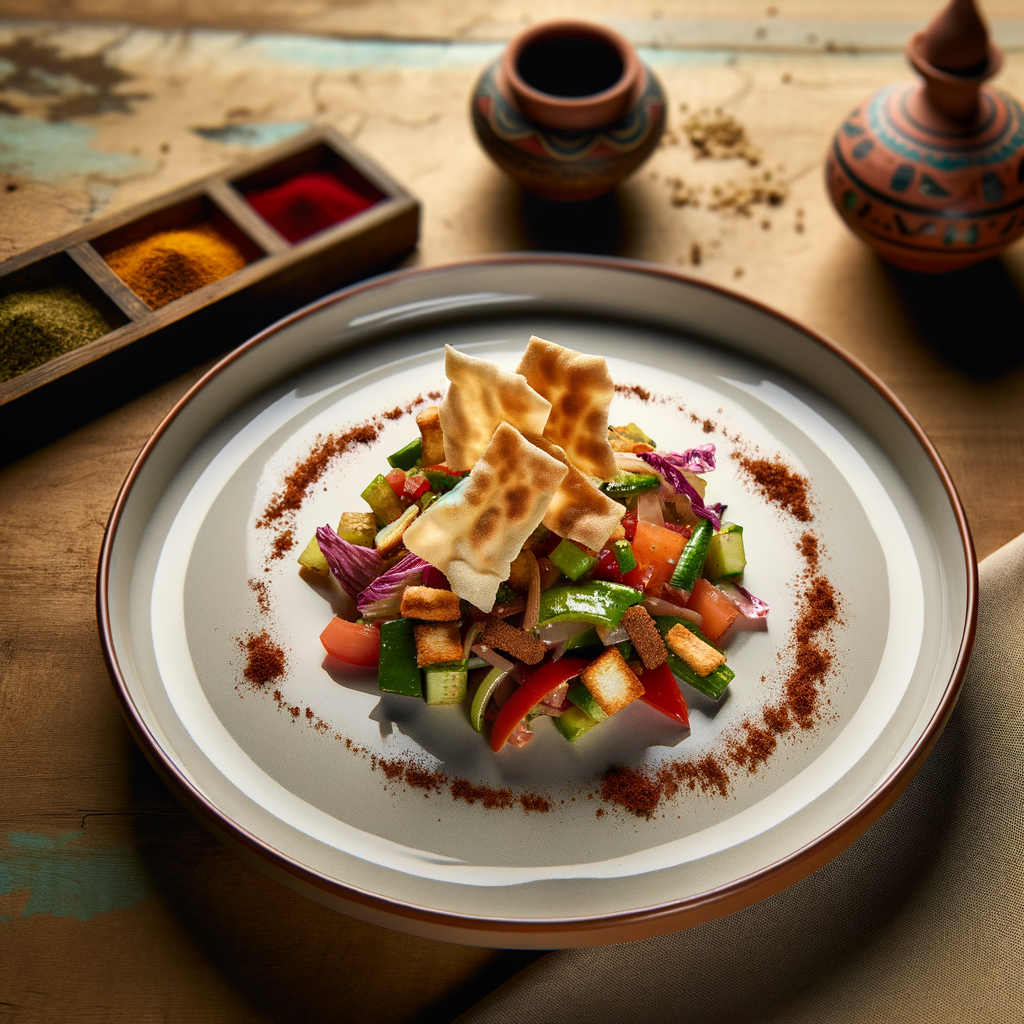
Fattoush
A crispy salad with mixed vegetables, seasoned with sumac and topped with toasted or fried pieces of flatbread.
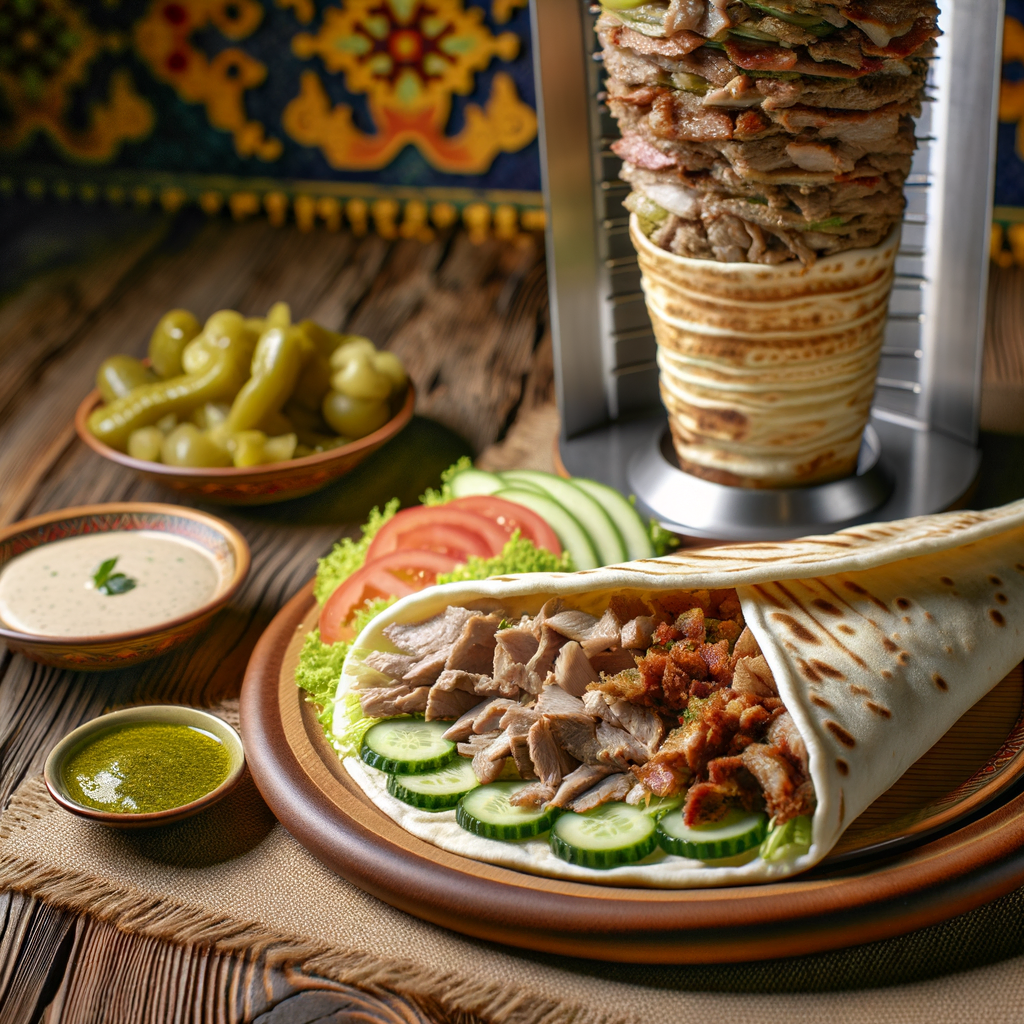
Shawarma
Marinated meat (often chicken or lamb) grilled on a vertical spit, sliced thinly and served in flatbread with tahini, vegetables, and pickles.
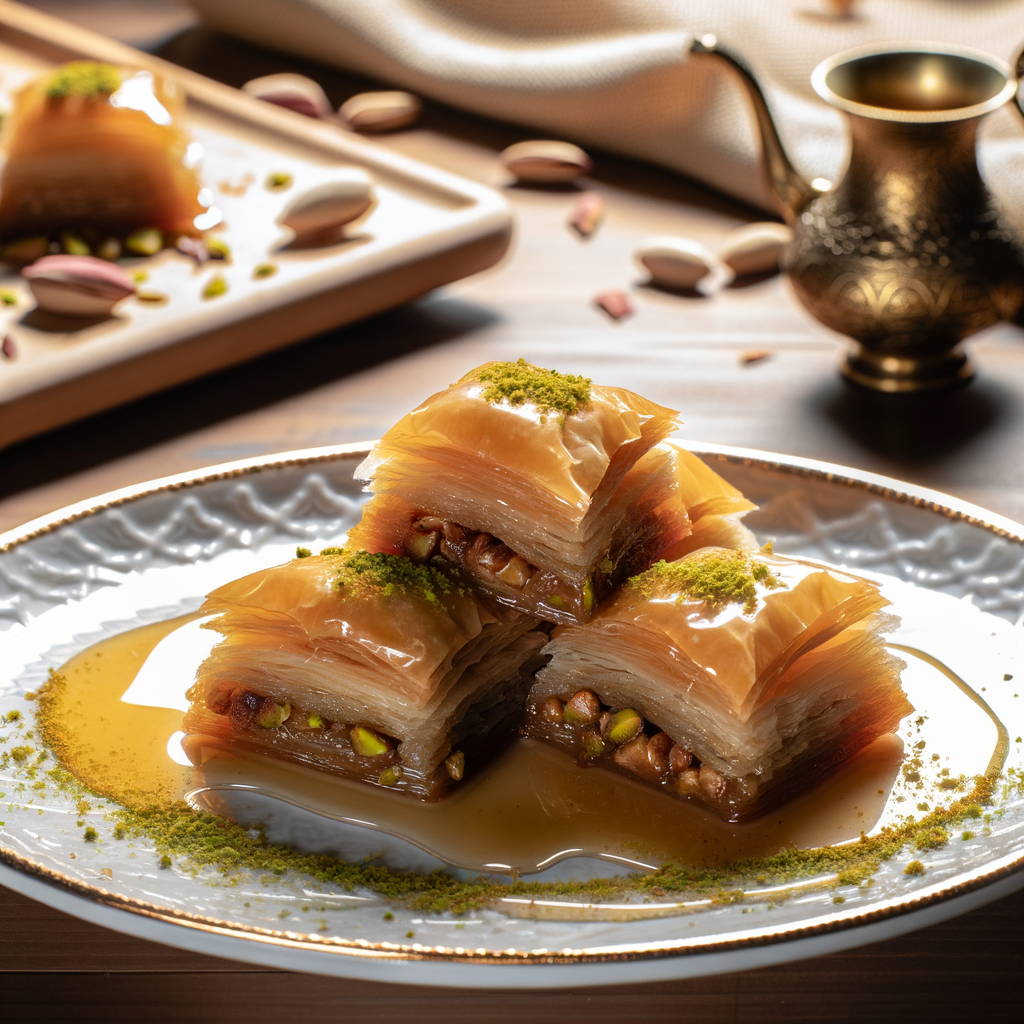
Baklava
A sweet dessert made of layers of phyllo pastry filled with chopped nuts and sweetened with syrup or honey, often flavored with cinnamon or cardamom.
Restaurant information
Tipping
Tips are not always obligatory, but it is common to round up or leave about 5-10% of the bill as a thank you for good service.
Travel information
Currency
Syrisk pund (SYP)
Language
Arabic
Best time to visit
Not recommended due to safety risks
Major cities
Damaskus and other major cities
More countries in Asia
Discover more destinations in this region