
Eswatini (Swaziland)
Eswatini, Africa's charming kingdom, is a treasure trove of vibrant culture, thrilling adventures, and breathtaking landscapes within its small but unforgettable borders.
Overview
Discover eSwatini – Africa's charming little kingdom where stunning nature, rich cultural heritage, and authentic experiences seamlessly intertwine. From the wild savannahs of Hlane Royal National Park to the majestic peaks of Sibebe Rock, this captivating destination offers unforgettable adventures. Dive into Swazi traditions at Mantenga Cultural Village, explore world-class craftsmanship at Ngwenya Glass Factory, and savor local dishes like sishwala and braai. With ideal weather from May to September, eSwatini stands as the perfect getaway for those eager to explore both nature and culture.
Official language
Swati
Government
Absolute monarchy
Best time to visit
May to September
Nature
eSwatini boasts a breathtaking tapestry of landscapes, from dramatic mountain ranges to expansive savannas and lush valleys. Adventure seekers will find paradise in Hlane Royal National Park, home to majestic wildlife such as rhinoceroses, lions, and elephants, rich with bird species that enchant nature lovers. For those wanting a more tranquil experience, the Mlilwane Wildlife Sanctuary offers peaceful walking trails and cycling routes, where you can see zebra and antelope in their natural habitats. Climbing Sibebe Rock, one of the world's largest freestanding granite formations, is a must for hikers seeking breathtaking views. The rivers that weave through the country present exhilarating opportunities for rafting and kayaking, while the green hills and valleys are perfect for mountain biking. With a dry and sunny climate from May to September, this is the ideal time to enjoy outdoor adventures amidst nature's beauty in eSwatini.
Travel to Eswatini (Swaziland)
Traveling to eSwatini is like stepping into a world where nature and culture merge beautifully. Conveniently accessible from both South Africa and Mozambique, it makes for an ideal stop on any Southern Africa journey. In just a few days, you can experience the thrill of a safari in Hlane Royal National Park, hike the stunning Sibebe Rock, and gain insights into Swazi culture in Mantenga. The dry and pleasant climate from May to September enhances outdoor activities. Accommodation ranges from luxury lodges to cozy guesthouses, and the renowned warmth of the local people ensures a welcoming experience. Visiting eSwatini promises authentic encounters away from mass tourism, offering a chance to discover something truly unique, blending adventure with immersion in vibrant culture.
Culture
The culture of eSwatini is deeply rooted in traditions that are vibrantly celebrated today. The country is renowned for its colorful ceremonies, such as the Umhlanga (Reed Dance) and Incwala, where dance, song, and traditional attire create a captivating atmosphere. Visitors can immerse themselves in daily life in the Mantenga Cultural Village, where traditional huts, craftsmanship, and folk dance come to life. Artistry shines at the Ngwenya Glass Factory, showcasing how sustainable practices transform recycled glass into stunning art pieces. Music and dance play a vital role in community expression, often accompanied by drums that tell the stories of the nation’s rich history and values. Culinary delights such as sishwala, braai, and emahewu offer authentic tastes of Swazi cuisine. Legendary for their hospitality, the people of eSwatini welcome visitors with warm smiles and a genuine desire to share their traditions and way of life.
History
eSwatini, once known as Swaziland, is steeped in a history marked by royal tradition and resilience. The Swazi people have inhabited the region since the 1700s, with the monarchy playing a crucial role in preserving the national identity. During the colonial era, eSwatini navigated pressures from both British and Boer influences while remarkably maintaining its independence through astute diplomacy. In 1968, eSwatini gained full independence from Britain and remains one of the few absolute monarchies in existence today. The name change to eSwatini in 2018 symbolizes a return to its original Swazi name, reaffirming the nation’s cultural heritage and strengthening national pride.
Top attractions
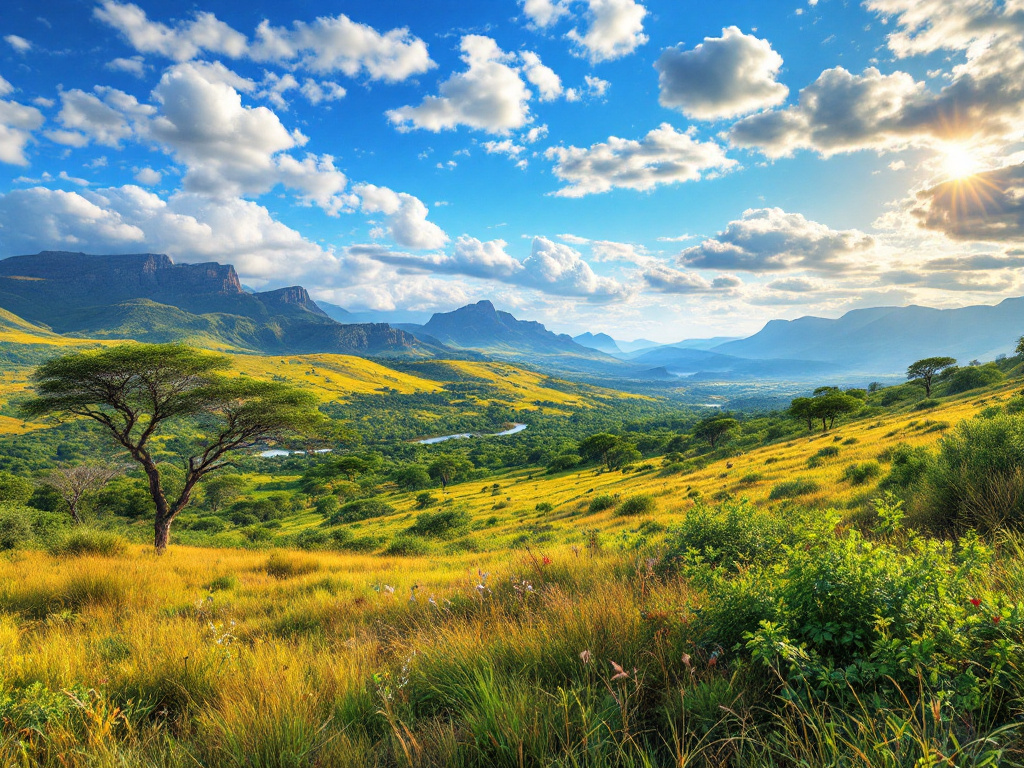
Mlilwane Wildlife Sanctuary
A peaceful wildlife reserve known for open landscapes, easy access to wildlife, and family-friendly activities.
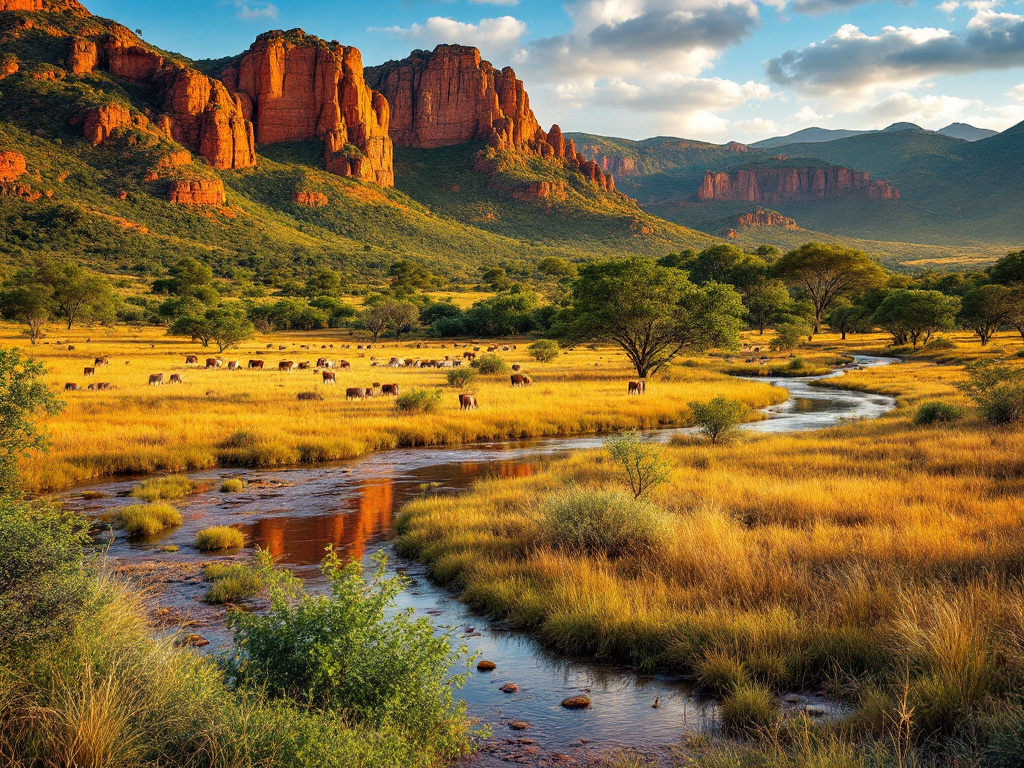
Hlane Royal National Park
The country's largest national park with classic African safari and impressive wildlife.
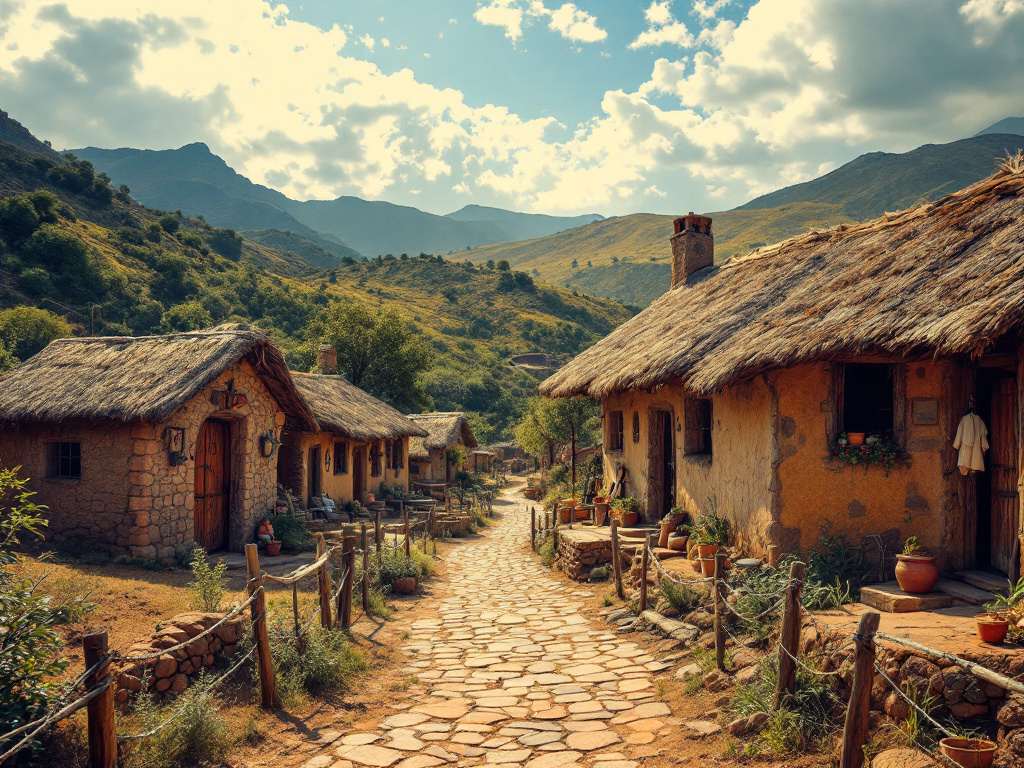
Mantenga Cultural Village
A reconstructed traditional Swazi village that provides insight into eSwatini's culture and history.
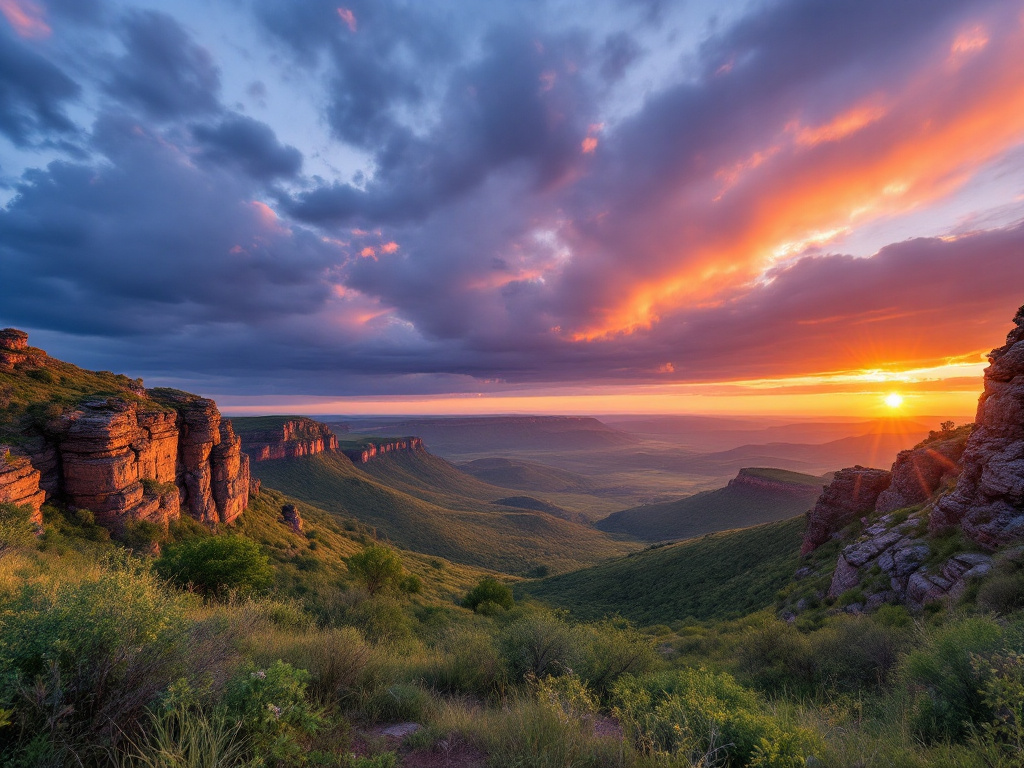
Mantenga Falls
A beautiful waterfall located in Mantenga Nature Reserve near Ezulwini.
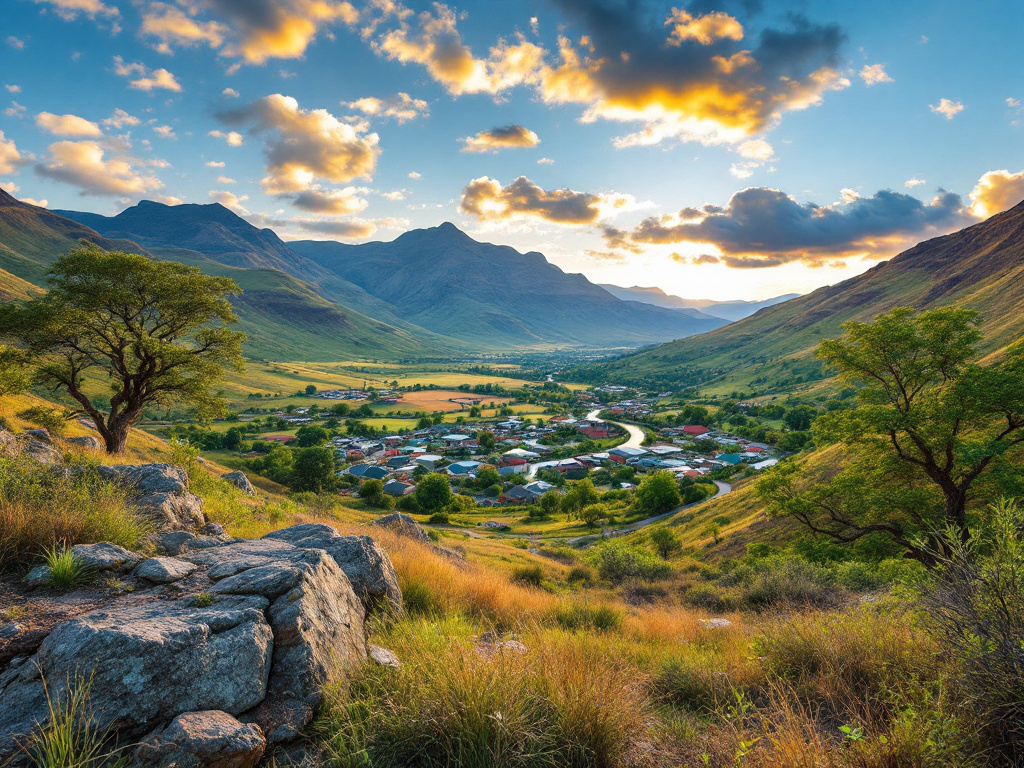
Ngwenya Glass Factory
Famous glass factory producing beautiful crafts made from 100 percent recycled glass.
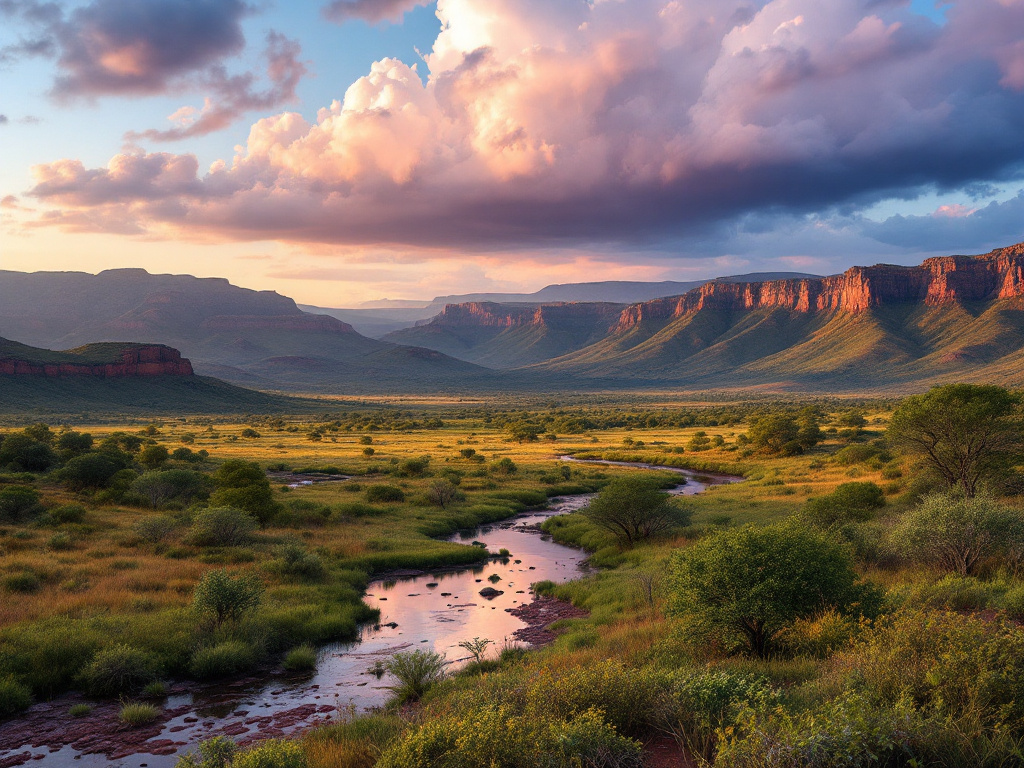
Malolotja Nature Reserve
A wild and scenic reserve with dramatic gorges and quiet hiking trails.
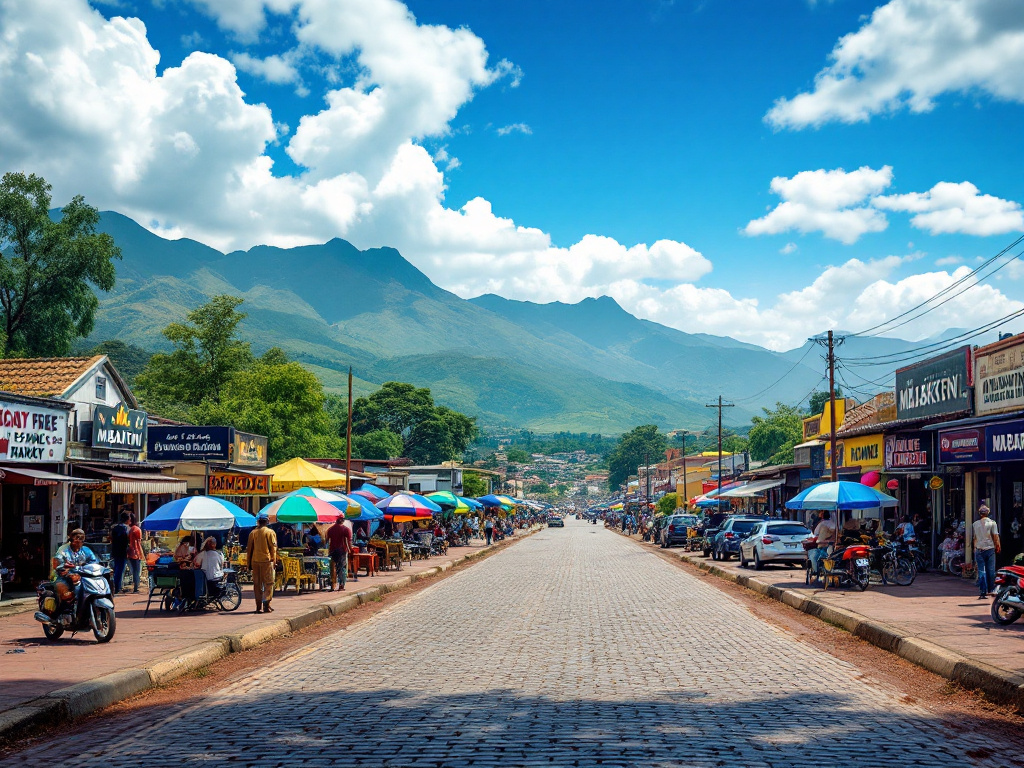
Mbabane Market
A lively local market where you can experience everyday life in eSwatini's capital.
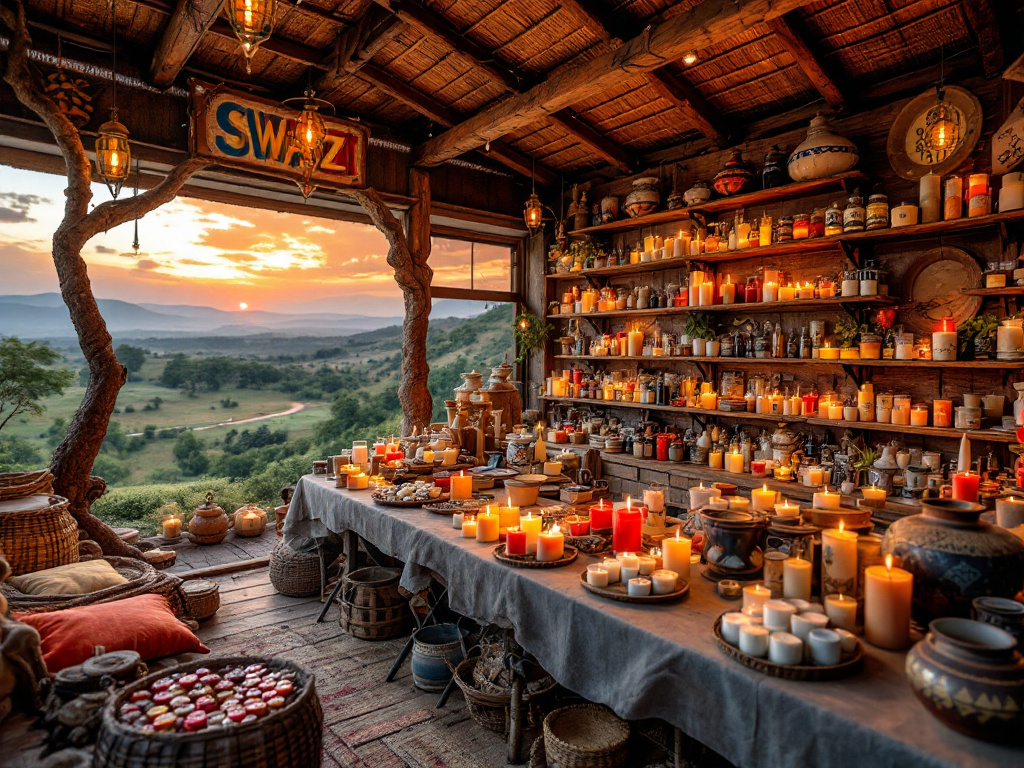
Swazi Candles Center
A creative center known for colorful, handmade candles and local crafts.
Sheba's Breast Waterfall
A dramatic waterfall with impressive views over northwestern eSwatini.
Famous cuisine
Culinary overview
eSwatini's cuisine is an exciting blend of traditional Swazi dishes and influences from Southern Africa. Local ingredients such as maize, beans, vegetables, and meat form the basis of many meals. The food culture is closely linked to the country's social and cultural life, where meals are often shared communally. Guests can experience everything from simple street food to exclusive restaurants, where local ingredients are combined with modern culinary techniques. Traditional drinks like emahewu and local beers also play an important role in festive contexts.
Must-try dishes
-sishwala.webp)
Sishwala
A thick maize meal, often served with meat stews or vegetable dishes. Sishwala is a staple food in eSwatini and is eaten daily by many families.
-braai.webp)
Braai
A South African-inspired grilling tradition, where meats like beef, lamb, or chicken are grilled over an open fire and served with salads and bread.
-emahewu.webp)
Emahewu
A fermented maize drink, slightly sour and refreshing, often consumed as a cooling drink on hot days.
-sidvudvu.webp)
Sidvudvu
A traditional pumpkin dish, cooked with maize flour and sugar, resulting in a sweet and creamy flavor.
-stegte-grøntsager.webp)
Stegte grøntsager
A simple but flavorful side dish, often consisting of seasonal vegetables sautéed with spices.
Restaurant information
Tipping
Tipping is not always expected in eSwatini, but appreciated. At restaurants, a 10% tip is appropriate if service is not already included in the bill.
Travel information
Currency
Lilangeni (SZL)
Language
Swati
Best time to visit
May to September
Major cities
Mbabane and other major cities
More countries in Africa
Discover more destinations in this region