
Tanzania
Tanzania, the heart of East Africa, offers breathtaking safaris with wild animals, unspoiled beaches, and vibrant cultures, crowned by the majestic Mount Kilimanjaro and the idyllic Zanzibar archipelago.
Overview
Tanzania is the heartbeat of East Africa and a true paradise for adventurous travelers. Home to the endless plains of the Serengeti, the majestic Mount Kilimanjaro, the unique ecosystem of the Ngorongoro Crater, and the pristine beaches of Zanzibar, this country perfectly blends unforgettable safari experiences with vibrant cultures and warm hospitality. Whether exploring the iconic wildlife, indulging in local cuisine, or soaking up the rich history, every visit to Tanzania creates cherished memories that linger in the heart.
Official language
Swahili
Government
republic
Best time to visit
June-October (dry season)
Nature
Tanzania boasts some of the world's most diverse and breathtaking landscapes, making it a paradise for nature lovers and adventure seekers. The iconic Serengeti National Park is renowned for the annual migration of millions of wildebeest and zebras, a spectacular natural event that showcases the raw beauty of wildlife in action. Rising majestically on the horizon is Mount Kilimanjaro, Africa's highest peak, which invites climbers to conquer its heights while offering stunning panoramic views. In the Ngorongoro Crater, a unique ecosystem thrives with lions, rhinos, elephants, and flamingos coexisting in harmony. Tarangire National Park is known for its large elephant herds and distinctive baobab trees, while the Selous Game Reserve presents a pristine wilderness teeming with birdlife. Along the coast and on the islands of Zanzibar, you'll find powdery white beaches, vibrant coral reefs, and crystal-clear waters, perfect for snorkeling and diving. The best time to visit is during the dry season from June to October, when wildlife spotting is at its peak and the weather is perfect for outdoor adventures.
Travel to Tanzania
Traveling to Tanzania is an invitation to immerse yourself in a land where adventures and beauty converge. Embarking on a safari in the Serengeti during the great migration is a once-in-a-lifetime experience, while climbing Kilimanjaro challenges both body and soul. The Ngorongoro Crater provides a close encounter with a rich array of wildlife, and Tarangire is famous for its iconic elephant herds. After exhilarating days on the mainland, unwind on the beaches of Zanzibar, explore the cultural heritage of Stone Town, and savor freshly caught fish infused with local spices. The best time to visit is during the dry season from June to October, when wildlife is more visible and the climate is ideal for both safari and beach relaxation. With a welcoming population, extraordinary nature, and rich cultural heritage, Tanzania is a destination that appeals to adventurers, nature enthusiasts, and culture lovers alike.
Culture
The culture of Tanzania is a vibrant tapestry woven from a multitude of traditions, languages, and lifestyles. Dominated by Swahili culture along the coastal regions, it has been shaped over centuries by trade and interaction among African, Arab, Indian, and European influences. In the historic alleys of Stone Town, Zanzibar, the aromas of spices blend with the sights of intricately carved wooden doors and rich historical architecture. In the interior, the Maasai people preserve their traditional way of life, adorned in vivid red shuka and closely tied to cattle herding. Sites like the ruins of Kilwa Kisiwani speak of a magnificent trading past, while the Kondoa rock art narrates stories from prehistoric times. Tanzanian cuisine is an adventure in itself, featuring staples like ugali, flavorful Zanzibar pilaf, and grilled specialties such as nyama choma. Music and dance are central to daily life, with rhythms from taarab, bongo flava, and traditional drumming creating a lively atmosphere that fosters community spirit.
History
Tanzania's history is deeply rooted in both African traditions and international connections. For centuries, the coastal regions thrived as part of the flourishing Swahili trade network, exchanging gold, ivory, and spices with Arab, Indian, and later European merchants. Kilwa Kisiwani was one of the most powerful trade centers in the Indian Ocean, significantly shaping the region's identity. During the colonial era, Tanzania was first governed by the Germans as German East Africa, followed by British rule until gaining independence in 1961 under the name Tanganyika. In 1964, Tanganyika united with Zanzibar to form the United Republic of Tanzania. This rich history is characterized by resilience, cultural fusion, and a strong national identity, reflected in the country’s diverse heritage sites.
Top attractions
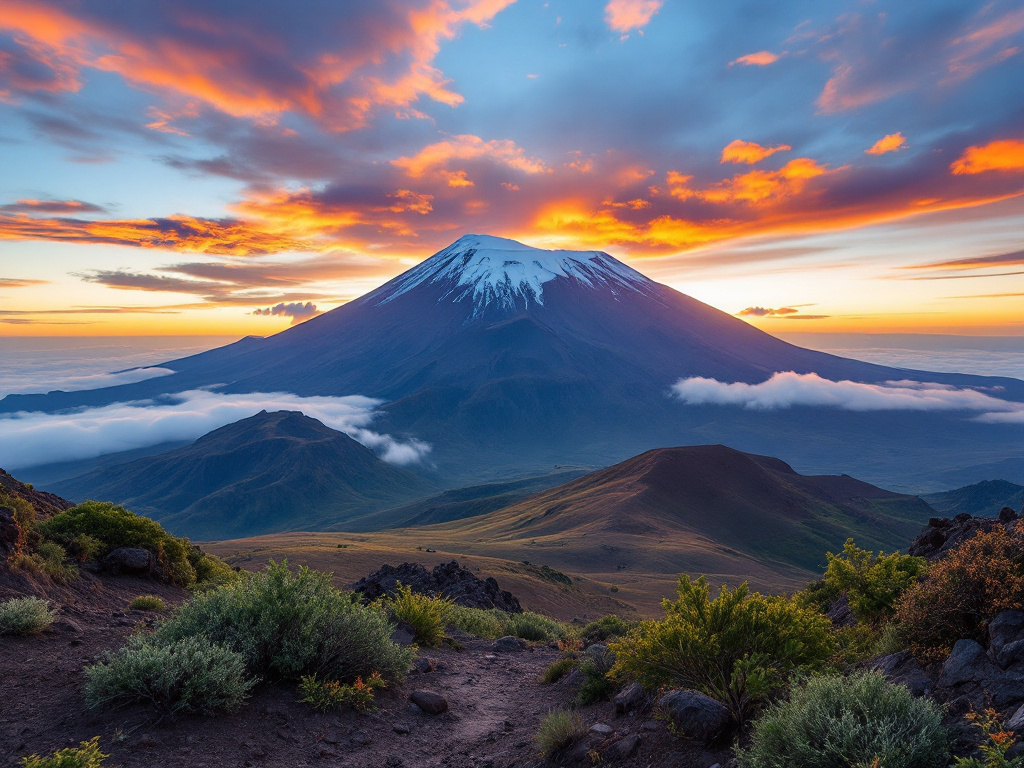
Kilimanjaro National Park
Africa's highest mountain and one of the world's most famous natural landmarks, known for its snow-capped peak and dramatic landscapes.
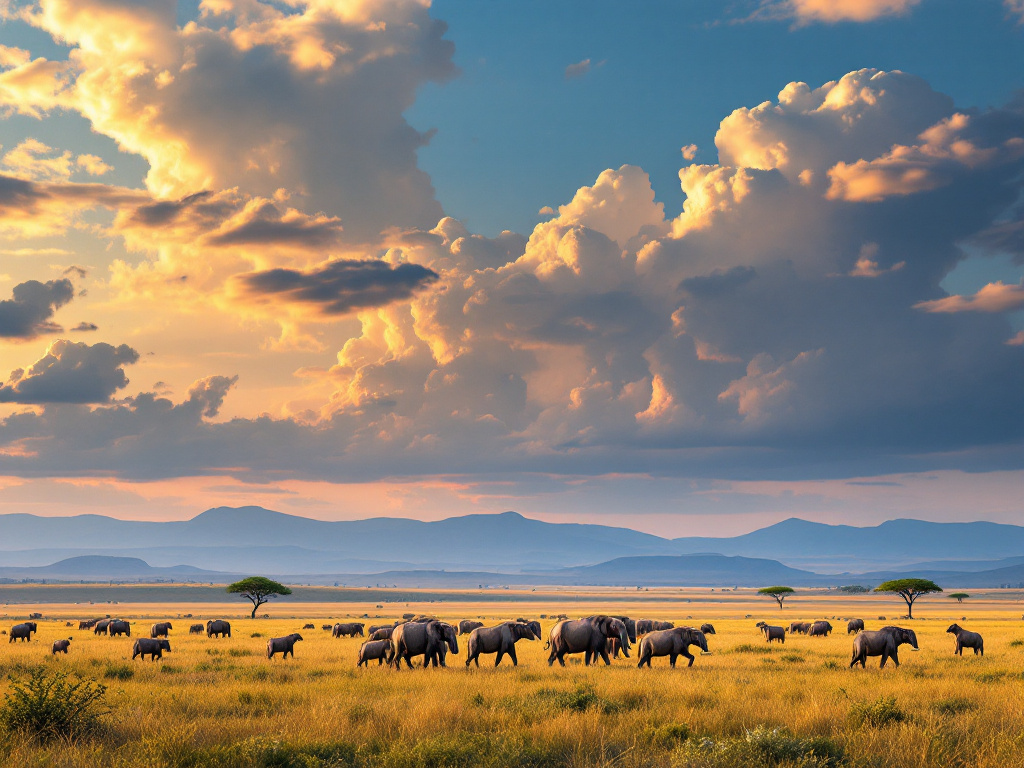
Serengeti National Park
World-famous safari park with huge animal populations and the annual migration of millions of animals.
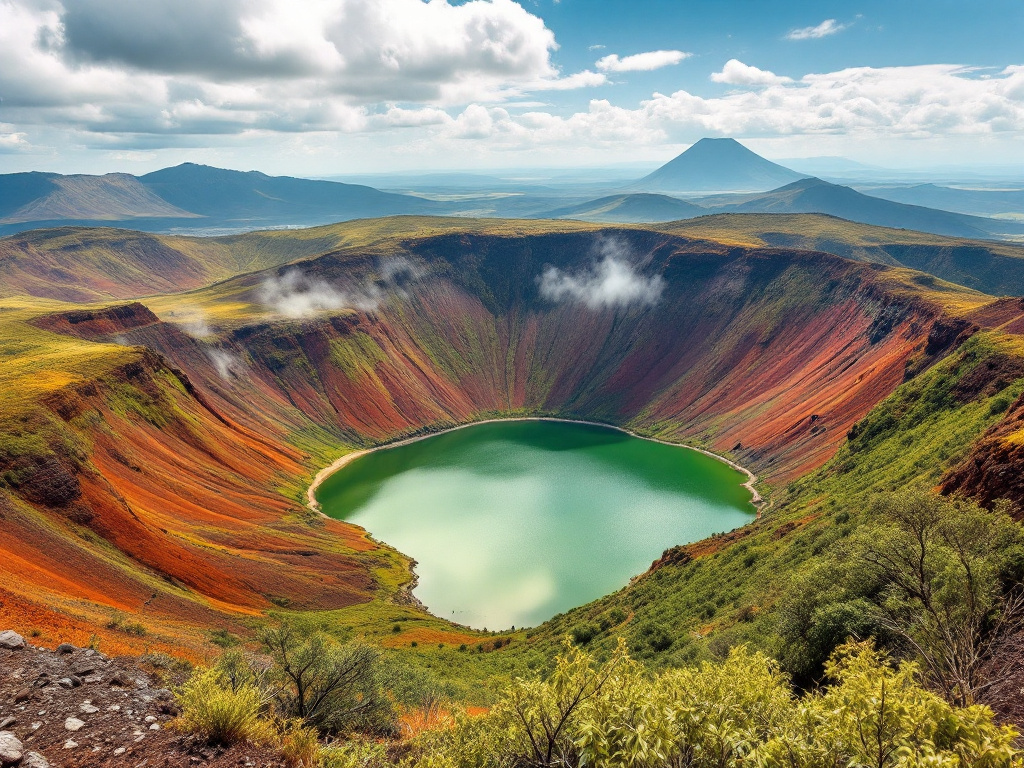
Ngorongoro Crater
A massive volcanic crater filled with wildlife and one of Africa's most concentrated safari areas.
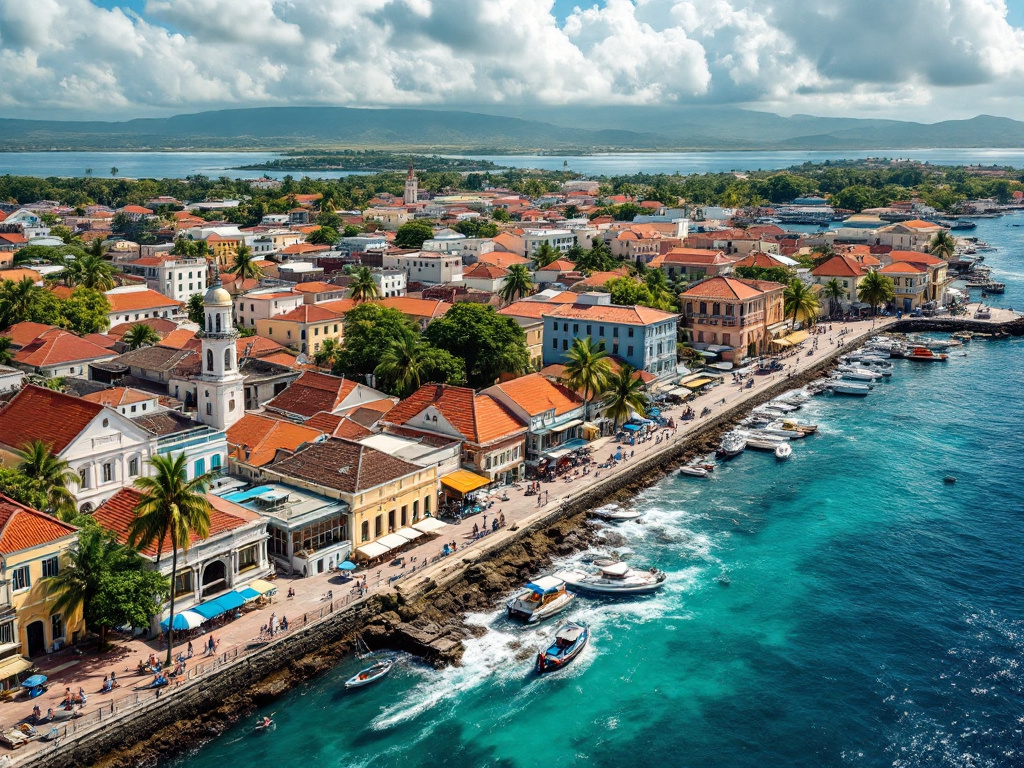
Stone Town
Zanzibar's historic heart with a unique blend of Arab, African, and European culture.
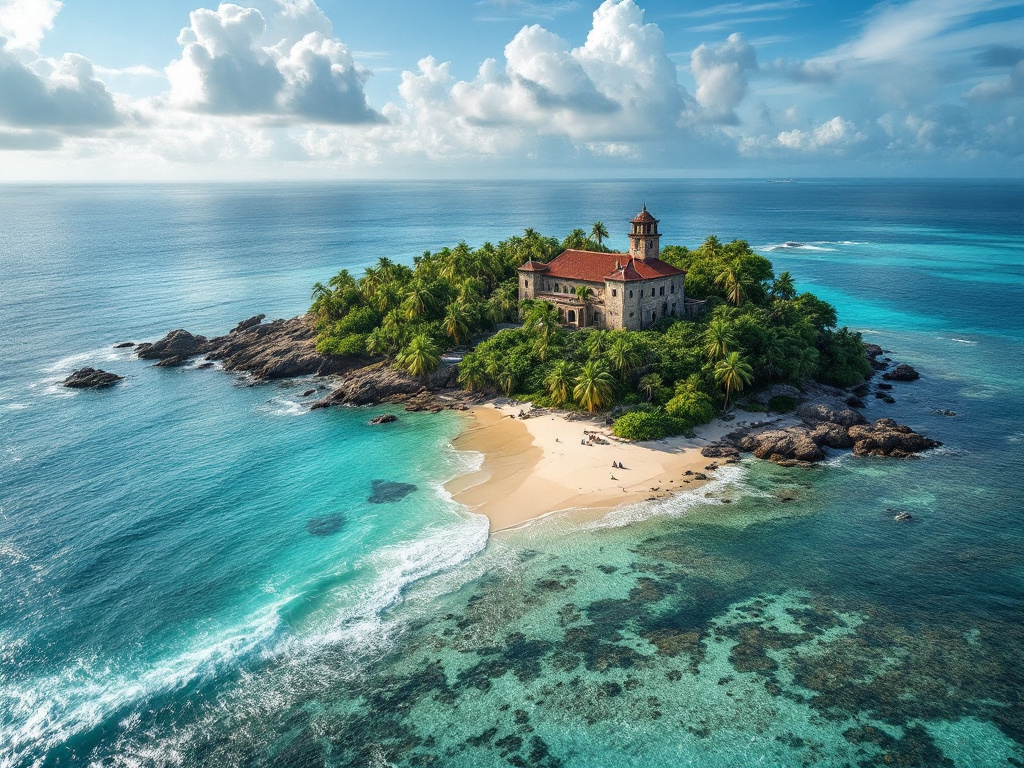
Prison Island
A small tropical island known for its giant tortoises, beaches, and historical buildings.
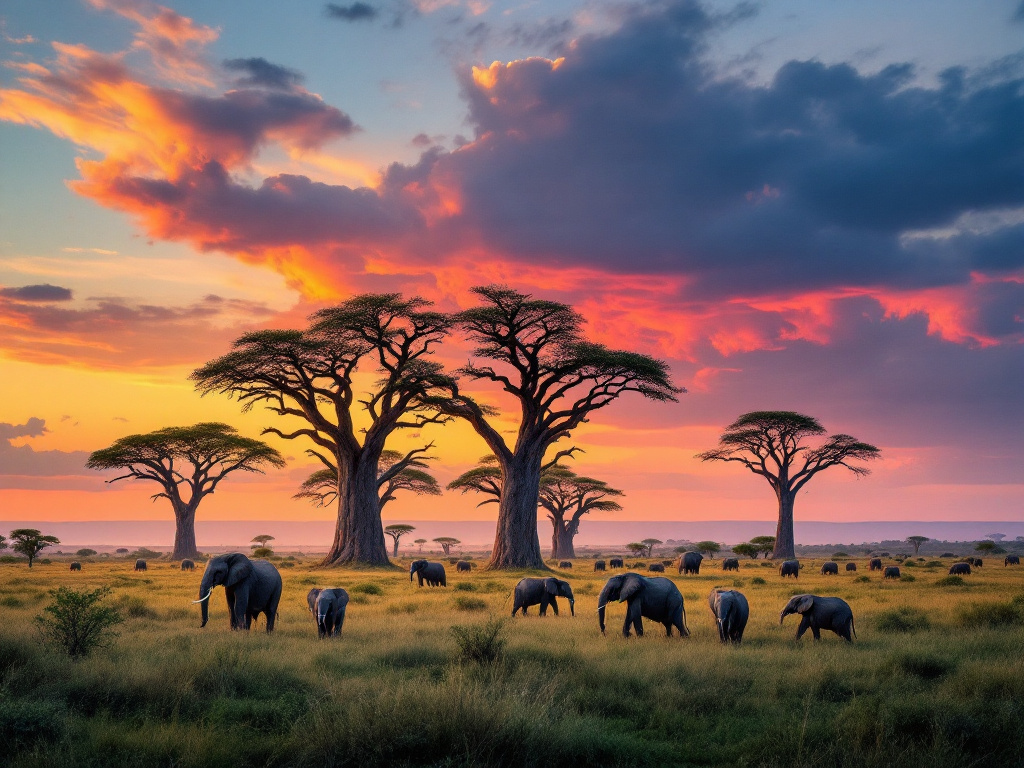
Tarangire National Park
A quieter safari park known for its large elephant populations and distinctive baobab trees.
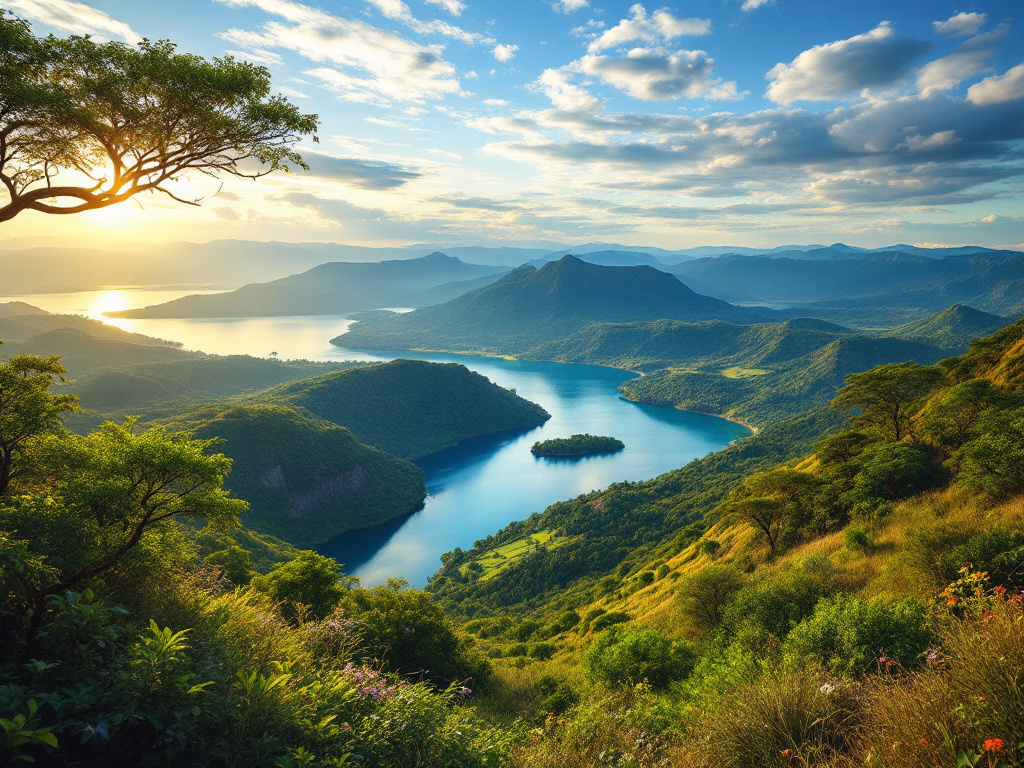
Lake Victoria near Mwanza
Africa's largest lake viewed from Tanzania, known for beautiful sunsets and local life in Mwanza.
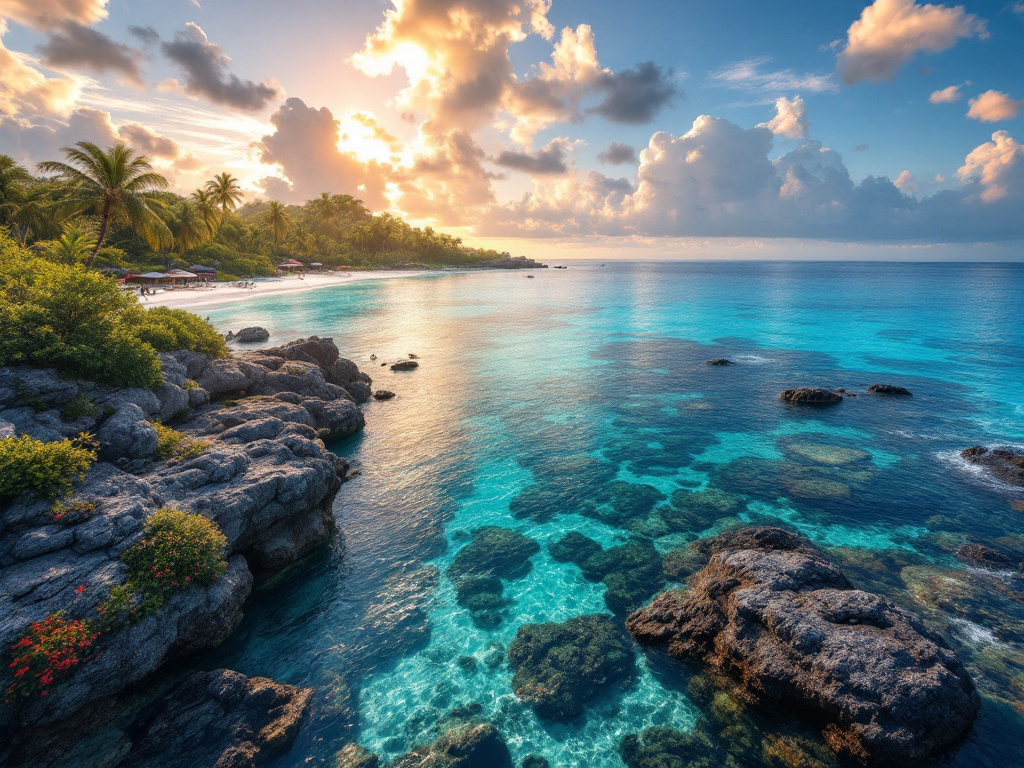
Mafia Island Marine Park
A peaceful marine paradise known for crystal-clear water, rich marine life, and sustainable tourism.
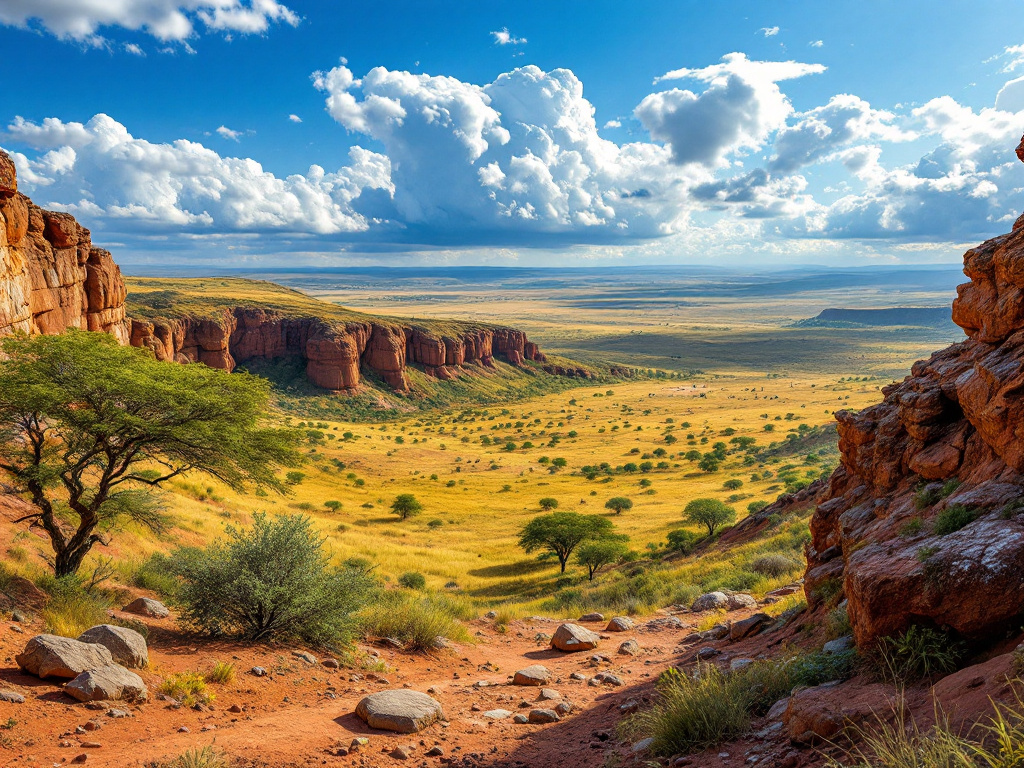
Olduvai Gorge
A world-famous archaeological site where some of the oldest human fossils have been found.
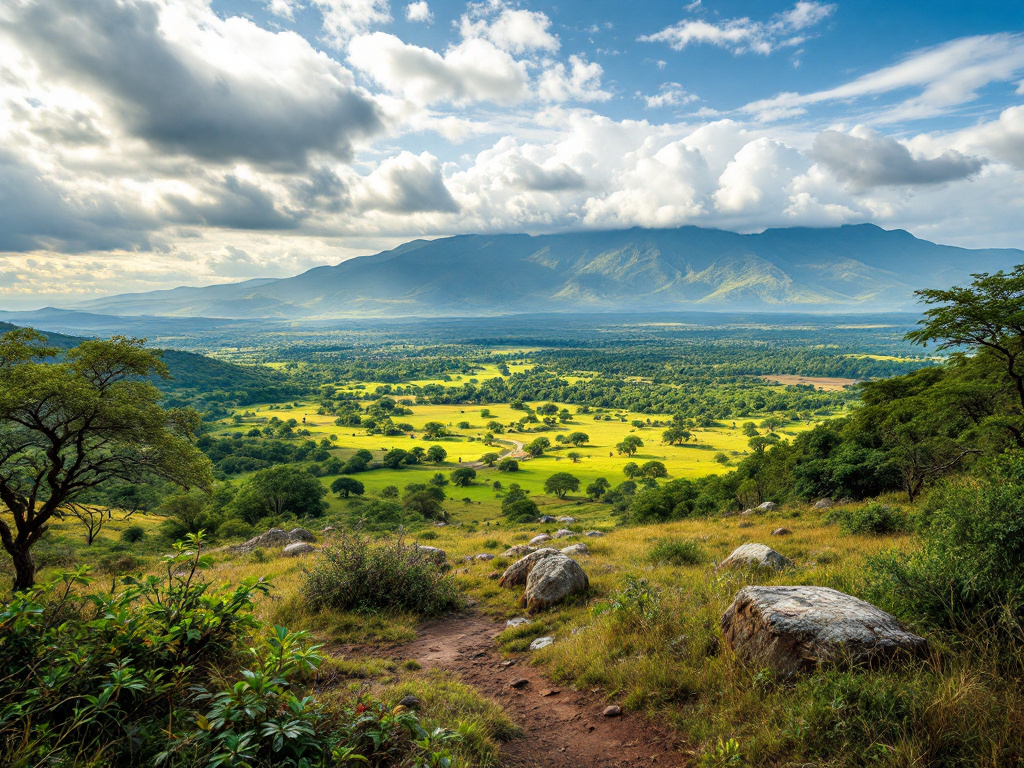
Arusha National Park
A diverse national park near Arusha with lakes, forests, and opportunities for active safari.
Famous cuisine
Culinary overview
Tanzanian cuisine is a melting pot of flavors from Africa, Arabia, India, and Europe. Along the coast and in Zanzibar, dishes are characterized by spices such as cinnamon, cardamom, and cloves, while the mainland offers hearty, filling meals based on maize, beans, and meat. Street vendors serve freshly grilled skewers, samosas, and sweet mandazi, while fish and seafood are delicacies along the coast. Meals are often social events, and hospitality is an important part of the food culture.
Must-try dishes
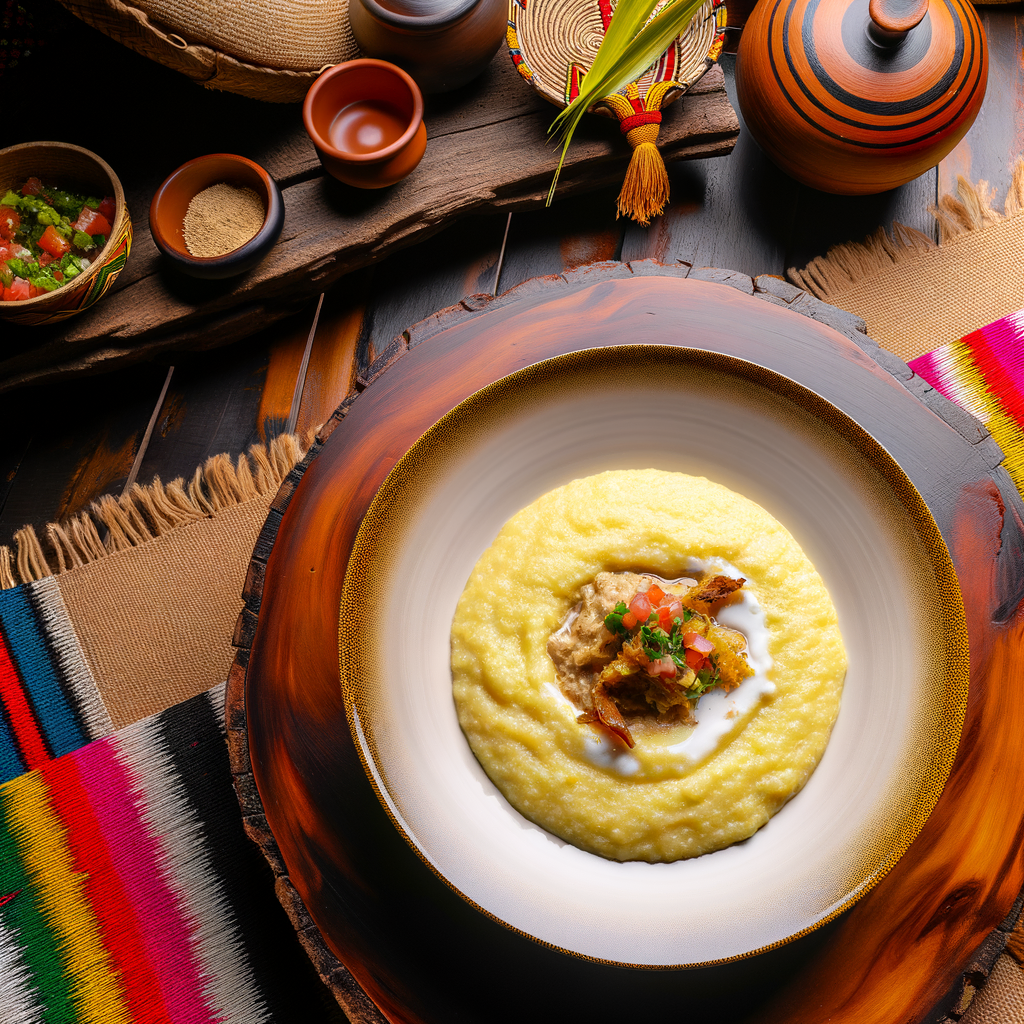
Ugali
A firm maize porridge that is a staple food in Tanzania. Often served as an accompaniment to meat, fish, or vegetable dishes and traditionally eaten with the hands.
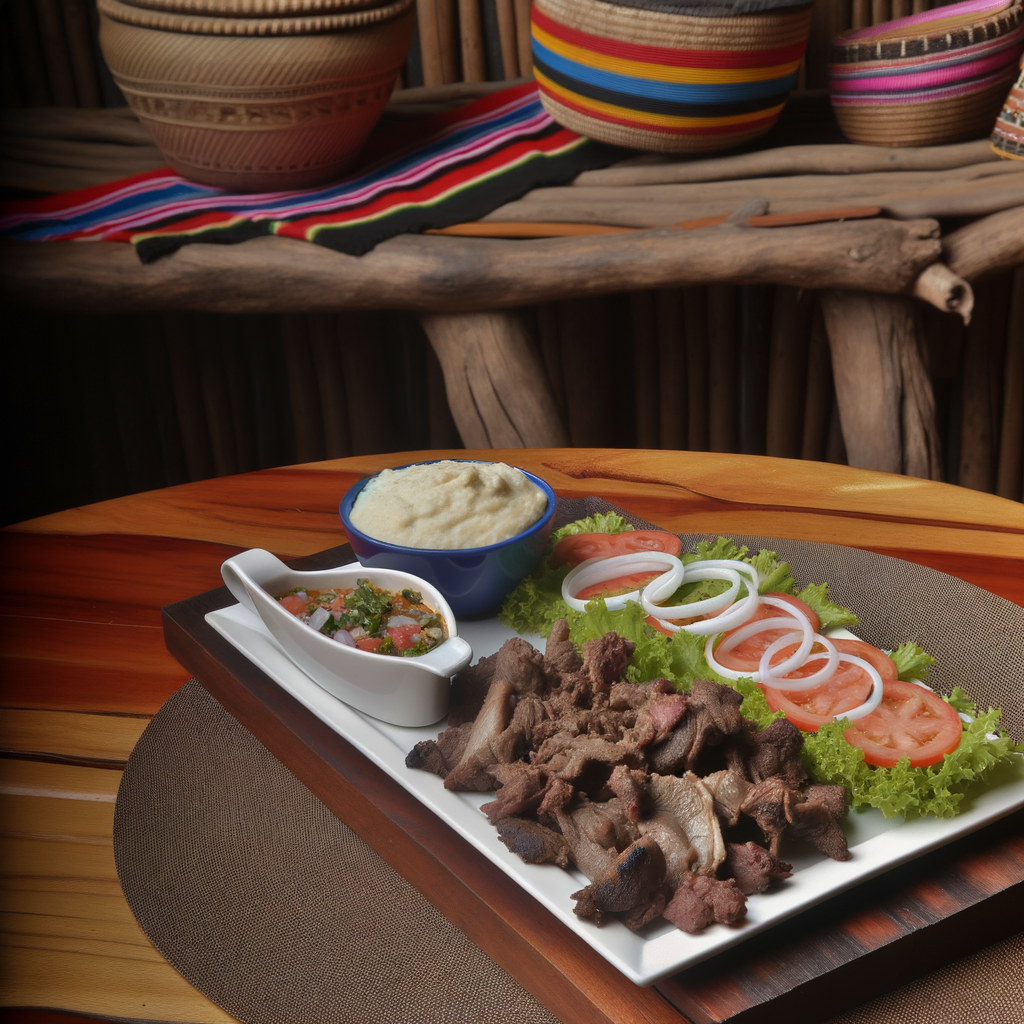
Nyama Choma
Grilled meat, typically goat or beef, simply spiced and served with salad, kachumbari (tomato-onion salad), and often ugali.
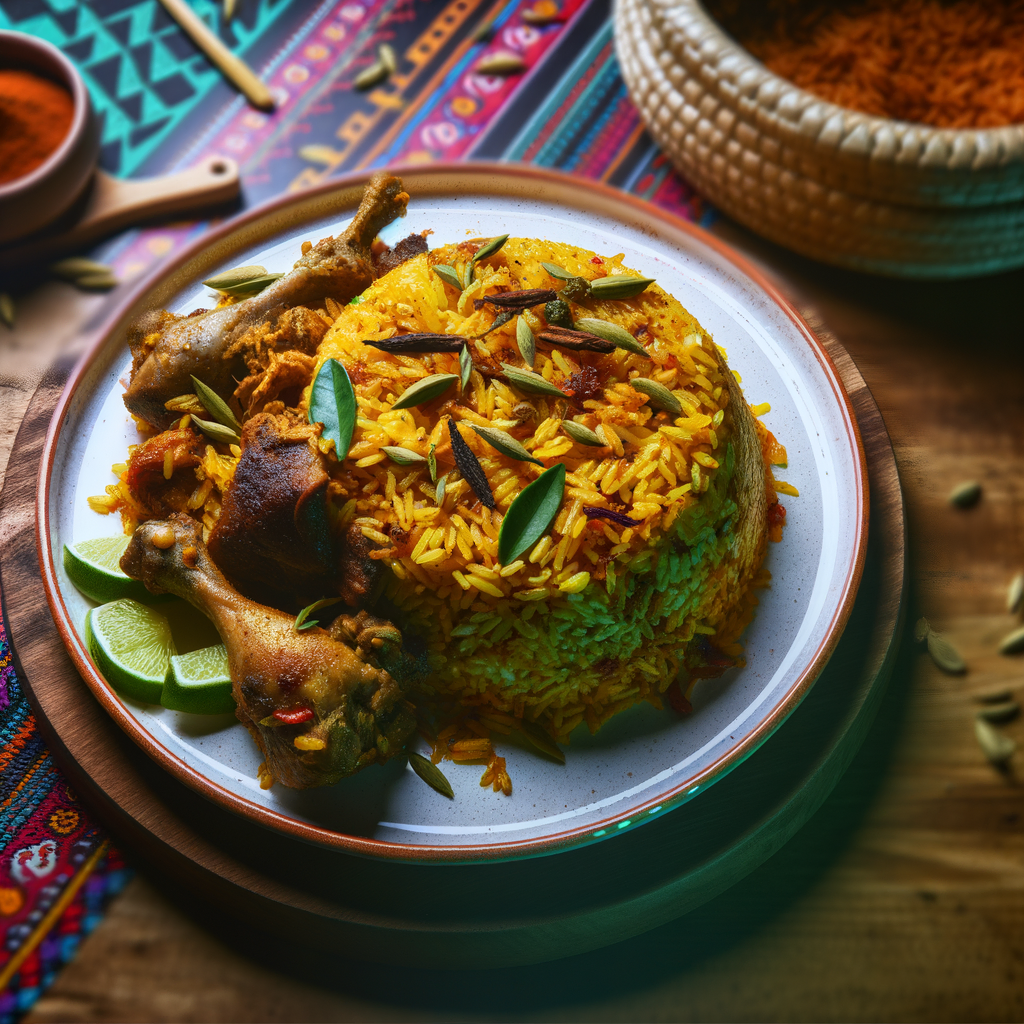
Zanzibar Pilau
Aromatic rice dish prepared with spices like cinnamon, cardamom, and cloves, often served with chicken or beef.
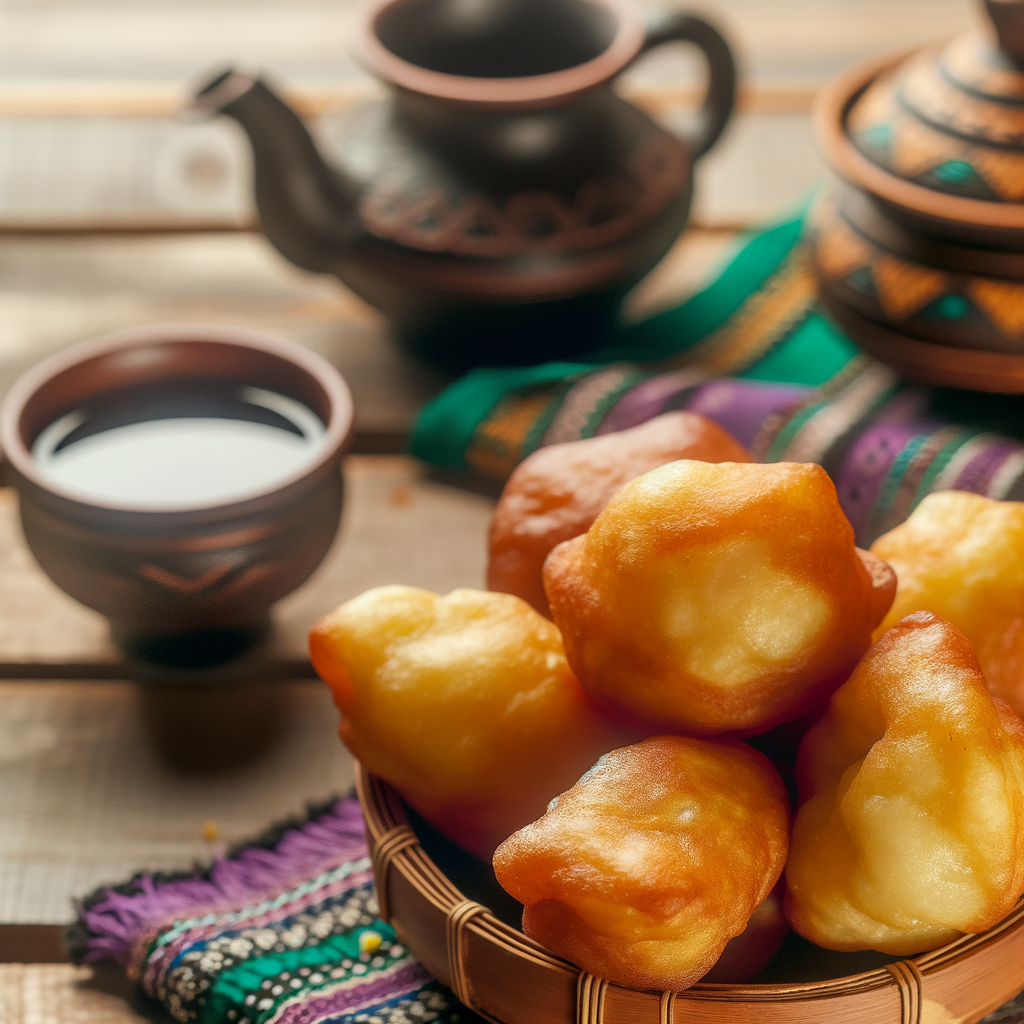
Mandazi
Sweet, fluffy dough pieces deep-fried to golden bites. Popular as a snack or breakfast, often accompanied by tea.
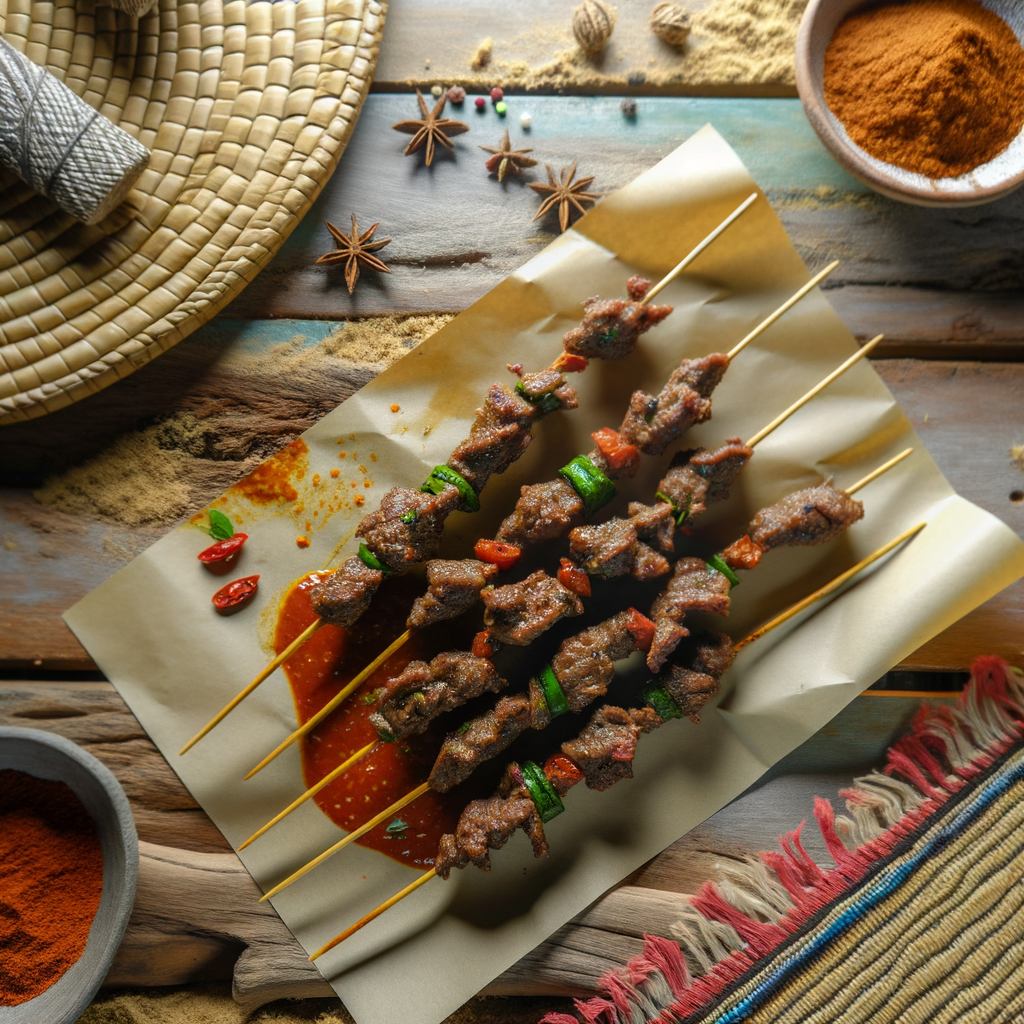
Mishkaki
Marinated meat skewers, grilled over coals and served with spicy sauce. A popular street food in cities and along the coast.
Restaurant information
Tipping
Tipping is not mandatory in Tanzania, but appreciated. In restaurants, a tip of 5-10% of the bill is appropriate if a service charge is not already included. No tipping is expected at markets and street stalls.
Travel information
Currency
Tanzanisk shilling (TZS)
Language
Swahili
Best time to visit
June-October (dry season)
Major cities
Dodoma and other major cities
More countries in Africa
Discover more destinations in this region